Tracing practice Worksheets for 8-Year-Olds
3 filtered results
-
From - To
Welcome to our Tracing Practice Worksheets for 8-Year-Olds! Designed to enhance fine motor skills and build confidence in writing, our engaging worksheets offer a variety of tracing activities tailored for children. These printable resources help young learners practice letters, numbers, and shapes, laying a strong foundation for their academic success. With colorful illustrations and age-appropriate content, tracing becomes a fun and effective learning exercise. Whether used at home or in the classroom, our worksheets promote creativity and focus, nurturing essential skills. Explore our collection and give your child the opportunity to master the art of tracing while enjoying the learning process!
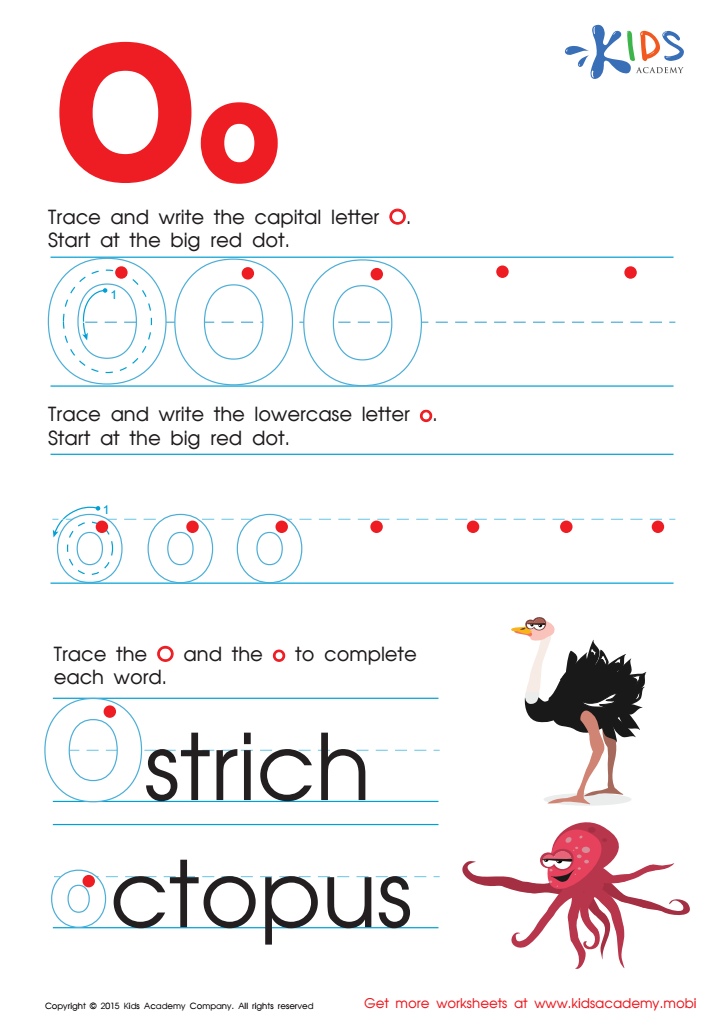
Letter O Tracing Page
 Assign to My Students
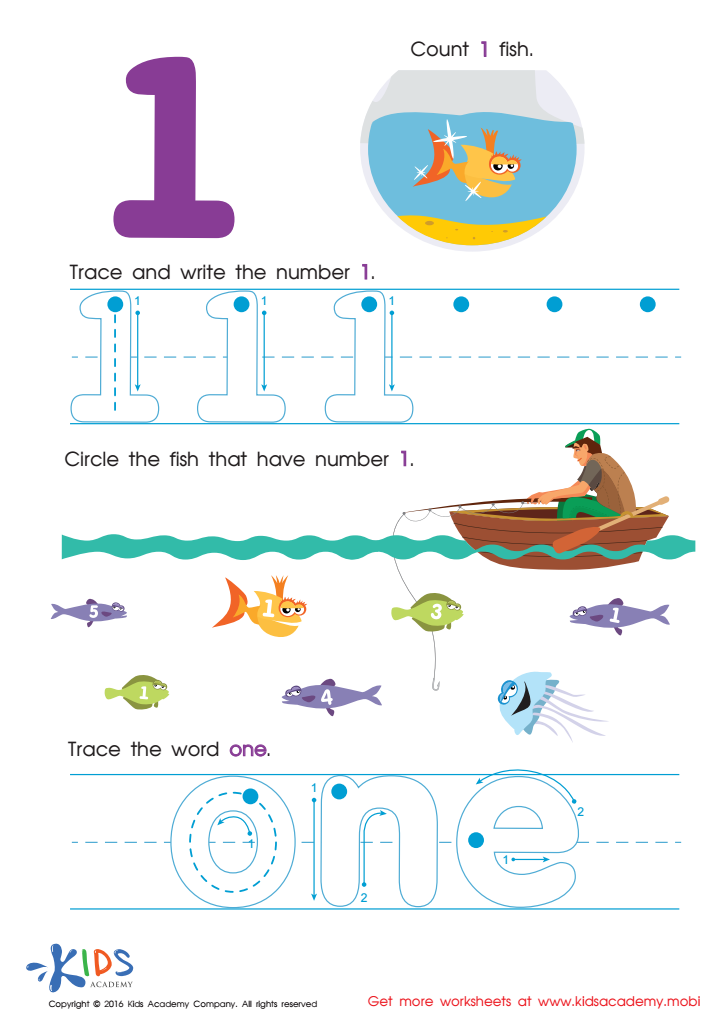
Learning to Write 1 Worksheet
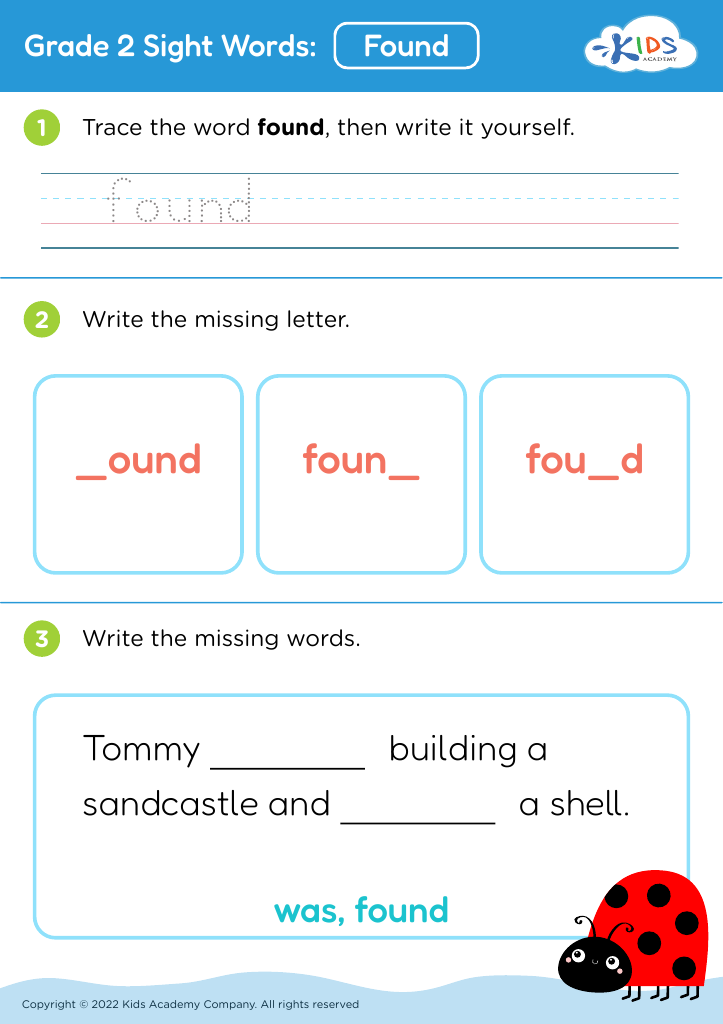








Tracing practice is a valuable tool for 8-year-olds as it supports their developmental journey in various ways. First and foremost, it enhances fine motor skills, which are essential for writing, drawing, and engaging in daily tasks. As children trace letters, shapes, and patterns, they cultivate hand-eye coordination and improve their grip on writing instruments.
Additionally, tracing aids in the learning of letter recognition and formation. For young learners, who are still mastering the nuances of handwriting, tracing provides a structured way to understand how each letter is formed. This practice helps to build confidence in their writing abilities, allowing for greater self-expression.
Moreover, tracing can boost focus and concentration, vital skills in a child’s overall academic success. It encourages a sense of achievement as children complete each tracing task, reinforcing a positive attitude towards learning.
Incorporating tracing activities into education can also cater to diverse learning styles. For visual learners, seeing the patterns aids in retention, while kinesthetic learners benefit from the hands-on aspect. Ultimately, tracing practice is a multifaceted educational strategy that nurtures essential skills, making it important for both parents and teachers to promote its use.








