Understanding life cycles Worksheets for 8-Year-Olds
4 filtered results
-
From - To
Dive into the world of life cycles with our engaging worksheets designed for 8-year-olds! At Kids Academy, we offer printable, expertly crafted worksheets that make learning about the life cycles of various organisms both educational and enjoyable. Each worksheet introduces children to the stages of growth and development of plants, animals, and insects, emphasizing important concepts through fun activities and colorful illustrations. Ideal for parents and educators, our resources support your child in building essential scientific knowledge while sparking a lifelong interest in nature. Help your child grasp the fascinating cycles of life—one worksheet at a time.
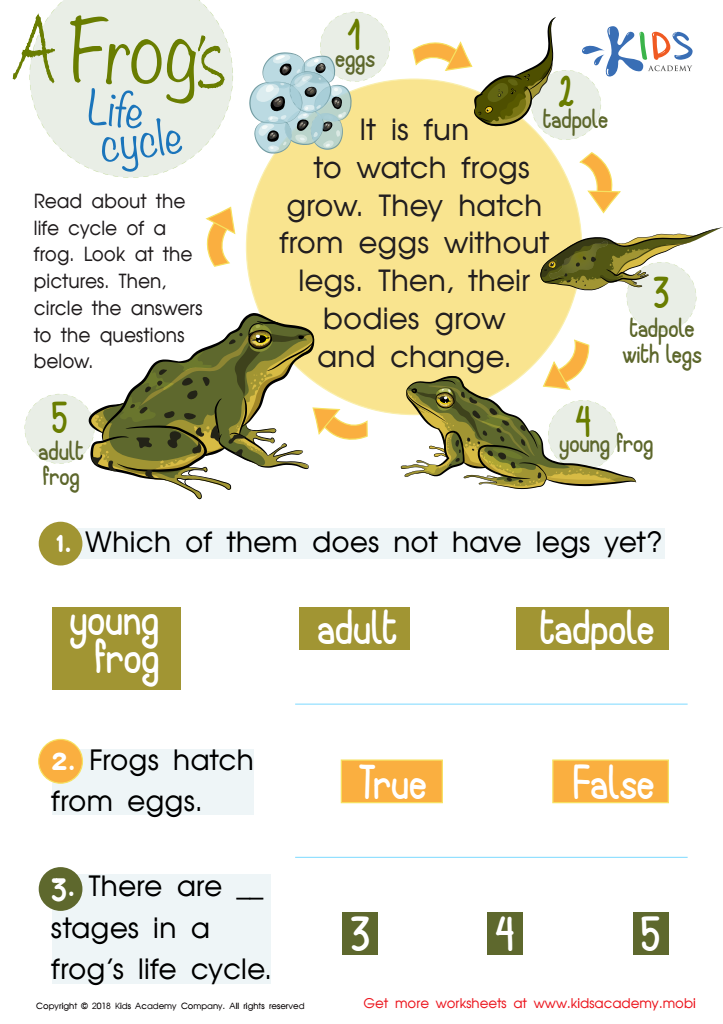
A Frog’s Life Cycle Worksheet
 Assign to My Students
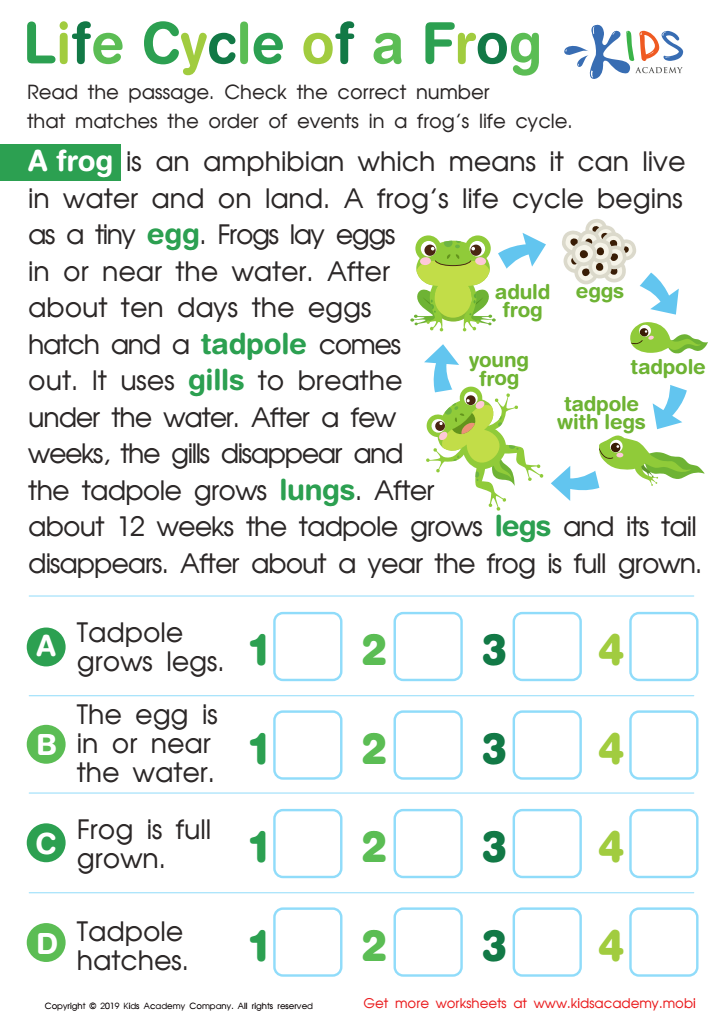
Life Cycle of a Frog Worksheet
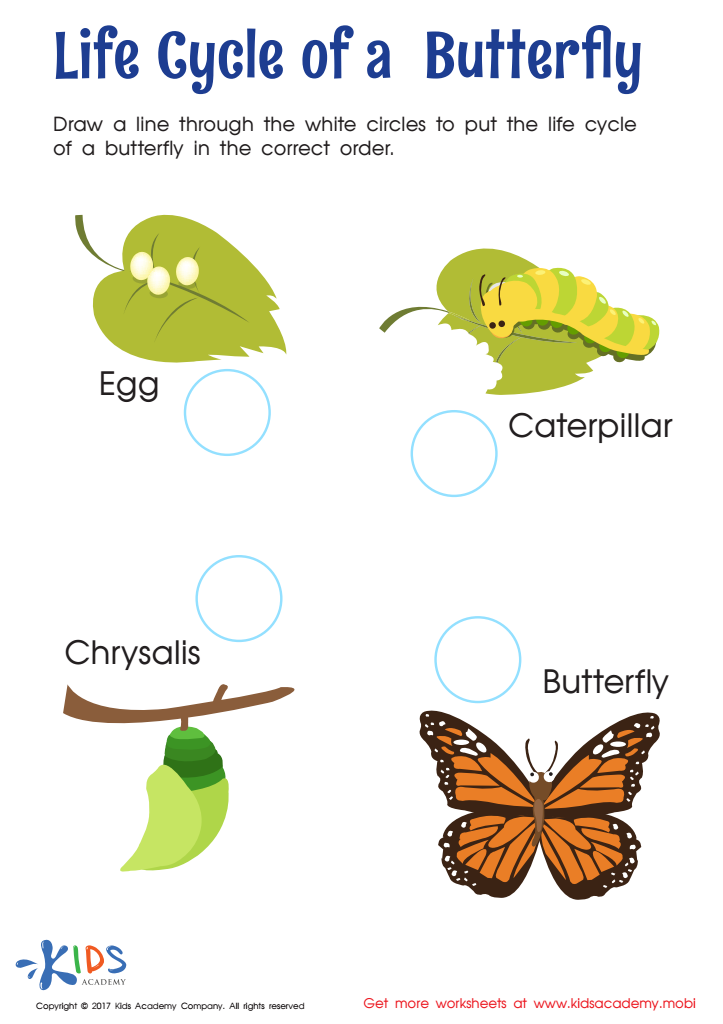
Life Cycle of Butterfly Worksheet
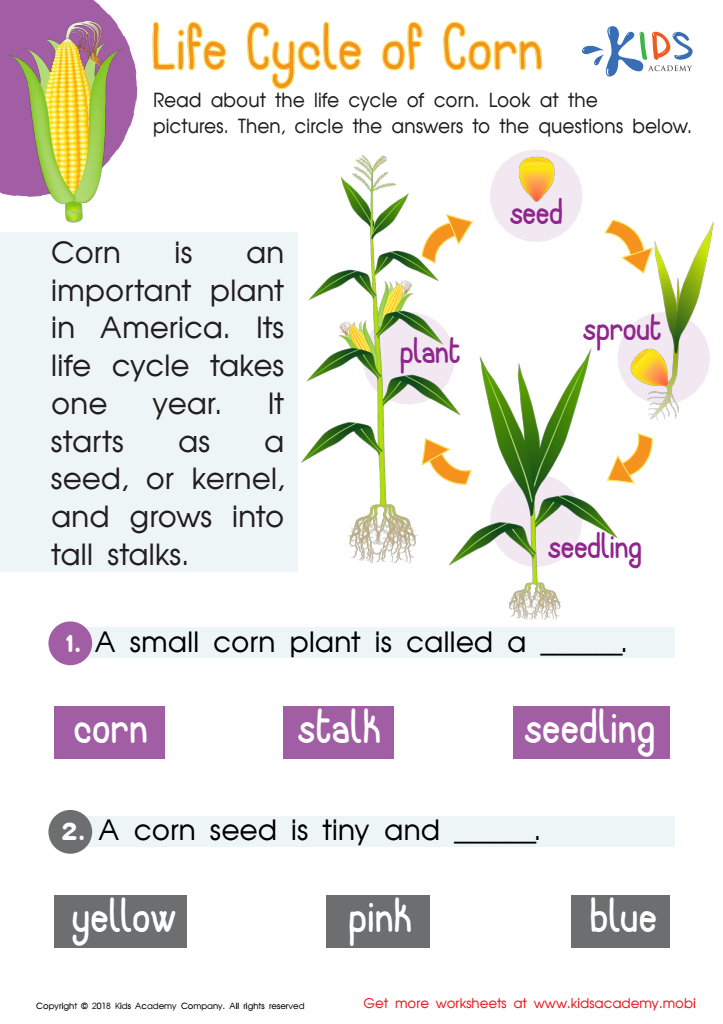
Life Cycle of Corn Worksheet





.jpg)

Understanding life cycles is essential for 8-year-olds as it fosters curiosity, comprehension, and respect for the natural world. At this age, children are naturally inquisitive, constantly asking questions about their surroundings. Learning about life cycles—such as the metamorphosis of frogs or the stages of a plant—satisfies this curiosity and instills a sense of wonder.
For parents and teachers, teaching life cycles provide an opportune way to introduce scientific concepts and vocabulary early on. It lays a foundational understanding of biology and ecology, building blocks for more complex topics. Additionally, observing life cycles firsthand, such as through classroom projects or nature excursions, enhances children's observational and critical thinking skills.
Moreover, grasping life cycles helps children understand the interconnectedness of living beings and their environments. It cultivates a sense of responsibility and stewardship for the environment, promoting sustainable habits. For instance, comprehending the life cycle of plants can lead to an appreciation of agriculture and the importance of conserving natural resources.
Emotionally, it aids in processing the natural progression of life, easing their understanding of growth, reproduction, and even death. This holistic learning approach encourages not just intellectual growth, but emotional and moral development, making respect for nature ingrained from an early age. Parents and teachers play a crucial role in guiding this understanding, ensuring comprehensive growth.








