Understanding sequencing Worksheets for 8-Year-Olds
8 filtered results
-
From - To
Discover the importance of sequencing worksheets designed specifically for 8-year-olds! These engaging and interactive worksheets help young learners develop essential skills in organizing events and enhancing their comprehension abilities. By utilizing fun stories and relatable scenarios, children can practice identifying order, making predictions, and improving their critical thinking. Our resources also promote vocabulary building, concentration, and creativity. Parents and educators can easily access downloadable worksheets, tailored to meet developmental needs. Help your child master sequencing skills and foster their love for learning! Explore our collection today to support their growth in reading and comprehension while making learning enjoyable.
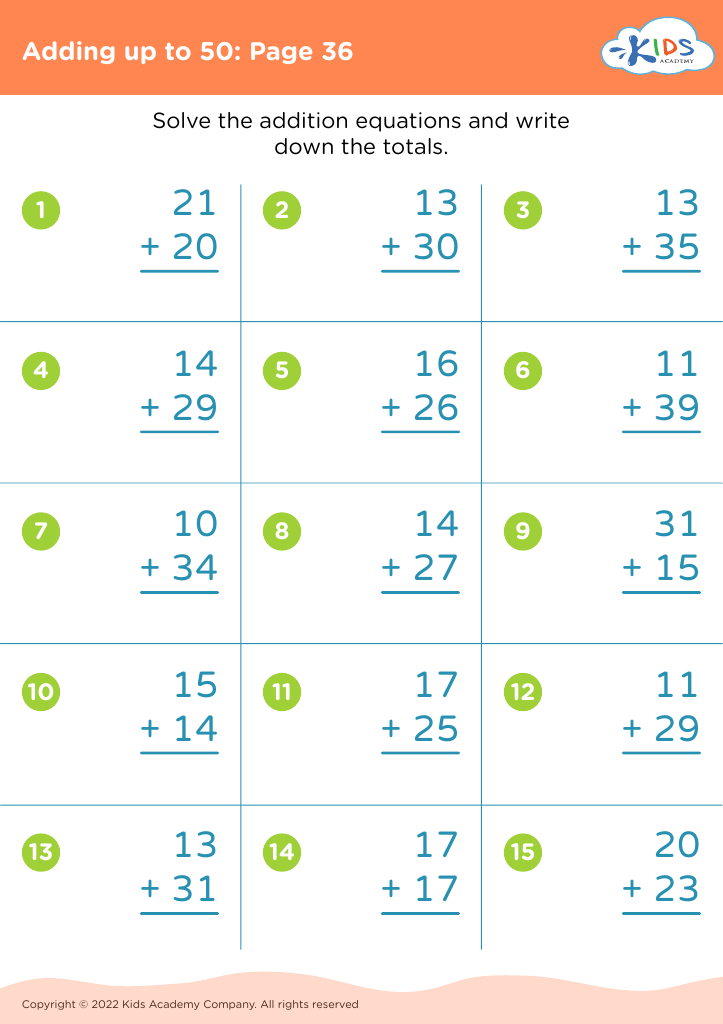
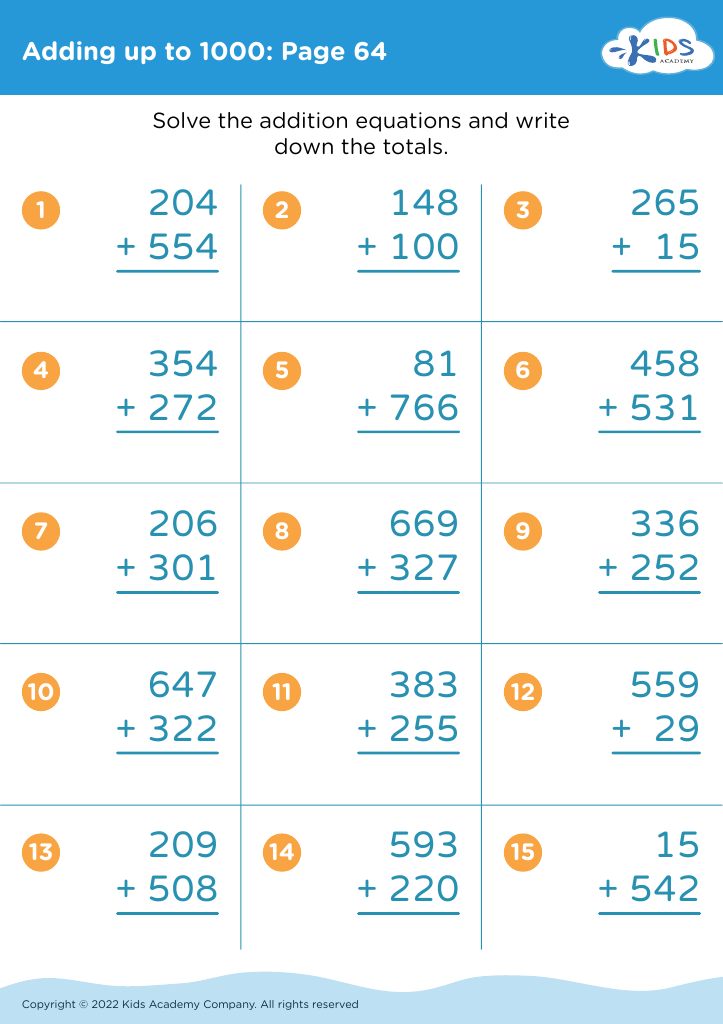
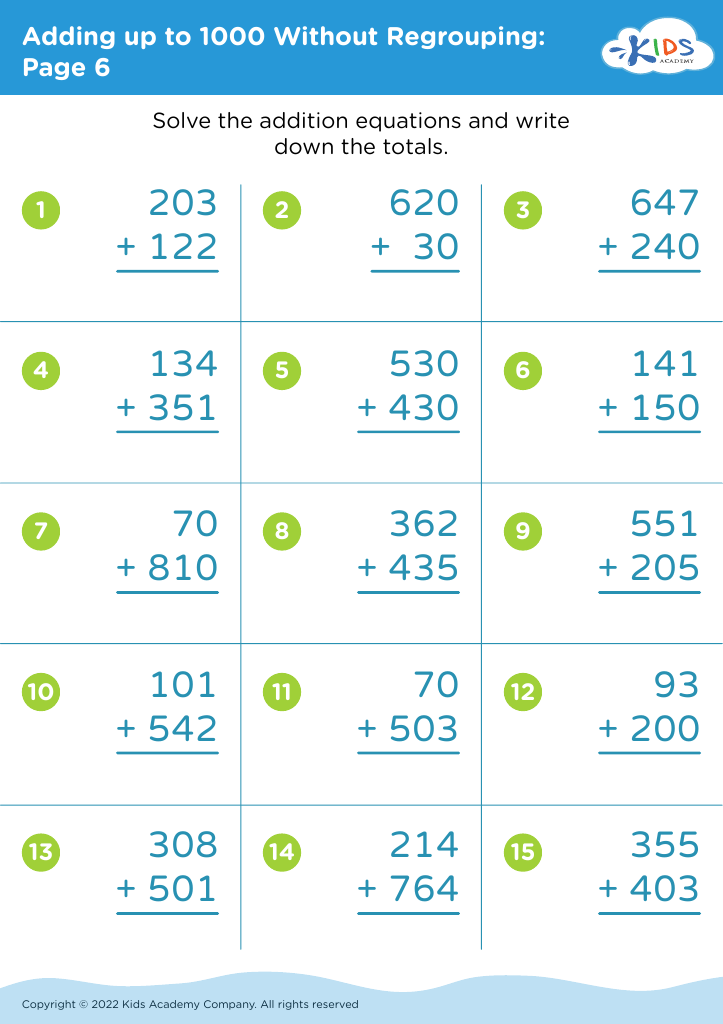
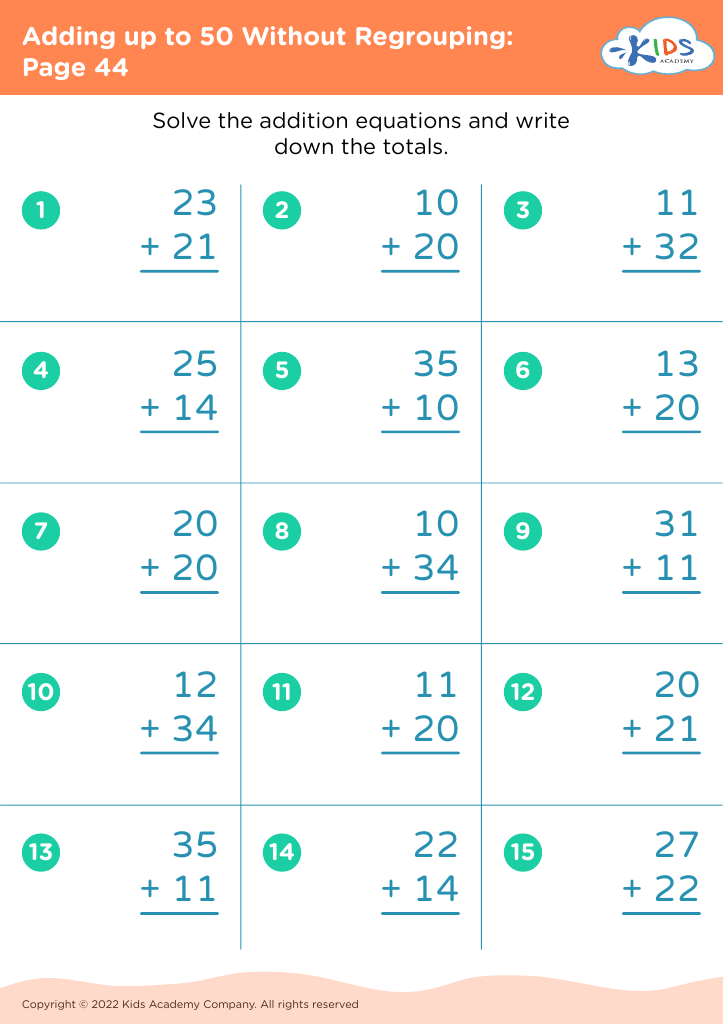







Understanding sequencing is crucial for 8-year-olds as it lays the foundation for critical thinking, reading comprehension, and effective communication. At this age, children are developing essential cognitive skills, and grasping sequencing helps them make sense of the world around them. It enhances their ability to follow directions, recount events, and organize their thoughts logically.
In reading, sequencing allows children to understand the structure of stories, identifying the beginning, middle, and end. This comprehension skill enables them to predict outcomes, draw conclusions, and engage more deeply with texts. In mathematics, sequencing is vital for problem-solving and understanding patterns.
Moreover, mastery of sequencing contributes to social skills, as children learn to share their thoughts and experiences in coherent, chronological order. This clarity fosters better communication with peers and adults, enabling more effective collaborations and interactions.
For parents and teachers, prioritizing sequencing activities—such as storytelling, using timelines, or engaging in step-by-step experiments—ensures that children develop these essential skills. By nurturing sequencing abilities, adults provide children with a valuable toolset for academic success and everyday life, paving the way for independent learners and problem solvers. Collectively, investing in this skill supports children's overall growth and development.








