Visual learning stimulation Worksheets for 8-Year-Olds
3 filtered results
-
From - To
Unlock your child's potential with our engaging Visual Learning Stimulation Worksheets designed specifically for 8-year-olds. These innovative resources foster essential visual skills, enhancing comprehension and retention through colorful activities and hands-on exercises. Our worksheets cover a range of topics, including patterns, spatial awareness, and critical thinking, making learning both fun and interactive. Perfect for home or classroom use, these materials cater to various learning styles, ensuring every child discovers their unique strengths. Encourage creativity and boost confidence as your child explores the world visually, laying a solid foundation for future academic success. Dive into our collection and inspire a love for learning today!
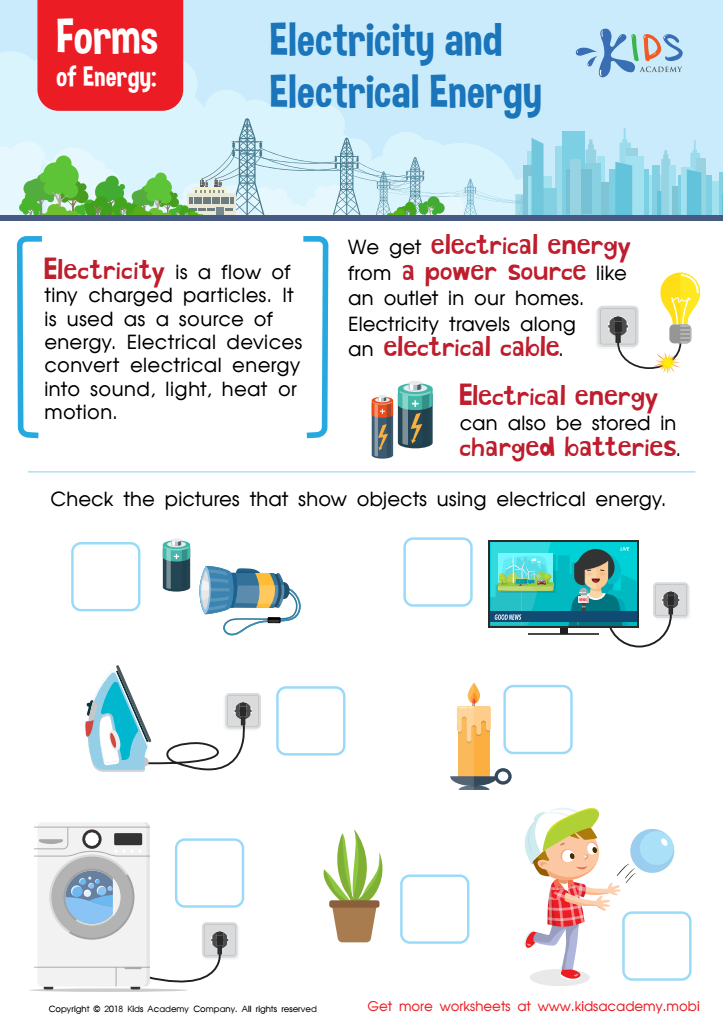
Forms of Energy Worksheet
 Assign to My Students
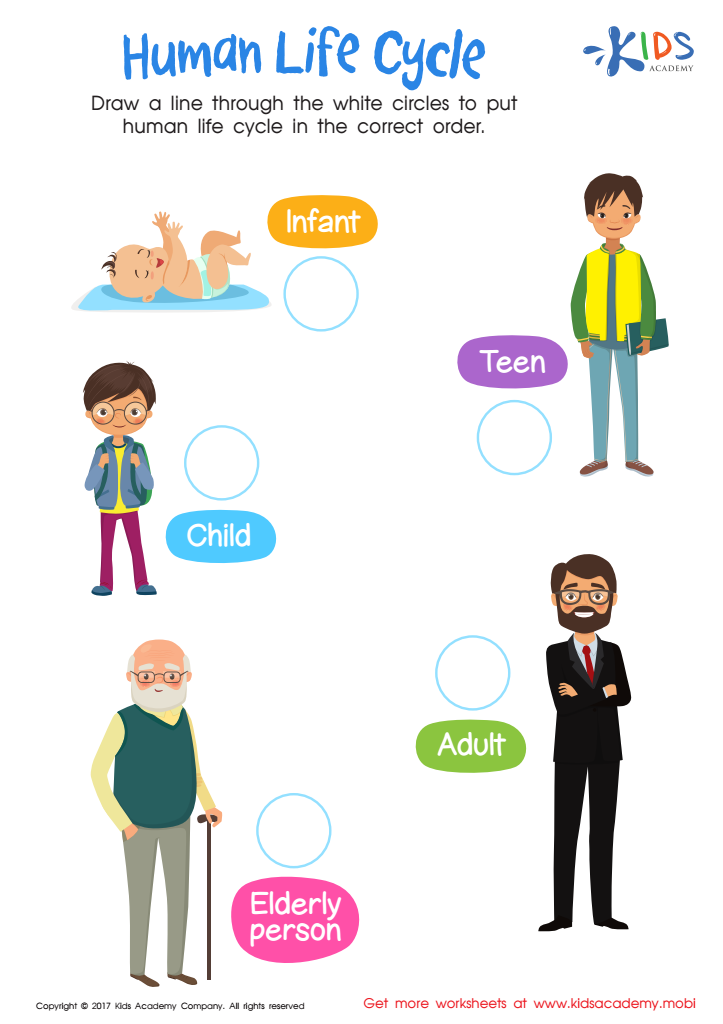
Human Life Cycle Worksheet
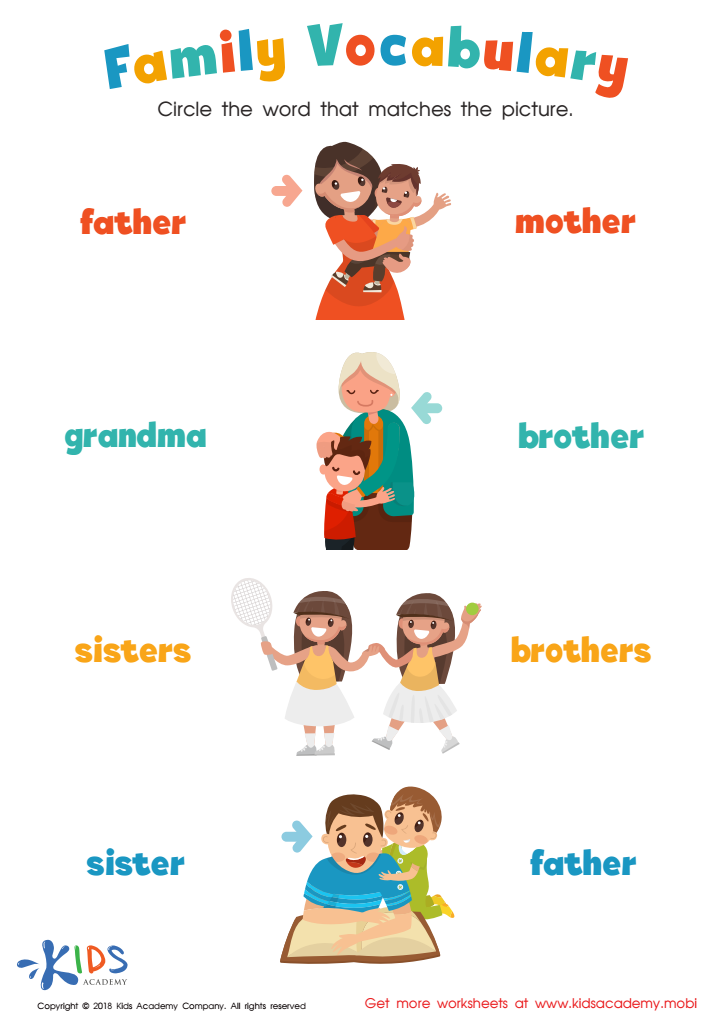
Family Vocabulary Worksheet







Visual learning stimulation is crucial for 8-year-olds as it profoundly impacts their cognitive development, engagement, and retention of information. At this age, children are increasingly capable of processing visual information, leading to enhanced comprehension and creativity. Integrating visual aids such as diagrams, images, and videos into learning helps to make abstract concepts more concrete, facilitating better understanding of subjects like math, science, and language arts.
Parents and teachers should care because visual stimulation taps into diverse learning styles. Many children are visual learners, meaning they understand and remember information better when it’s presented visually. By providing visual stimuli, educators can cater to different preferences and needs, promoting inclusivity and boosting academic performance for all students.
Moreover, visual learning fosters critical thinking and problem-solving skills as children learn to analyze and interpret visual data. It encourages them to connect ideas, enhancing their overall learning experience. In an increasingly digital world, embracing visual learning also prepares children for future careers where visual literacy will be essential. By prioritizing visual learning stimulation, parents and teachers not only ignite a love for learning but also equip 8-year-olds with essential skills for lifelong success.








