Visual representation comprehension Worksheets for 8-Year-Olds
10 filtered results
-
From - To
Explore our Visual Representation Comprehension Worksheets designed for 8-year-olds to enhance their learning experience. These engaging printables help children understand and interpret data presented in various forms such as charts, graphs, and diagrams. By mastering these skills, kids boost their analytical thinking, problem-solving abilities, and overall academic performance. Our carefully curated, age-appropriate activities stimulate curiosity and make learning both fun and effective. Ideal for home or classroom use, they support key educational milestones and foster a love for knowledge. Start enriching your child's comprehension skills today with our thoughtfully designed worksheets!
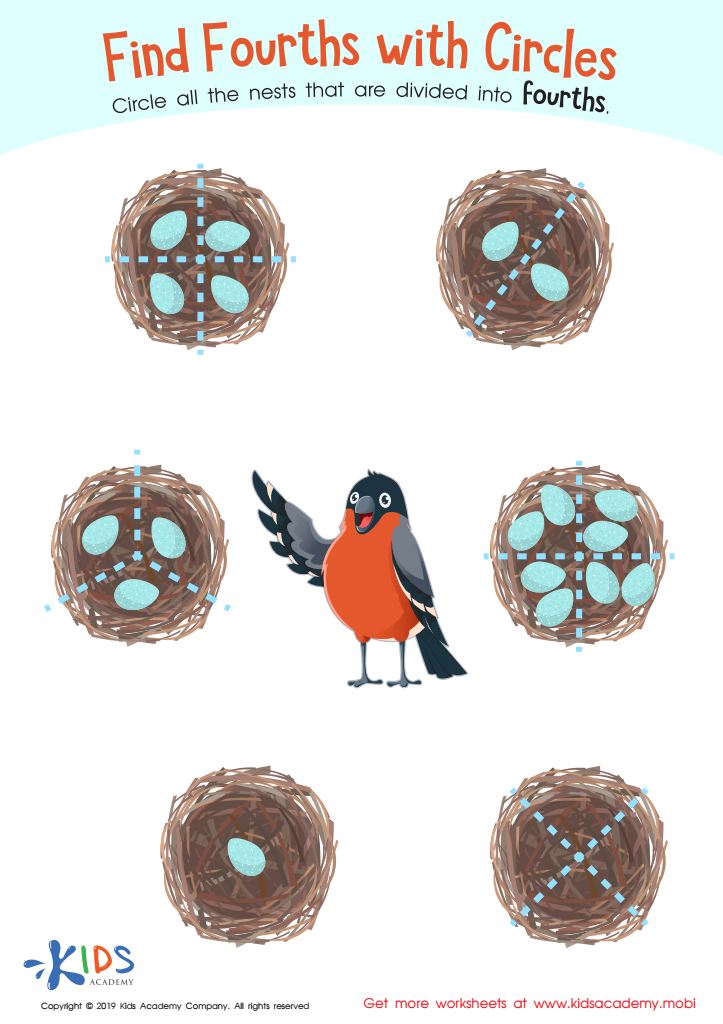
Find Fourths Circles Worksheet
 Assign to My Students
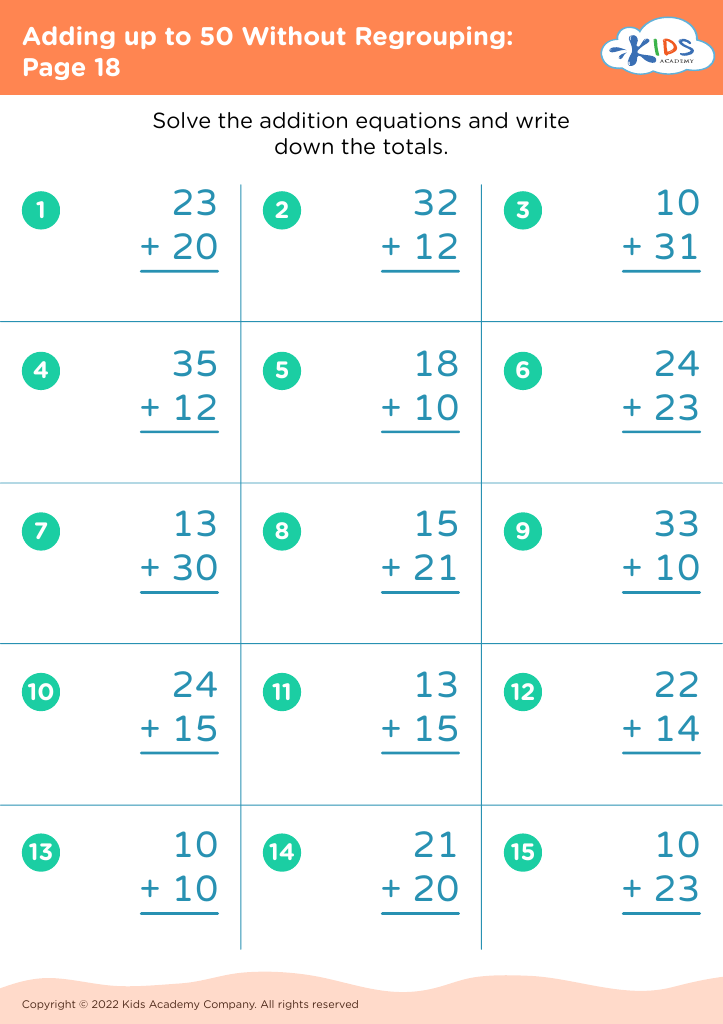
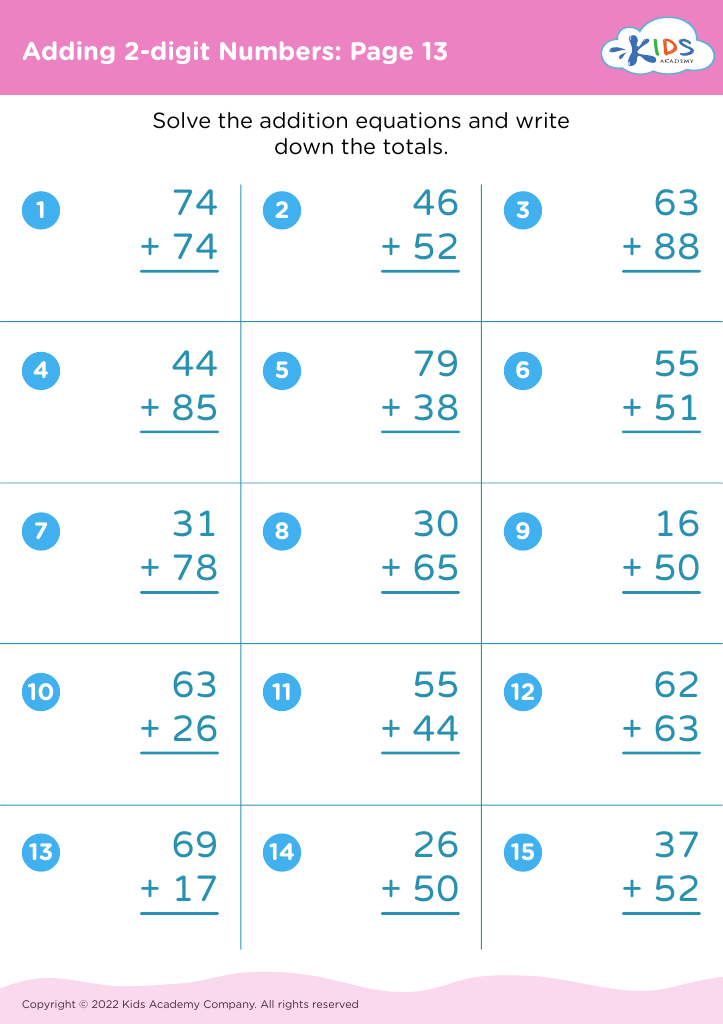
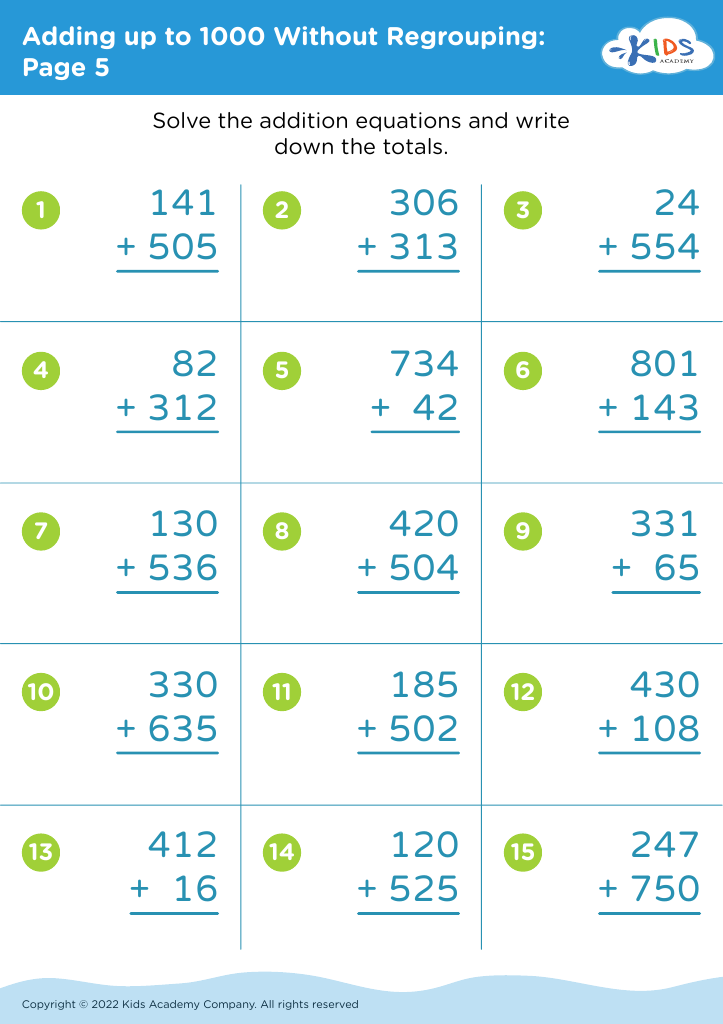
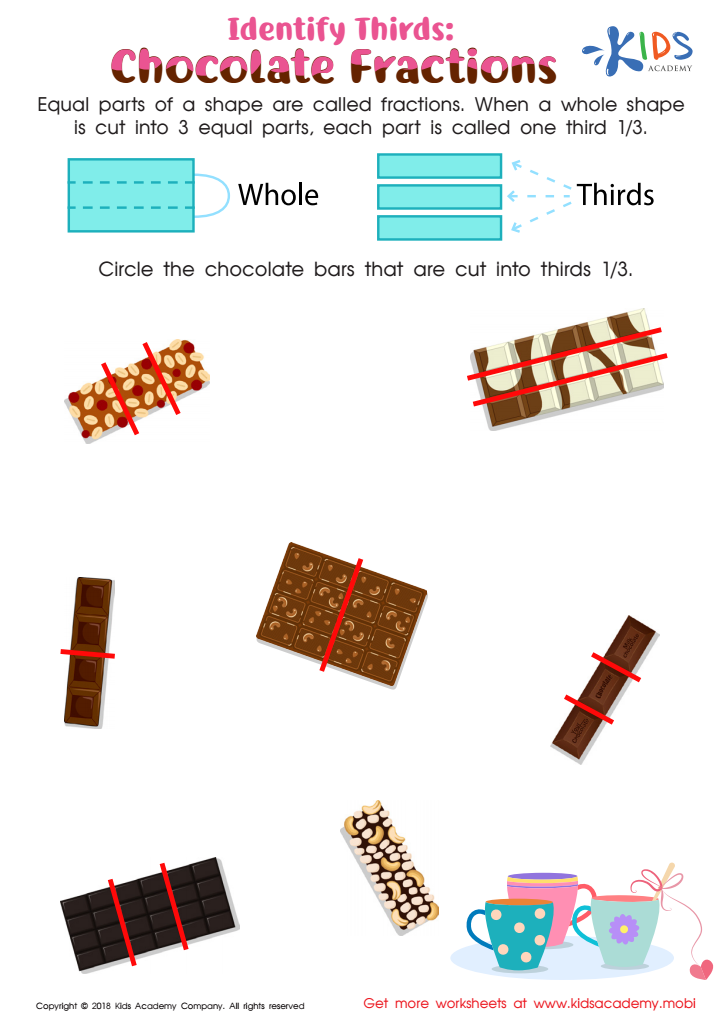
Identify Thirds: Chocolate Fractions Worksheet
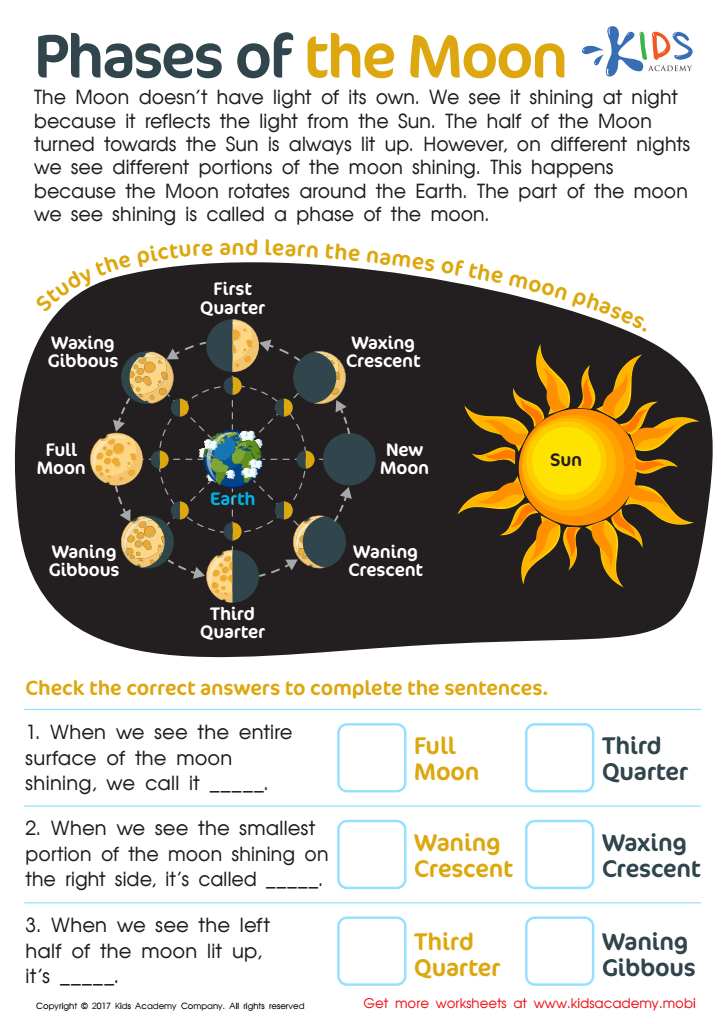
Phases of The Moon Worksheet
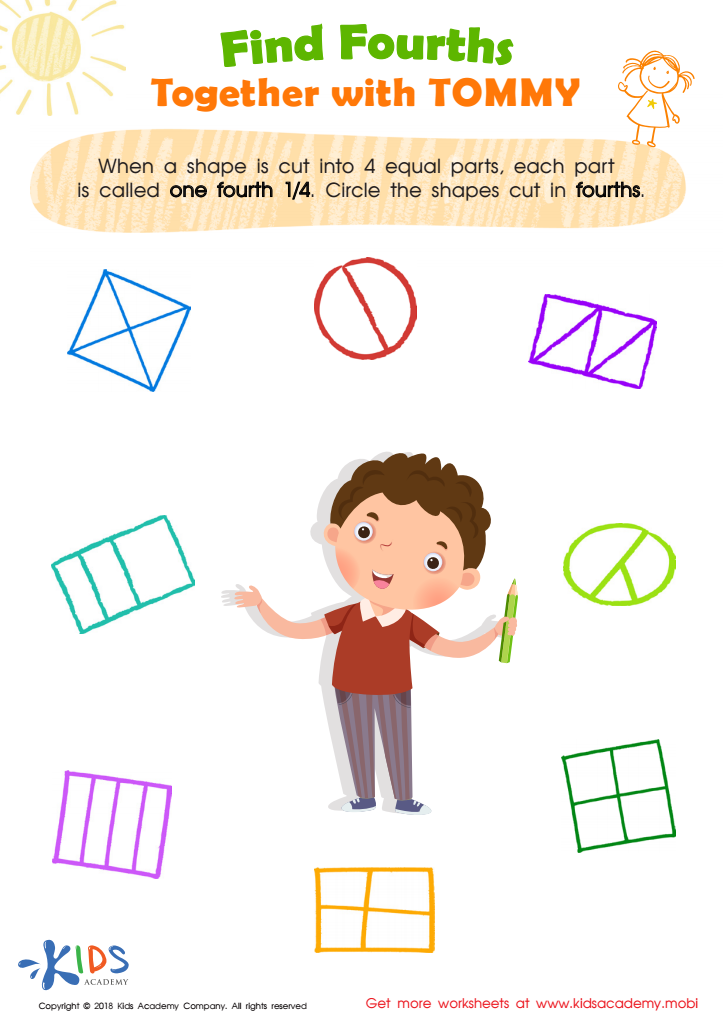
Find Fourths Together with Tommy Worksheet







Parents and teachers should care about visual representation comprehension for 8-year-olds because it plays a crucial role in their cognitive and academic development. At this age, children are rapidly enhancing their ability to process and understand information, and visual tools such as graphs, charts, and diagrams are ubiquitous in educational content. Visual representations help in simplifying complex concepts, making abstract ideas more accessible and helping students grasp information more quickly than through text alone. They also support memory retention; children tend to remember images better than words.
Furthermore, visual literacy equips students with critical thinking skills. When children learn to interpret data through visuals, they enhance their ability to analyze and draw conclusions, which is vital for subjects like math, science, and social studies. Additionally, fostering these skills early on can improve problem-solving abilities and creativity, as kids learn to create their own visual representations of information.
Incorporating visual learning techniques can also cater to diverse learning styles, ensuring that visual learners in particular do not fall behind. By prioritizing visual representation comprehension, parents and teachers can provide a supportive learning environment that acknowledges different needs and enhances overall learning efficiency for 8-year-olds.








