Vocabulary development Worksheets for 8-Year-Olds - Page 2
29 filtered results
-
From - To
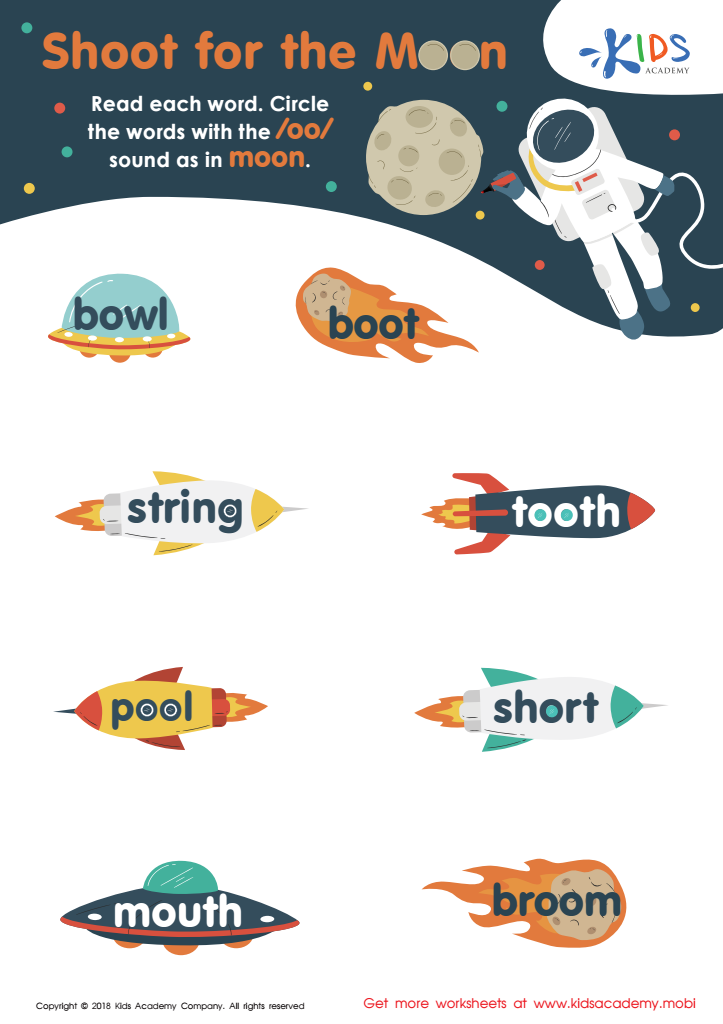
Reading: Shoot for the Moon Worksheet
 Assign to My Students
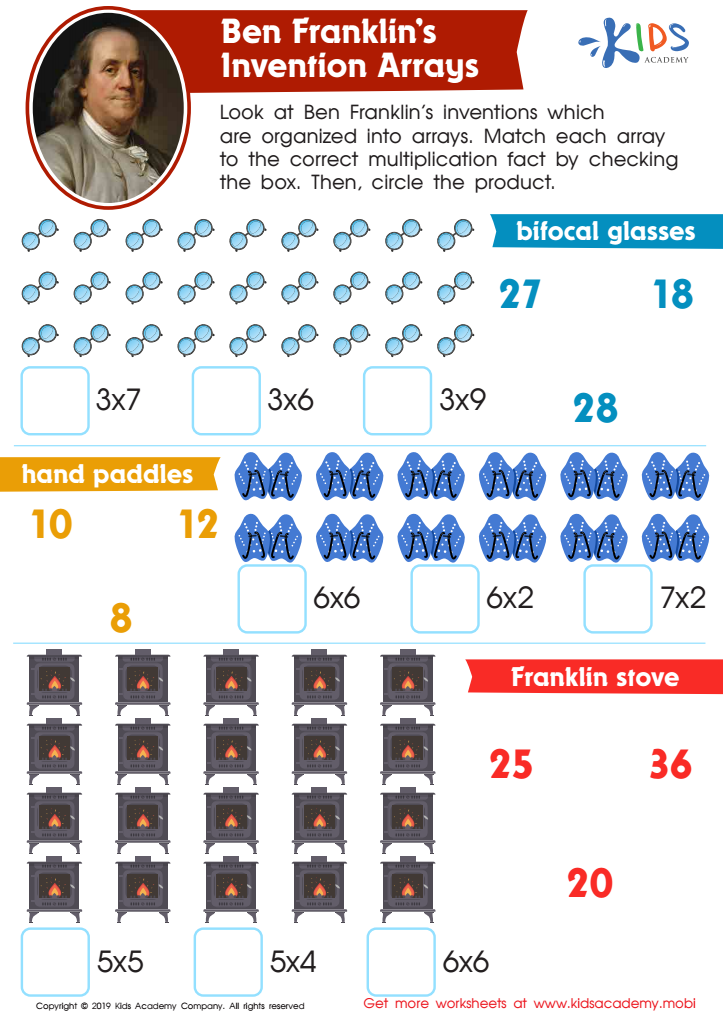
Ben Franklin’s Invention Arrays Worksheet
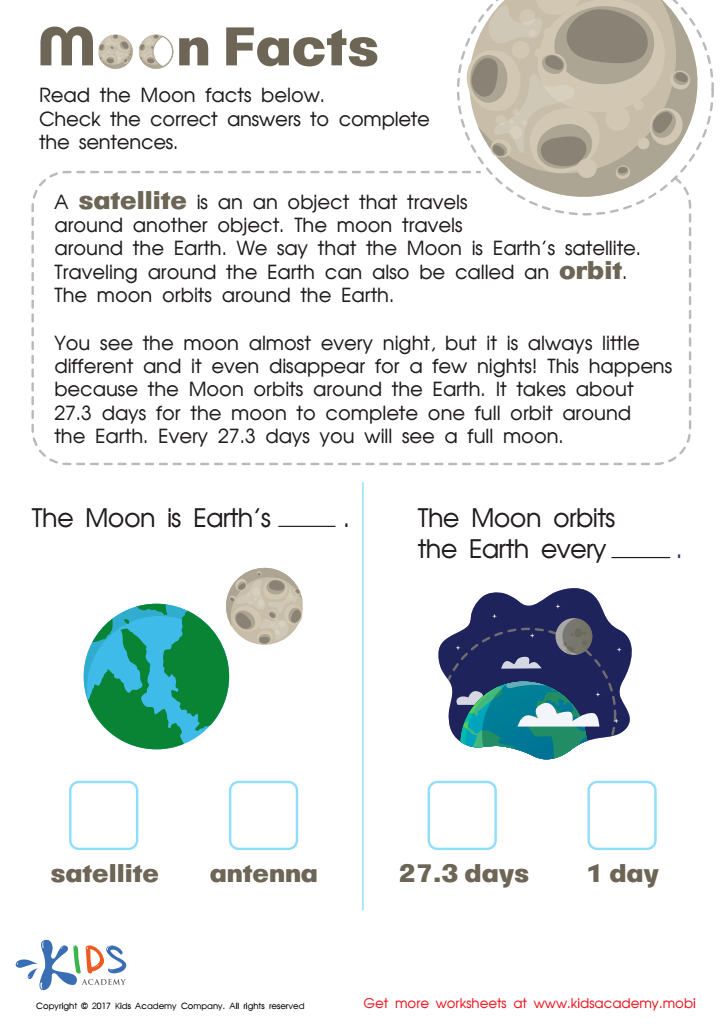
Moon Facts Worksheet
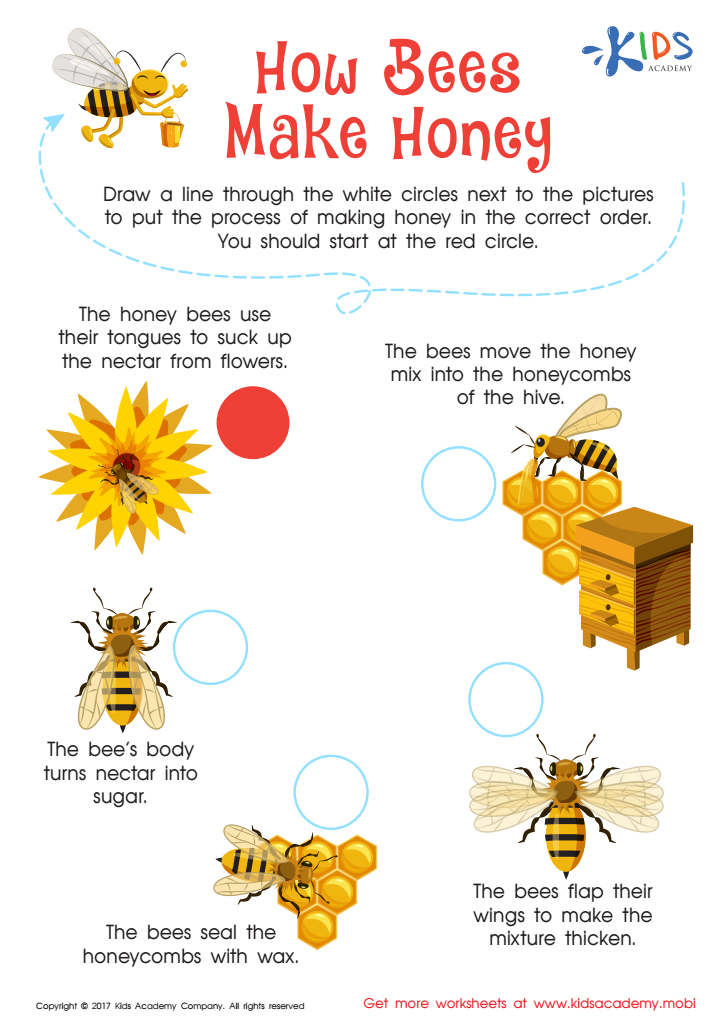
Honey Bee Worksheet








Vocabulary development is crucial for 8-year-olds, as it significantly impacts their academic success and overall communication skills. At this age, children are transitioning from learning to read to reading to learn, which makes a rich vocabulary essential. Strong vocabulary skills enable students to comprehend texts more effectively, articulate their thoughts clearly, and engage in thoughtful discussions.
Additionally, vocabulary development supports other areas of learning, including writing and critical thinking. Children who possess a diverse vocabulary can better express emotions, concepts, and abstract ideas, fostering deeper connections with others and enhancing their ability to share stories and experiences.
Moreover, children with a robust vocabulary are often more confident in classroom participation, leading to increased academic engagement and motivation. Promoting a rich language environment—through reading with children, introducing new words in conversation, or encouraging expressive writing—allows parents and teachers to play a formative role in building these essential skills.
When parents and teachers prioritize vocabulary development, they lay the groundwork for lifelong learning and effective communication. In a world increasingly driven by the ability to articulate ideas and understand complex information, a strong vocabulary is a vital asset that will enrich a child's academic journey and personal growth.








