Basic counting skills Addition & Subtraction Worksheets for 8-Year-Olds
3 filtered results
-
From - To
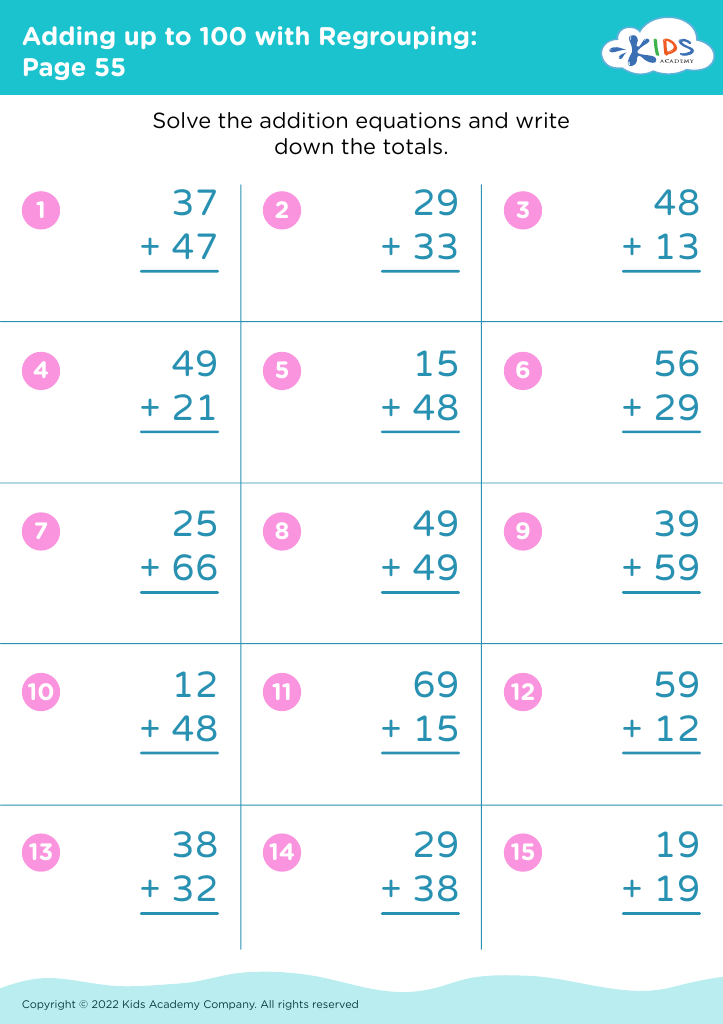
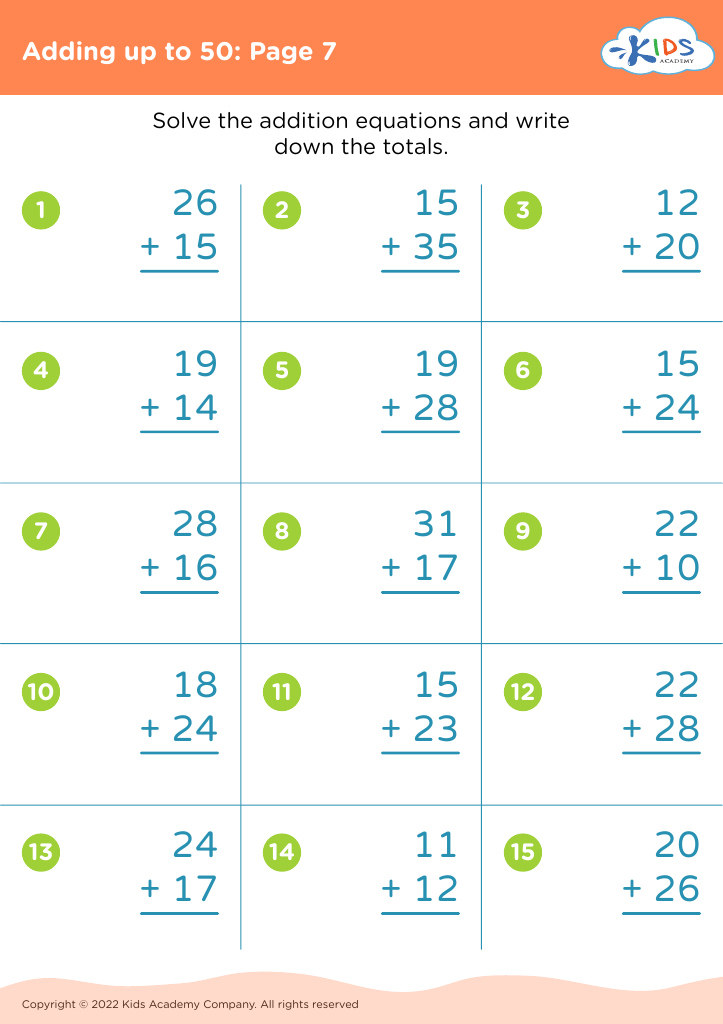
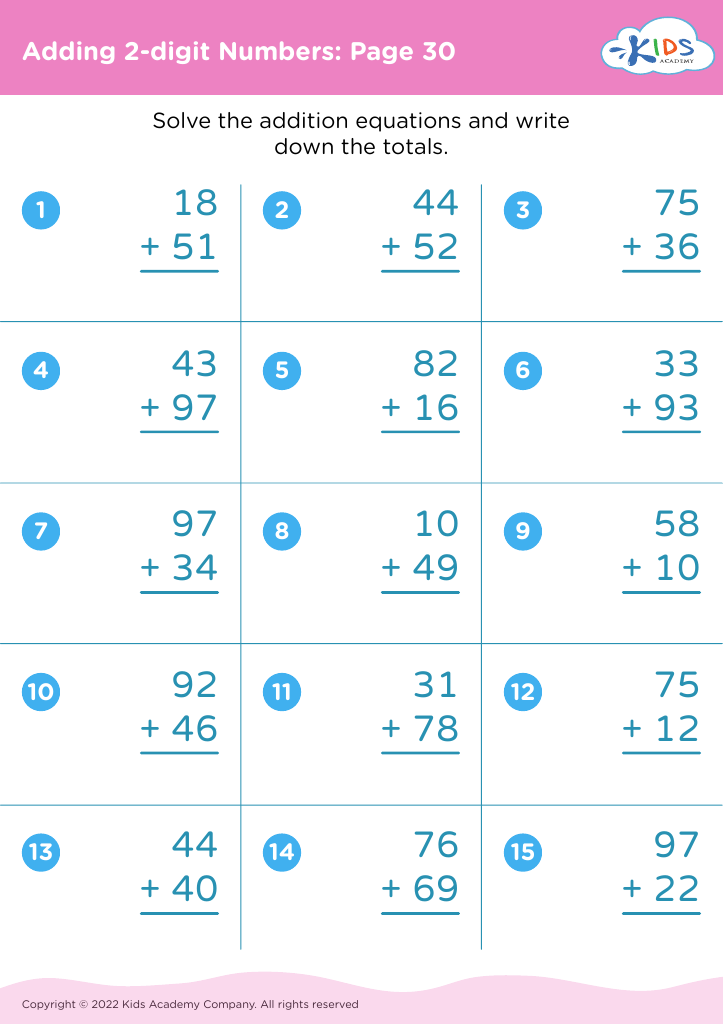
Enhance your 8-year-old’s math abilities with our engaging Basic Counting Skills Addition & Subtraction Worksheets! Designed to strengthen foundational arithmetic skills, these worksheets feature a variety of fun and interactive exercises that encourage practice in counting, addition, and subtraction. Kids will enjoy colorful visuals and captivating activities that make learning enjoyable. Each worksheet targets different levels of difficulty, allowing children to progress at their own pace. Perfect for home practice or classroom use, our resources foster confidence in young learners while building essential math skills. Jumpstart your child’s mathematical journey today with our expertly crafted worksheets!








Parents and teachers should prioritize basic counting skills, addition, and subtraction for 8-year-olds as these foundational concepts are critical for children's academic success and daily life. Mastery of simple mathematical operations enables students to tackle more complex mathematical concepts later on, which are essential in various subjects including science and finance.
Moreover, these skills encourage logical thinking and problem-solving abilities. As children practice counting and basic arithmetic, they develop a sense of numbers and their relationships, which enhances their ability to analyze and interpret data in real-world contexts. This is especially important as they begin to encounter money management, time-telling, and basic measurement in everyday situations.
Furthermore, developing a solid grasp of these skills helps build confidence and fosters a positive attitude towards math. Children who struggle with basic arithmetic may experience frustration, which can lead to a long-term aversion to the subject. By focusing on these basic skills, parents and teachers can nurture a love for math and ensure a strong mathematical foundation, ultimately promoting lifelong learning and success. Ensuring children are comfortable with counting, addition, and subtraction sets the stage for future academic achievements and enhances problem-solving skills crucial for their overall development.








