
Enhance logical thinking Addition & Subtraction Worksheets for 8-Year-Olds
3 filtered results
Difficulty Level
Grade
Age
-
From - To
Subject
Activity
Standards
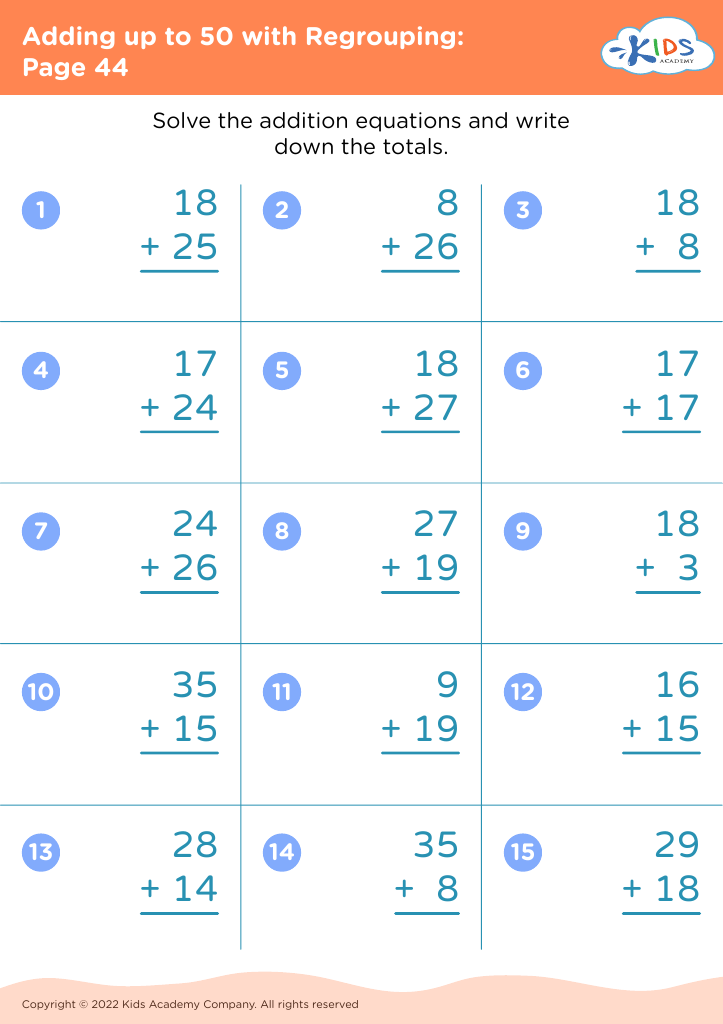
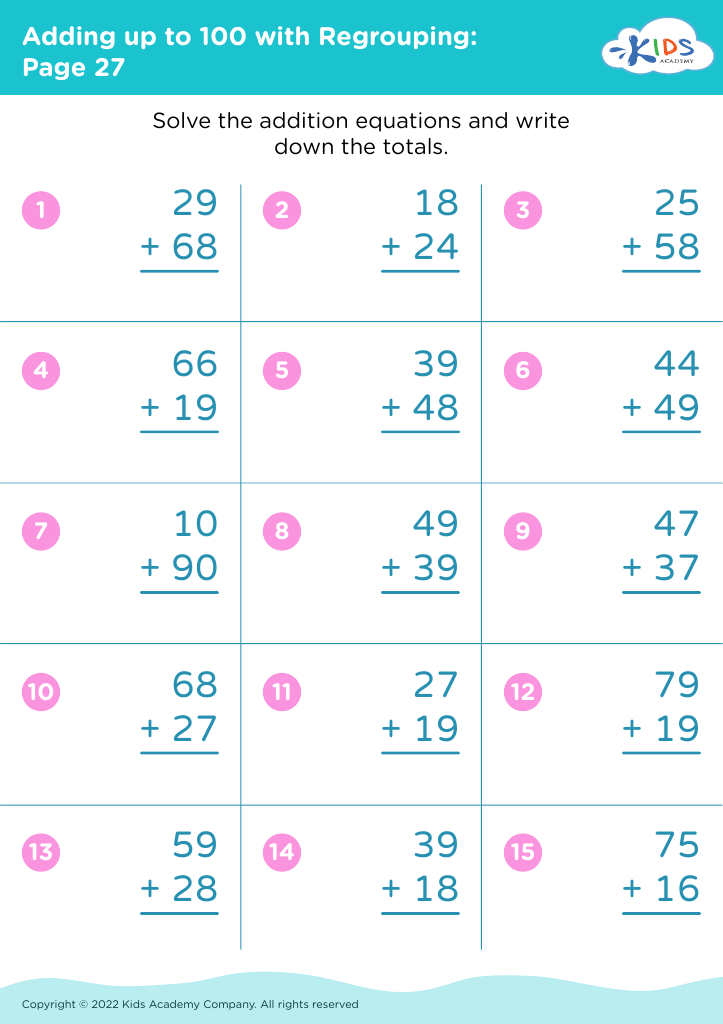
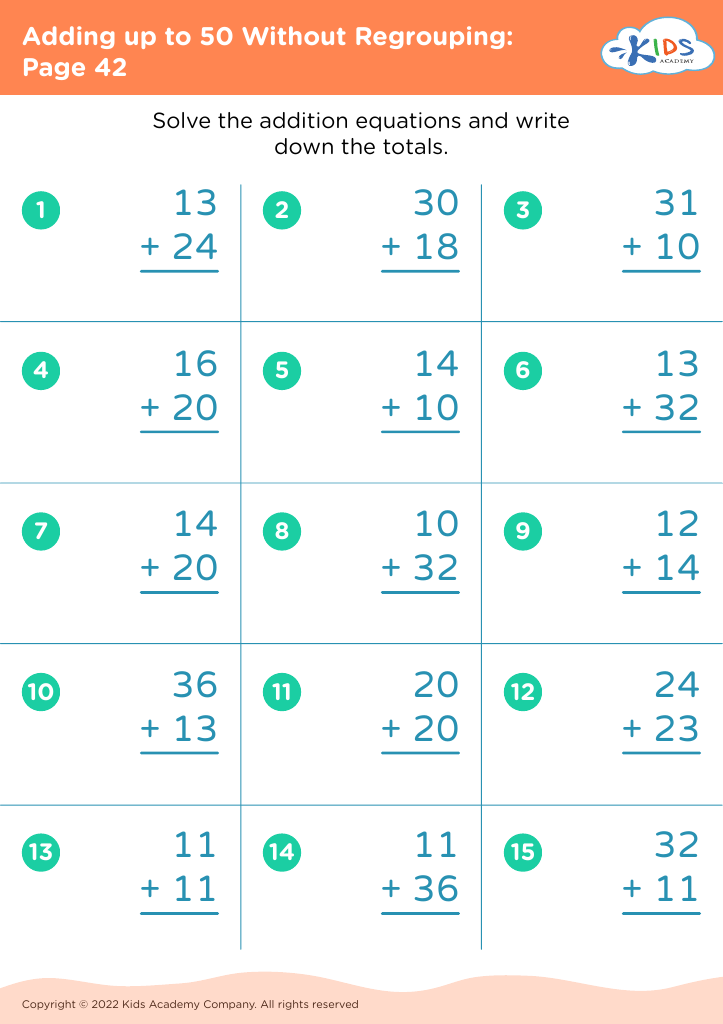
Boost your child's math skills with our "Enhance Logical Thinking Addition & Subtraction Worksheets for 8-Year-Olds." These engaging and challenging activities are expertly designed to improve not only arithmetic abilities but also logical reasoning. Perfectly tailored for young minds, these worksheets encourage problem-solving and critical thinking with a variety of fun and interactive exercises. Whether it's simple sums or complex word problems, your child will gain confidence and proficiency in math while enjoying the learning process. Make math enjoyable and educational with our top-quality resources today. Visit Kids Academy for the ultimate collection.
Favorites
With answer key
Interactive
Join Kids Academy for Free
Who is primarily going to use this learning content?








Helping 8-year-olds enhance their logical thinking and addition and subtraction skills is crucial for their academic and personal development. During these formative years, children's brains are exceptionally versatile and capable of significant growth. Introducing them to logical thinking helps build critical problem-solving abilities, making it easier for them to understand complex concepts in various subjects, not just in math. Logical thinking aids in efficient decision-making and fosters creativity, which can positively impact their everyday lives.
Addition and subtraction are foundational math skills that are essential for more advanced mathematical concepts. Mastery of these basic operations bolsters a child's confidence, preparing them for future learning challenges. When children practice these skills regularly, they enhance their numerical fluency, enabling them to solve real-world problems more effectively—like managing money or measuring ingredients for a recipe.
Moreover, reinforcing these skills at a young age helps inculcate a growth mindset. They learn that mastering a new skill requires practice and perseverance, lessons that transcend academics and apply to life at large. Teachers and parents can use fun and engaging methods for teaching these skills, such as interactive games or hands-on activities, making the learning process enjoyable and comprehensive for the child.








