Discover our engaging Enhance Number Recognition Addition & Subtraction Worksheets specifically designed for 8-year-olds! These fun and interactive resources aim to strengthen children's number recognition skills while they practice addition and subtraction. Each worksheet includes a variety of exercises that make learning enjoyable and effective, helping kids to confidently master essential math concepts. Whether at home or in the classroom, our worksheets cater to diverse learning styles and promote critical thinking. Equip your child with the tools they need for math success! Access our comprehensive collection today and watch their confidence soar as they enhance their math skills with ease.
Check out this FREE Trial Lesson on Addition & Subtraction for age 8!

A

Favorites
With answer key
Interactive
  • 8
  • Enhance number recognition
  • Addition & Subtraction
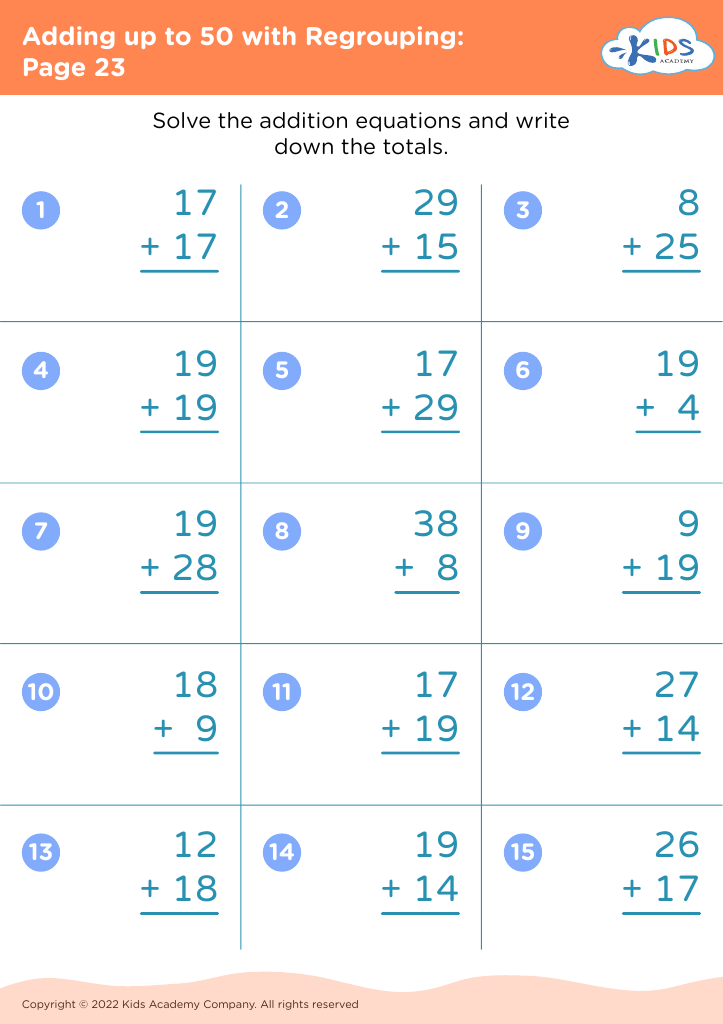
Adding up to 50 with Regrouping: Page 23
Worksheet
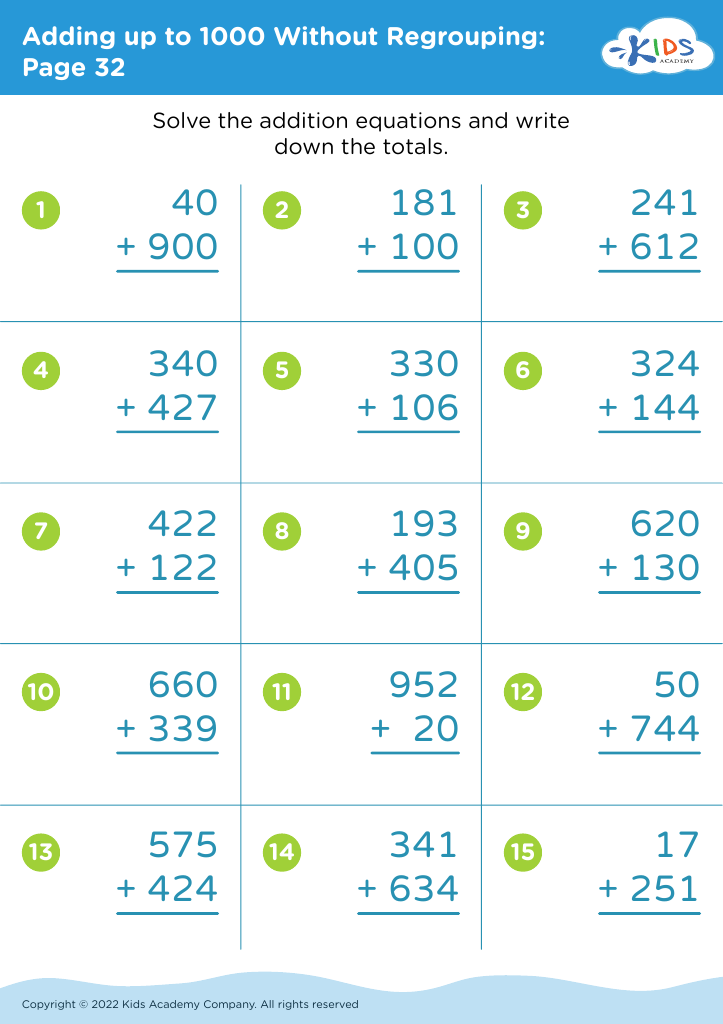
Adding up to 1000 Without Regrouping: Page 32
Worksheet
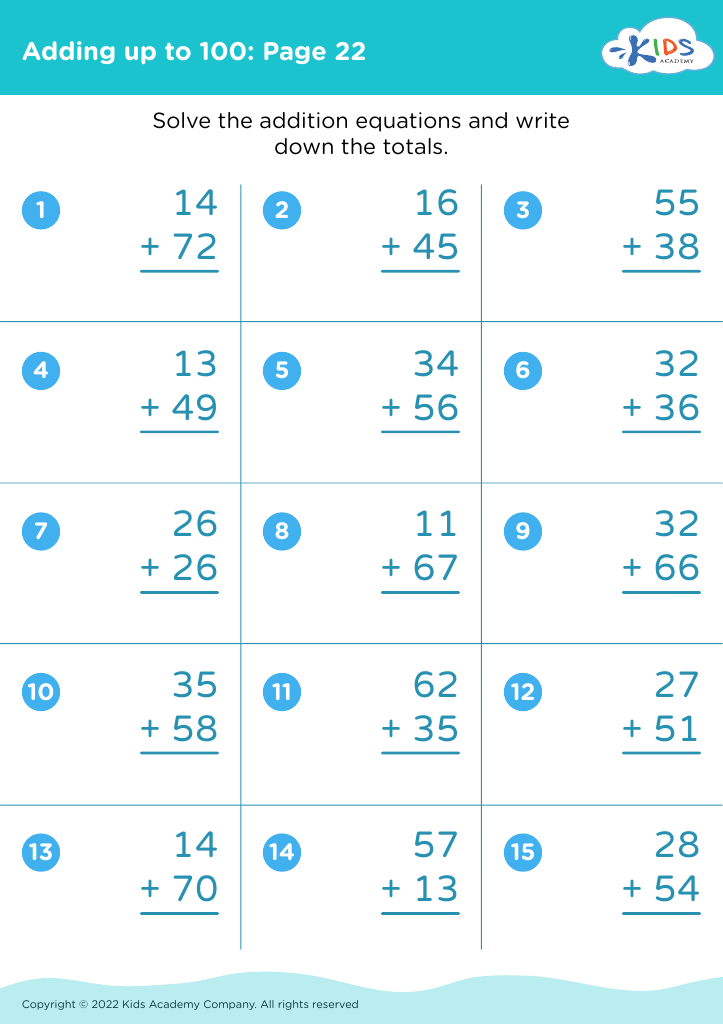
Adding up to 100: Page 22

Adding up to 100: Page 22

Adding up to 100: Page 22
Worksheet
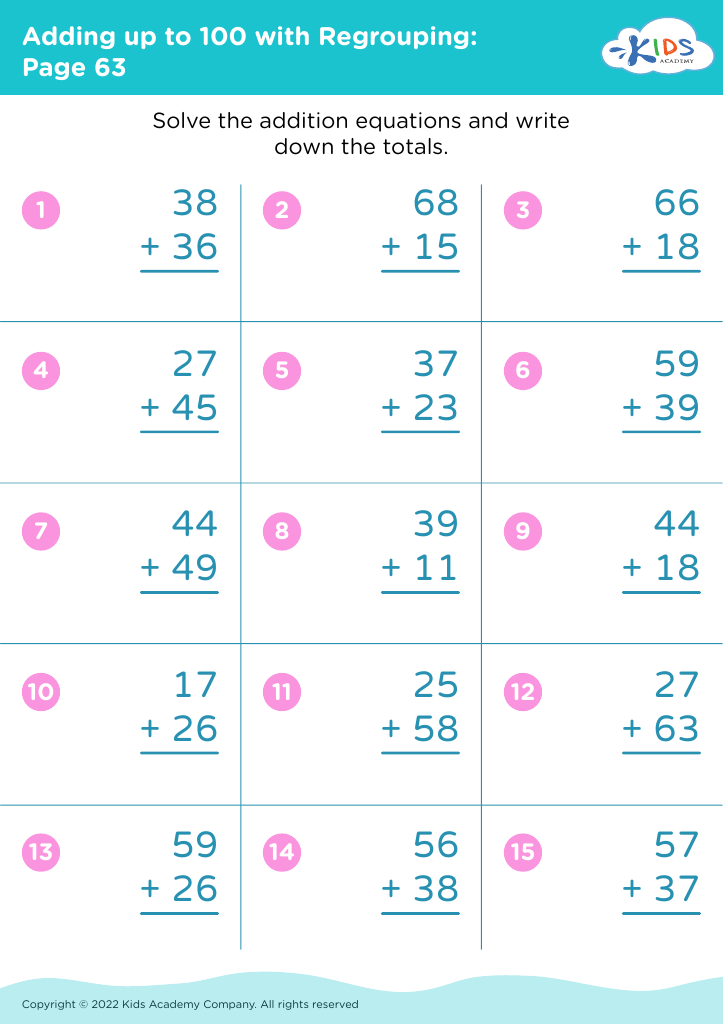
Adding up to 100 with Regrouping: Page 63
Worksheet
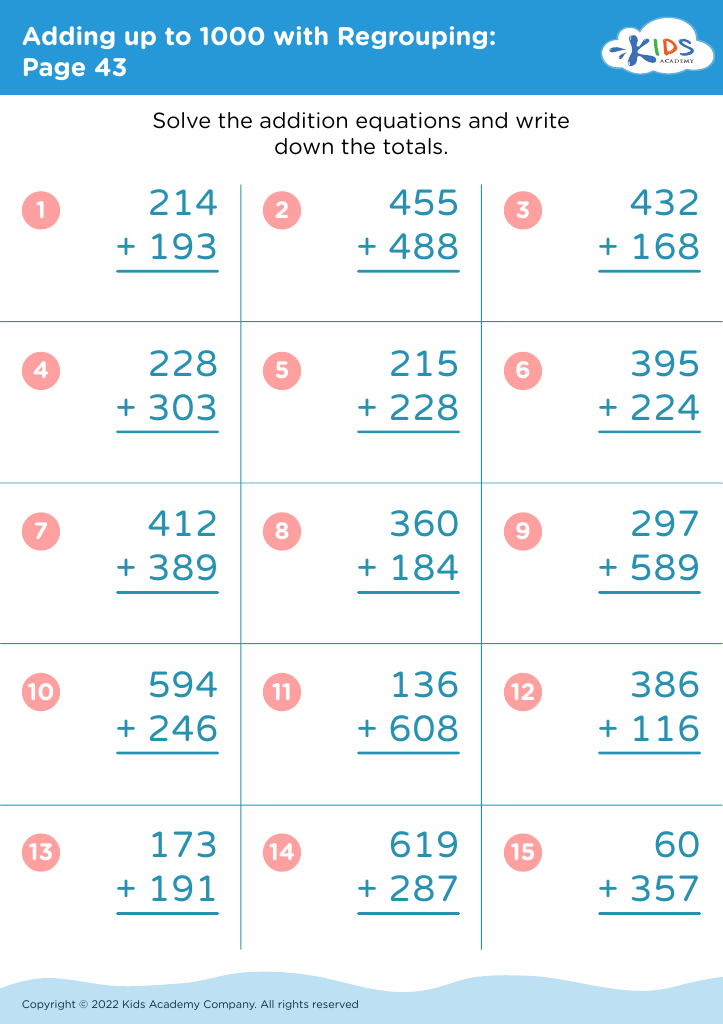
Adding up to 1000 with Regrouping: Page 43
Worksheet
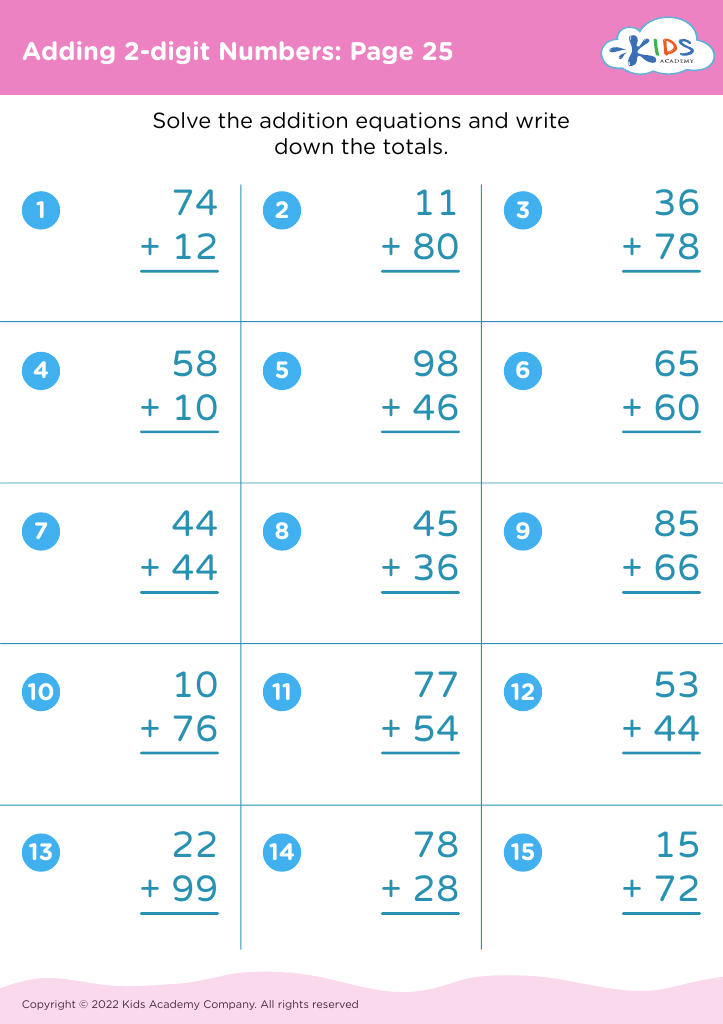
Adding 2-digit Numbers: Page 25

Adding 2-digit Numbers: Page 25

Adding 2-digit Numbers: Page 25
Worksheet
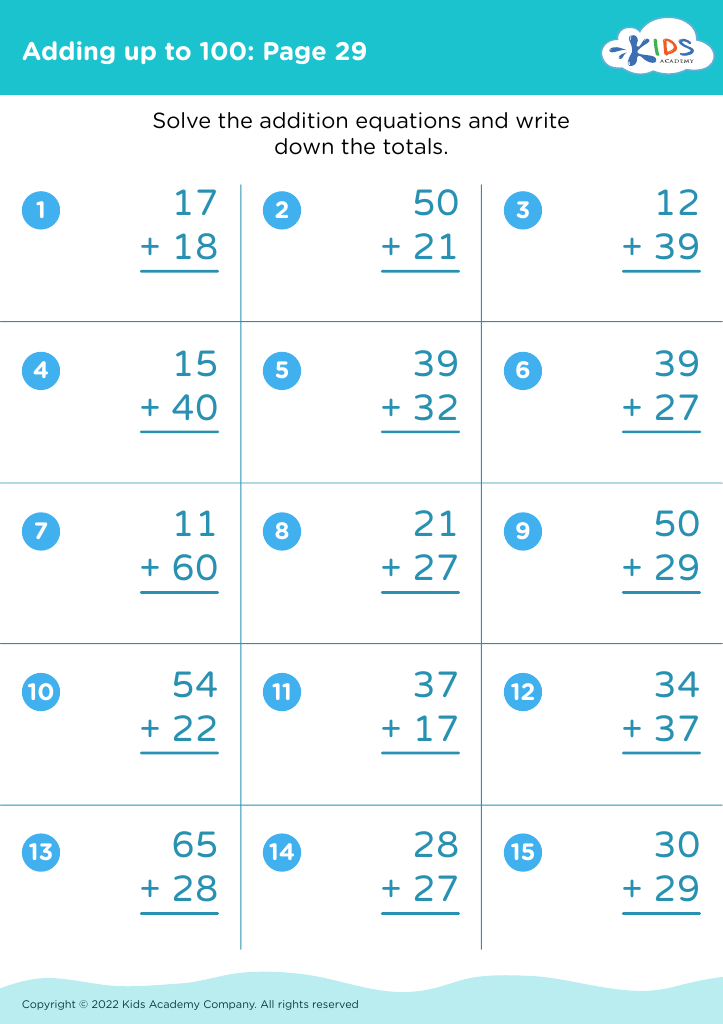
Adding up to 100: Page 29

Adding up to 100: Page 29

Adding up to 100: Page 29
Worksheet
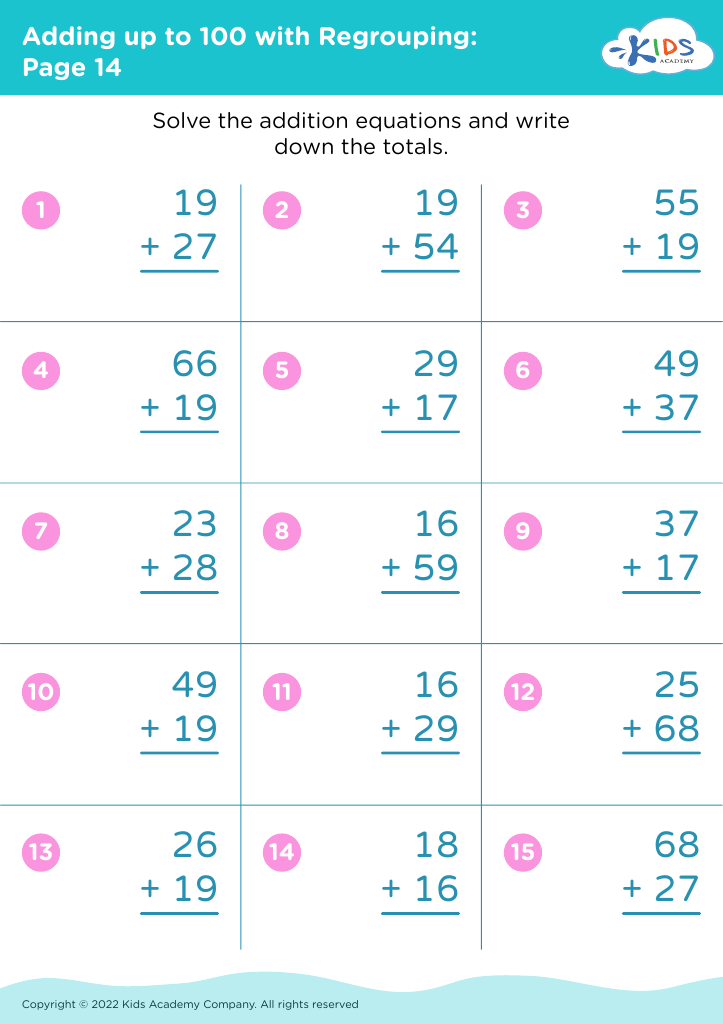
Adding up to 100 with Regrouping: Page 14
Worksheet
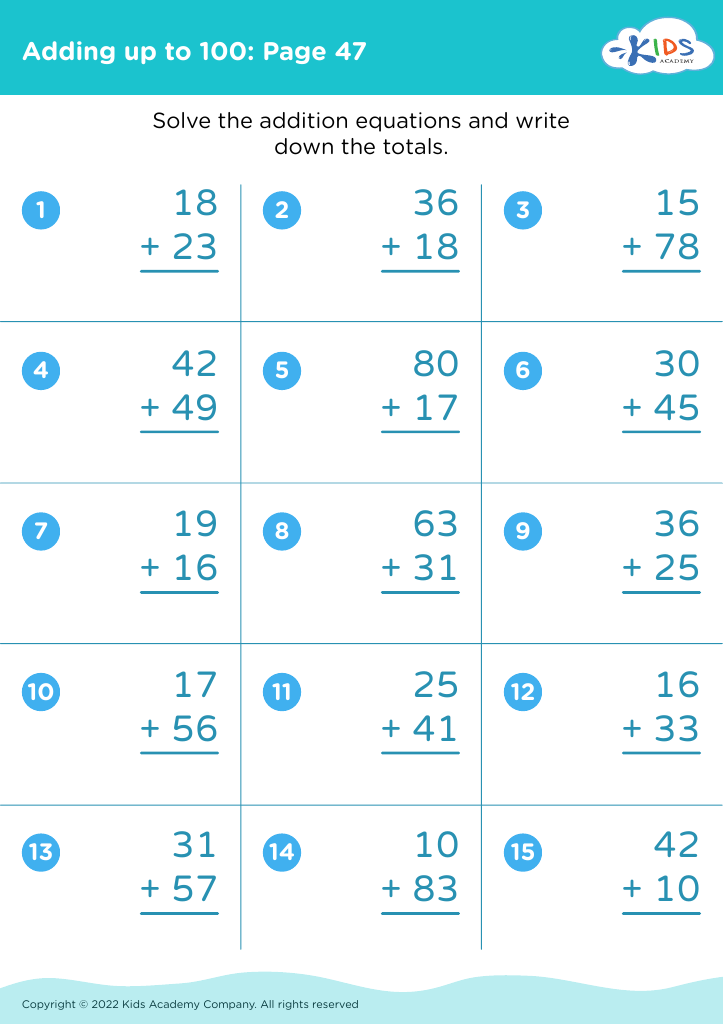
Adding up to 100: Page 47

Adding up to 100: Page 47

Adding up to 100: Page 47
Worksheet
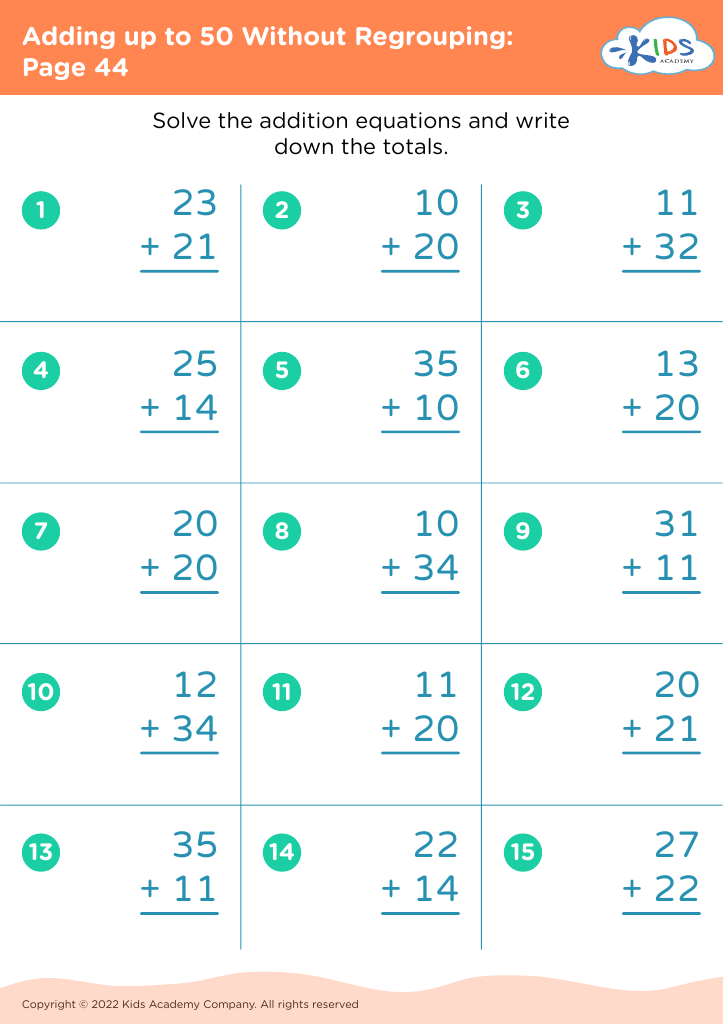
Adding up to 50 Without Regrouping: Page 44
Worksheet
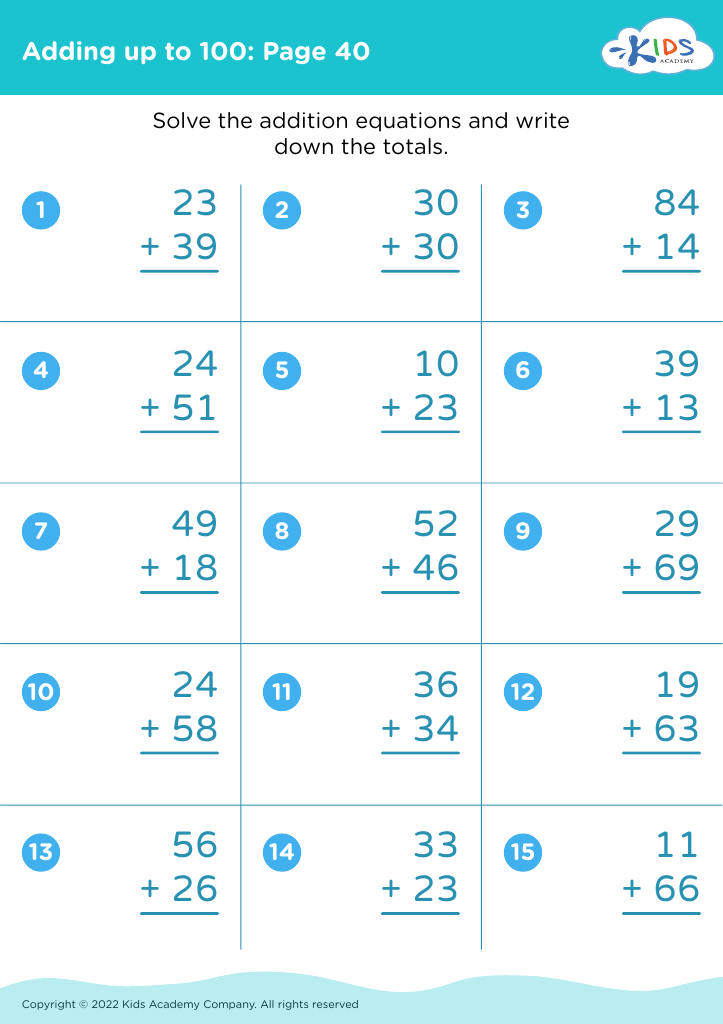
Adding up to 100: Page 40

Adding up to 100: Page 40

Adding up to 100: Page 40
Worksheet
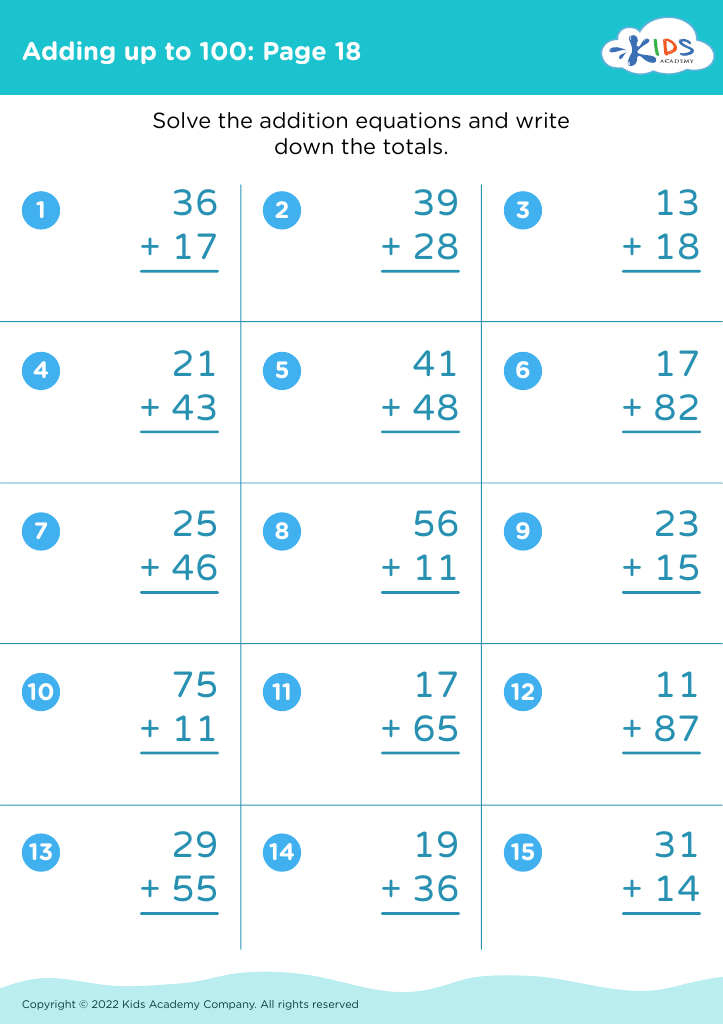
Adding up to 100: Page 18

Adding up to 100: Page 18

Adding up to 100: Page 18
Worksheet
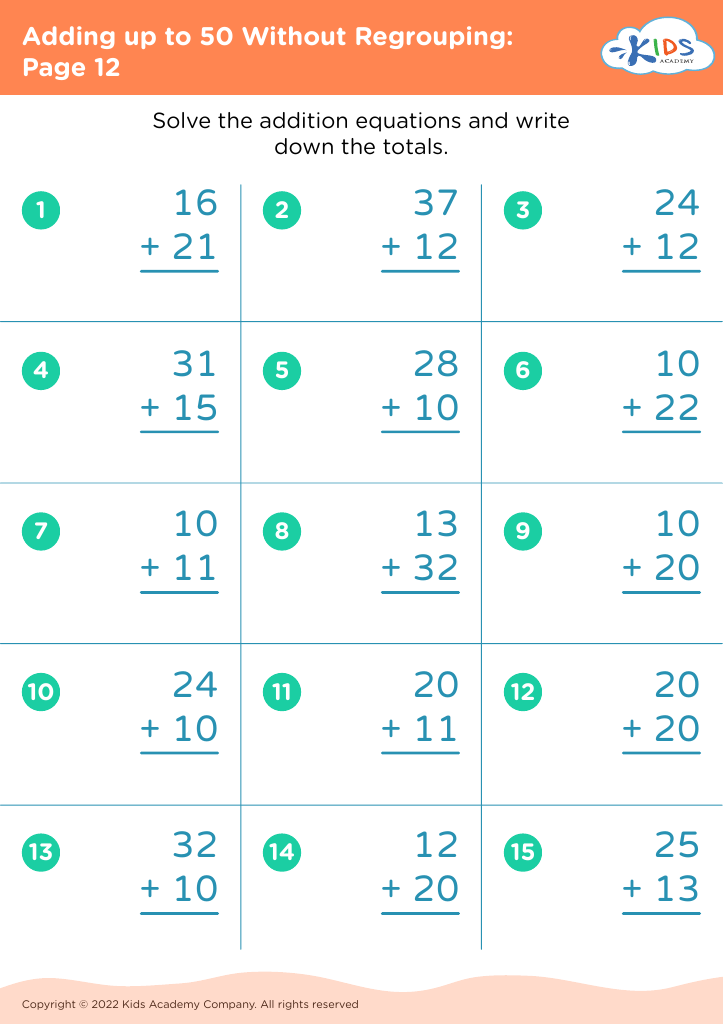
Adding up to 50 Without Regrouping: Page 12
Worksheet
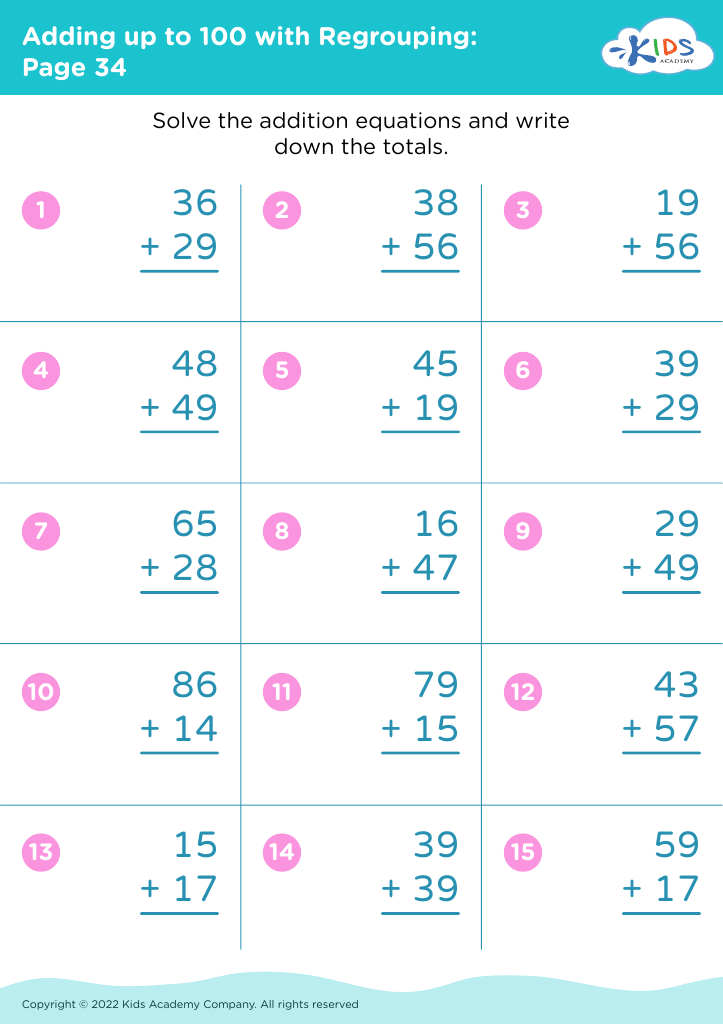
Adding up to 100 with Regrouping: Page 34
Worksheet
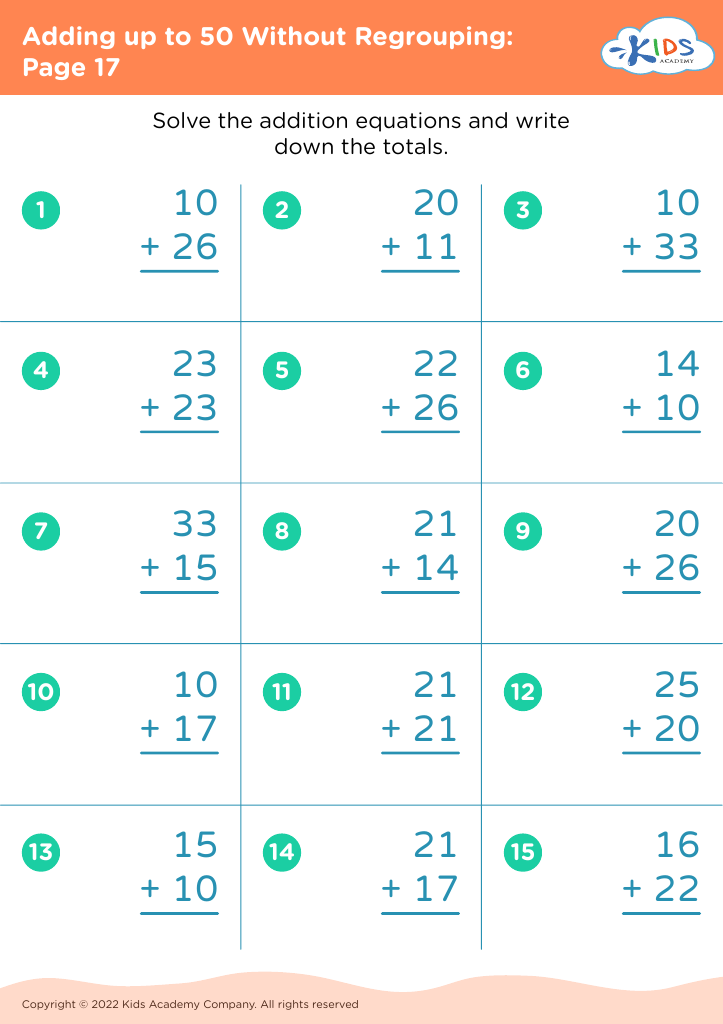
Adding up to 50 Without Regrouping: Page 17
Worksheet
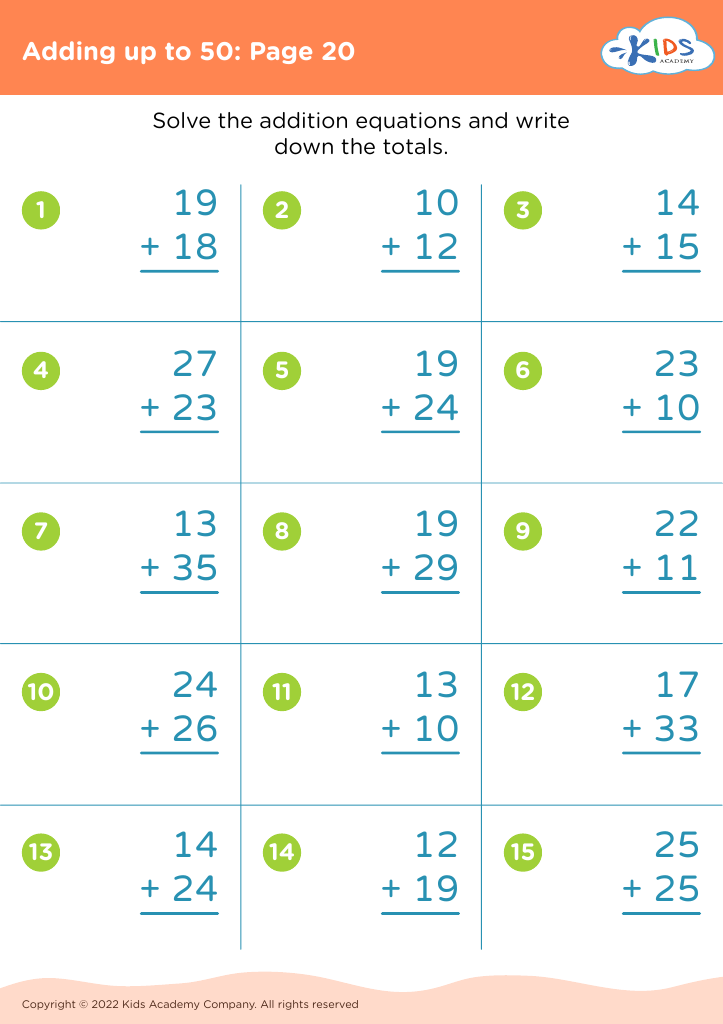
Adding up to 50: Page 20

Adding up to 50: Page 20

Adding up to 50: Page 20
Worksheet
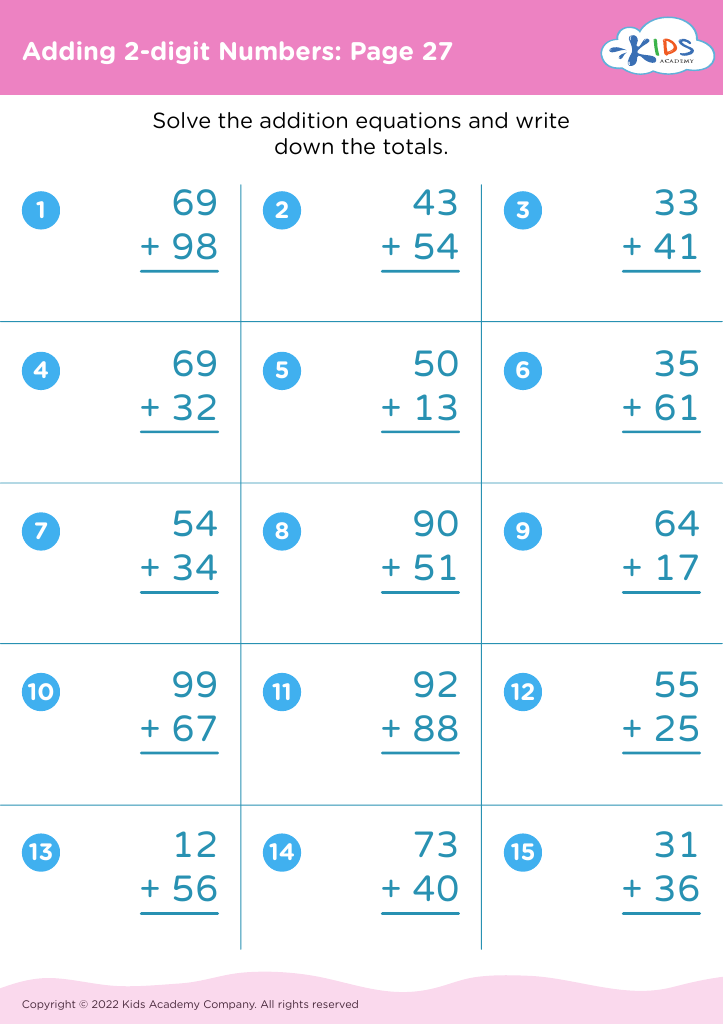
Adding 2-digit Numbers: Page 27

Adding 2-digit Numbers: Page 27

Adding 2-digit Numbers: Page 27
Worksheet


Enhancing number recognition, as well as addition and subtraction skills in 8-year-olds, is critical for their mathematical fluency and overall cognitive development. At this age, children solidify foundational math concepts that pave the way for advanced learning. Strong number recognition allows children to quickly identify and manipulate numbers, which is essential for performing mathematical operations with confidence and accuracy.

By focusing on addition and subtraction, parents and teachers can help students develop problem-solving skills and learn how to approach mathematical challenges. These foundational skills translate into greater academic success not only in math but in other subjects as well, as many areas of learning involve quantitative reasoning.

Moreover, early mastery of these concepts contributes to a positive attitude toward math, fostering a sense of achievement and reducing math anxiety. Activities such as games, real-life problem-solving, and collaborative tasks can make learning engaging and effective. Neuroplasticity, the brain's ability to form new connections, means that introducing these skills early on can have long-lasting impacts. Consequently, investing time in enhancing number recognition, addition, and subtraction skills enables children to build a solid mathematical foundation, preparing them for future challenges in both education and daily life.