
Enhancing creativity Addition & Subtraction Worksheets for 8-Year-Olds
4 filtered results
Difficulty Level
Grade
Age
-
From - To
Subject
Activity
Standards
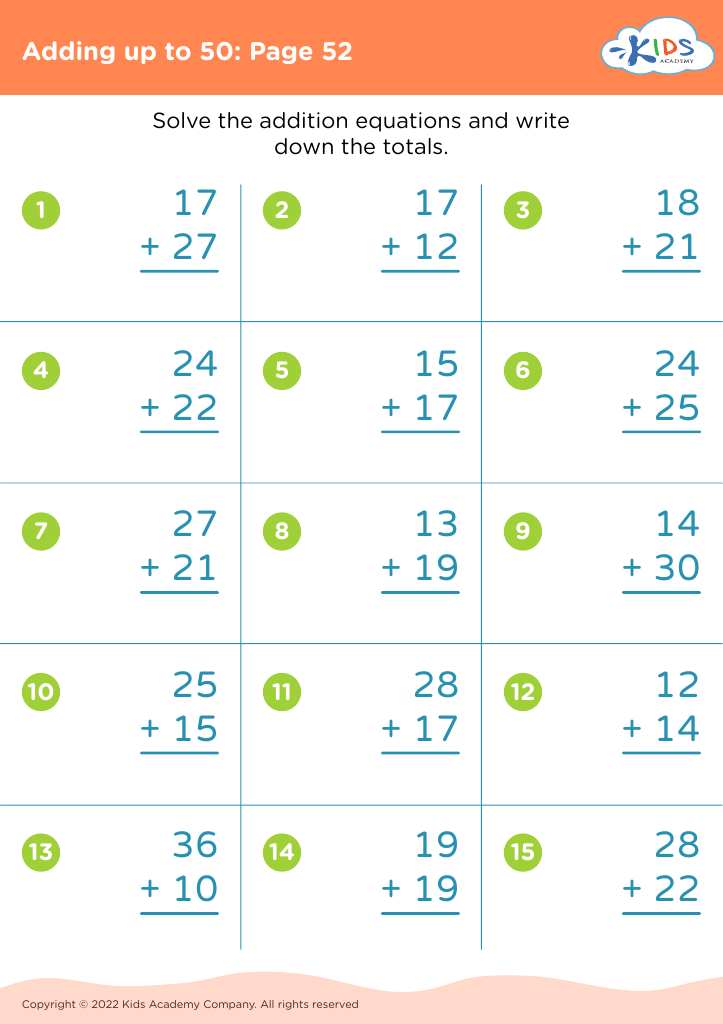
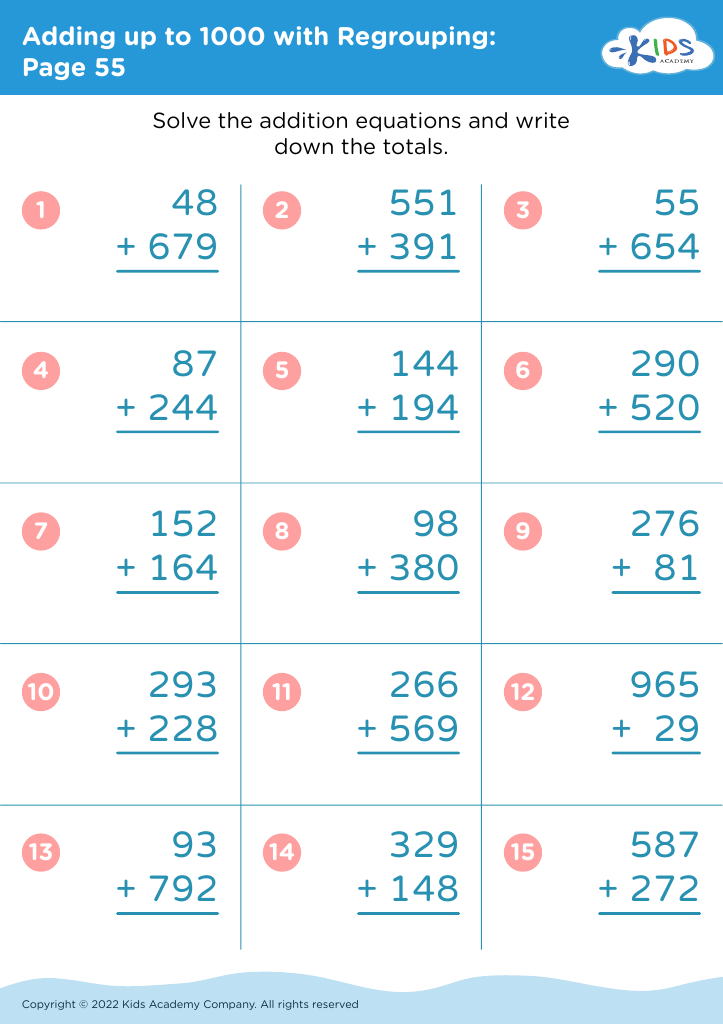
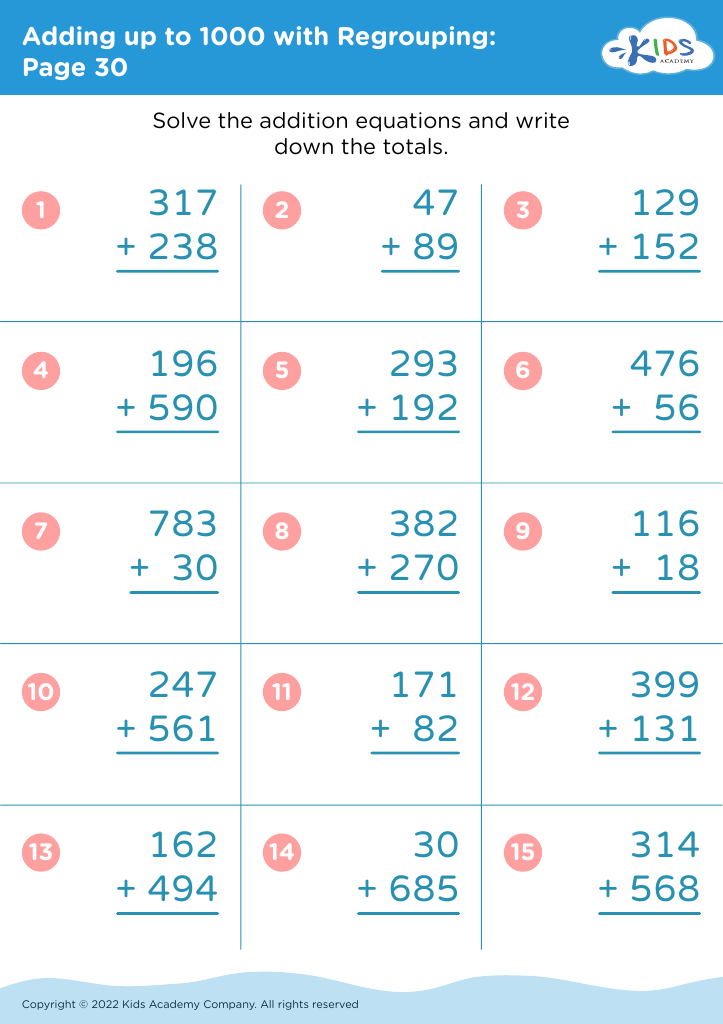
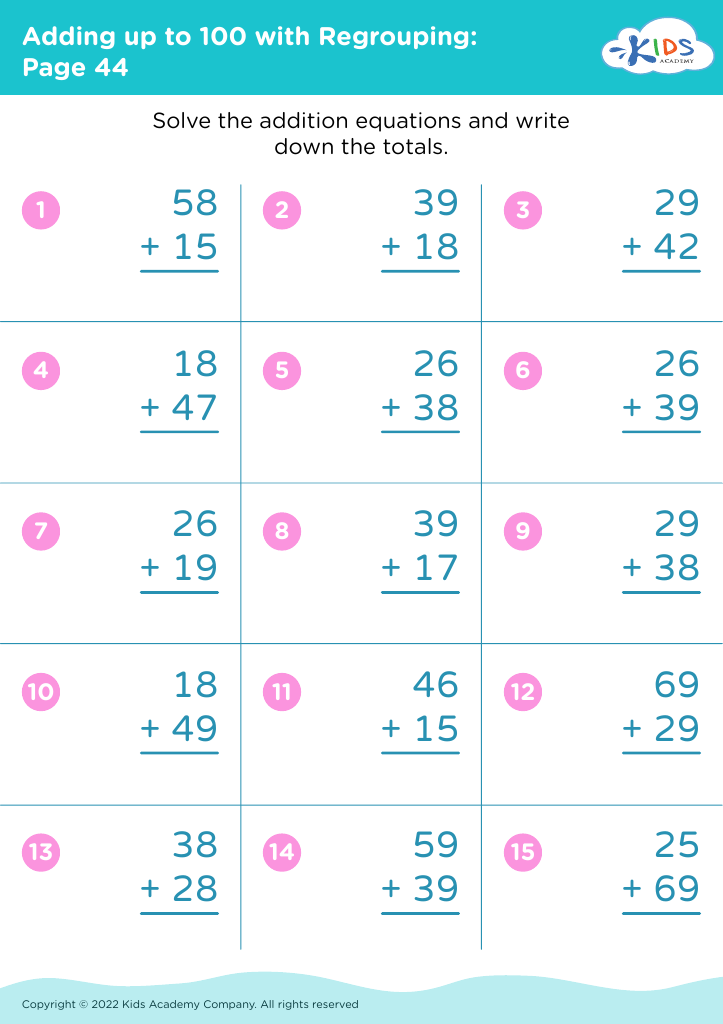
Explore our "Enhancing Creativity Addition & Subtraction Worksheets" designed specifically for 8-year-olds! These engaging worksheets blend creative thinking with essential math skills, making learning fun and interactive. By incorporating imaginative scenarios and unique challenges, children will not only strengthen their addition and subtraction abilities but also boost their creativity. Ideal for both classroom and home settings, these resources encourage kids to think outside the box while solving numerical problems. Dive into a world where math meets creativity and watch your child's confidence and skills flourish! Download now and spark a lifelong love for learning through engaging mathematical exploration.
Favorites
With answer key
Interactive
Join Kids Academy for Free
Who is primarily going to use this learning content?








Enhancing creativity in teaching addition and subtraction for 8-year-olds is essential for several reasons. At this developmental stage, children are not just learning foundational math skills; they are also cultivating critical thinking and problem-solving abilities. Creative approaches to math can make learning engaging and enjoyable, fostering a love for the subject. By integrating creativity into math instruction, parents and teachers can encourage students to think outside the box, explore multiple strategies, and find fun ways to apply math to everyday situations.
Moreover, enhanced creativity helps children overcome anxiety associated with math. When traditional methods can feel rigid or daunting, introducing creative elements such as games, storytelling, or visual arts can alleviate stress and make learning feel playful. This approach not only strengthens arithmetic skills but also boosts self-confidence.
When children encounter math creatively, they are more likely to retain concepts and develop a deeper understanding of how numbers work together. As they explore different strategies for solving problems, they also improve their reasoning skills, enabling them to tackle more complex math in future years. Ultimately, supporting creativity in math not only benefits academic success but also nurtures a well-rounded, inquisitive learner ready to face various challenges.








