Fraction simplification Addition & Subtraction Worksheets for 8-Year-Olds - Page 2

Check out this FREE Trial Lesson on Addition & Subtraction for age 8!

Sorting Objects into 3 Categories

Favorites
With answer key
Interactive
  • 8
  • Fraction simplification
  • Addition & Subtraction
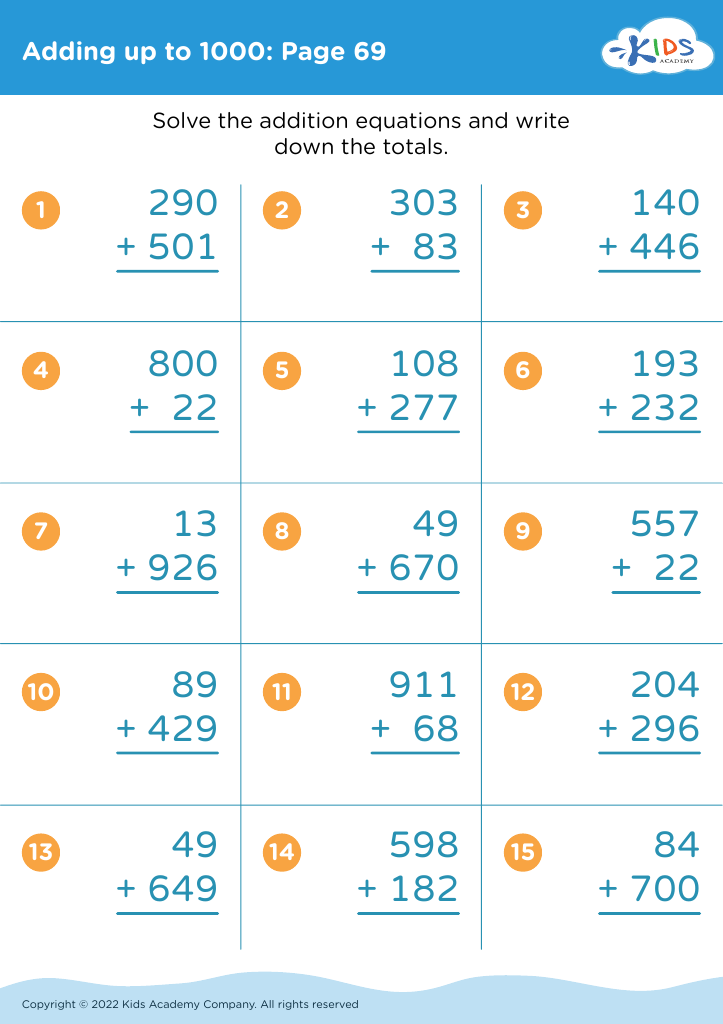
Adding up to 1000: Page 69

Adding up to 1000: Page 69

Adding up to 1000: Page 69
Worksheet
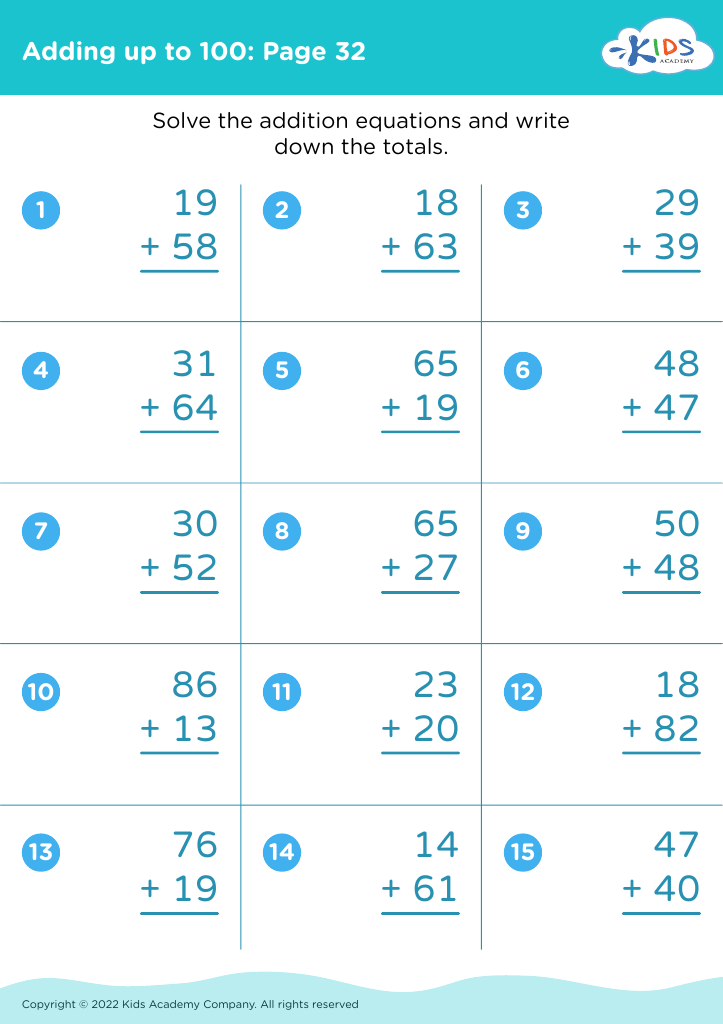
Adding up to 100: Page 32

Adding up to 100: Page 32

Adding up to 100: Page 32
Worksheet
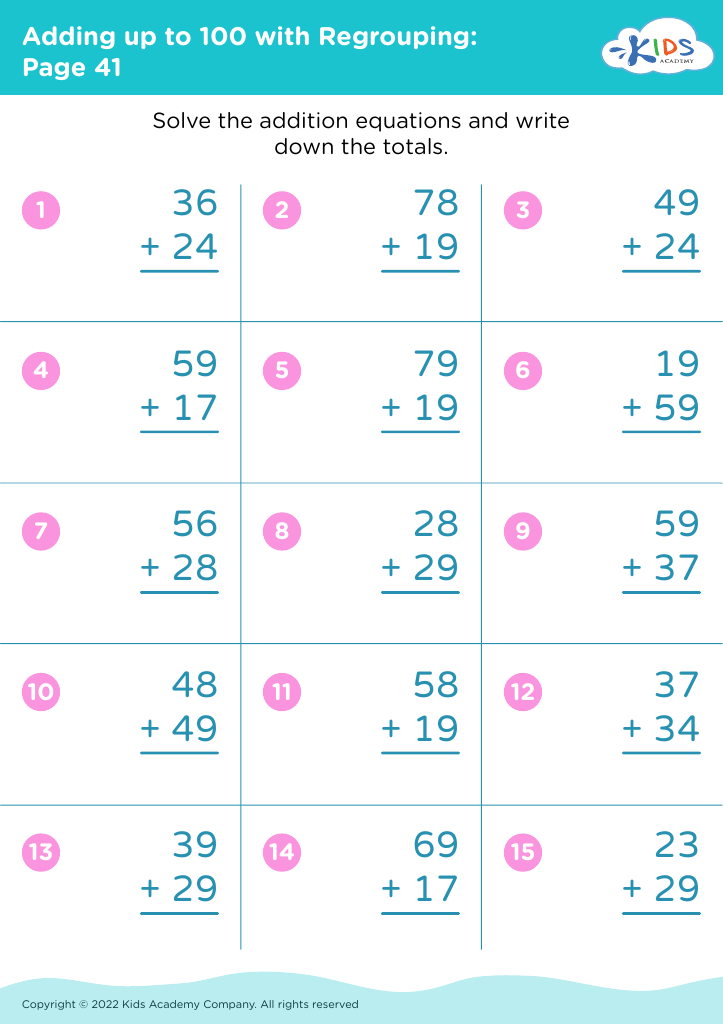
Adding up to 100 with Regrouping: Page 41
Worksheet
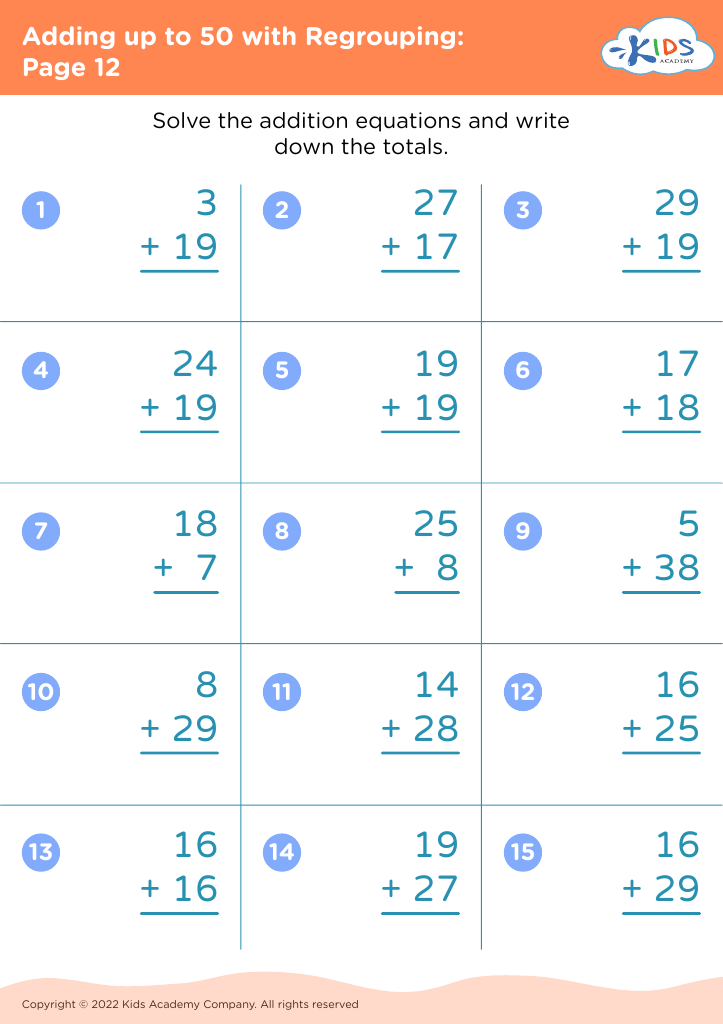
Adding up to 50 with Regrouping: Page 12
Worksheet
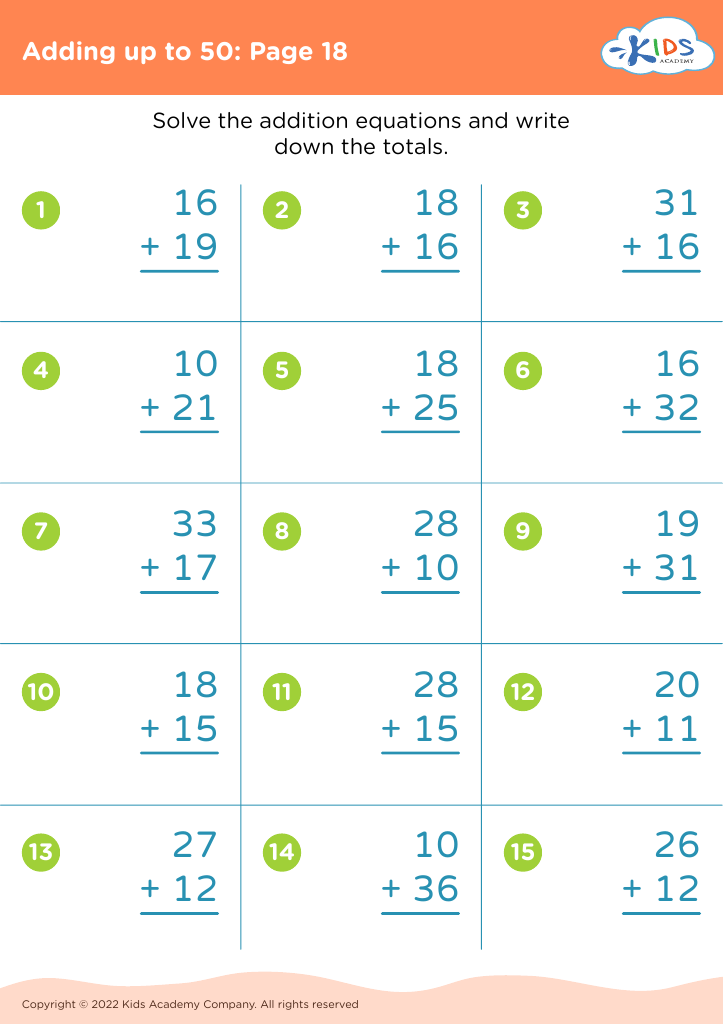
Adding up to 50: Page 18

Adding up to 50: Page 18

Adding up to 50: Page 18
Worksheet
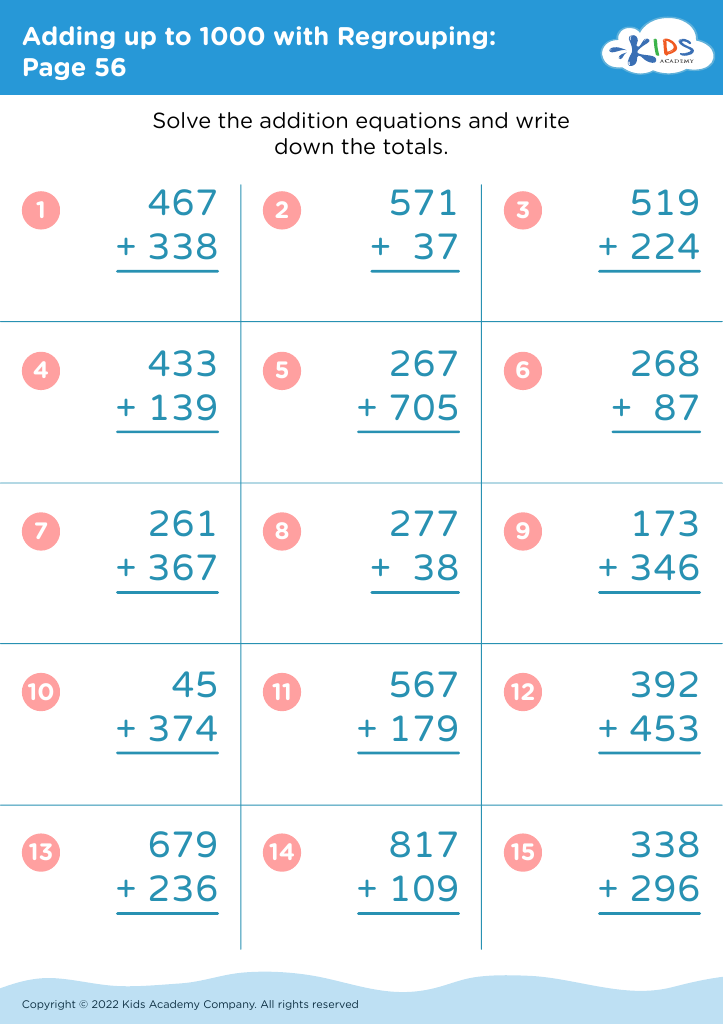
Adding up to 1000 with Regrouping: Page 56
Worksheet
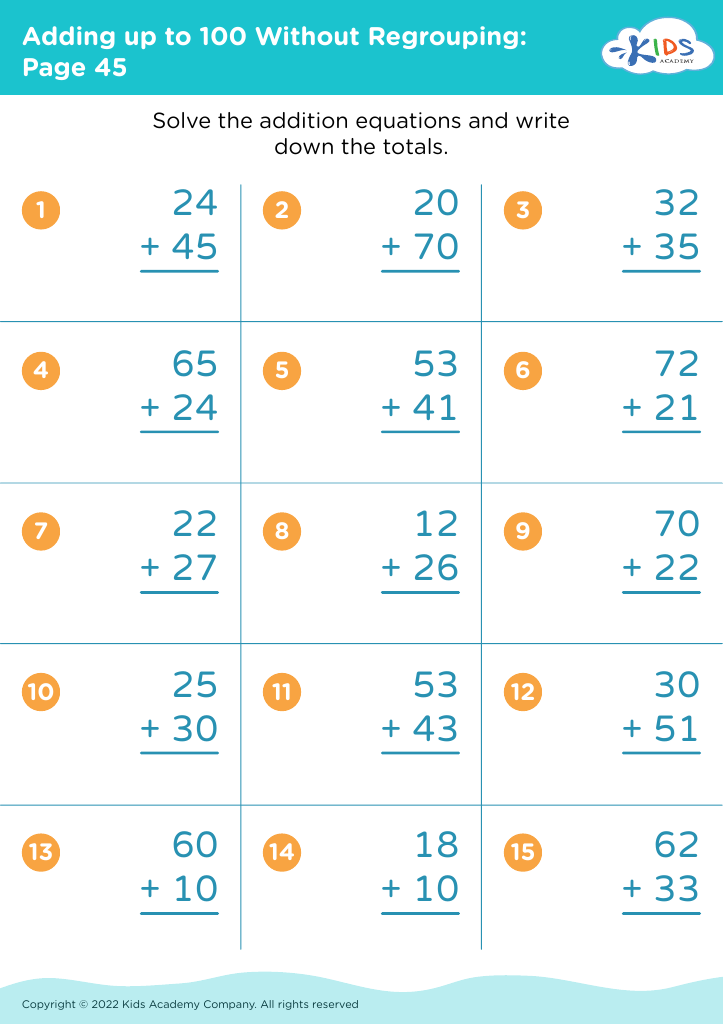
Adding up to 100 Without Regrouping: Page 45
Worksheet
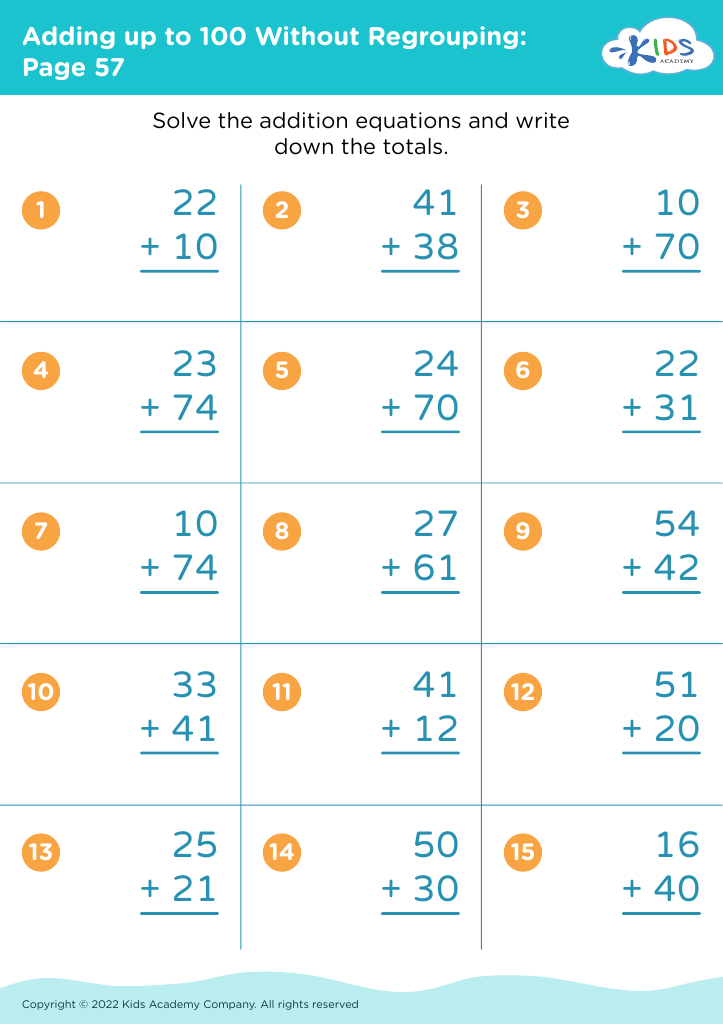
Adding up to 100 Without Regrouping: Page 57
Worksheet
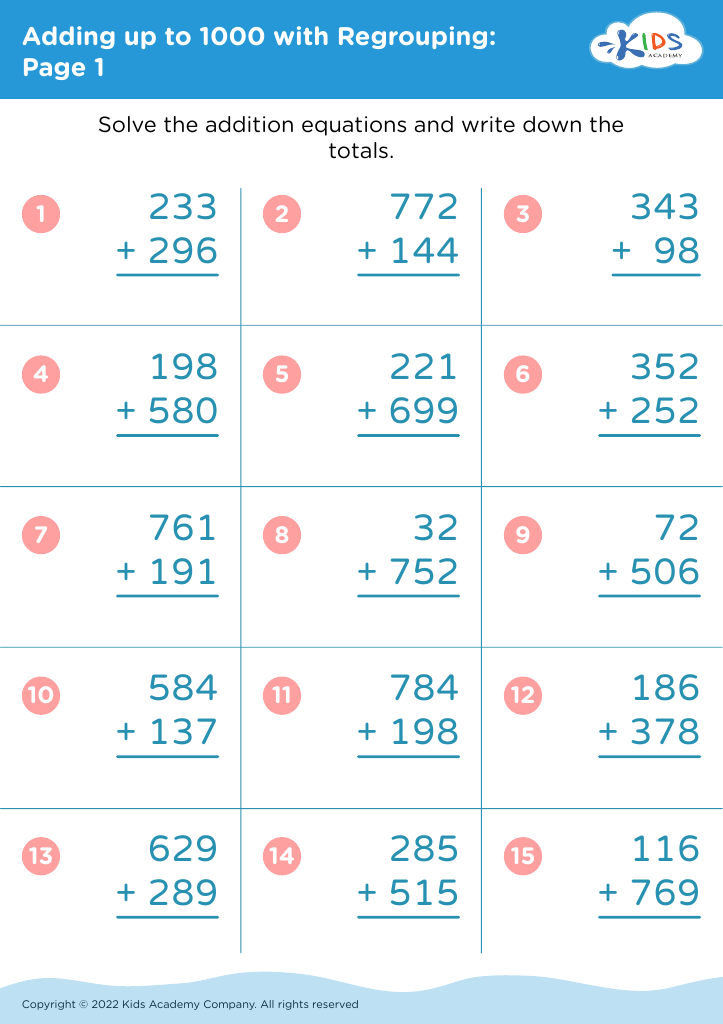
Adding up to 1000 with Regrouping: Page 1
Worksheet
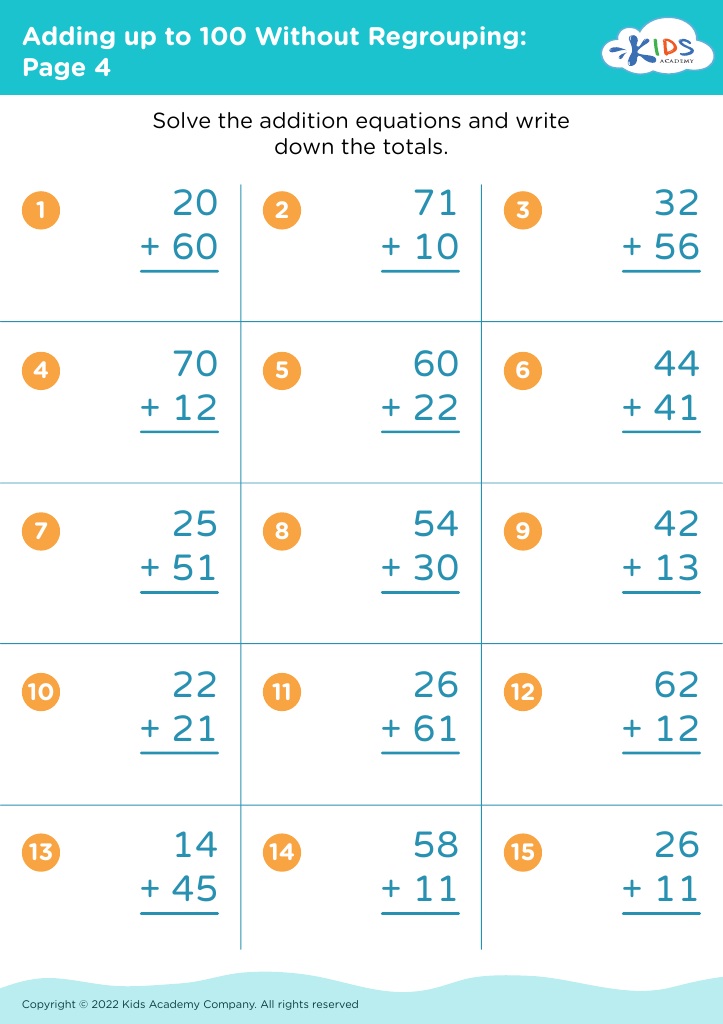
Adding up to 100 Without Regrouping: Page 4
Worksheet
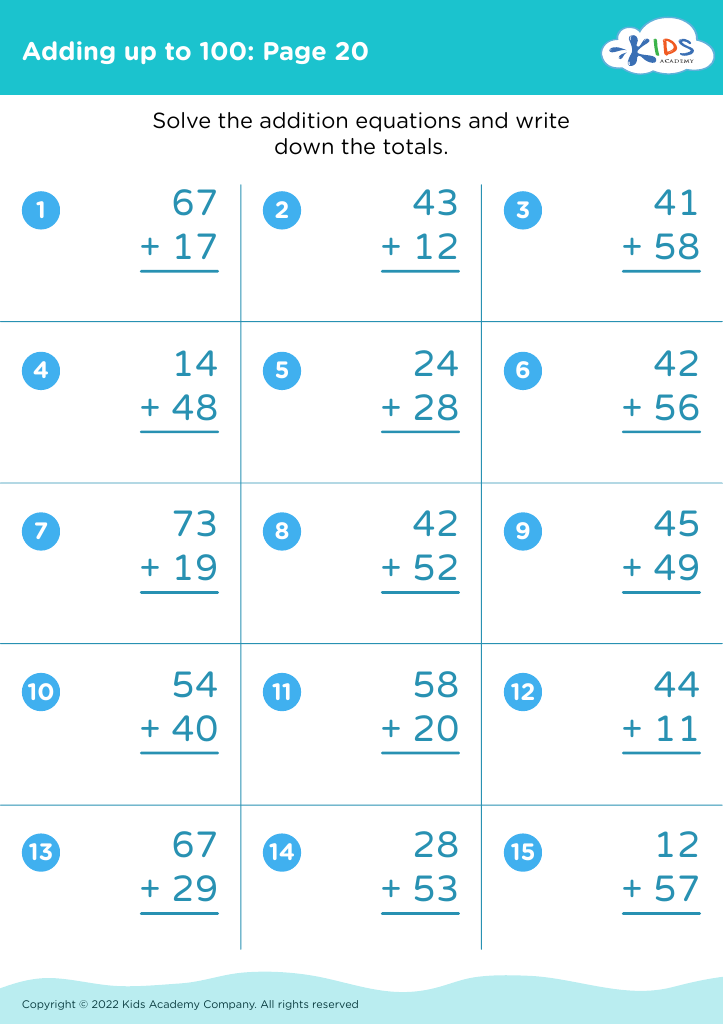
Adding up to 100: Page 20

Adding up to 100: Page 20

Adding up to 100: Page 20
Worksheet
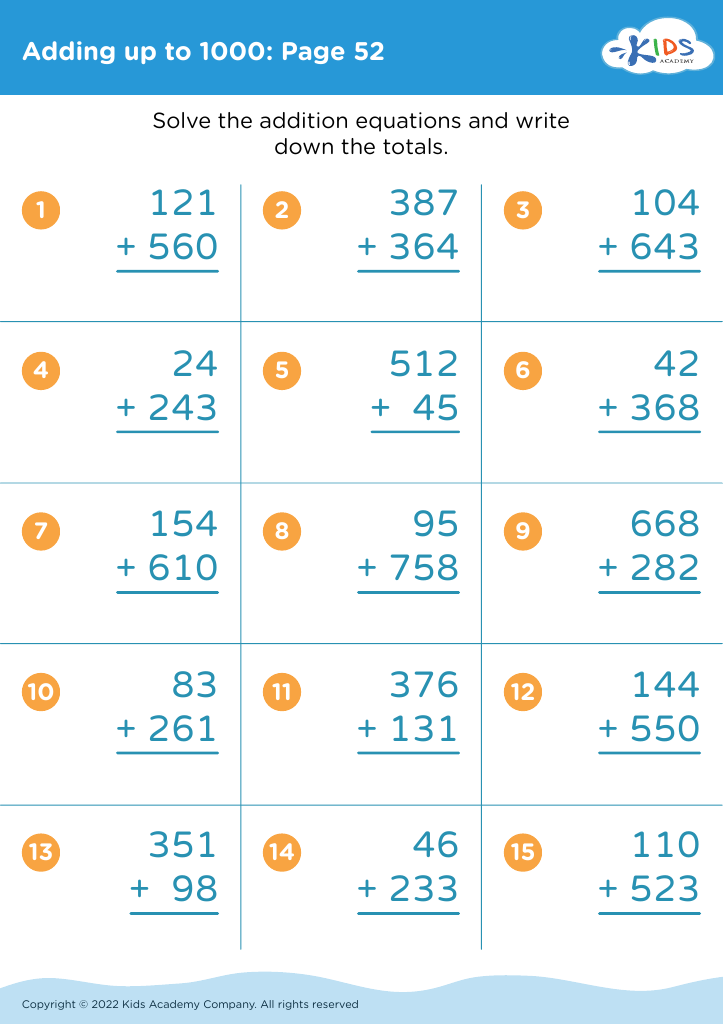
Adding up to 1000: Page 52

Adding up to 1000: Page 52

Adding up to 1000: Page 52
Worksheet
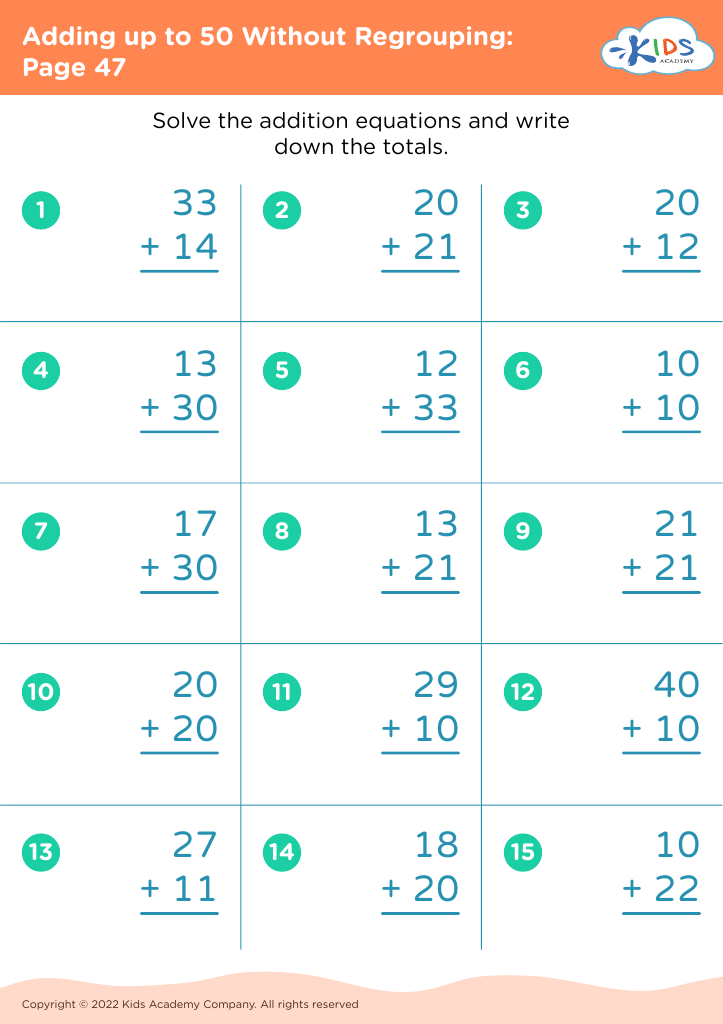
Adding up to 50 Without Regrouping: Page 47
Worksheet
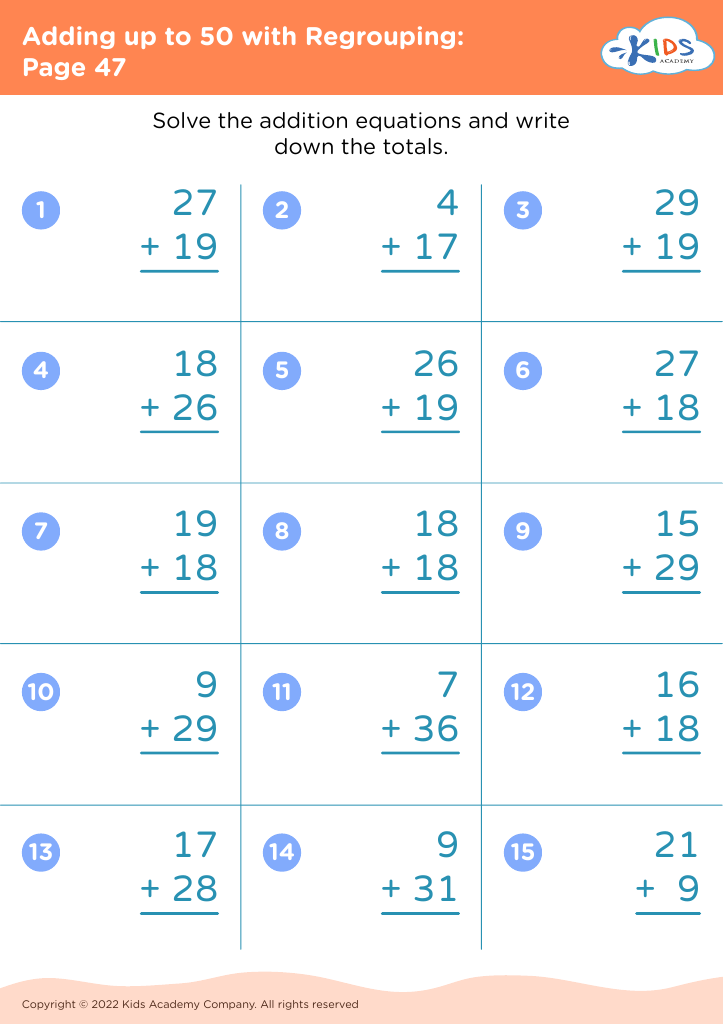
Adding up to 50 with Regrouping: Page 47
Worksheet
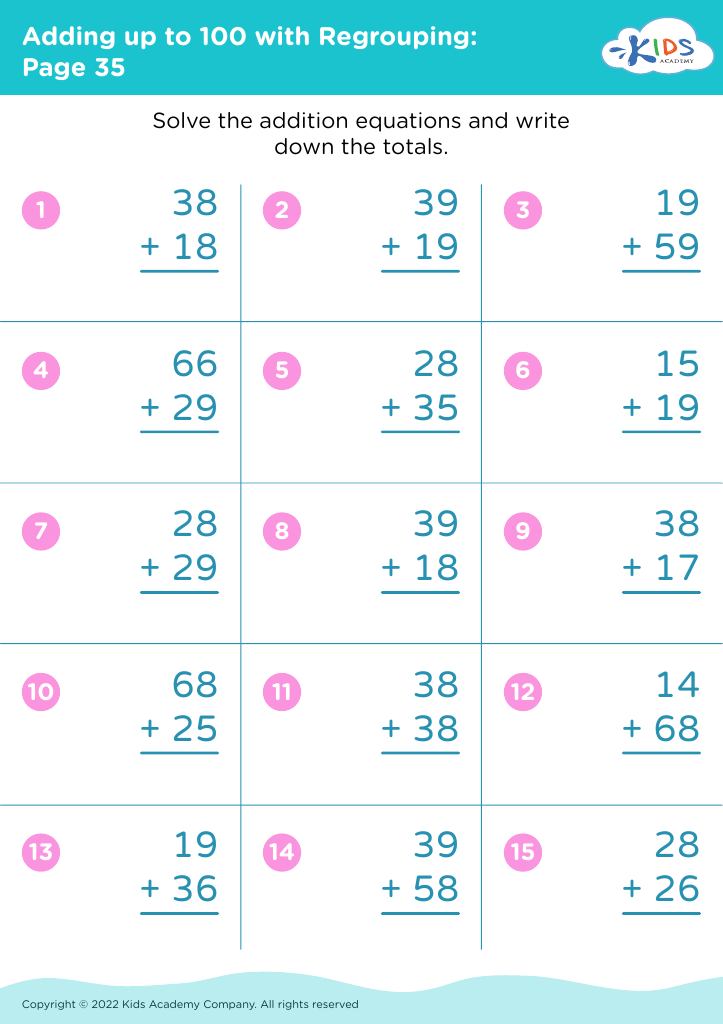
Adding up to 100 with Regrouping: Page 35
Worksheet
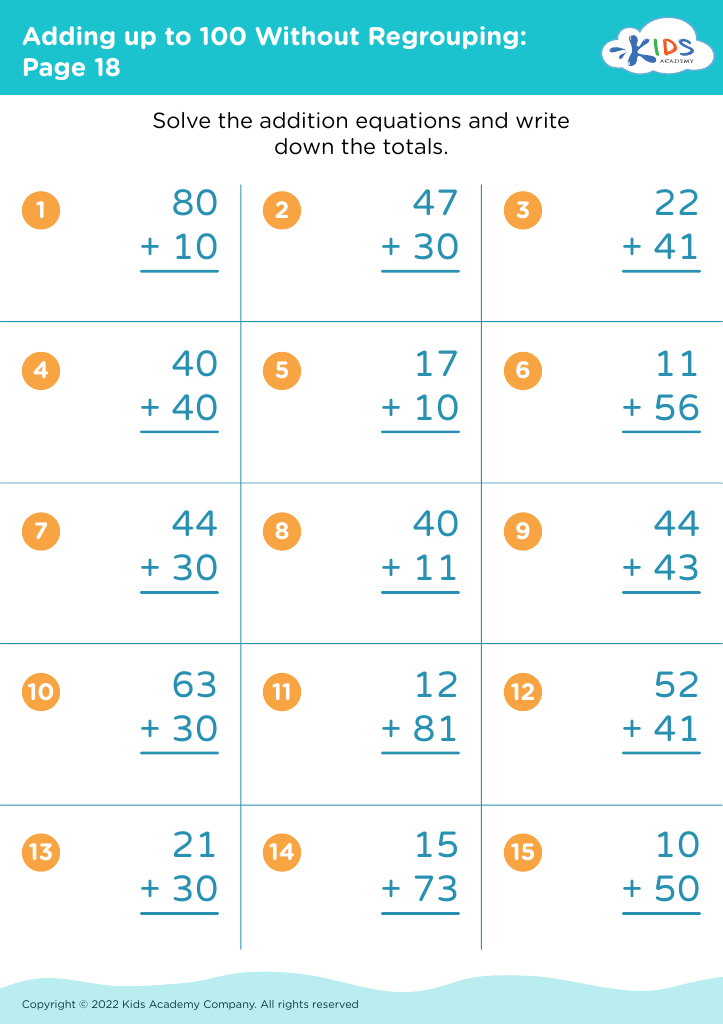
Adding up to 100 Without Regrouping: Page 18
Worksheet
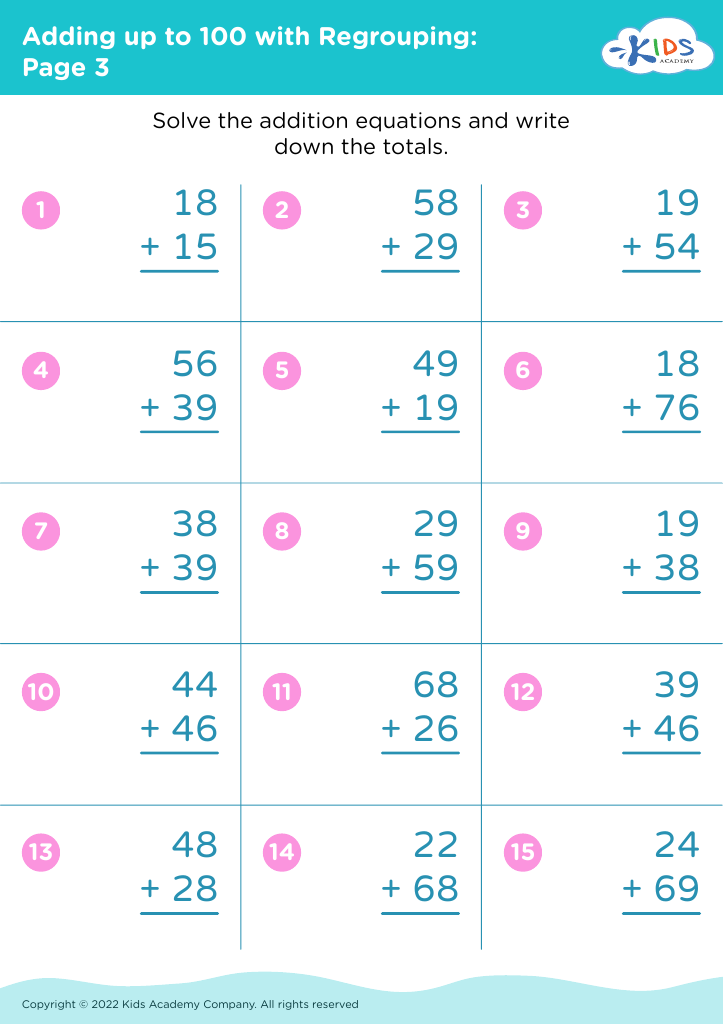
Adding up to 100 with Regrouping: Page 3
Worksheet
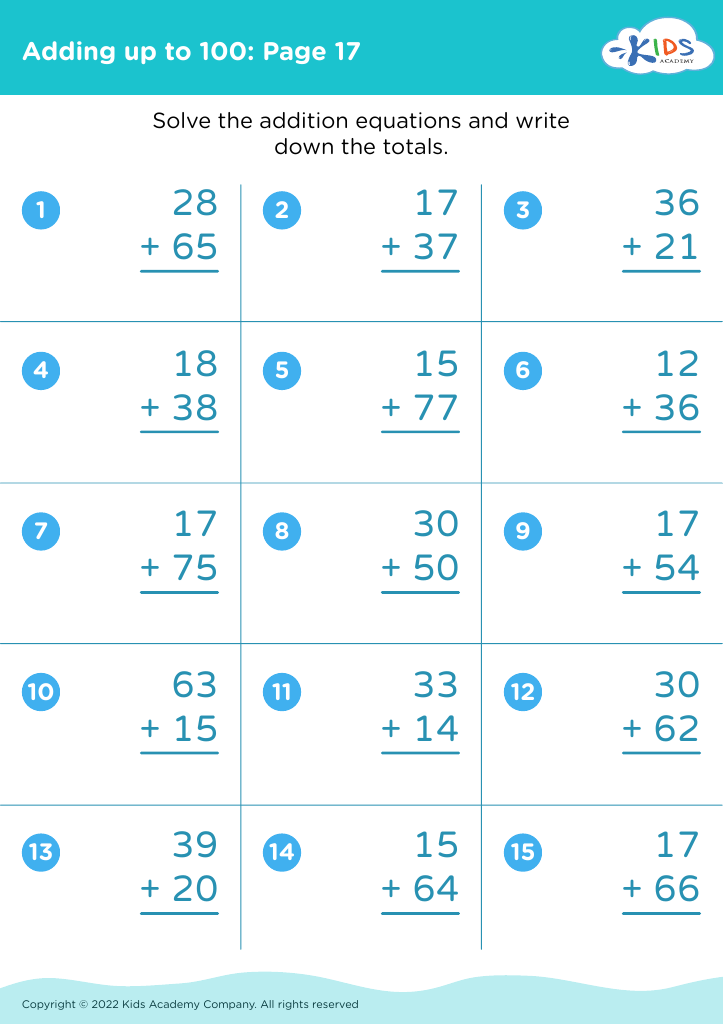
Adding up to 100: Page 17

Adding up to 100: Page 17

Adding up to 100: Page 17
Worksheet
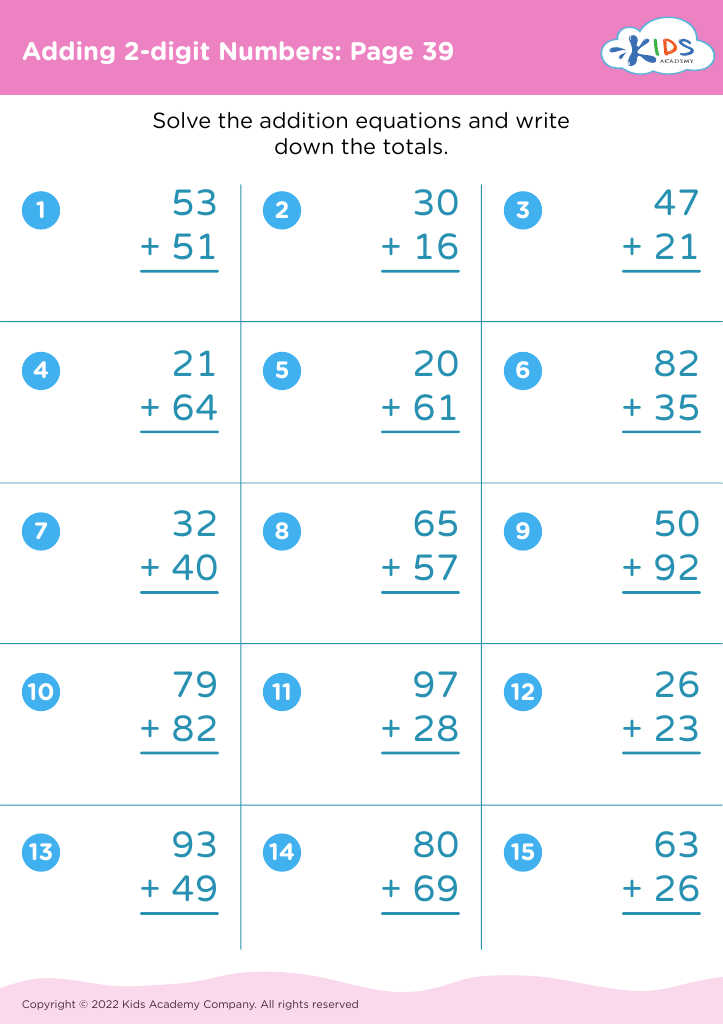
Adding 2-digit Numbers: Page 39

Adding 2-digit Numbers: Page 39

Adding 2-digit Numbers: Page 39
Worksheet
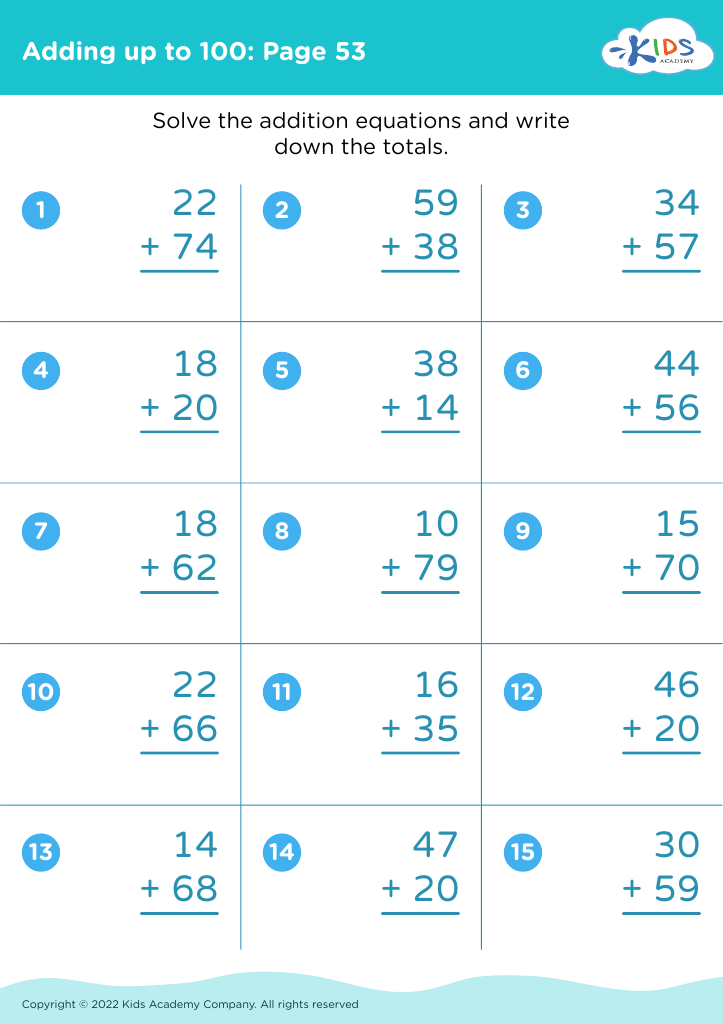
Adding up to 100: Page 53

Adding up to 100: Page 53

Adding up to 100: Page 53
Worksheet
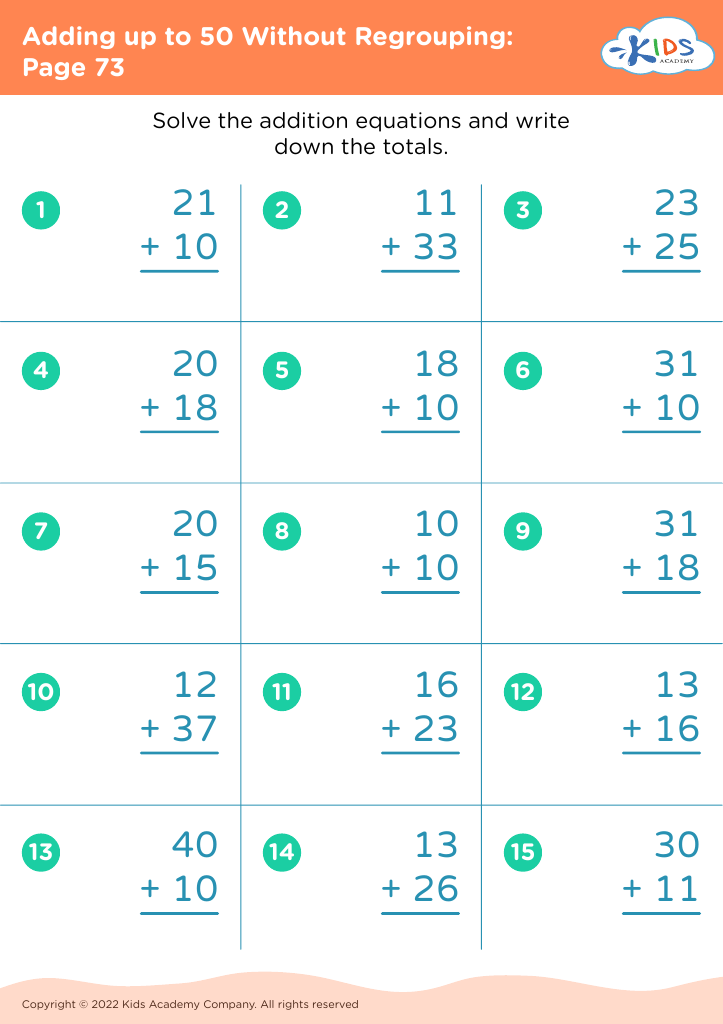
Adding up to 50 Without Regrouping: Page 73
Worksheet
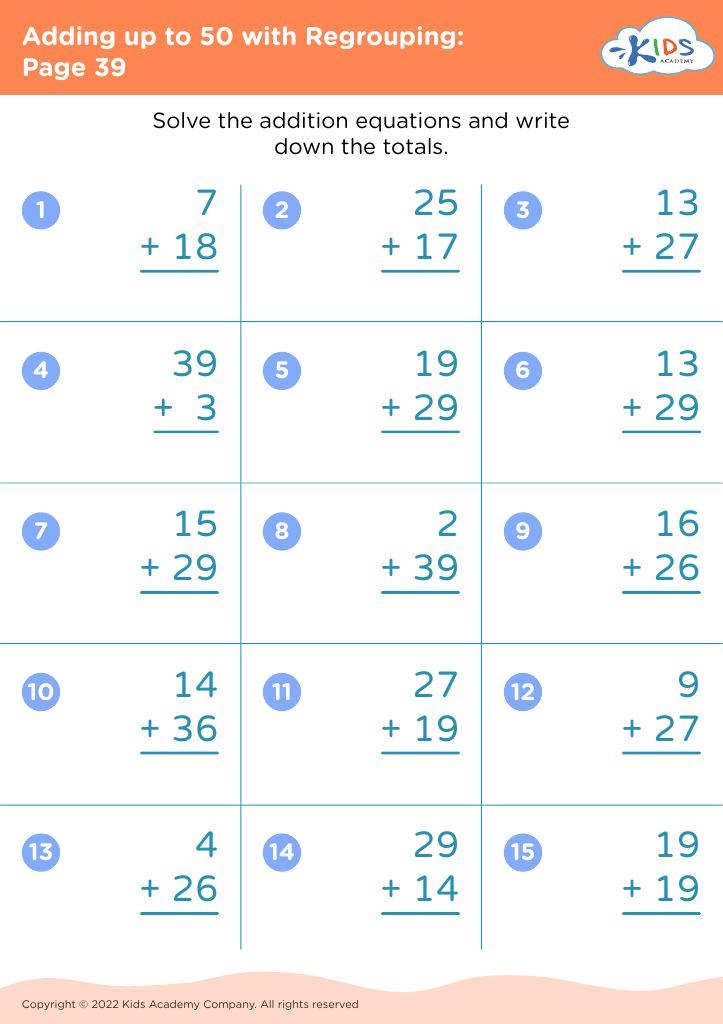
Adding up to 50 with Regrouping: Page 39
Worksheet
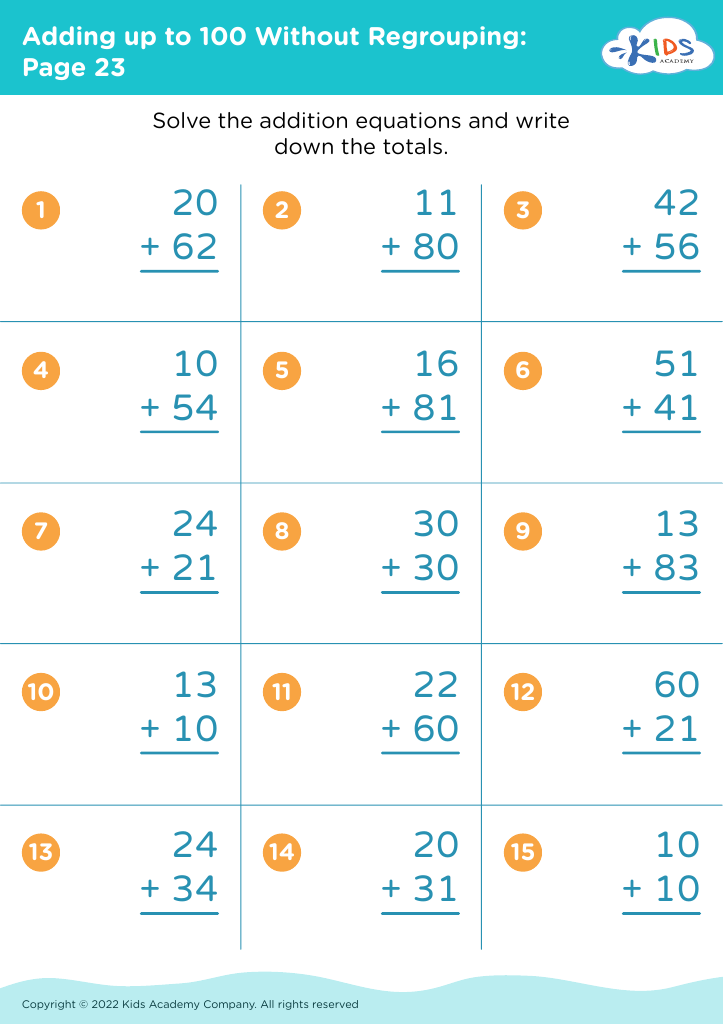
Adding up to 100 Without Regrouping: Page 23
Worksheet
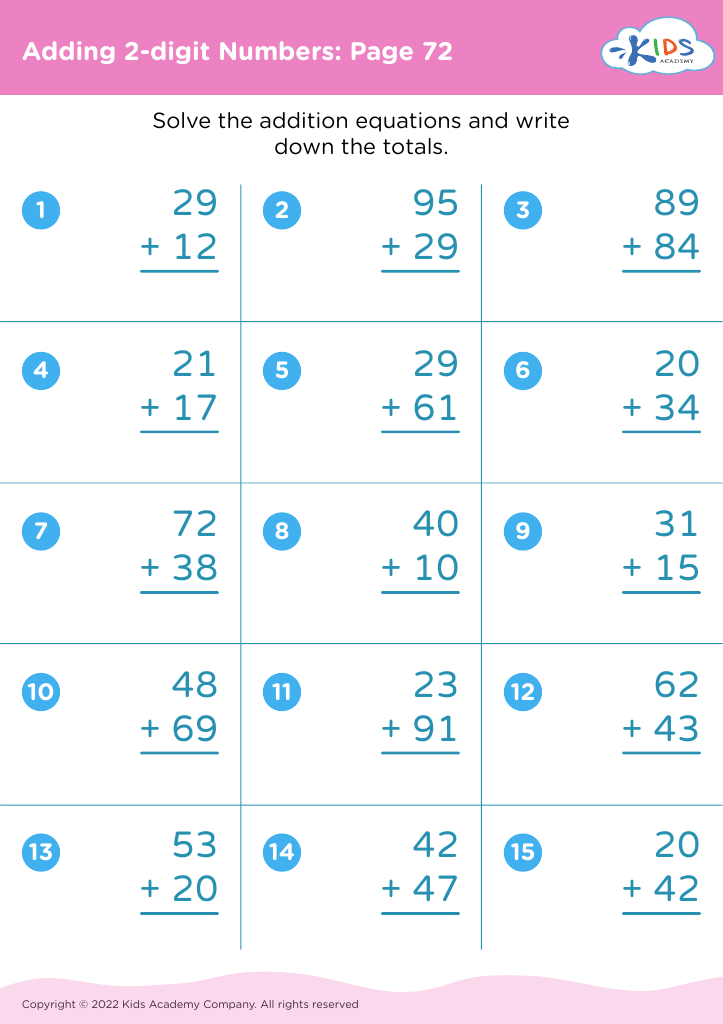
Adding 2-digit Numbers: Page 72

Adding 2-digit Numbers: Page 72

Adding 2-digit Numbers: Page 72
Worksheet


Understanding fraction simplification, addition, and subtraction is crucial for 8-year-olds as it lays the groundwork for their mathematical development. At this stage, children begin to explore more complex concepts in math, and fractions play a significant role in their learning journey. Mastering these skills fosters problem-solving abilities and enhances critical thinking.

For parents and teachers, caring about fraction simplification means recognizing the importance of clarity in mathematical concepts. When children learn to simplify fractions, they become adept at recognizing equivalent values and can approach more challenging problems with confidence. This understanding is vital for further mathematical concepts, such as mixed numbers, decimals, ratios, and percentages.

Moreover, when children grasp addition and subtraction involving fractions, they can relate math to real-life situations, such as cooking or sharing. This practical application makes learning engaging and meaningful, reinforcing their skills.

Finally, proficiency in fractions enhances a child's overall numerical literacy, preparing them for higher-level mathematics in the future. By nurturing these skills early on, parents and teachers can help cultivate a strong foundation for lifelong learning and inspire a positive attitude toward learning mathematics.