Identifying fractions Addition & Subtraction Worksheets for 8-Year-Olds
4 filtered results
-
From - To
Explore our engaging "Identifying Fractions Addition & Subtraction Worksheets" designed specifically for 8-year-olds! These interactive worksheets provide a fun and effective way for young learners to mastering the concept of fractions while practicing addition and subtraction. With a variety of beautifully illustrated exercises, children will learn to identify fractions, understand their values, and perform calculations with confidence. Each worksheet is tailored to enhance critical thinking and problem-solving skills, making math enjoyable and accessible. Foster a love for learning as your child practices independently or together. Start your fraction journey today and watch them grow in mathematical understanding!
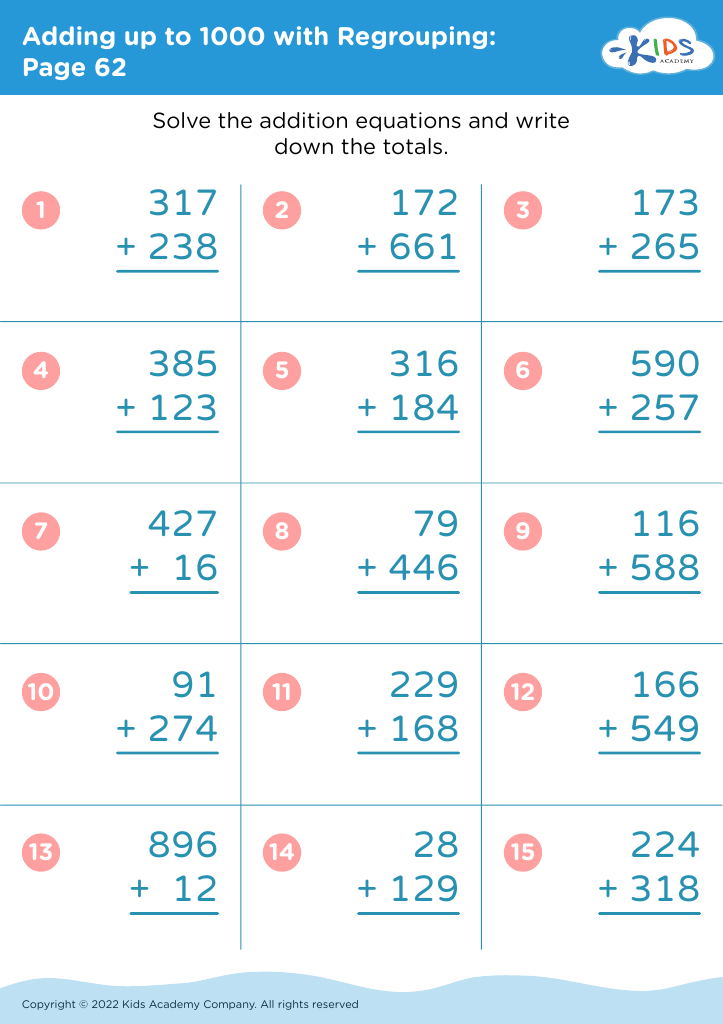
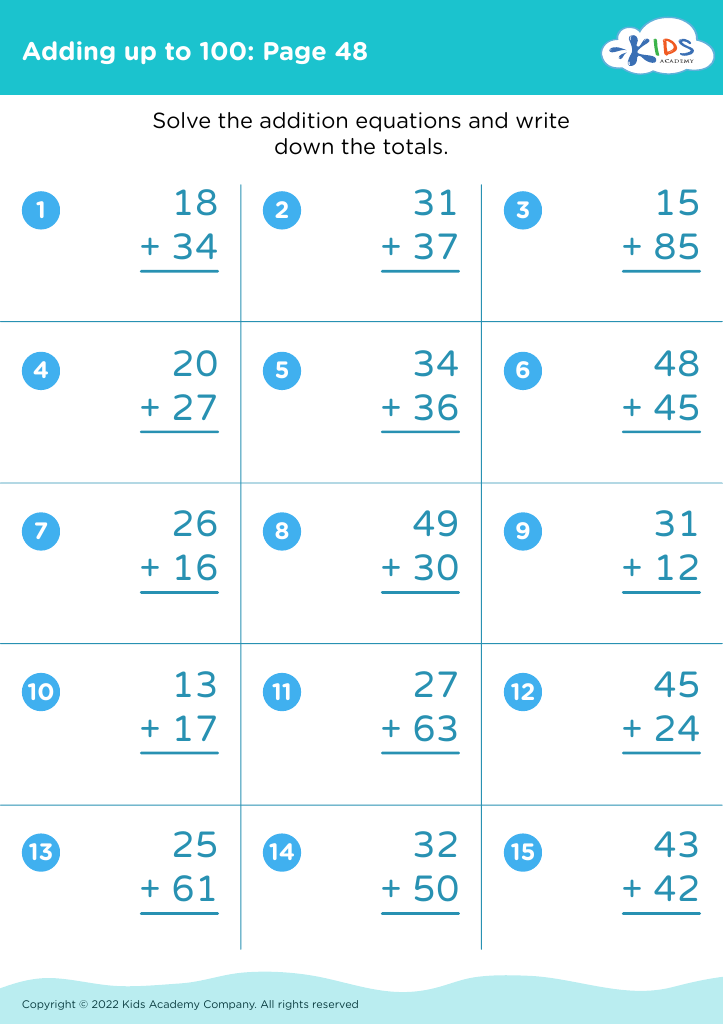
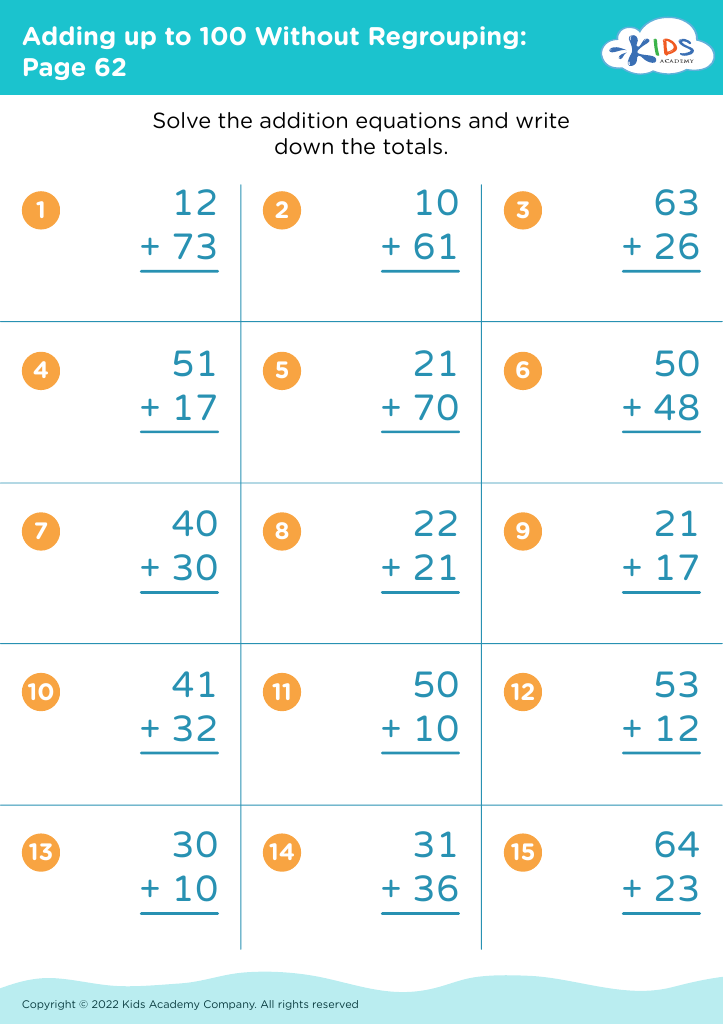
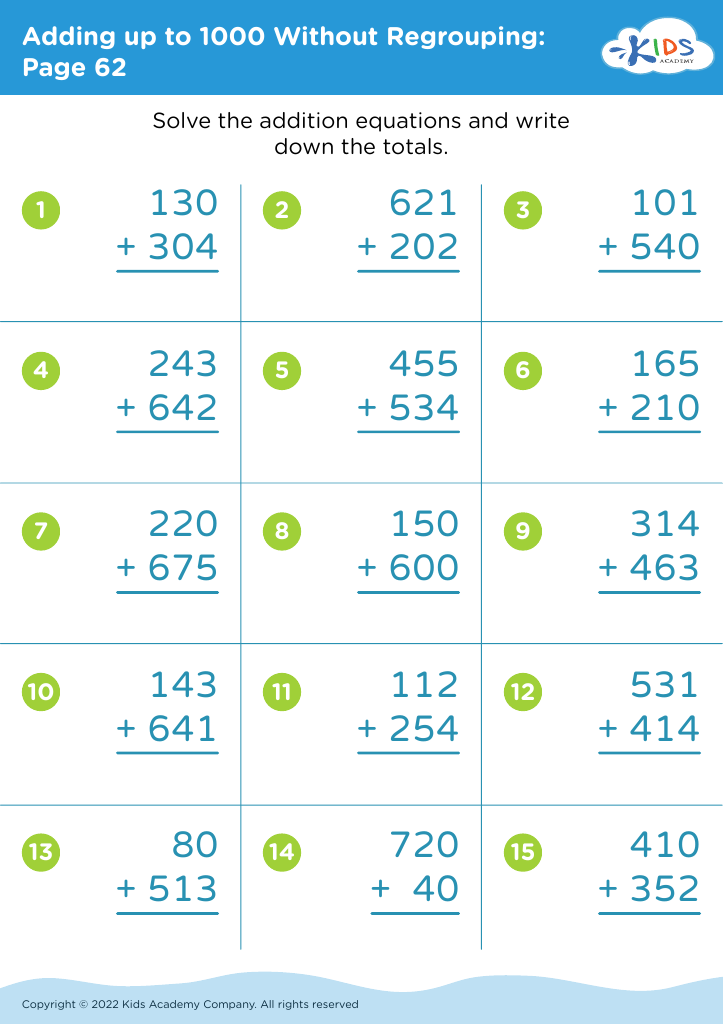








Identifying fractions, along with mastering addition and subtraction of fractions, is crucial for 8-year-olds as it lays a foundational skill necessary for their future math education and everyday problem-solving. At this age, children are developing abstract thinking and the ability to understand relationships and proportions. Familiarity with fractions introduces them to a key aspect of mathematics that they will encounter in various forms throughout their education.
Understanding how to add and subtract fractions helps children develop critical thinking skills. It allows them to analyze parts of a whole, grasp concepts like fairness and distribution, and recognize patterns. Furthermore, it prepares them for more complex topics, such as mixed numbers and ratio analysis, later in their mathematical journey.
From a practical perspective, fractions are everywhere in daily life, from cooking and budgeting to measuring and sharing. Teaching children how to work with fractions creates skills that enhance their confidence in handling real-world situations.
Parents and teachers should prioritize this skill because early mastery can significantly influence a child's attitude toward mathematics, fostering a positive mindset and increasing their likelihood of success in future academic pursuits. Engaging hands-on activities and real-life examples can make these concepts accessible and enjoyable for young learners.








