Discover our engaging Shape Recognition Addition & Subtraction Worksheets designed specifically for 8-year-olds! These worksheets combine essential math skills with fun shape recognition activities to enhance learning. Kids will explore basic addition and subtraction while identifying various shapes, making math an enjoyable experience. Each worksheet is crafted to reinforce critical thinking and problem-solving skills, enabling children to connect math concepts with visual learning. Perfect for homeschool or classroom use, these resources promote skill retention through interactive and colorful exercises. Download today and help your child become confident in math while discovering the fascinating world of shapes!
Check out this FREE Trial Lesson on Addition & Subtraction for age 8!

My Family

Favorites
With answer key
Interactive
  • 8
  • Shape Recognition
  • Addition & Subtraction
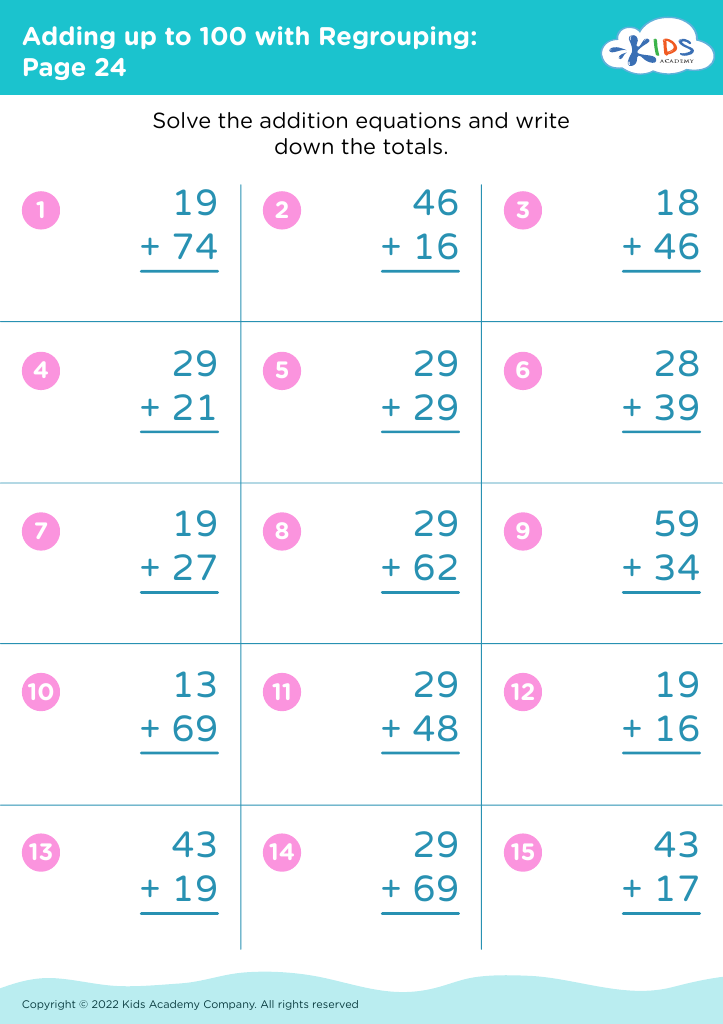
Adding up to 100 with Regrouping: Page 24
Worksheet
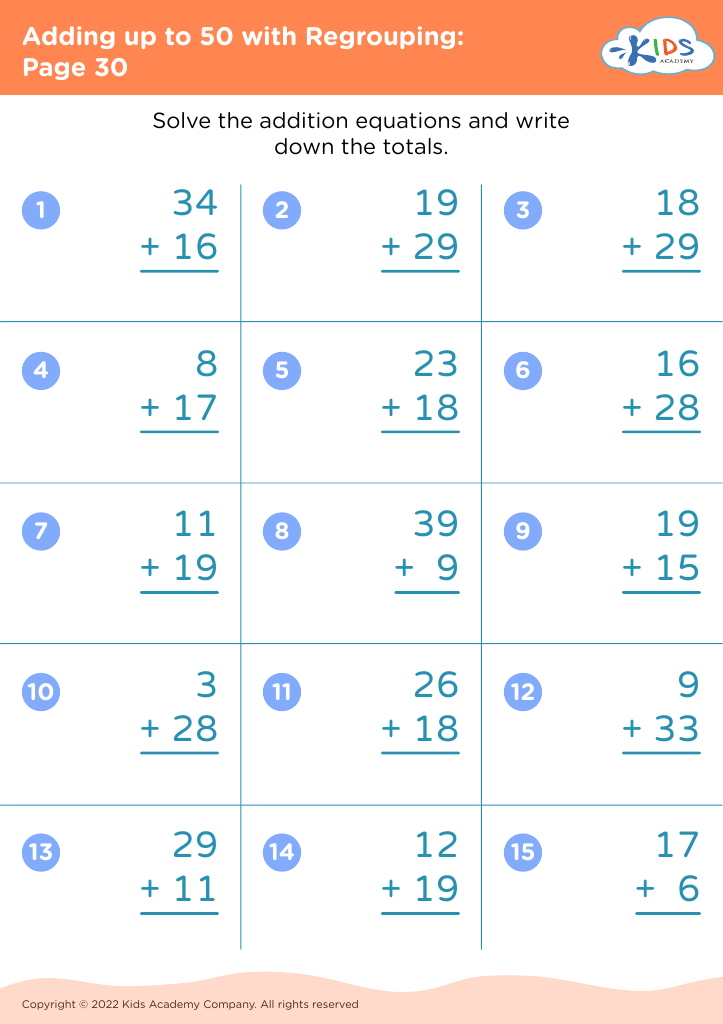
Adding up to 50 with Regrouping: Page 30
Worksheet
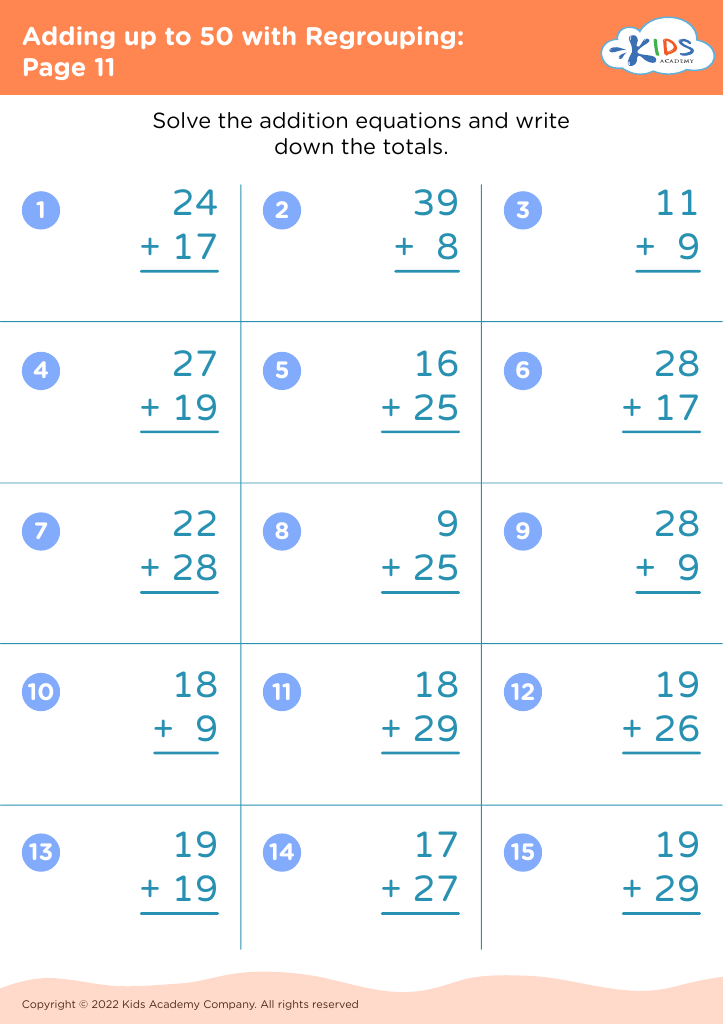
Adding up to 50 with Regrouping: Page 11
Worksheet
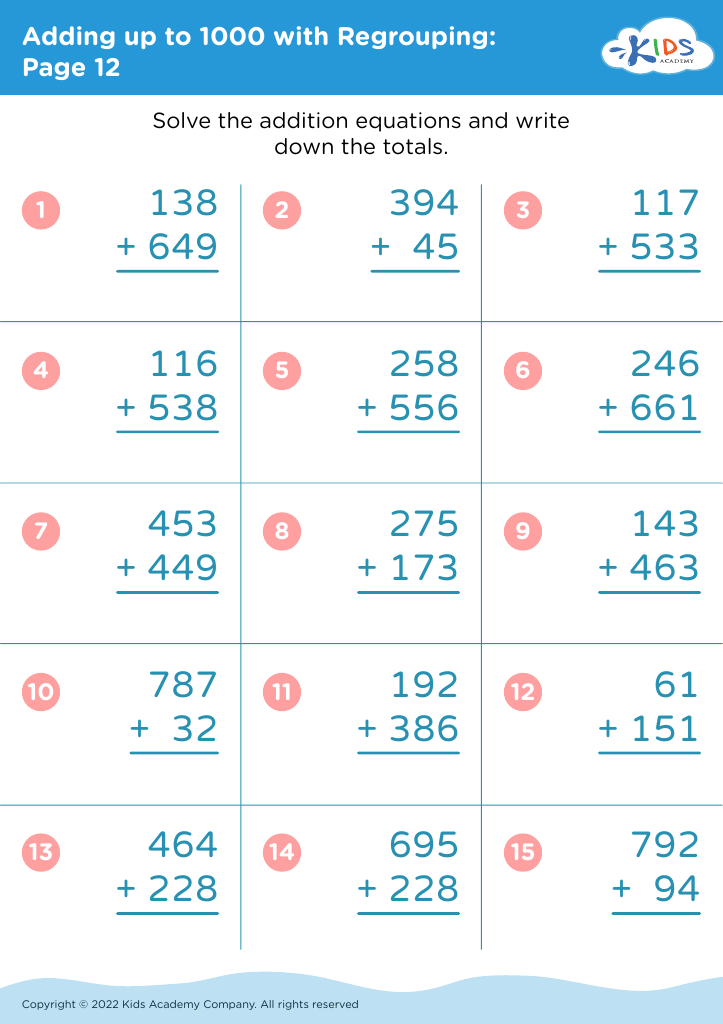
Adding up to 1000 with Regrouping: Page 12
Worksheet
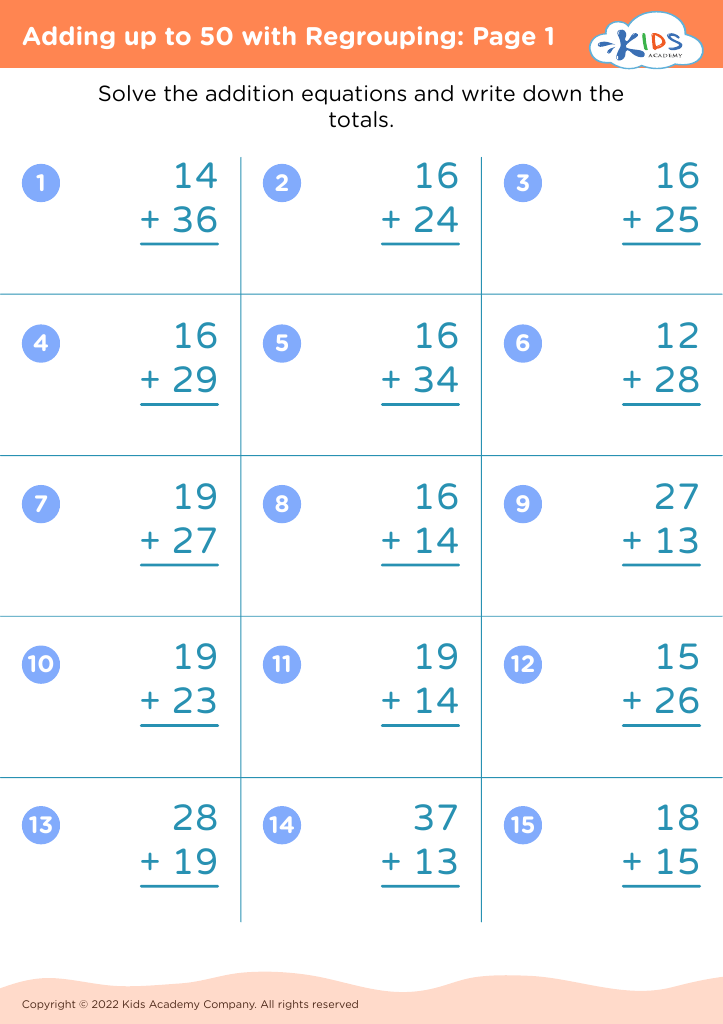
Adding up to 50 with Regrouping: Page 1
Worksheet
Dinner Shapes: Making a Whole Worksheet

Dinner Shapes: Making a Whole Worksheet

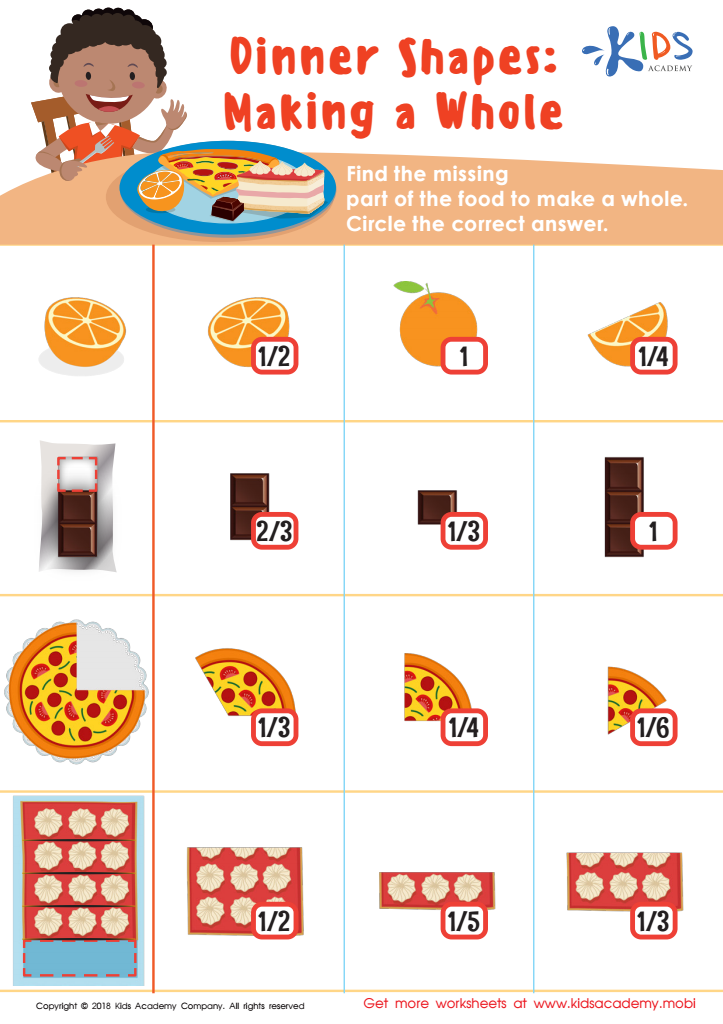
Using food and snacks to stimulate learning and interest in topics is a great strategy. Fractions can prove tricky, but this worksheet can help your child become an expert. Have them look for the missing parts of the food to make a whole, then circle the answer.
Dinner Shapes: Making a Whole Worksheet
Worksheet
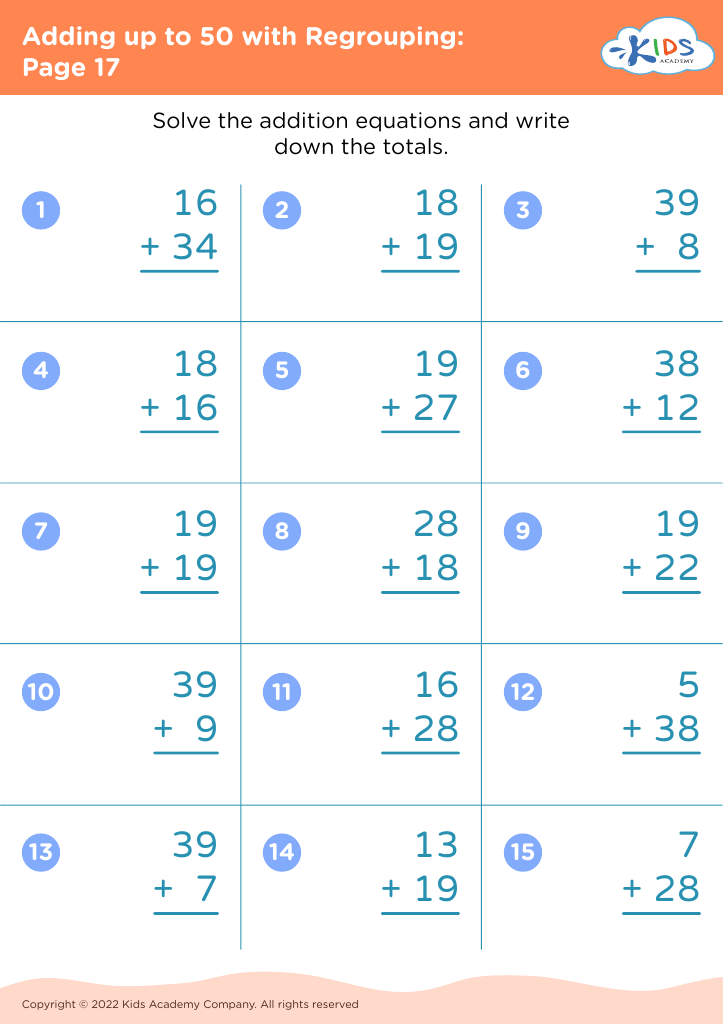
Adding up to 50 with Regrouping: Page 17
Worksheet
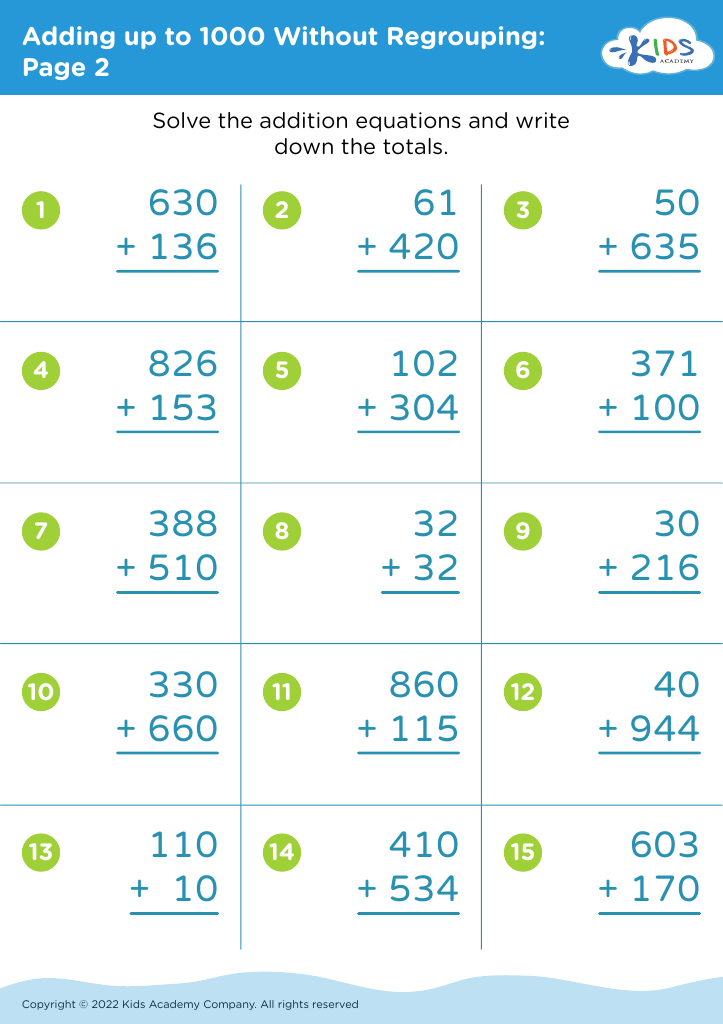
Adding up to 1000 Without Regrouping: Page 2
Worksheet
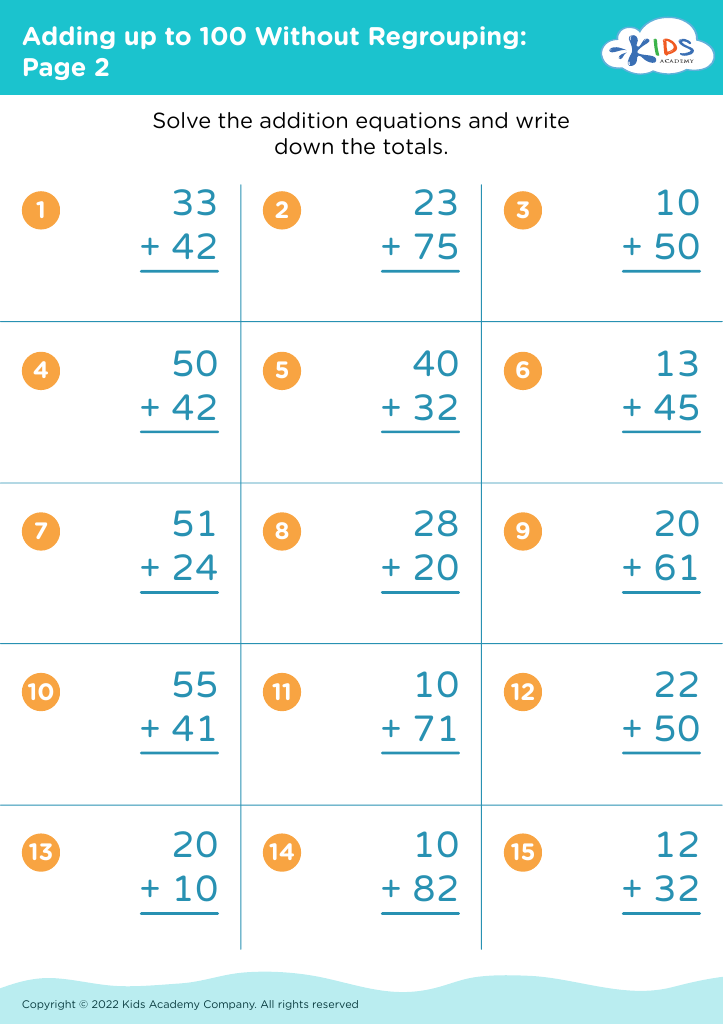
Adding up to 100 Without Regrouping: Page 2
Worksheet
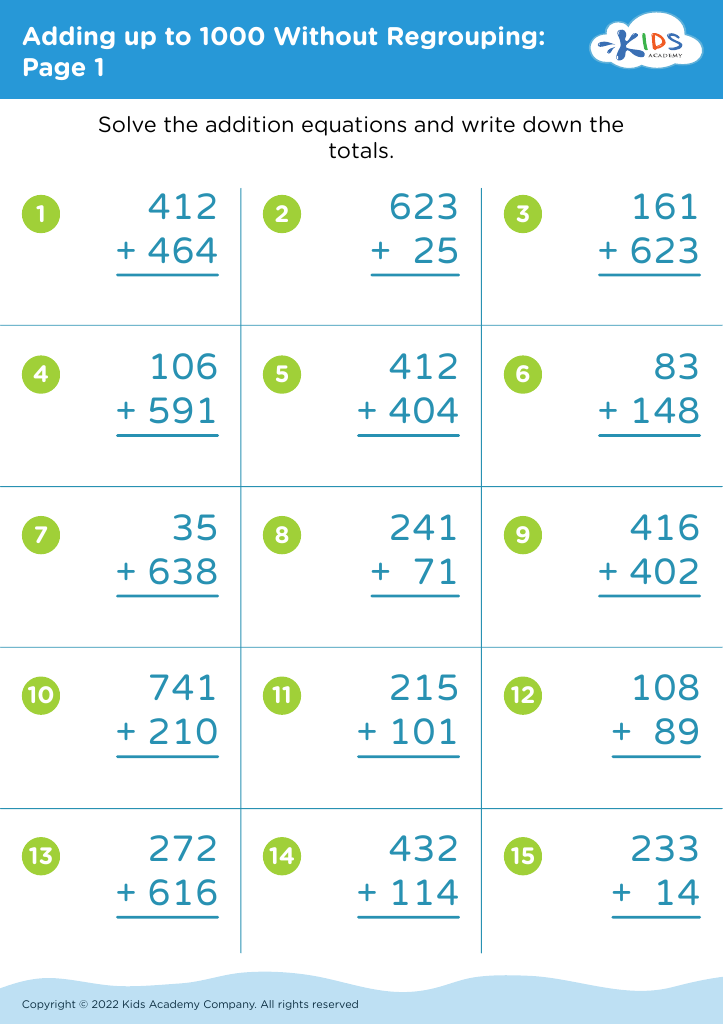
Adding up to 1000 Without Regrouping: Page 1
Worksheet
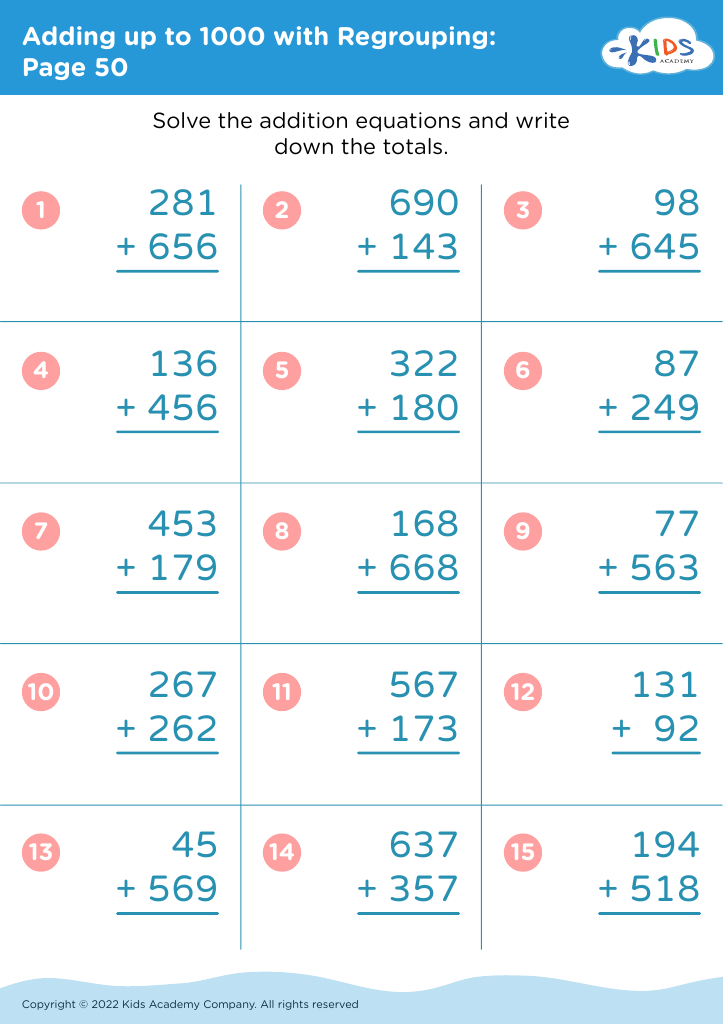
Adding up to 1000 with Regrouping: Page 50
Worksheet
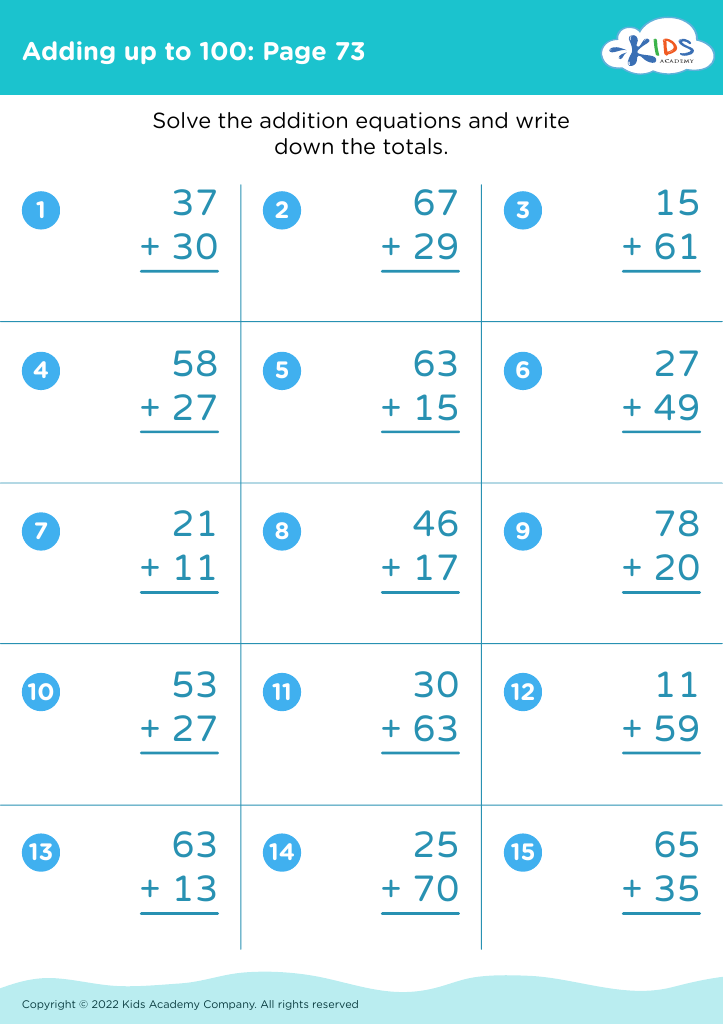
Adding up to 100: Page 73

Adding up to 100: Page 73

Adding up to 100: Page 73
Worksheet
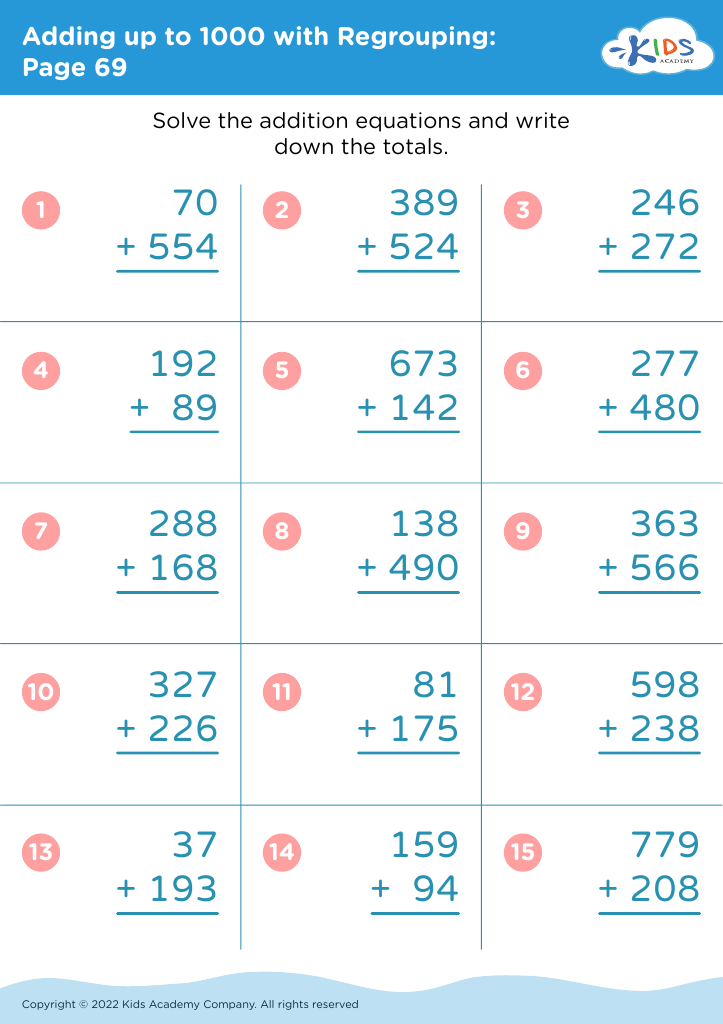
Adding up to 1000 with Regrouping: Page 69
Worksheet
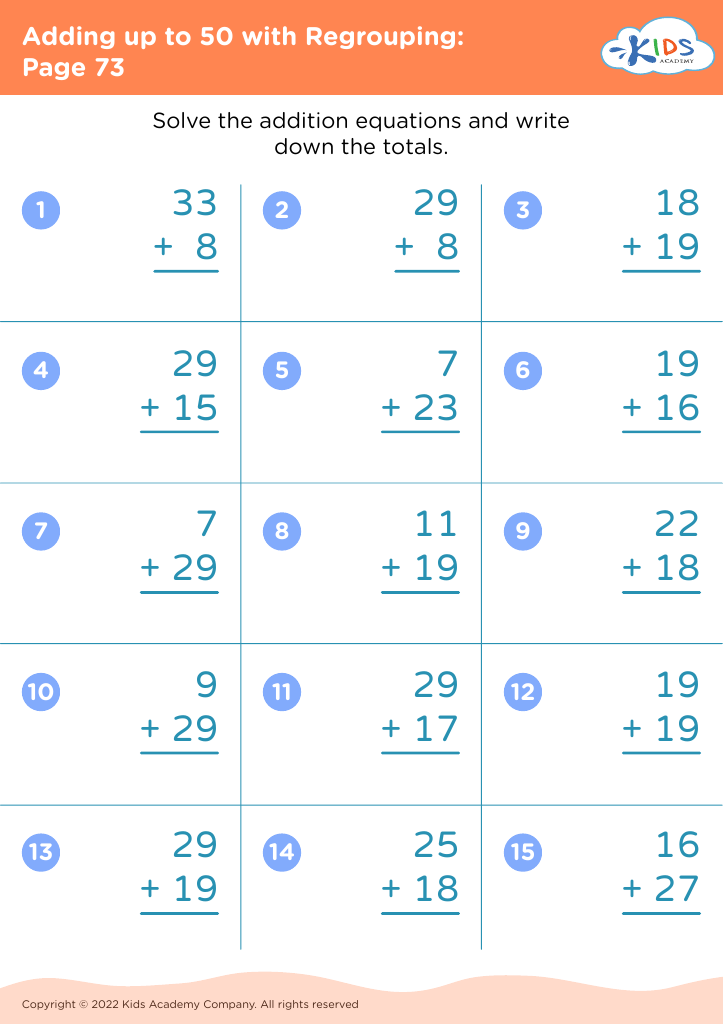
Adding up to 50 with Regrouping: Page 73
Worksheet
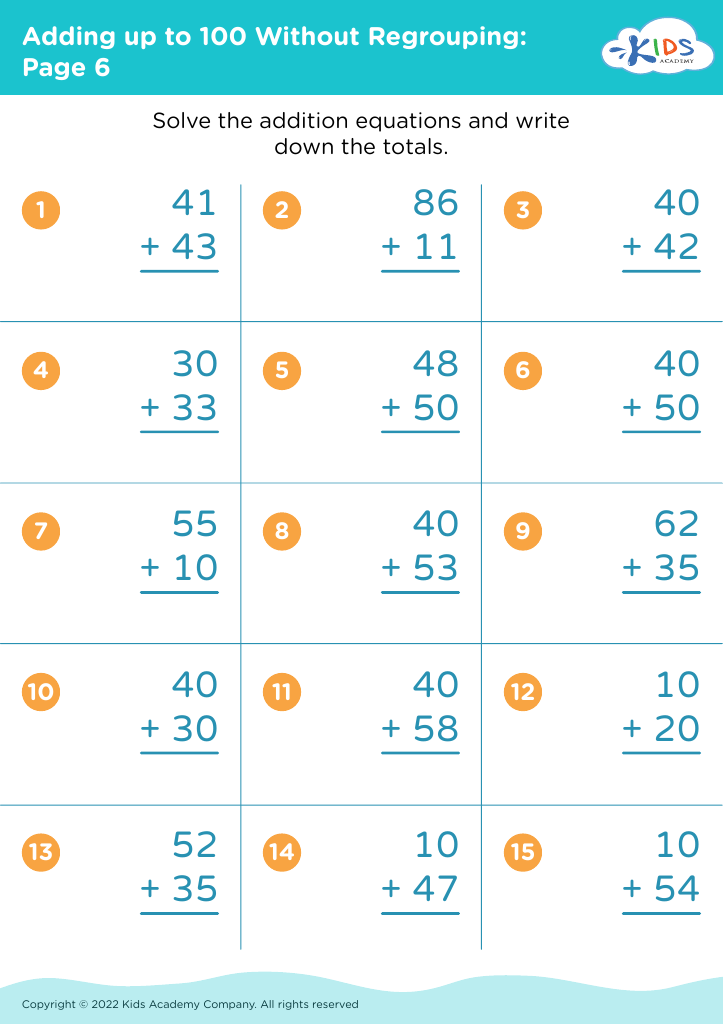
Adding up to 100 Without Regrouping: Page 6
Worksheet
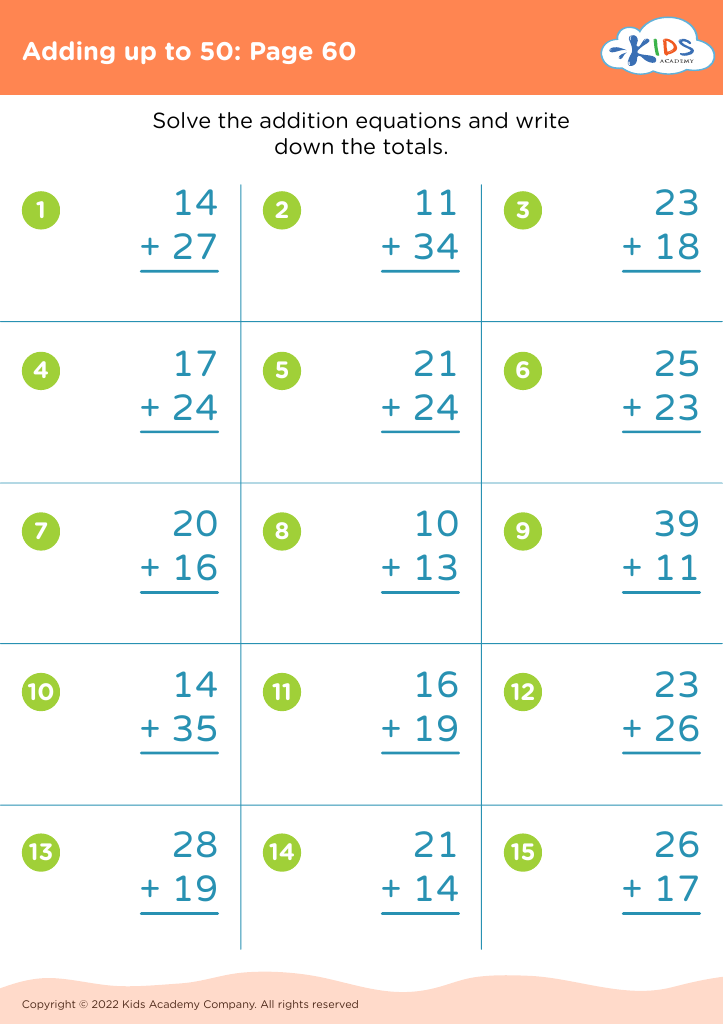
Adding up to 50: Page 60

Adding up to 50: Page 60

Adding up to 50: Page 60
Worksheet
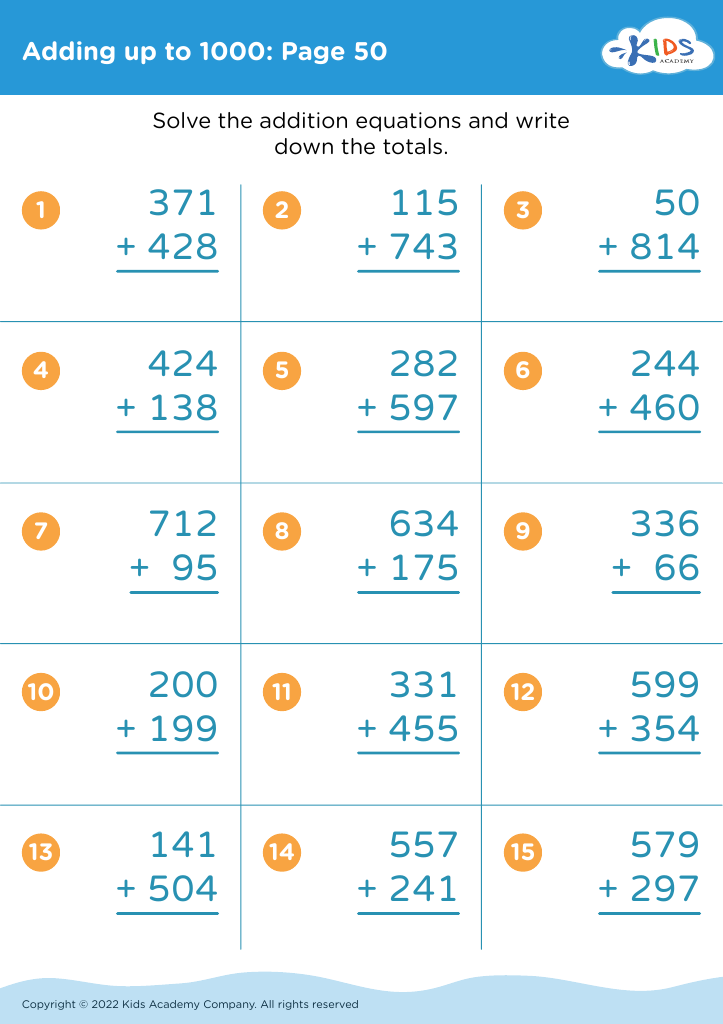
Adding up to 1000: Page 50

Adding up to 1000: Page 50

Adding up to 1000: Page 50
Worksheet
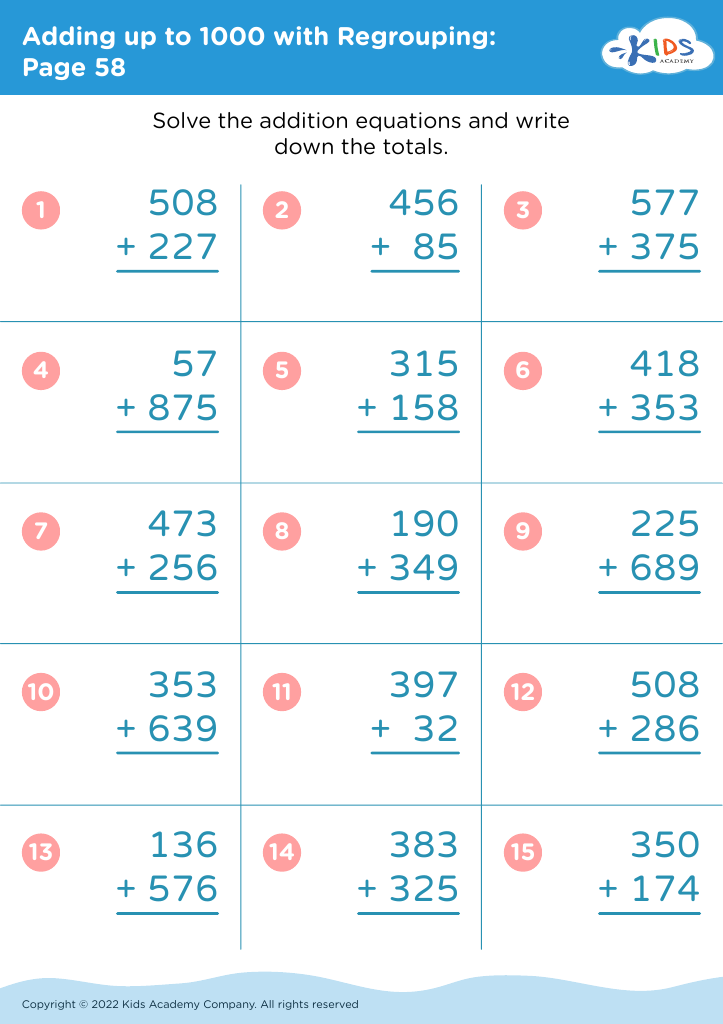
Adding up to 1000 with Regrouping: Page 58
Worksheet
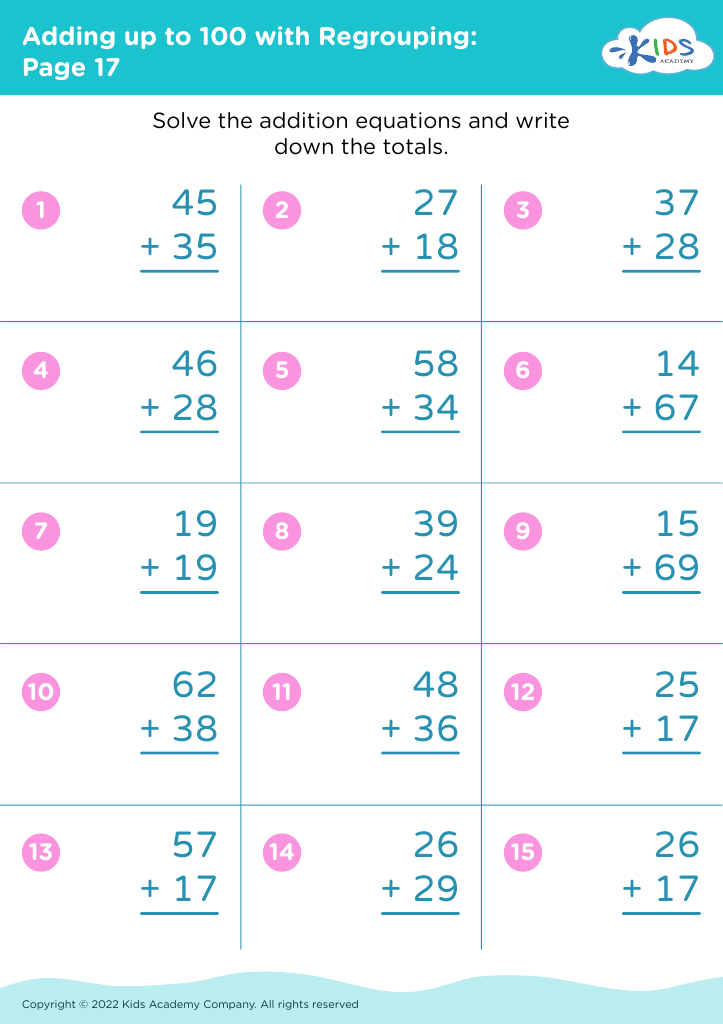
Adding up to 100 with Regrouping: Page 17
Worksheet
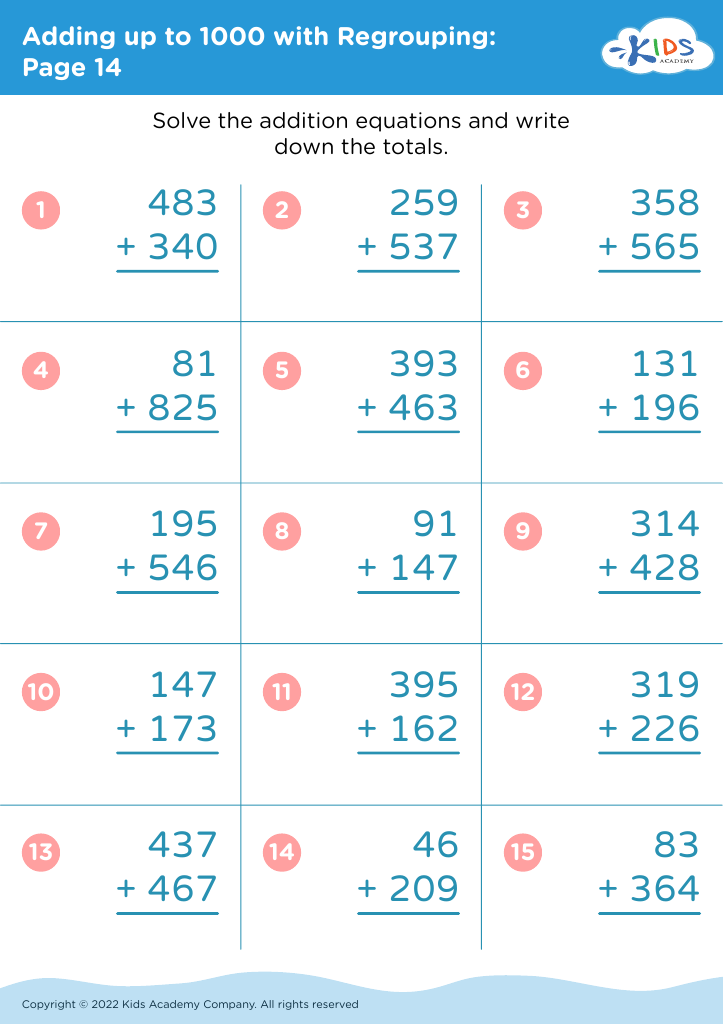
Adding up to 1000 with Regrouping: Page 14
Worksheet
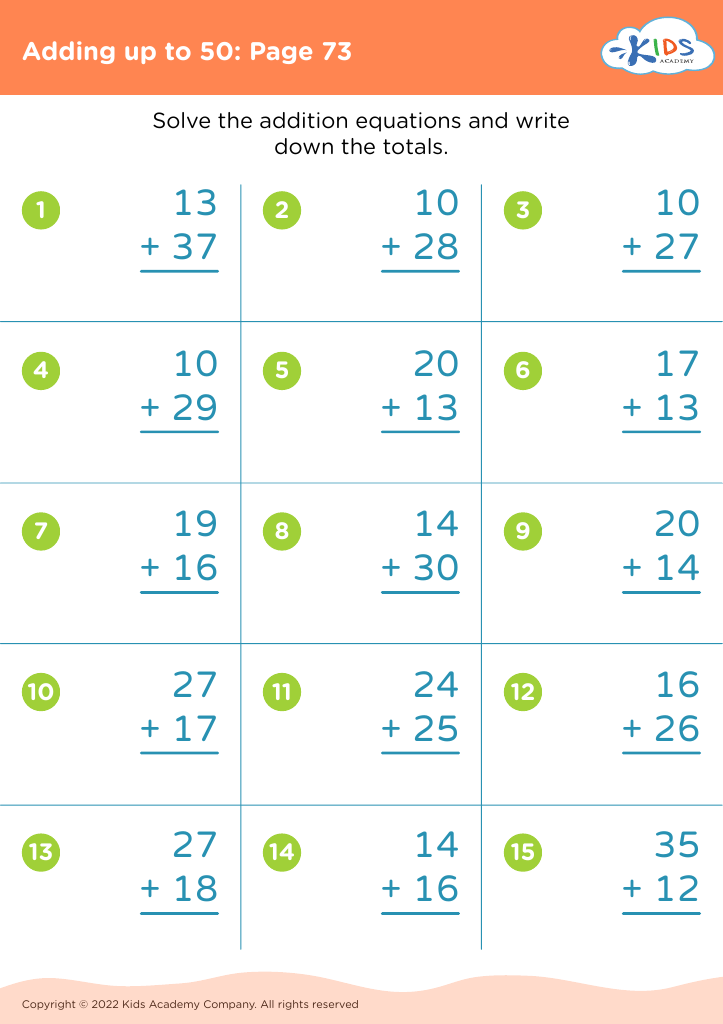
Adding up to 50: Page 73

Adding up to 50: Page 73

Adding up to 50: Page 73
Worksheet
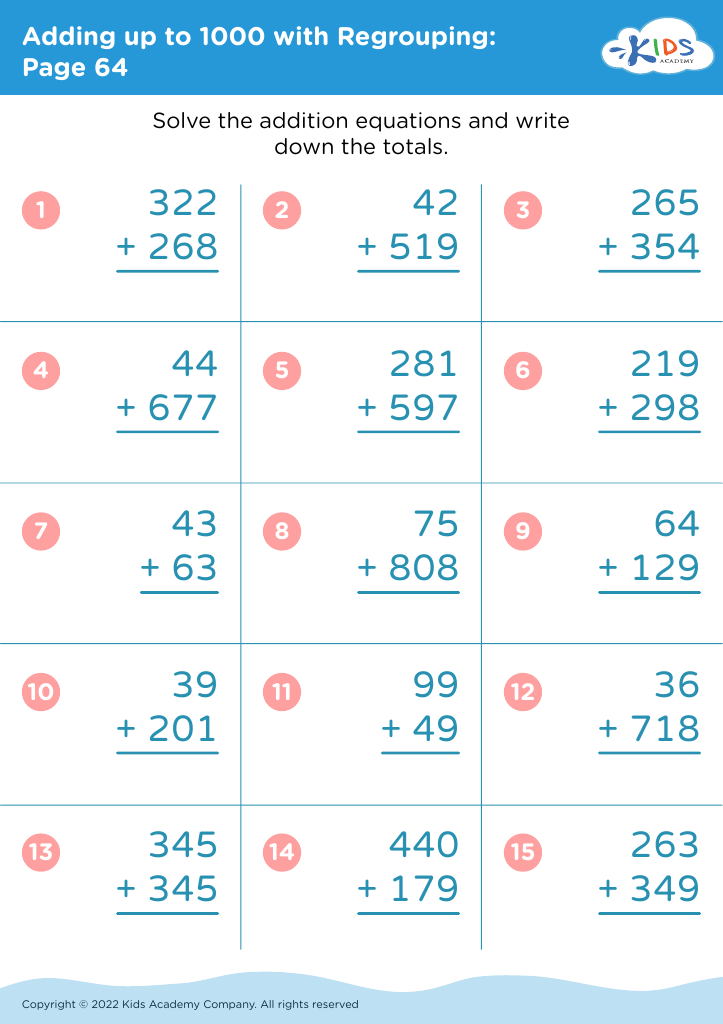
Adding up to 1000 with Regrouping: Page 64
Worksheet
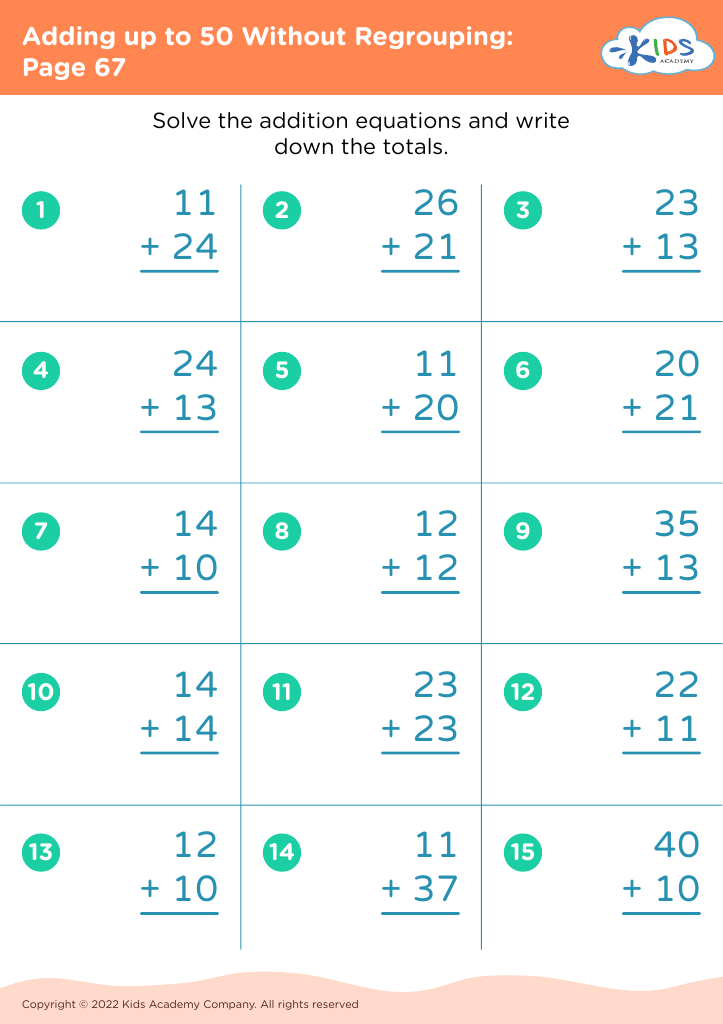
Adding up to 50 Without Regrouping: Page 67
Worksheet
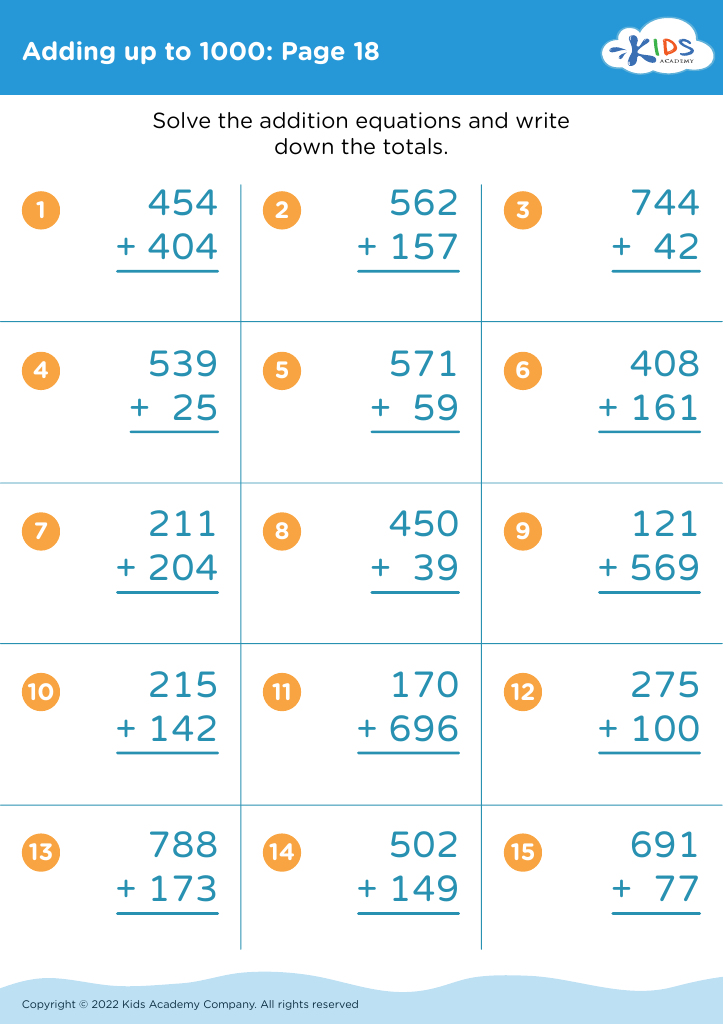
Adding up to 1000: Page 18

Adding up to 1000: Page 18

Adding up to 1000: Page 18
Worksheet


Shape recognition, alongside addition and subtraction, is essential for 8-year-olds as it fosters crucial cognitive and academic skills. At this age, children are developing foundational mathematical abilities, and incorporating shapes into mathematics enhances their understanding of spatial relationships and problem-solving skills. When children recognize shapes, they can visualize mathematical concepts, making addition and subtraction more intuitive.

Additionally, shape recognition supports critical thinking. For instance, when children learn to categorize shapes, they also practice sorting and identifying patterns, which are key components of logical reasoning. This not only aids in math but in science and technology as well, fields increasingly reliant on spatial reasoning.

Moreover, early exposure to these concepts encourages children to see mathematics as interconnected with the world around them, sparking their curiosity and engagement. Involving parents and teachers in this learning process strengthens relationships and creates a supportive environment that values education.

Ultimately, by nurturing shape recognition and mathematical skills, we equip children with tools that extend beyond the classroom, preparing them for more complex concepts in math and steeling them for future academic success. Hence, understanding the significance of shape recognition in relation to addition and subtraction is vital for their overall development.