Telling time Addition & Subtraction Worksheets for 8-Year-Olds
3 filtered results
-
From - To
Explore our engaging Telling Time Addition & Subtraction Worksheets designed specifically for 8-year-olds! These worksheets provide an exciting opportunity for children to enhance their math skills while learning to tell time. By solving problems that integrate addition and subtraction with time concepts, kids will strengthen their understanding of both skills. Each worksheet encourages critical thinking and helps to ensure a solid grasp of time-related math. Ideal for classroom use or at-home practice, these resources foster independence in learning and make math enjoyable. Dive into our collection and watch your child gain confidence as they master telling time!
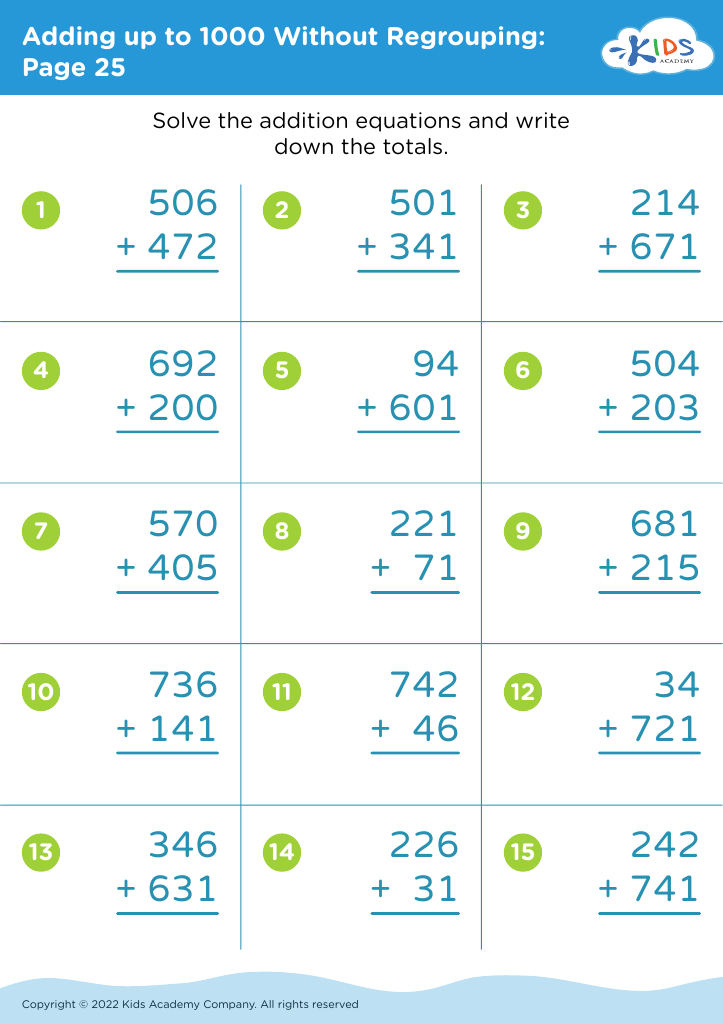
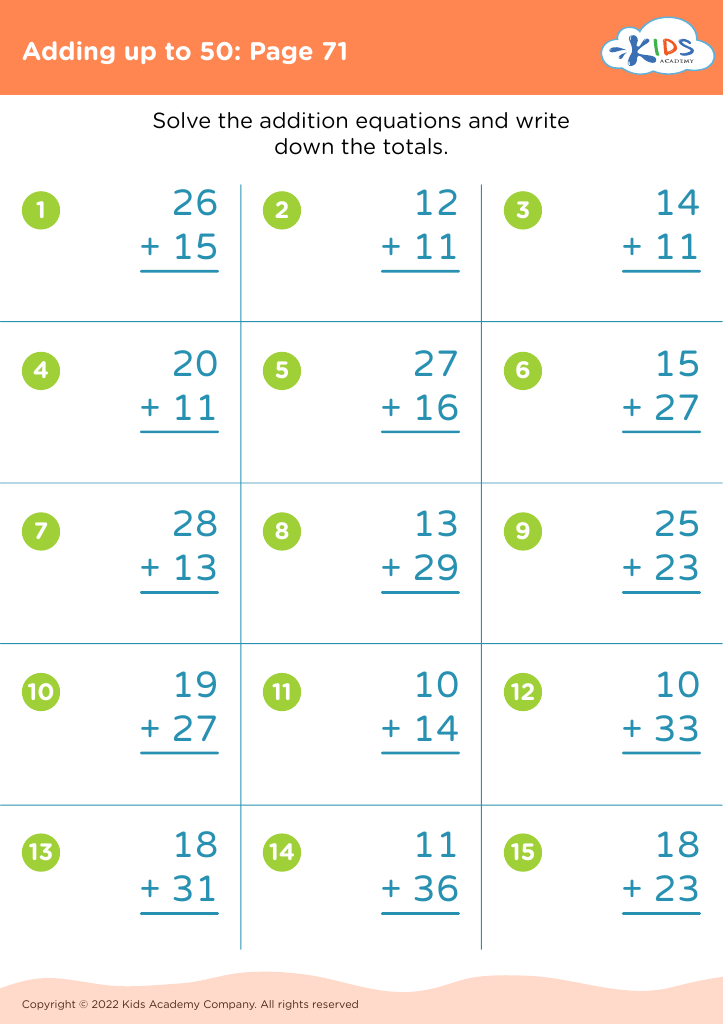
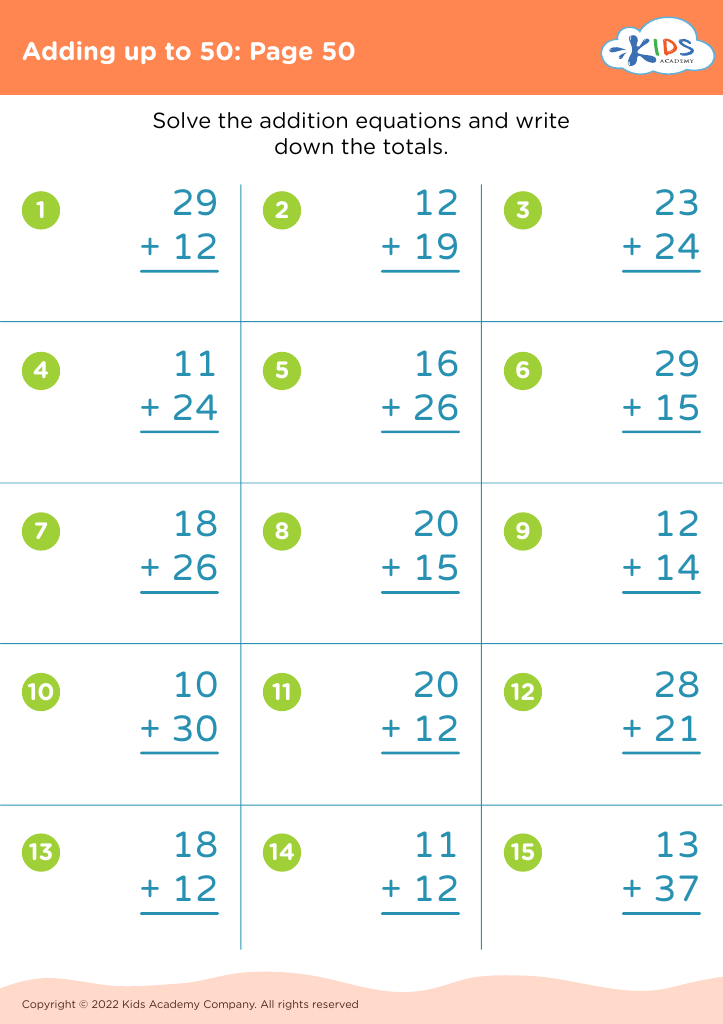








Telling time, along with addition and subtraction skills, is essential for 8-year-olds as it forms the backbone of their daily mathematics and life skills. First, understanding how to tell time helps children structure their days, manage schedules, and develop a sense of responsibility. This foundational knowledge encourages punctuality and planning, which are important traits as they progress through school and beyond.
Moreover, addition and subtraction are fundamental operations in mathematics that serve as building blocks for more complex problem-solving. At the age of eight, children are typically shifting from concrete math understanding to more abstract concepts. Mastering these skills boosts their confidence and prepares them for future learning, as mathematics increasingly becomes integral to subjects like science, economics, and technology.
Parents and teachers play a vital role in nurturing these abilities. Engaging students in conversations about time and mathematical operations through real-life scenarios—such as planning playdates or understanding elapsed time—makes learning relevant and enjoyable. Emphasizing these skills not only enhances children's academic performance but also empowers them with the tools they need to navigate everyday situations thoughtfully and independently. In essence, a solid grasp of telling time and basic math is a life skill that fosters independence and critical thinking.








