Develop critical thinking Math Worksheets for 8-Year-Olds
11 filtered results
-
From - To
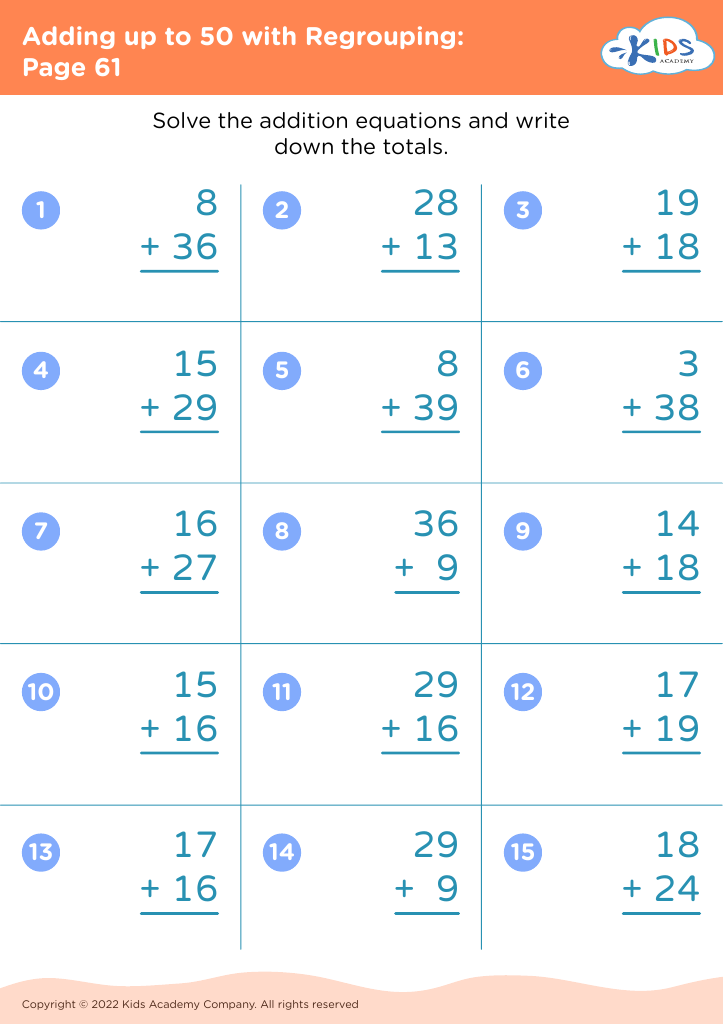
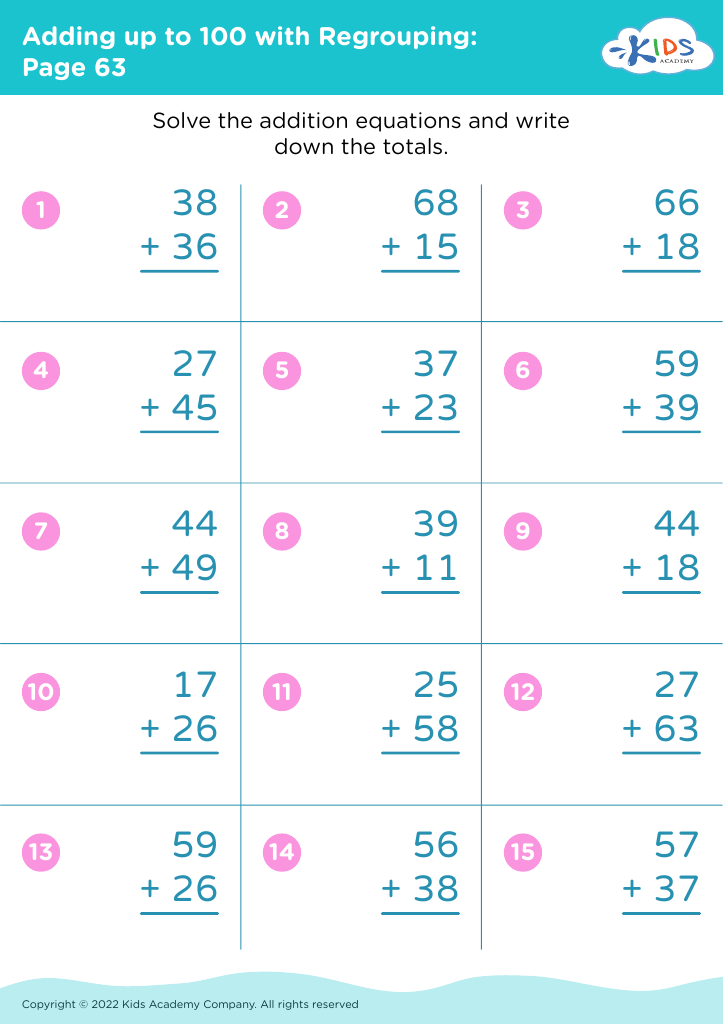
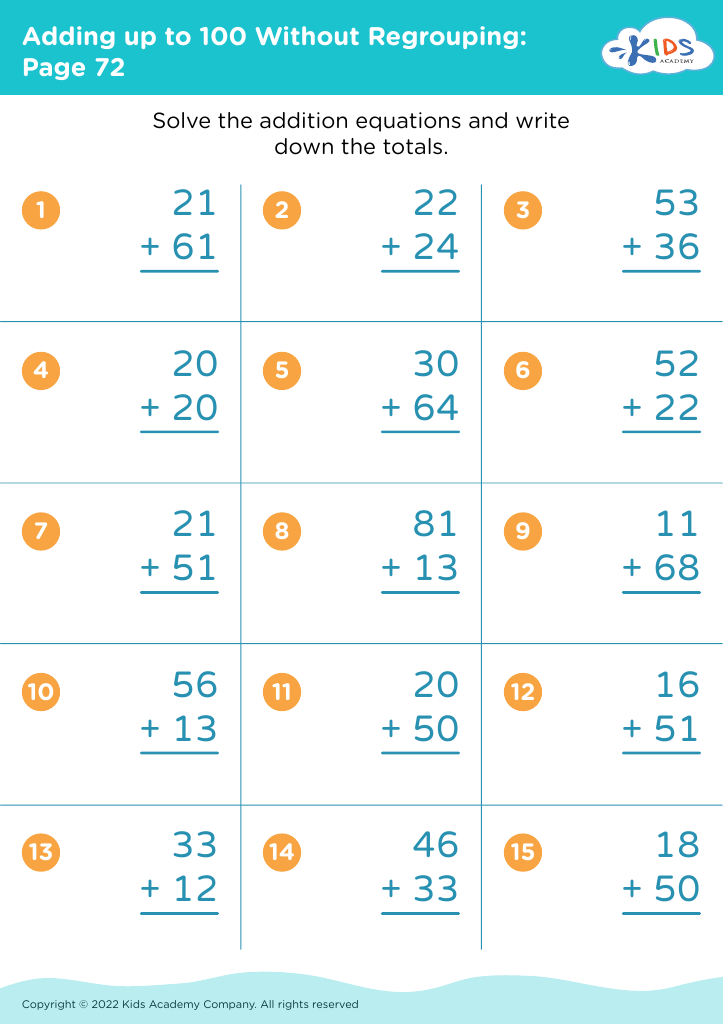
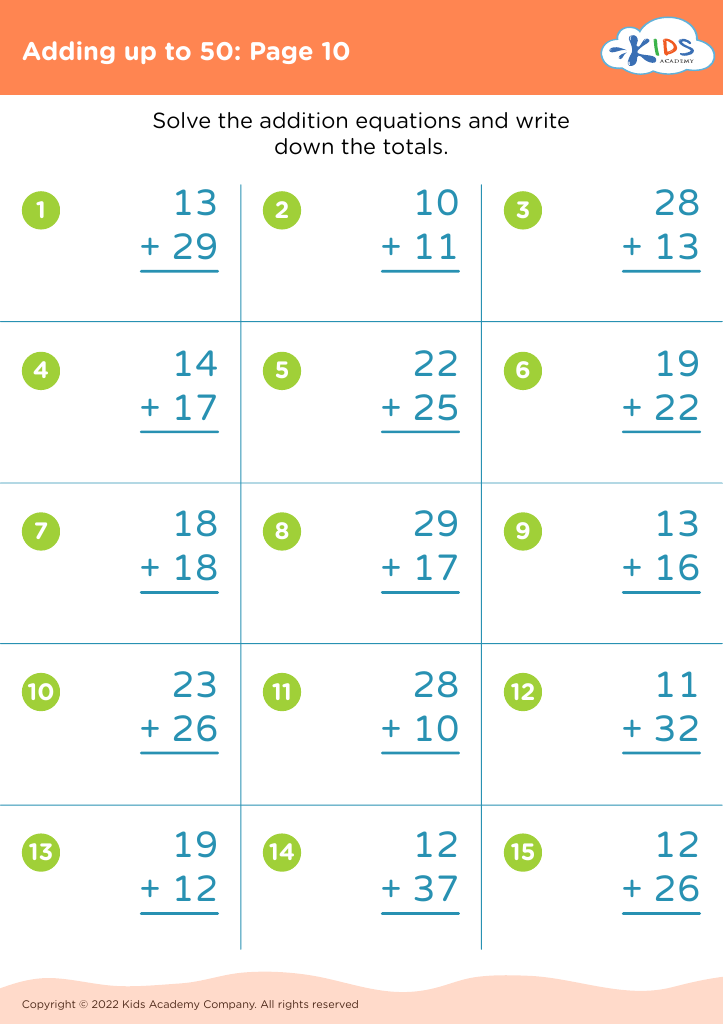
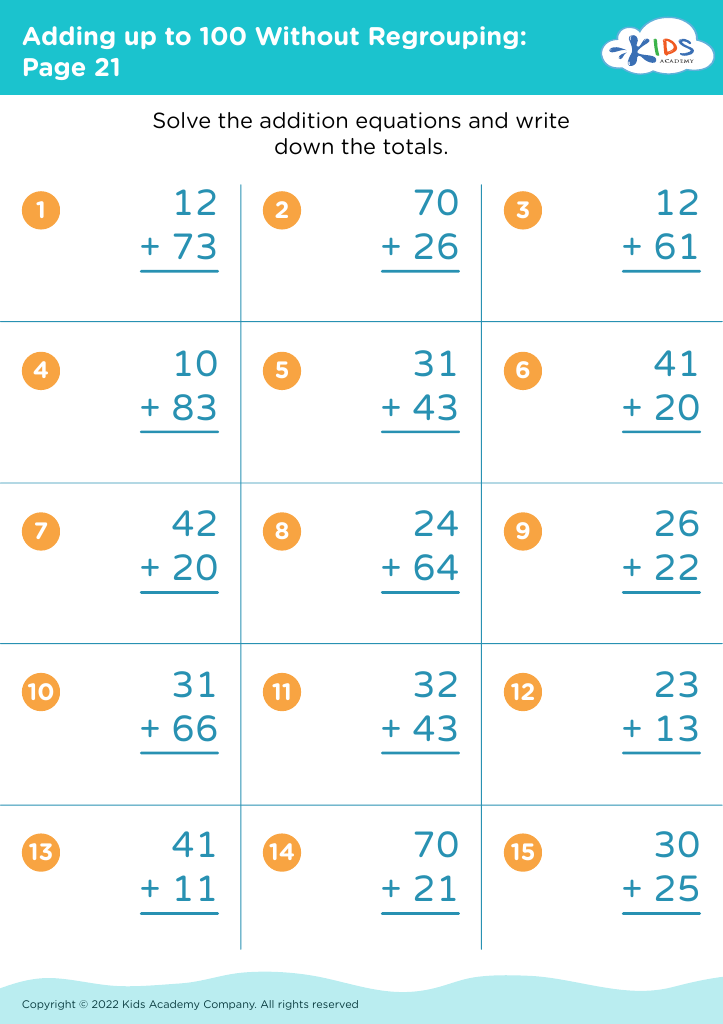
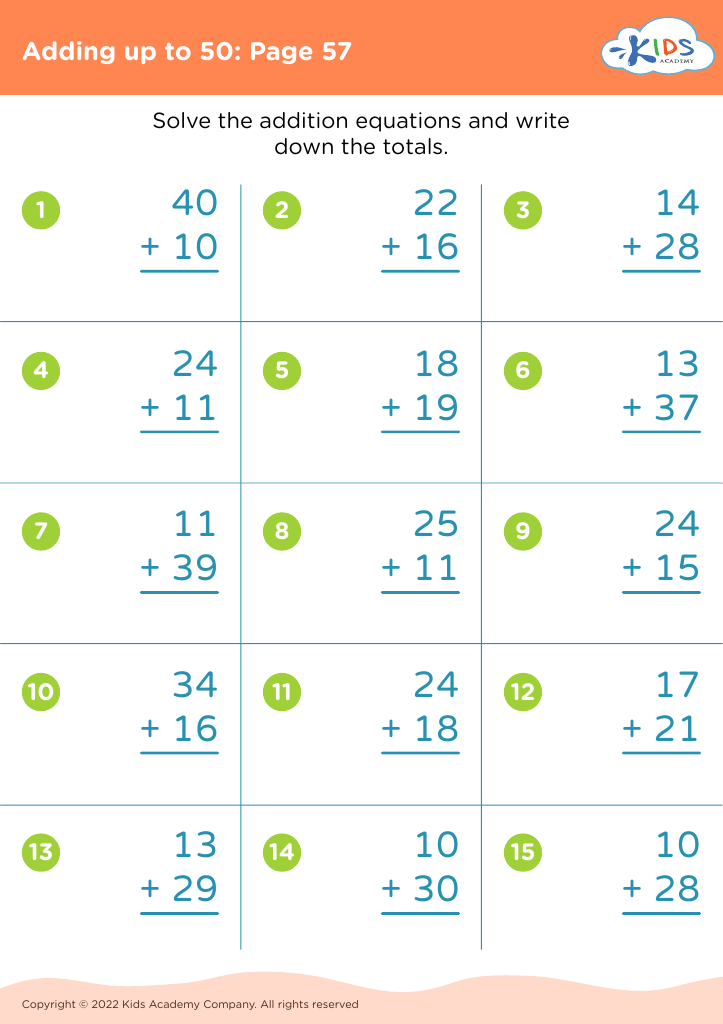
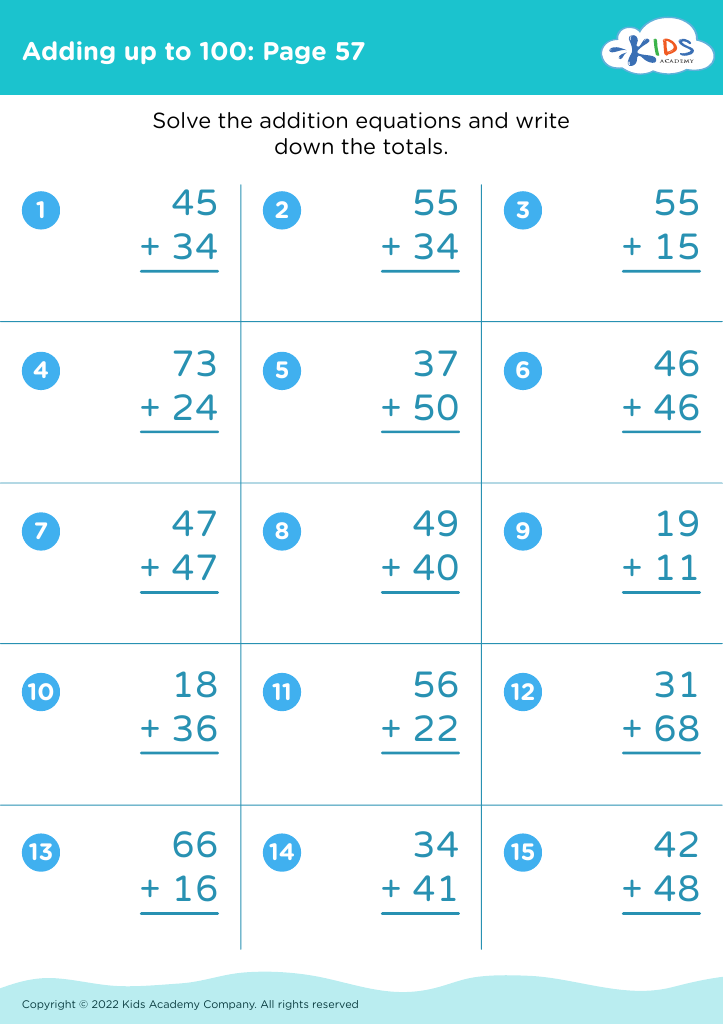
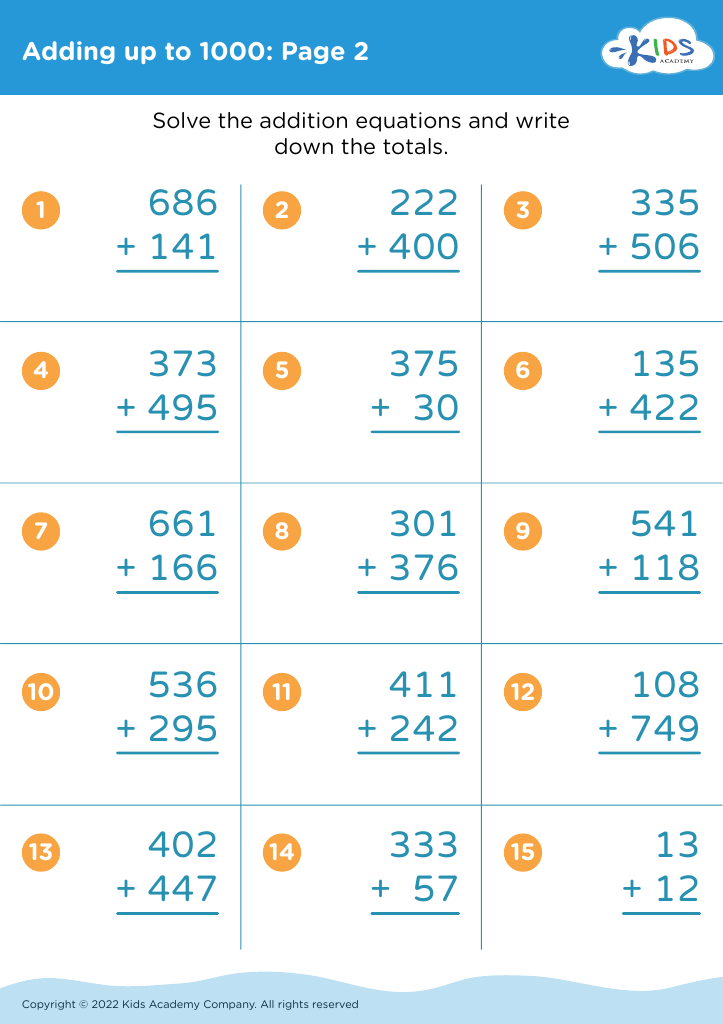
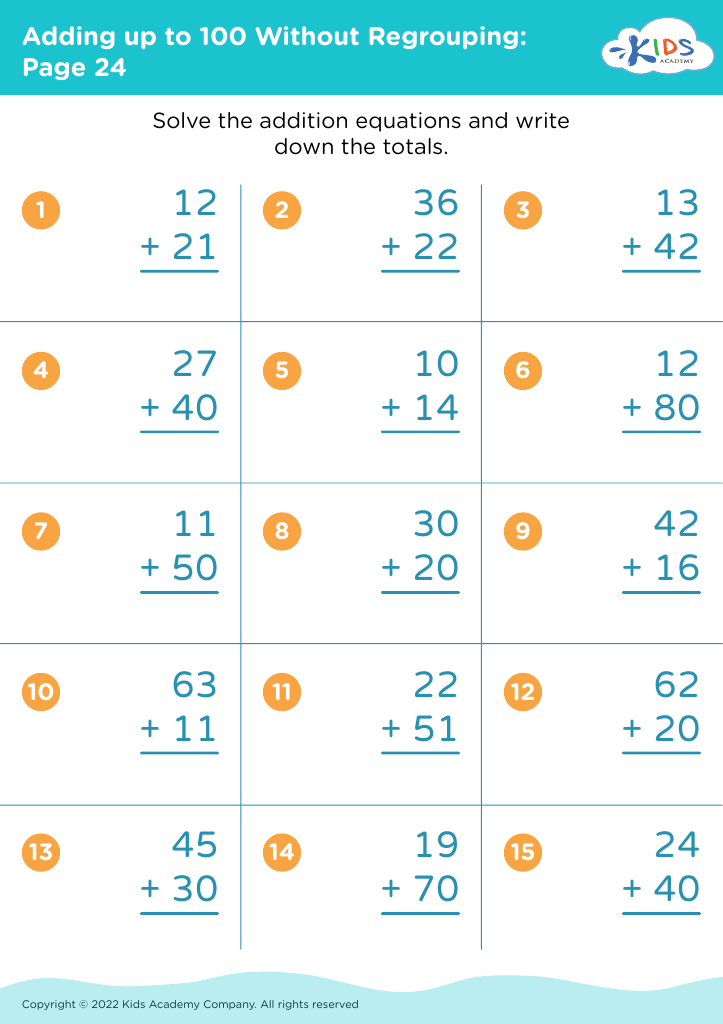
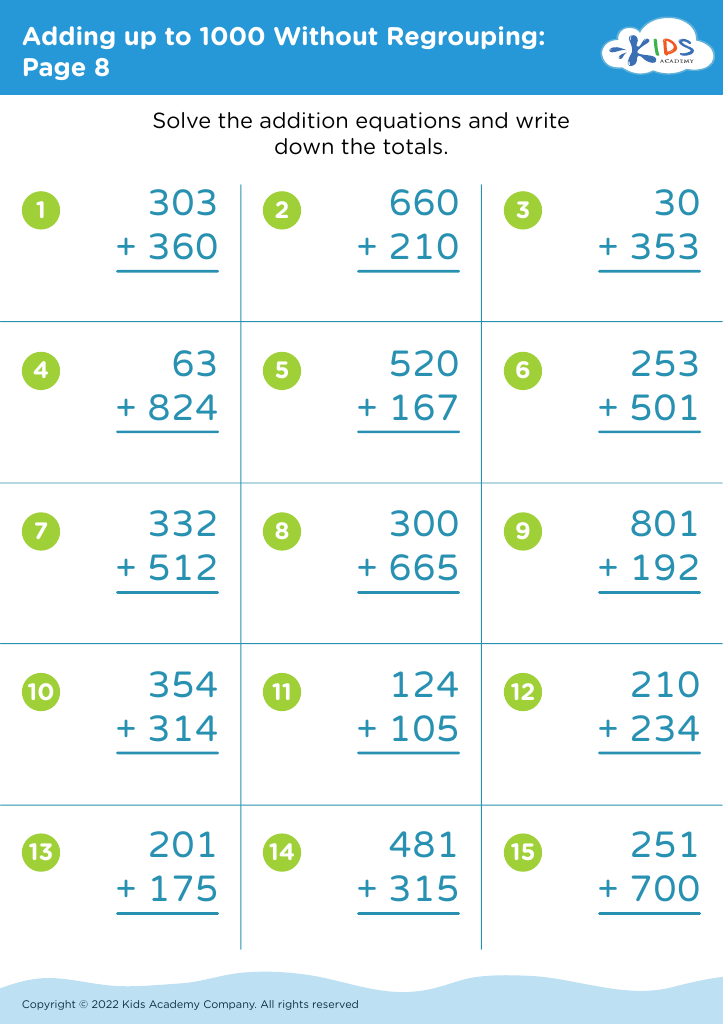
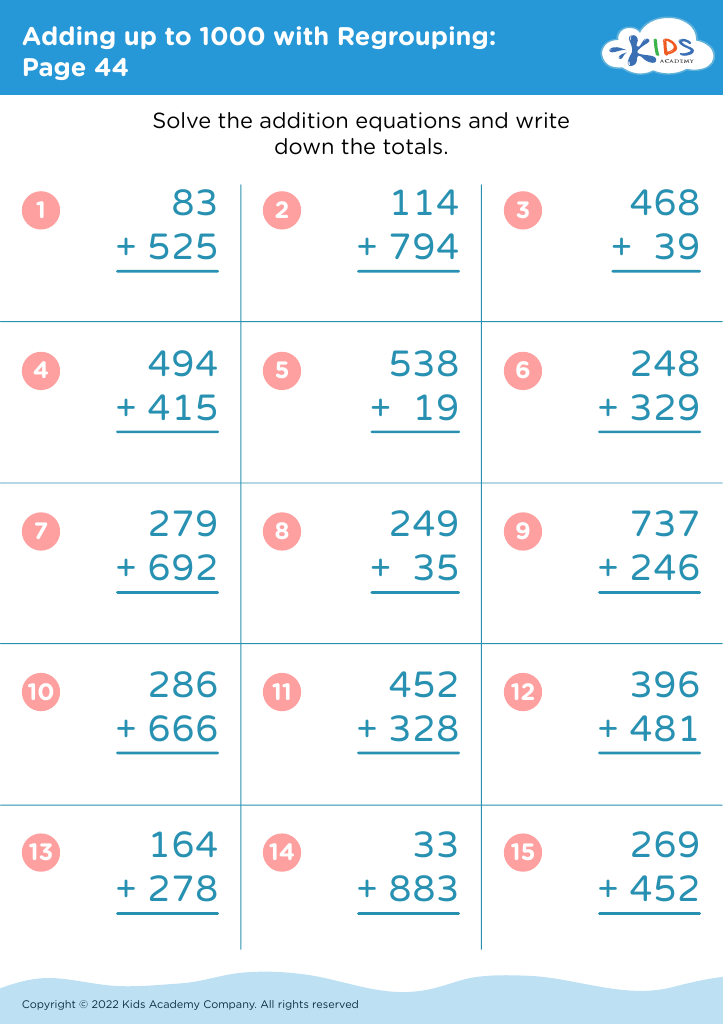
Unlock your child's potential with our engaging critical thinking math worksheets designed specifically for 8-year-olds. These thoughtfully crafted activities challenge young learners to think independently, solve problems creatively, and enhance their reasoning skills. Each worksheet features fun, age-appropriate scenarios that encourage kids to explore mathematical concepts while developing critical thinking abilities. From puzzles and brain teasers to real-world math applications, our resources make learning both enjoyable and impactful. Perfect for home or classroom use, these worksheets are not only a fantastic tool for reinforcing math skills but also for fostering a growth mindset in your young mathematician. Explore our collection today!



.jpg)




Developing critical thinking skills in mathematics for 8-year-olds is crucial for several reasons. First, critical thinking fosters problem-solving abilities. At this age, children begin to encounter more complex mathematical concepts, and those who can analyze problems, apply logic, and evaluate solutions are better positioned for future academic success. They are not just memorizing formulas; they learn to understand why methods work.
Second, critical thinking promotes independence in learning. Children who engage in critical thinking learn how to approach and tackle challenges by themselves, leading to increased confidence. This sense of independence encourages a love for learning, which can positively influence their overall educational experiences.
Furthermore, math is increasingly integrated with real-world applications. Teaching critical thinking in math helps children relate mathematical understanding to everyday situations, fostering not only academic skills but also practical life skills. They become more adept at making decisions, interpreting data, and reasoning through everyday problems.
Finally, critical thinking lays the groundwork for interdisciplinary learning. As they can think across subjects, they will better understand the interconnectedness of knowledge, setting the stage for advanced studies and lifelong learning. For these reasons, parents and teachers should prioritize critical thinking development in mathematics for young learners.








