
Develop number recognition Math Worksheets for 8-Year-Olds
5 filtered results
Difficulty Level
Grade
Age
-
From - To
Subject
Activity
Standards
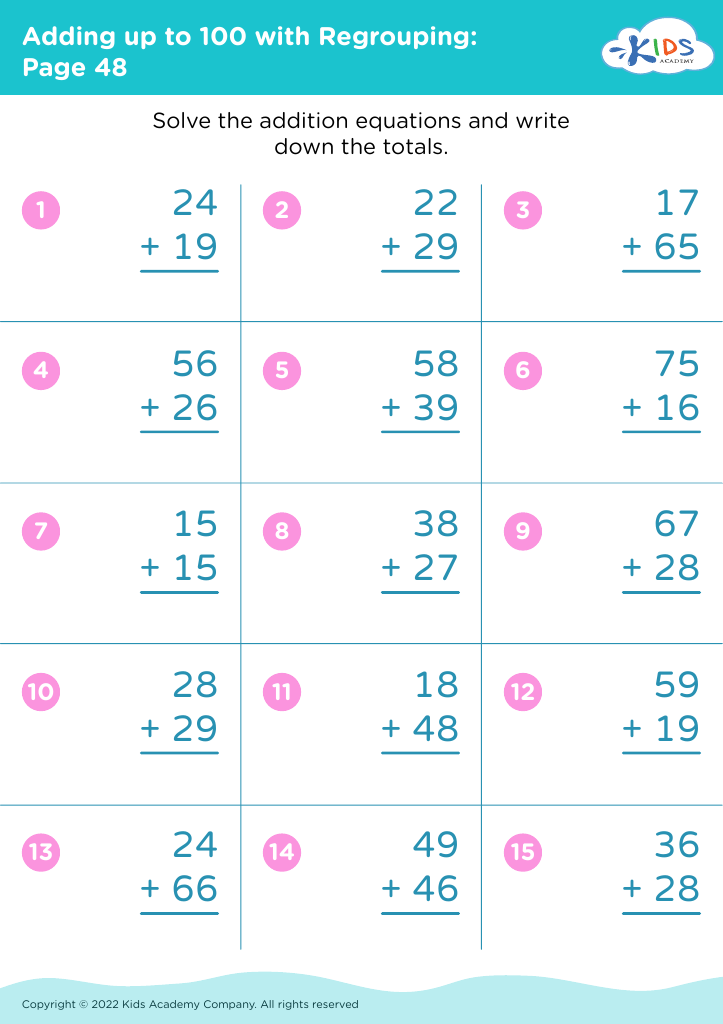
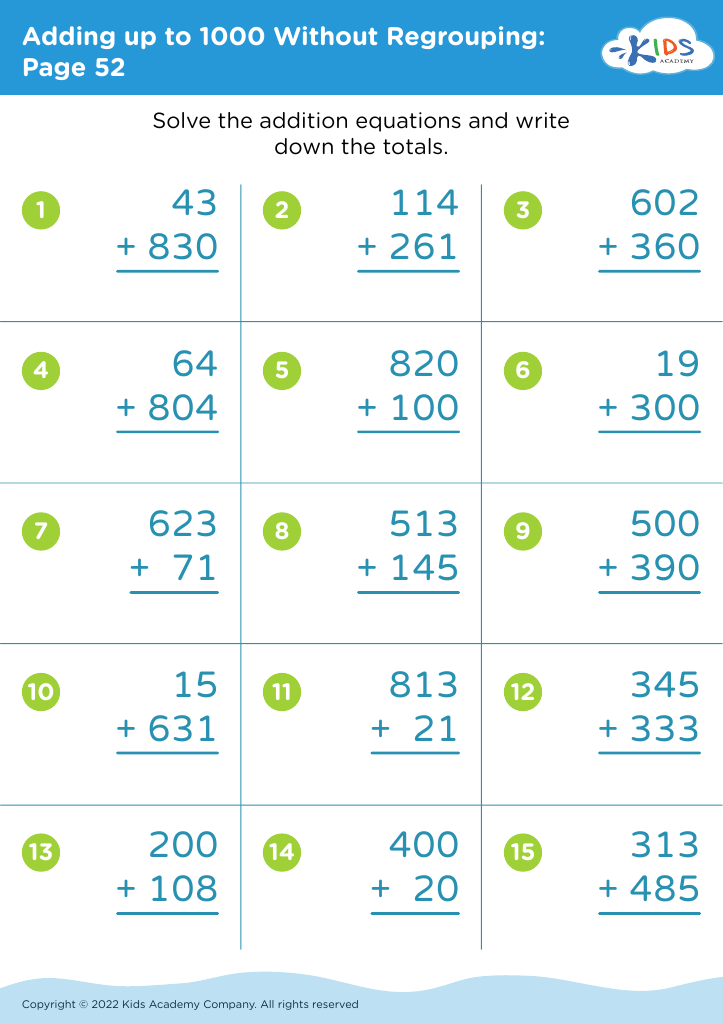
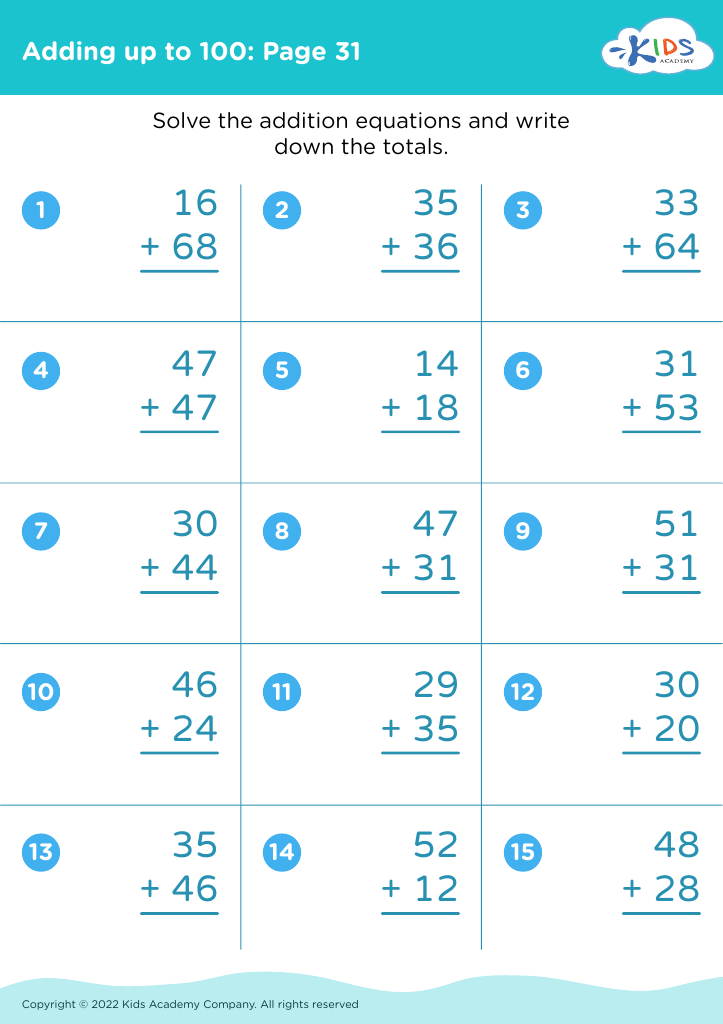
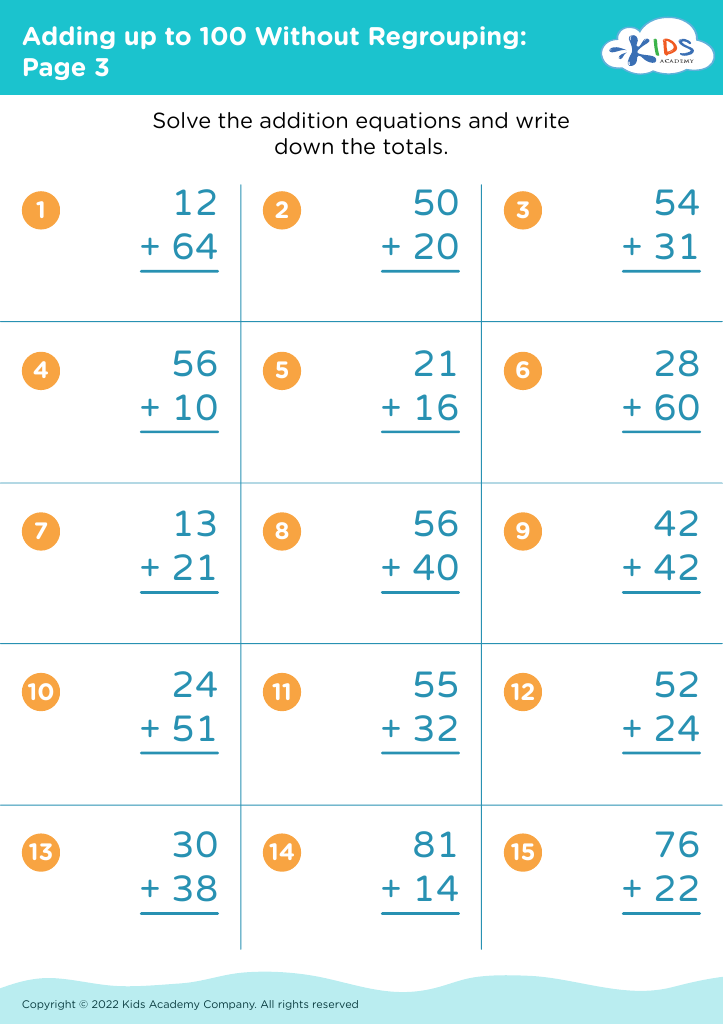
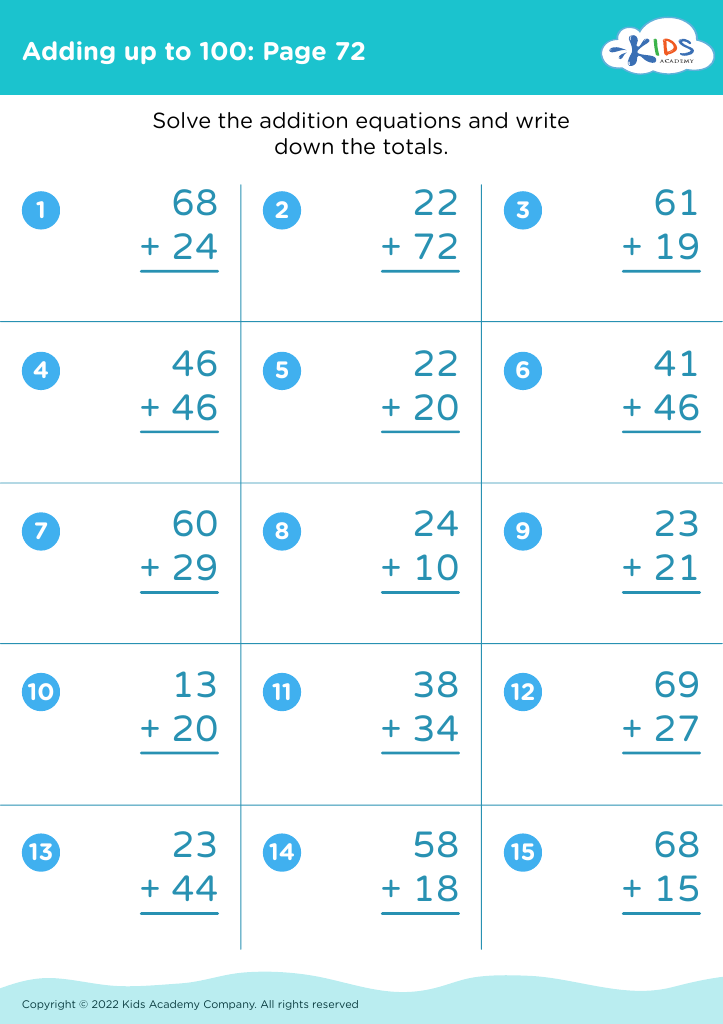
Discover engaging and education-focused Math Worksheets designed to develop number recognition for 8-year-olds at Kids Academy! Our printable worksheets provide a fun and interactive way to reinforce essential math skills, such as identifying and writing numbers, understanding number sequences, and mastering basic arithmetic. Perfectly tailored for third-graders, these activities enhance numeric confidence and fluency. Crafted by experienced educators, our comprehensive collection fosters a love for learning through colorful, kid-friendly formats. Help your child succeed in math with our expertly designed number recognition worksheets that make learning both enjoyable and effective. Explore today and watch their skills grow!
Favorites
With answer key
Interactive
Join Kids Academy for Free
Who is primarily going to use this learning content?








Parents and teachers should prioritize developing number recognition skills in 8-year-olds because this foundational competence lays the groundwork for future mathematical learning and everyday decision-making. At this critical age, children transition from merely identifying numbers to understanding more complex numerical relationships, which is pivotal in discerning patterns, performing calculations, and solving problems.
First, solid number recognition enhances a child's ability to perform arithmetic operations such as addition, subtraction, multiplication, and division, all of which are central to math curricula beyond the early grades. Secondly, it fosters cognitive skills like memory, attention, and logical thinking, which are essential across all subjects and real-world scenarios. Children with strong number sense can easily grasp advanced mathematical concepts since they already understand the basics.
Moreover, proficiency in number recognition boosts confidence and reduces math-related anxiety. Students who struggle with understanding numbers often face ongoing challenges, leading to a lack of self-confidence that can extend into adulthood. Thus, investing time in strengthening this skill can lead to a more positive, lifelong relationship with math.
These competencies are not solely academic—they teach children critical thinking and problem-solving skills applicable in daily life, from making purchases to time management. Early intervention in number recognition sets children on a path to academic success and equips them with essential life skills.








