Developing logical thinking Math Worksheets for 8-Year-Olds
6 filtered results
-
From - To
Discover a curated collection of math worksheets designed for 8-year-olds to enhance logical thinking and problem-solving skills. These engaging and educational resources from Kids Academy provide challenging activities, puzzles, and exercises tailored to stimulate young minds. Perfect for developing critical analysis, reasoning, and sequential thinking, our worksheets emphasize fun and learning. Guided by educational experts, these printable materials are ideal for both home and classroom use. Empower your child to excel in math while building a strong foundation for future learning. Explore Kids Academy’s collection today to bring excitement and confidence to your child’s mathematical journey.
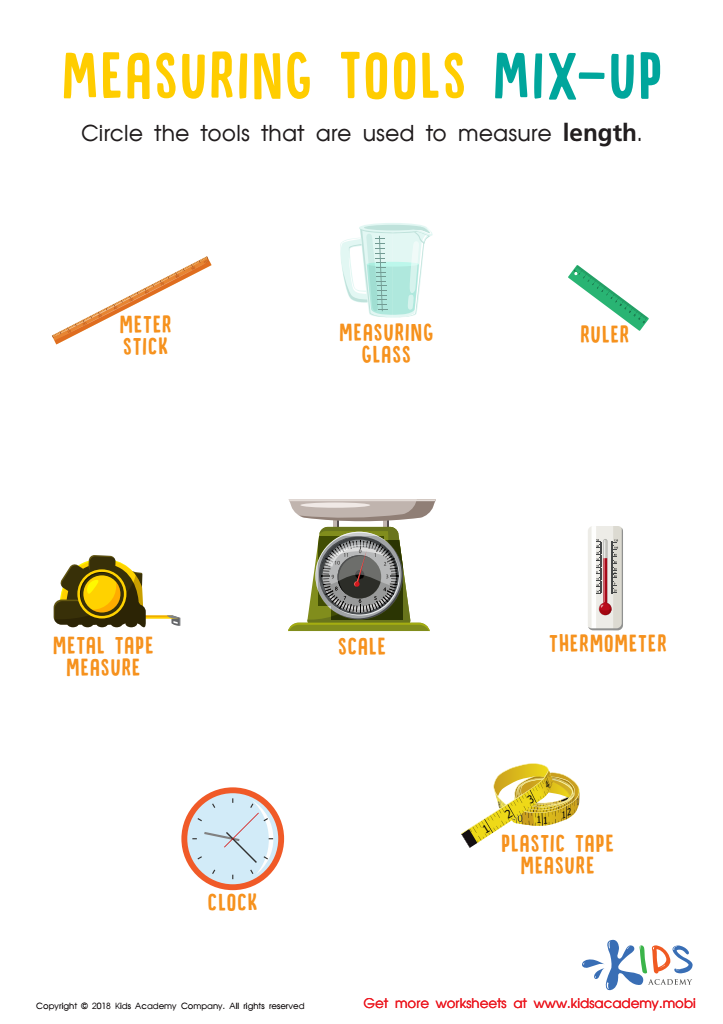
Measuring Tools Mix–up Worksheet
 Assign to My Students
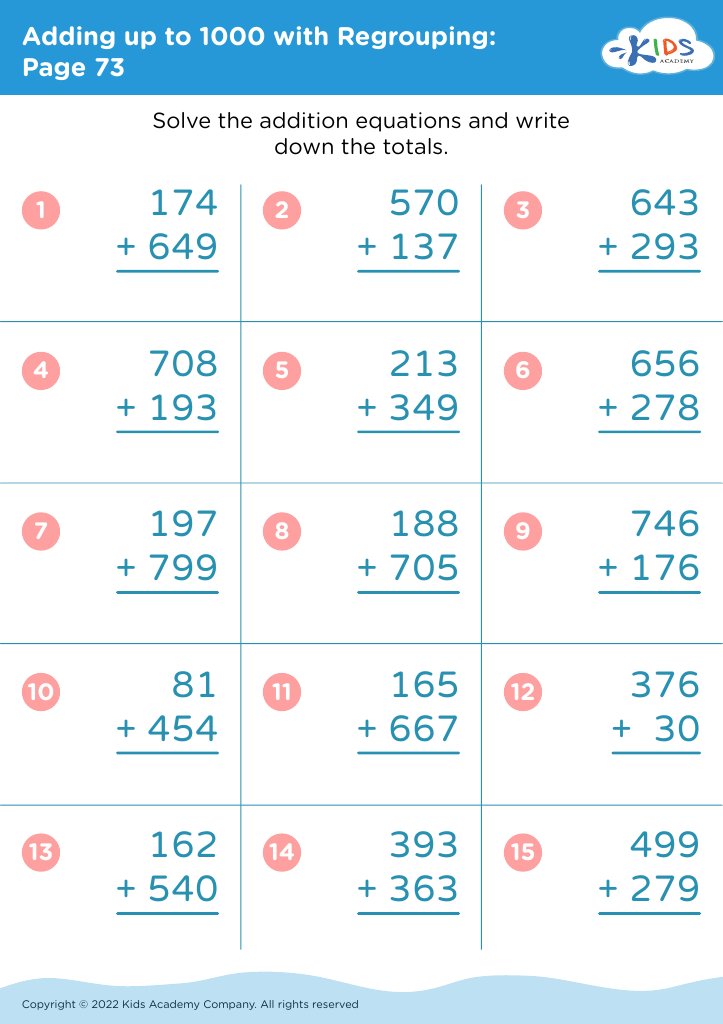
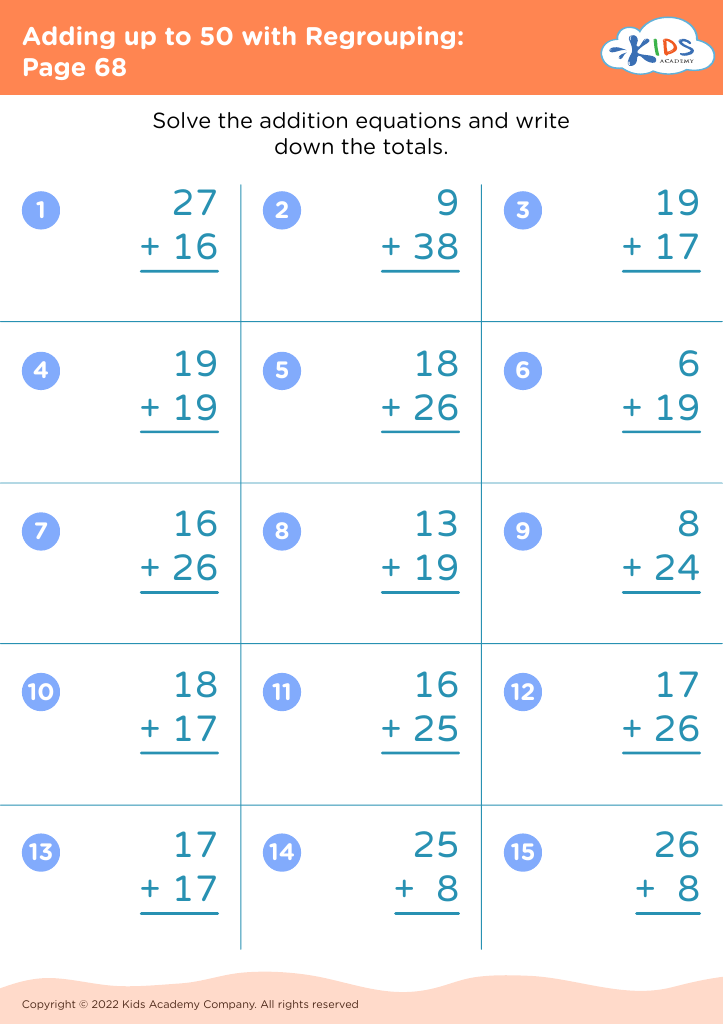
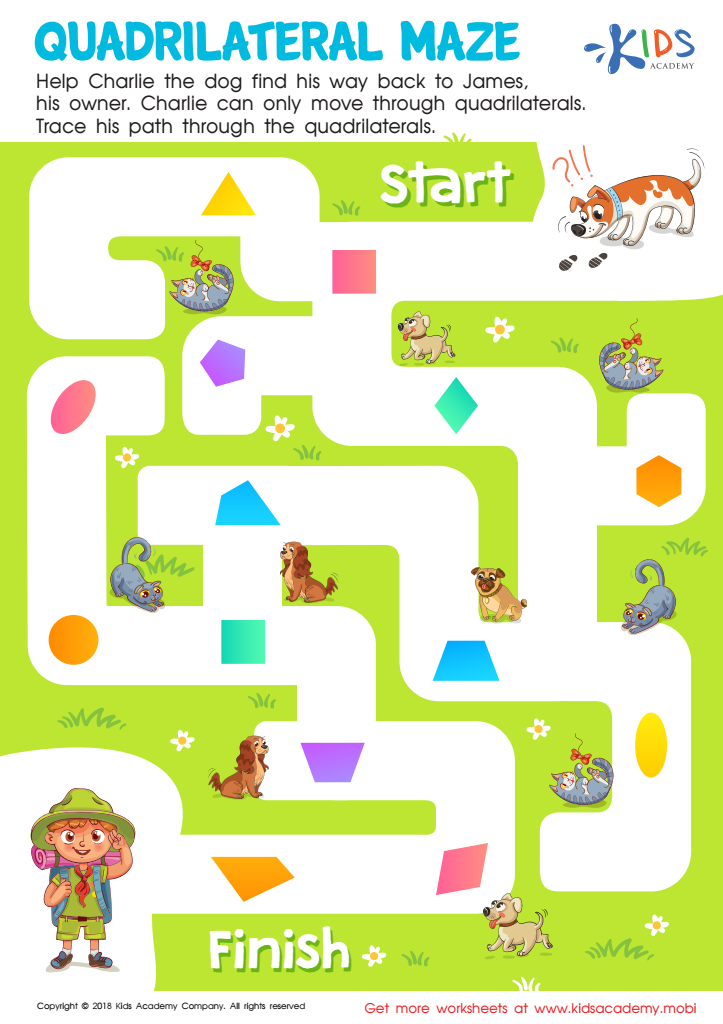
Quadrilateral Maze Worksheet
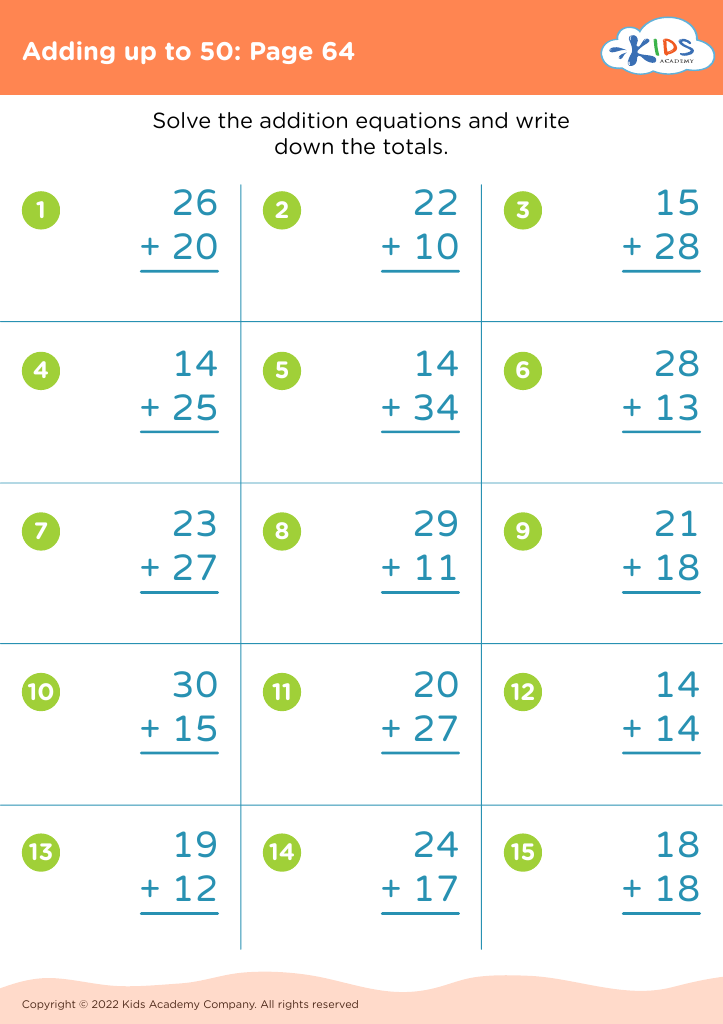
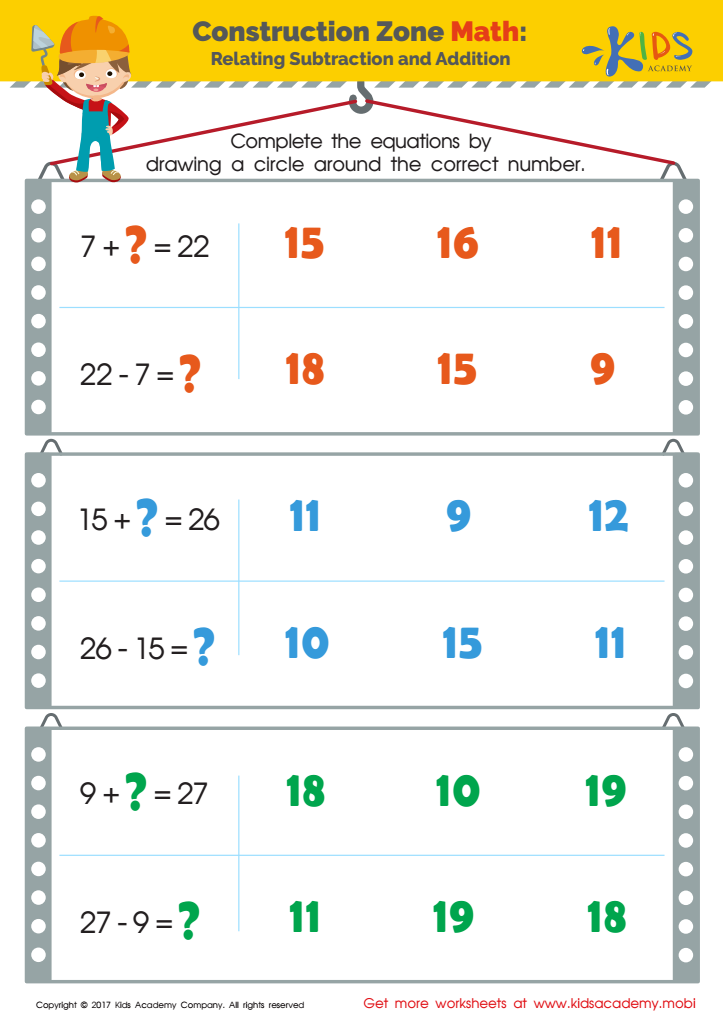
Related Addition and Subtraction Facts Worksheet








Developing logical thinking and math skills in 8-year-olds is crucial for parents and teachers to focus on because it lays the foundation for future learning and problem-solving abilities. At this developmental stage, children's brains are highly receptive to new information and cognitive challenges. By engaging them in mathematical thinking, we help enhance their ability to reason systematically, recognize patterns, and think critically. These skills are not only essential for succeeding in math but also for everyday decision-making and problem-solving tasks.
Moreover, early exposure to math helps to demystify the subject, making it less intimidating and more enjoyable for children as they progress through school. When children understand math concepts early on, they build confidence, which can foster a positive attitude toward learning in general.
Furthermore, logical thinking is a transferable skill that is beneficial across various subjects and aspects of life. For instance, it improves their reading comprehension as they learn to infer and deduce in narratives and enhances their scientific thinking as they explore cause and effect relationships.
Parents and teachers play a pivotal role in creating a supportive environment that nurtures curiosity and analytical thinking. By prioritizing this development, they invest in the child’s long-term academic success and their ability to navigate an increasingly complex world.








