Develops fine motor skills Math Worksheets for 8-Year-Olds
3 filtered results
-
From - To
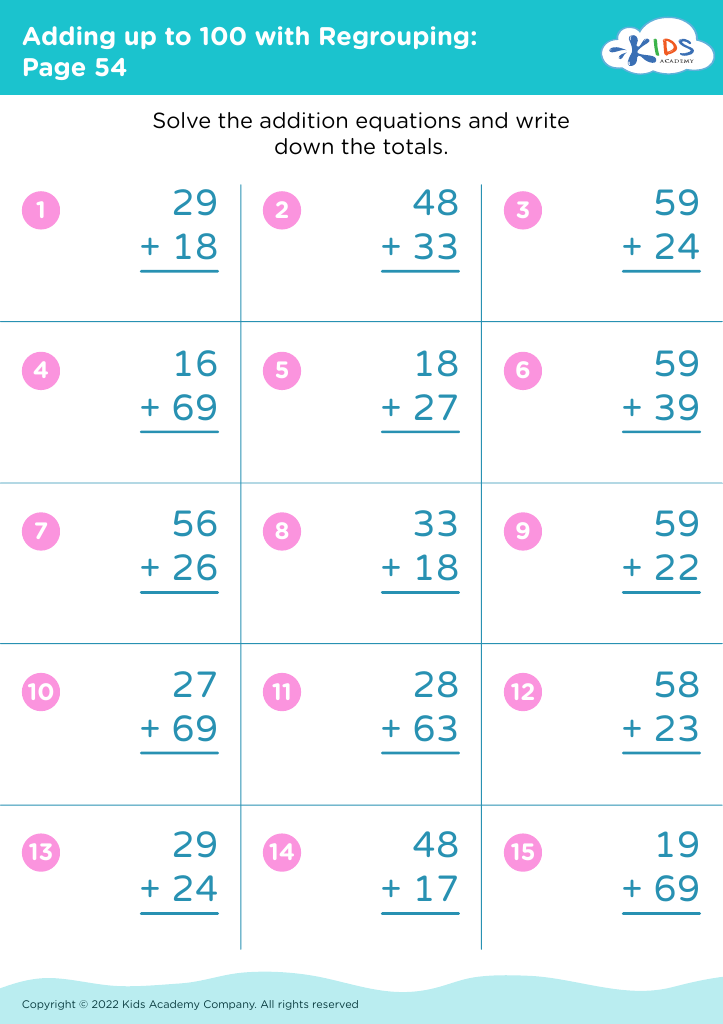
Enhance your child's fine motor skills with our engaging math worksheets designed specifically for 8-year-olds. Our activities foster coordination, dexterity, and precision while reinforcing fundamental math concepts like addition, subtraction, and problem-solving. Each worksheet is thoughtfully crafted to combine fun with essential skill development, ensuring a well-rounded learning experience. Through tracing, coloring, and cutting activities, kids will develop the hand strength and control needed for more complex tasks later on. Perfect for at-home practice or classroom use, our fine motor skills worksheets are an excellent way to support your child's educational journey while keeping them entertained and motivated!
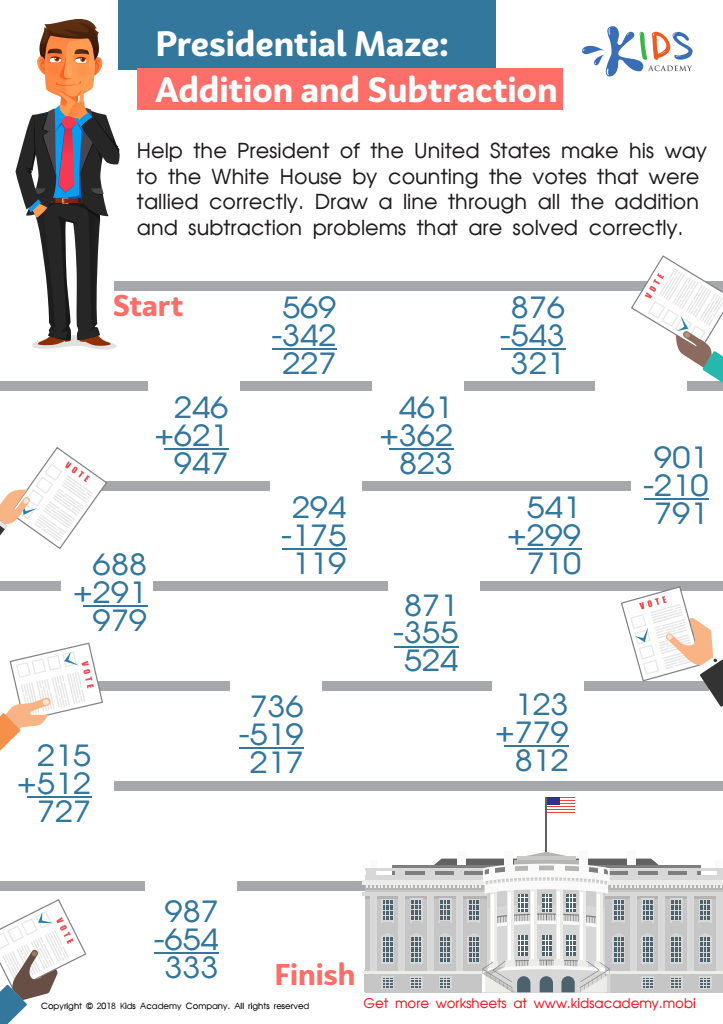
Presidential Maze: Addition and Subtraction Worksheet
 Assign to My Students
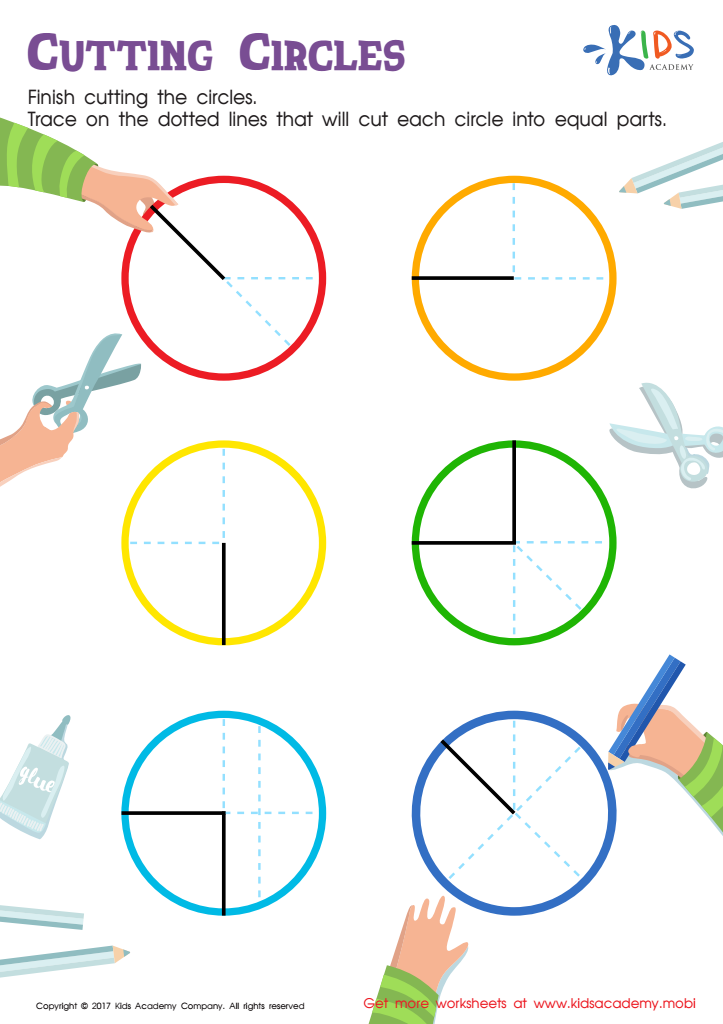
Cutting Circles Worksheet






.jpg)

Developing fine motor skills is crucial for 8-year-olds, especially in relation to math activities. As children progress through their educational journey, the ability to manipulate tools, write clearly, and engage physically with materials enhances their learning experience. Fine motor skills facilitate tasks such as manipulating math manipulatives (like blocks, counters, or beads) or using writing instruments for jotting down calculations, enhancing both precision and confidence.
Parents and teachers should be concerned about this development because strong fine motor skills contribute to a child’s overall academic success. In math, these skills help children perform operations accurately and efficiently, ultimately improving their problem-solving abilities. Additionally, the confidence gained from mastering fine motor skills can lead to a positive attitude towards learning.
Encouraging activities that develop fine motor skills—such as cutting, drawing, or working with construction sets—can aid in creating a well-rounded foundation for math learning. It’s essential not just for everyday math tasks, but for building persistence and a growth mindset as children face challenges in learning complex concepts. By focusing on fine motor skills, parents and teachers can significantly enhance a child's ability to engage with math and pave the way for successful future learning experiences.








