Enhances number recognition Math Worksheets for 8-Year-Olds
4 filtered results
-
From - To
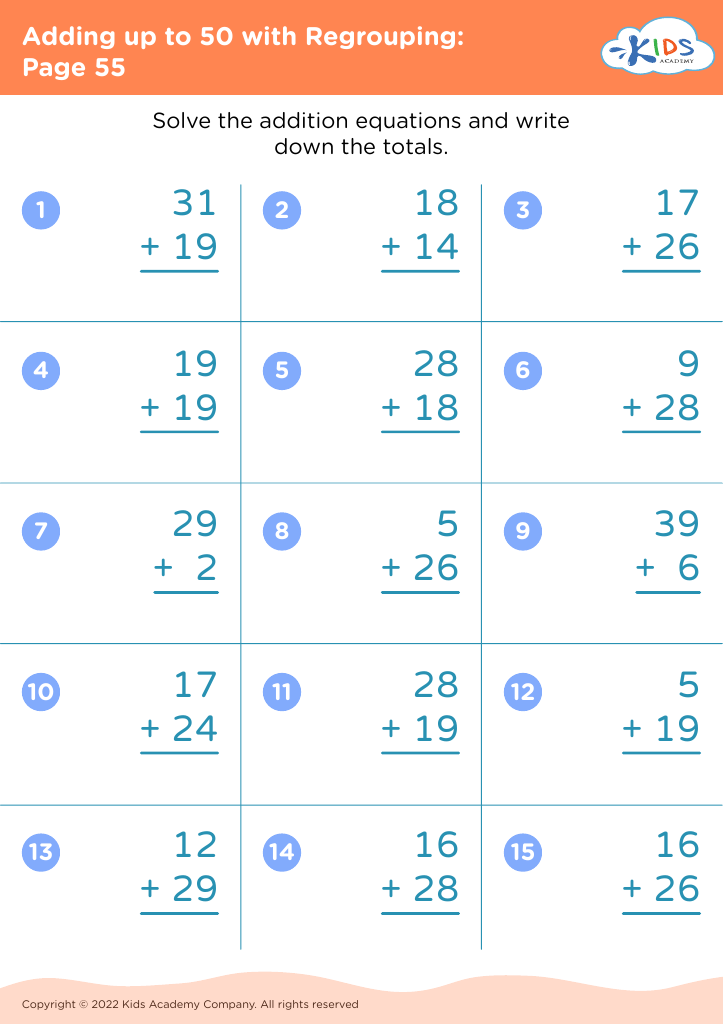
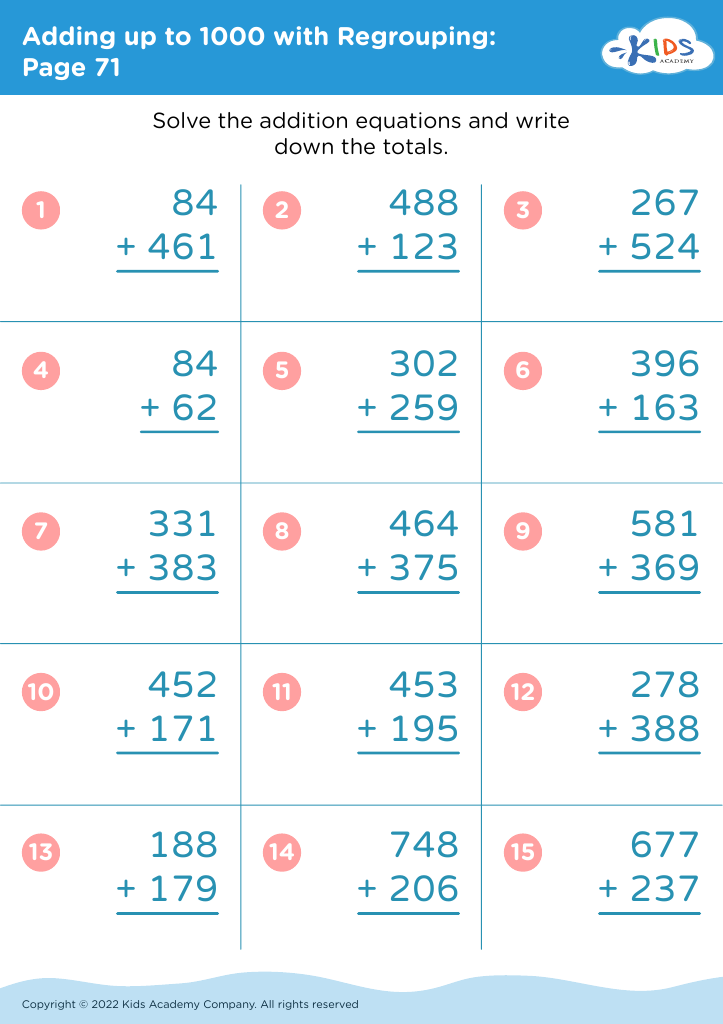
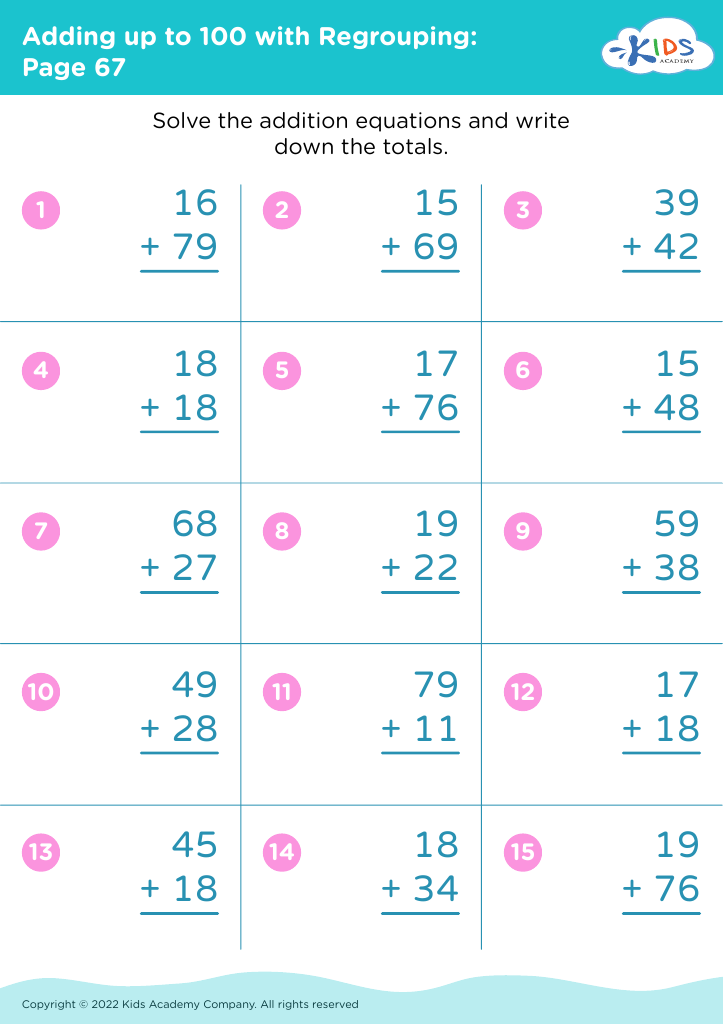
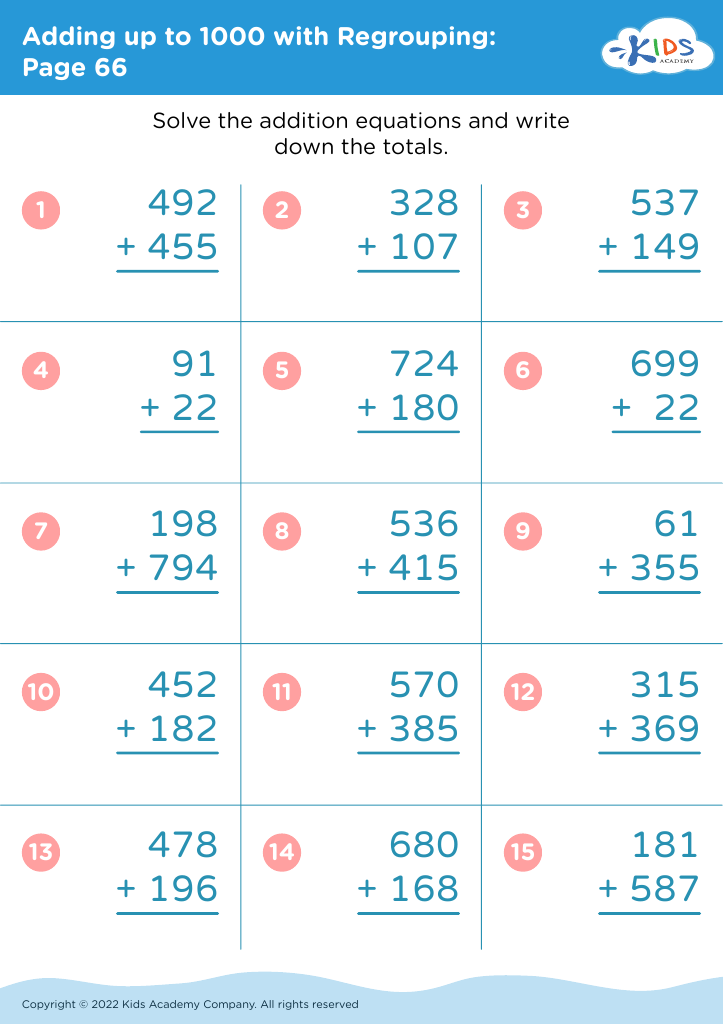
Explore our engaging "Enhances Number Recognition Math Worksheets" designed specifically for 8-year-olds! Our worksheets foster essential math skills by helping children grasp number recognition through fun and interactive activities. From identifying numbers to matching and sequencing, these resources ensure a solid foundation for future math concepts. Each worksheet is crafted to suit diverse learning styles, promoting independence and confidence in young learners. Whether used at home or in the classroom, our engaging worksheets will captivate your child's curiosity and enhance their understanding of numeracy. Start your child’s math journey today and watch them thrive while developing crucial number recognition skills!





Enhancing number recognition in 8-year-olds is a critical aspect of their mathematical development that warrants significant attention from both parents and teachers. At this age, children are transitioning from basic number identification to more complex mathematical concepts, such as addition, subtraction, and even early multiplication and division. Strong number recognition skills form the foundation for these skills and foster overall mathematical fluency.
By improving number recognition, children develop confidence in their abilities, which can lead to a more positive attitude toward math. When they easily recognize numbers, they are better equipped to solve problems, construct equations, and apply mathematical concepts in real-world scenarios. Parents and teachers can support this skill through engaging activities, games, and everyday situations that encourage children to practice their number recognition in a fun and meaningful way.
Additionally, strong numerical skills contribute to broader academic success and cognitive development, setting children up for advanced learning in the future. By prioritizing number recognition, alongside other mathematical proficiencies, both parents and teachers play a crucial role in helping children achieve their full potential in math and build essential skills that will serve them throughout their lifelong learning journey.








