
Fraction conversion Math Worksheets for 8-Year-Olds
3 filtered results
Difficulty Level
Grade
Age
-
From - To
Subject
Activity
Standards
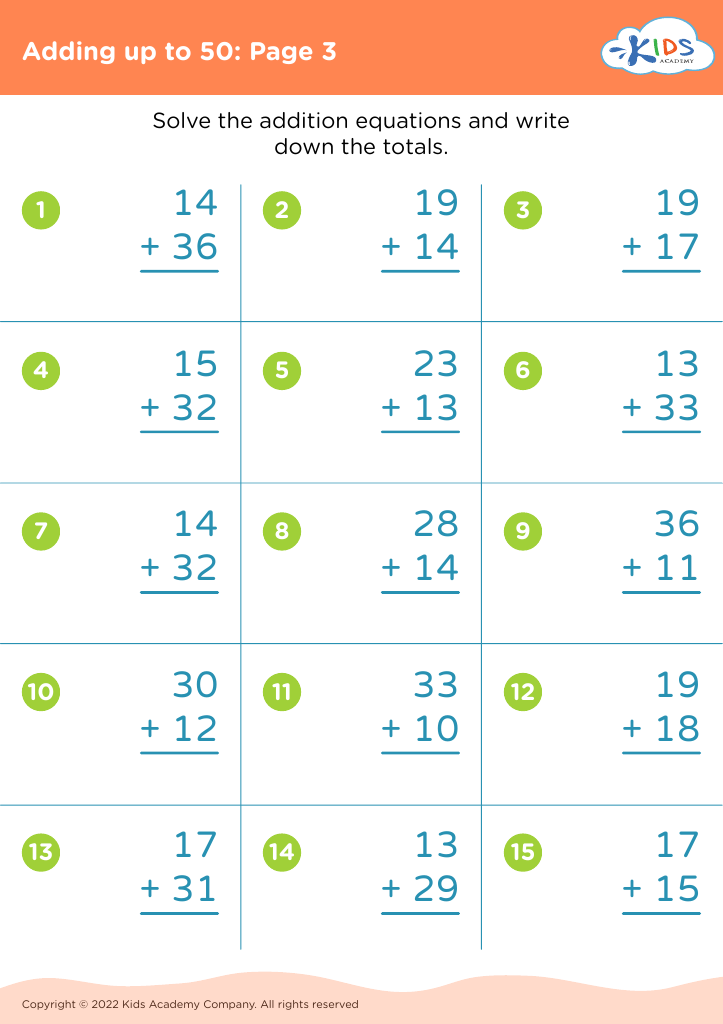
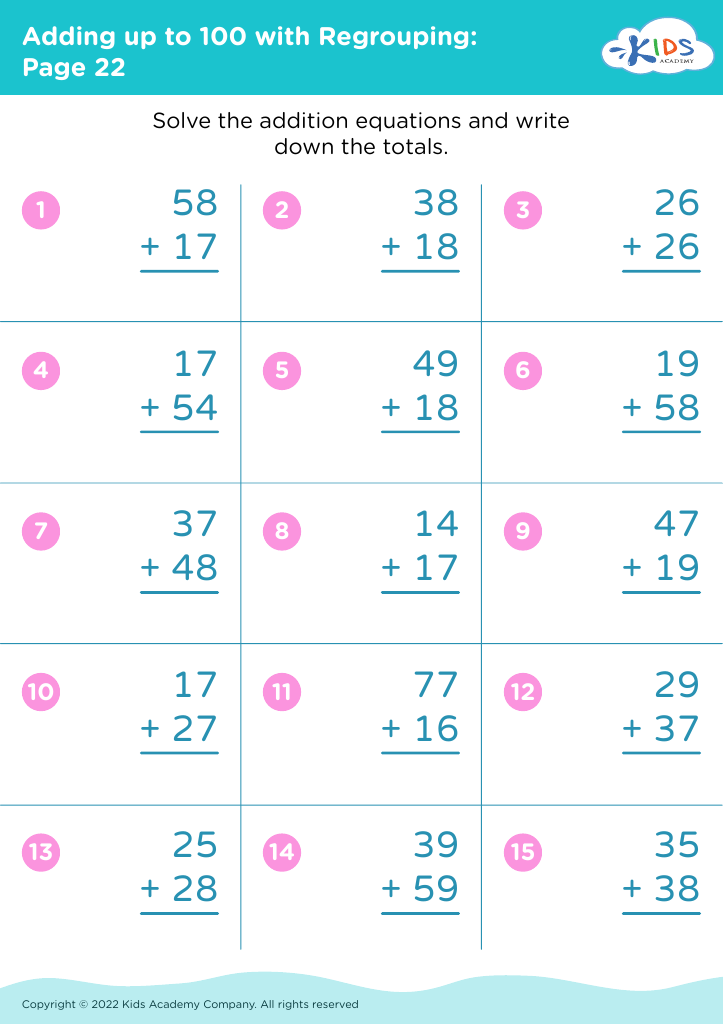
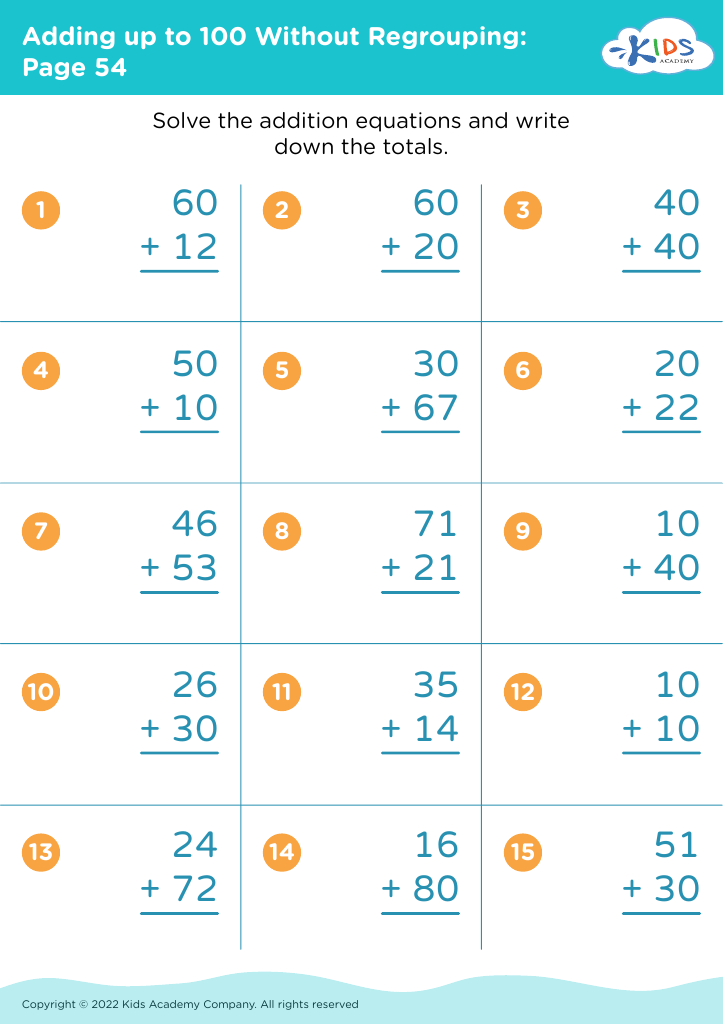
Boost your 8-year-old's math skills with our engaging fraction conversion worksheets! Designed specifically for young learners, these printable resources introduce essential fraction concepts through fun exercises that support their understanding of equivalent fractions and basic operations. Each worksheet is tailored to promote critical thinking, allowing kids to practice converting fractions to decimals and percentages in a stress-free manner. Perfect for at-home learning or classroom activities, our materials foster confidence and skill in tackling fraction problems. Explore our diverse selection of worksheets today and help your child master fraction conversion while enjoying their math journey!
Favorites
With answer key
Interactive
Join Kids Academy for Free
Who is primarily going to use this learning content?






Fraction conversion is a fundamental math skill that young learners, such as 8-year-olds, should master for several reasons. First, understanding fractions is critical for their overall math proficiency, as it lays the groundwork for more complex concepts later in their education, such as algebra and ratios. As students encounter word problems, cooking measurements, or dividing items, they need to confidently convert fractions to grasp and solve real-life situations effectively.
Second, mastering fraction conversion promotes critical thinking and problem-solving abilities. By manipulating fractions, students learn to analyze and approach problems from different angles, fostering a growth mindset. This skill not only boosts mathematical performance but also heightens their analytical reasoning for various subjects.
Additionally, competency in fraction conversion encourages perseverance. Fraction concepts often challenge students, and navigating these struggles can cultivate resilience as they learn to tackle complex tasks over time. Parents and teachers should emphasize fraction conversions in their teaching practices, offering connected and practical learning experiences, so young learners build a strong foundation in math that can benefit them academically and in daily life. This focus not only supports individual growth but also contributes to a more overall math-literate society.








