Mathematical skills Math Worksheets for 8-Year-Olds
3 filtered results
-
From - To
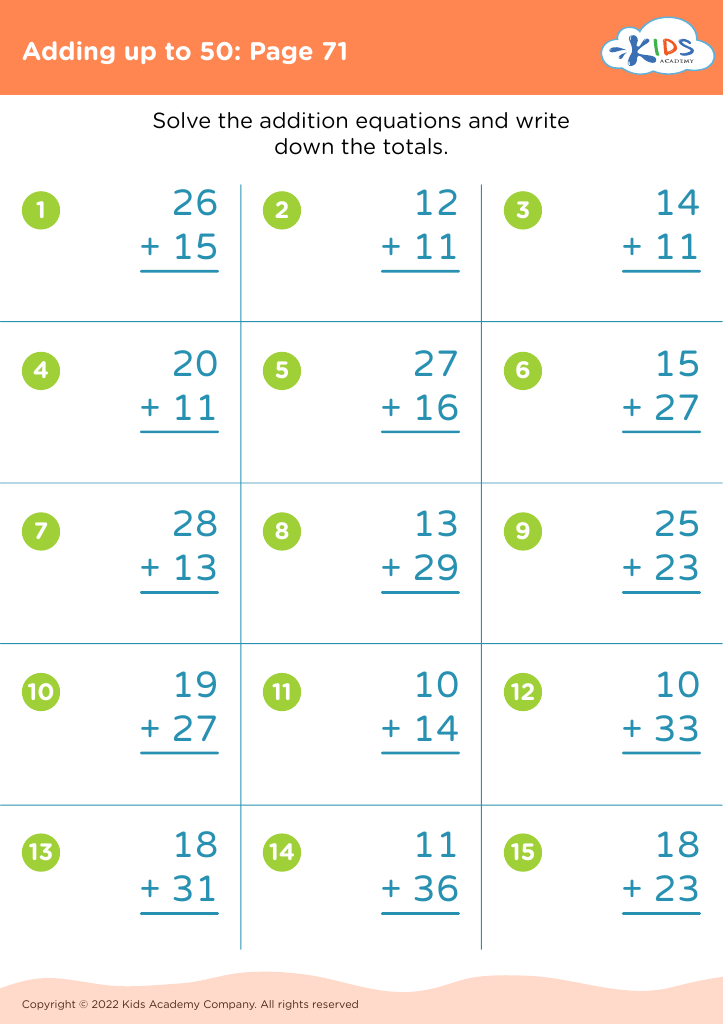
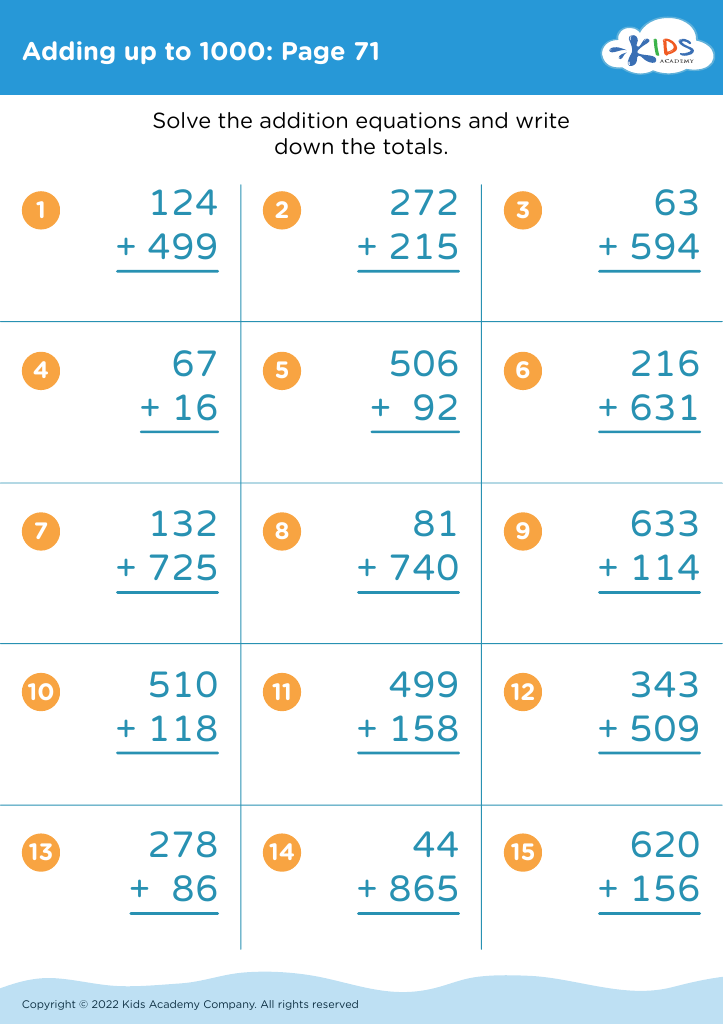
Unlock your child's potential with our engaging mathematical skills math worksheets designed specifically for 8-year-olds! These worksheets provide a fun and interactive way to strengthen essential math concepts, including addition, subtraction, multiplication, and problem-solving abilities. Each carefully crafted activity promotes critical thinking and numerical fluency, ensuring your child gains confidence in their math skills. With colorful illustrations and age-appropriate challenges, our worksheets make learning enjoyable. Perfect for both at-home practice and classroom reinforcement, these resources cater to diverse learning styles. Begin your child’s mathematical journey today and watch them thrive in mathematics with our effective and creative worksheets!
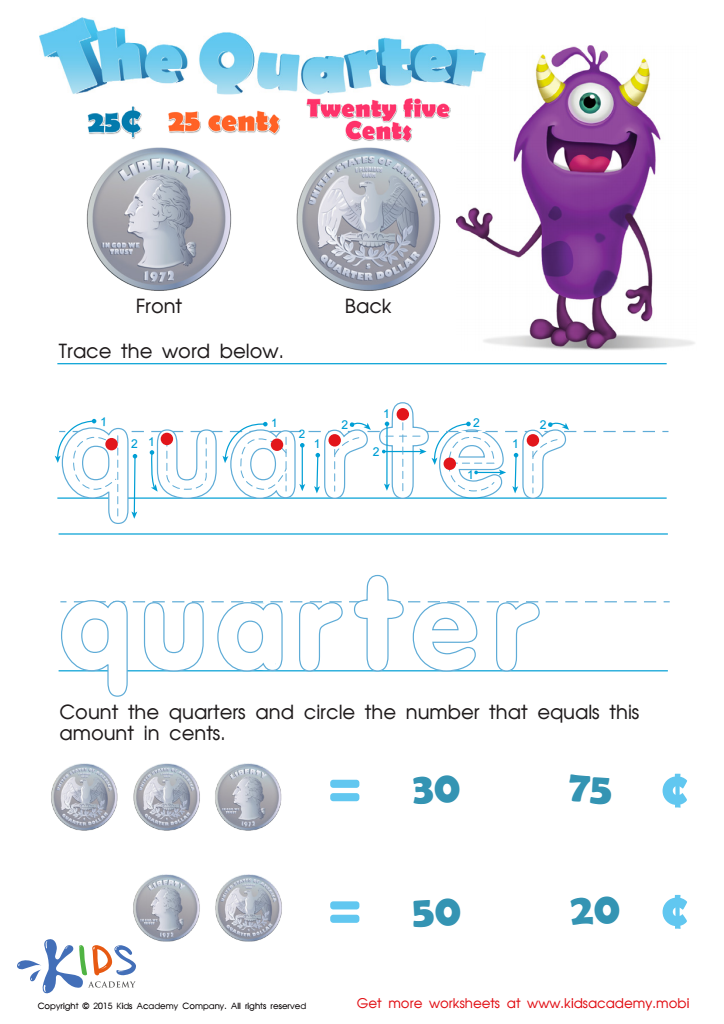
Twenty Five Cents or the Quarter Money Worksheet
 Assign to My Students






%20(1).jpg)

Mathematical skills are crucial for 8-year-olds as they establish the foundation for future learning and everyday problem-solving. At this age, children transition from basic counting to more complex operations, which helps enhance their critical thinking and reasoning abilities. Mastering math concepts like addition, subtraction, multiplication, and division promotes cognitive development and strengthens logical reasoning.
Moreover, strong math skills help children gain confidence. Successfully tackling math problems can foster a sense of achievement and encourage them to engage more actively in learning. These skills also correlate with everyday life: whether they're measuring ingredients for a recipe or understanding money management, math is a constant in real-world applications.
Parents and teachers play a key role in nurturing these abilities. An encouraging learning environment can stimulate a child's interest in mathematics, making them more likely to pursue STEM-related subjects in the future. Additionally, math can promote collaborative learning when children work together, enhancing their social skills.
Thus, investing time and resources into a child’s math education is not merely about academic achievement; it’s about equipping them with essential life skills that promote independence, confidence, and a lifelong love for learning.








