Understanding patterns Math Worksheets for 8-Year-Olds - Page 2
42 filtered results
-
From - To
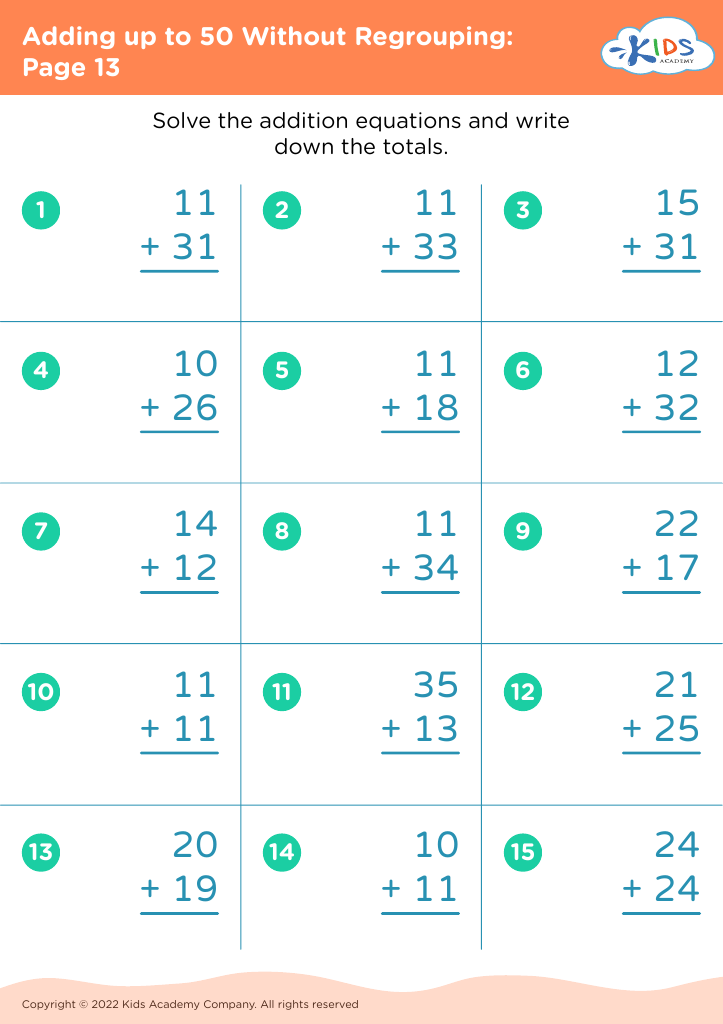
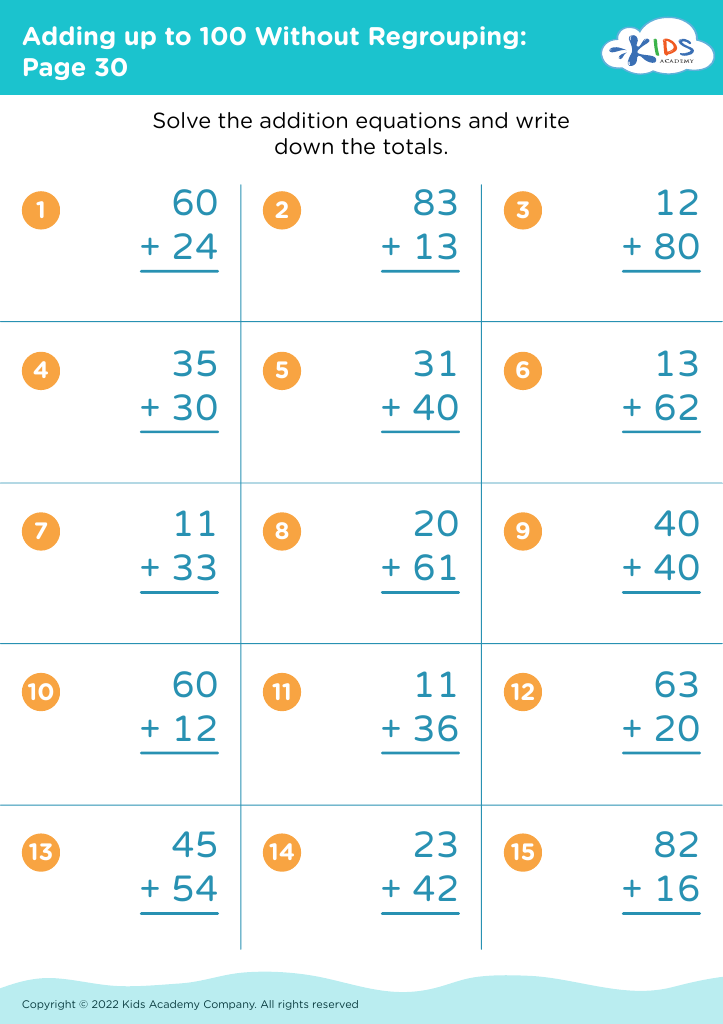
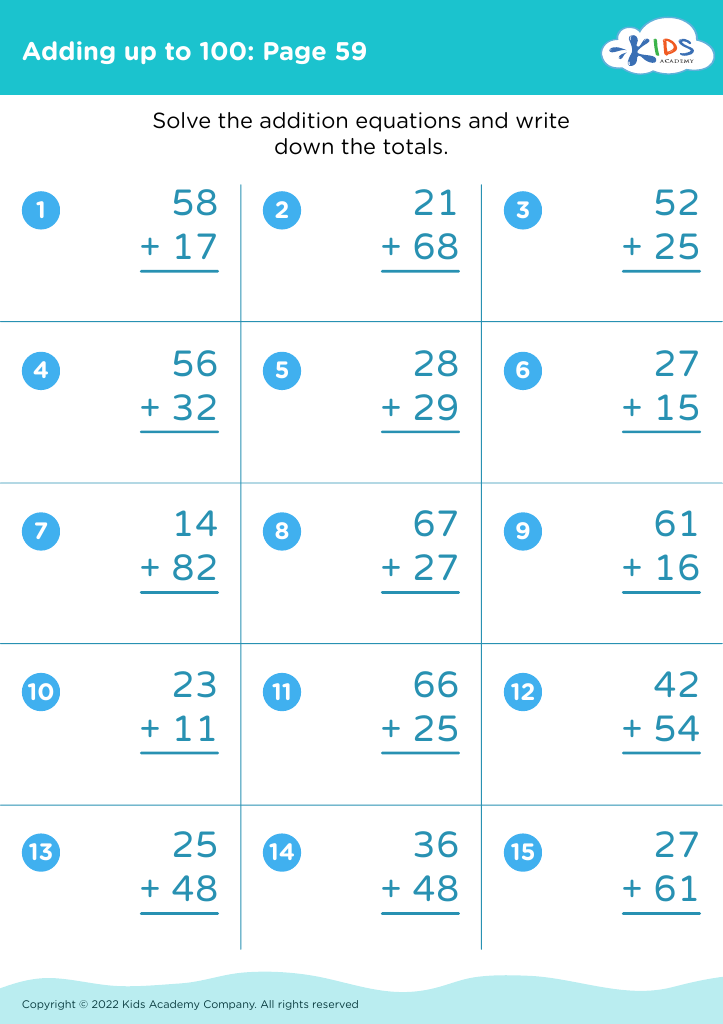
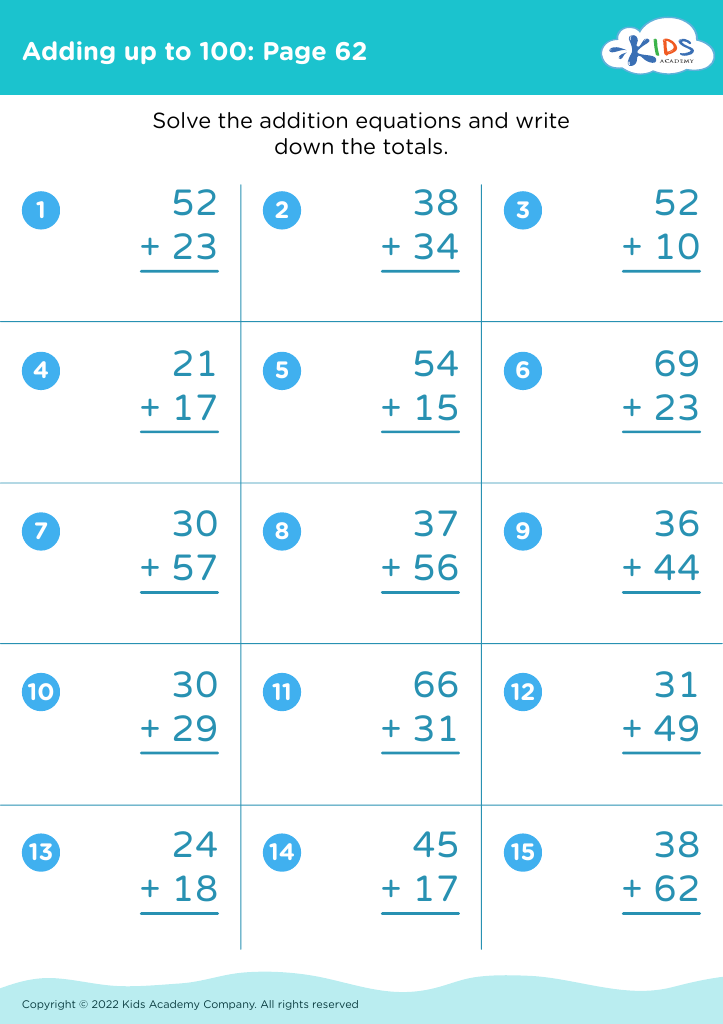
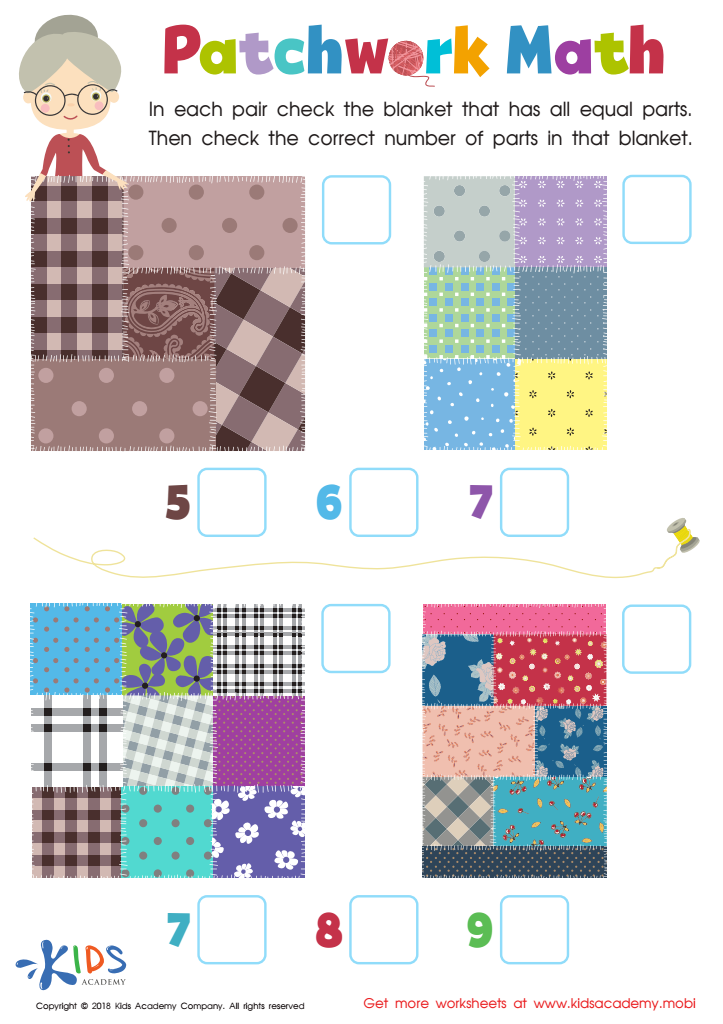
Patchwork Math Worksheet
 Assign to My Students
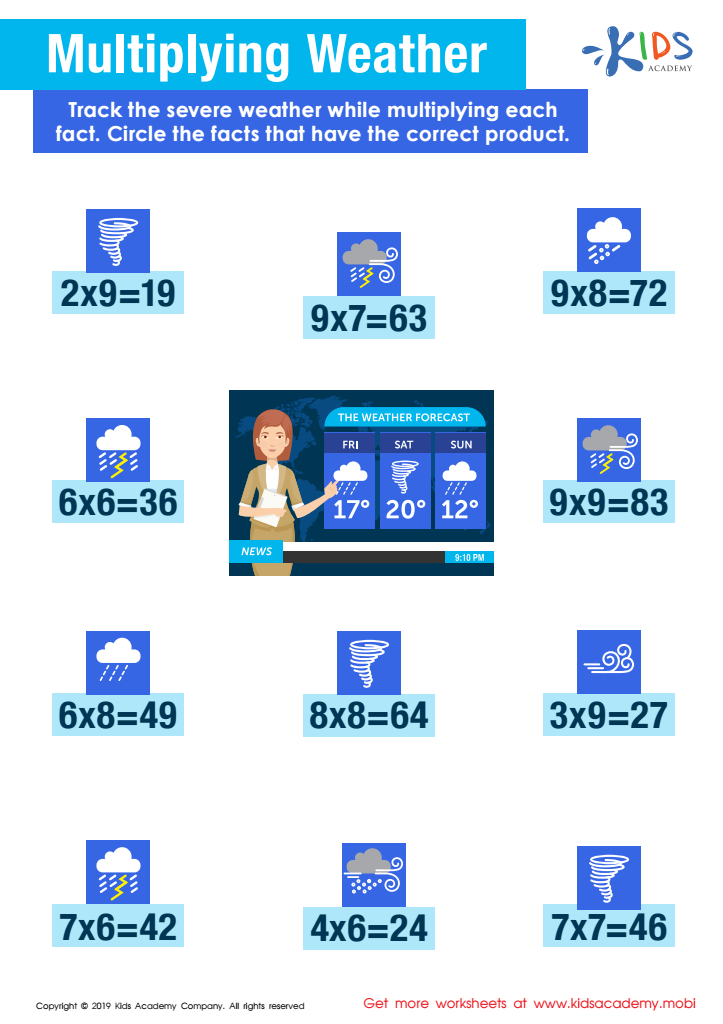
Multiplying Weather Worksheet
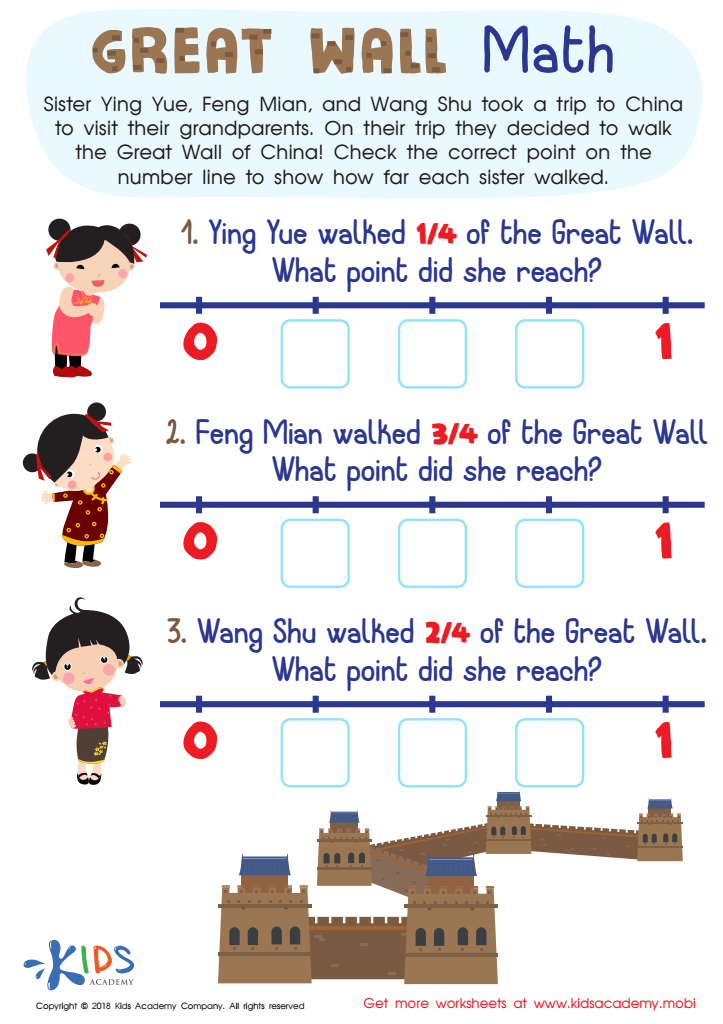
Great Wall Math Worksheet
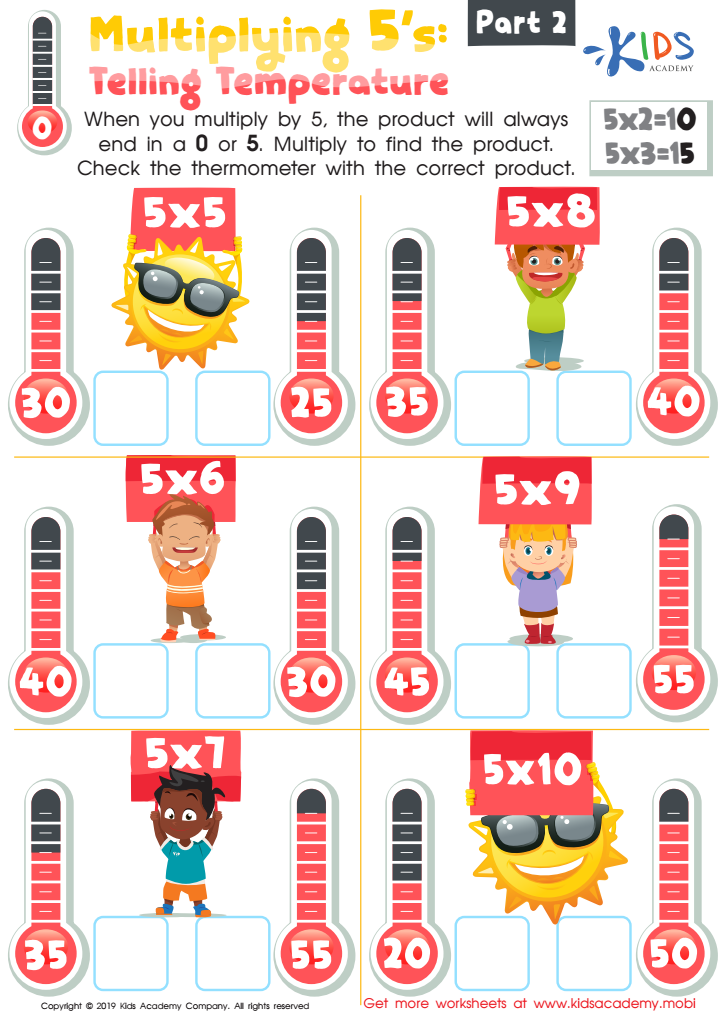
Multiplying 5’s: Telling Temperature Part 2 Worksheet
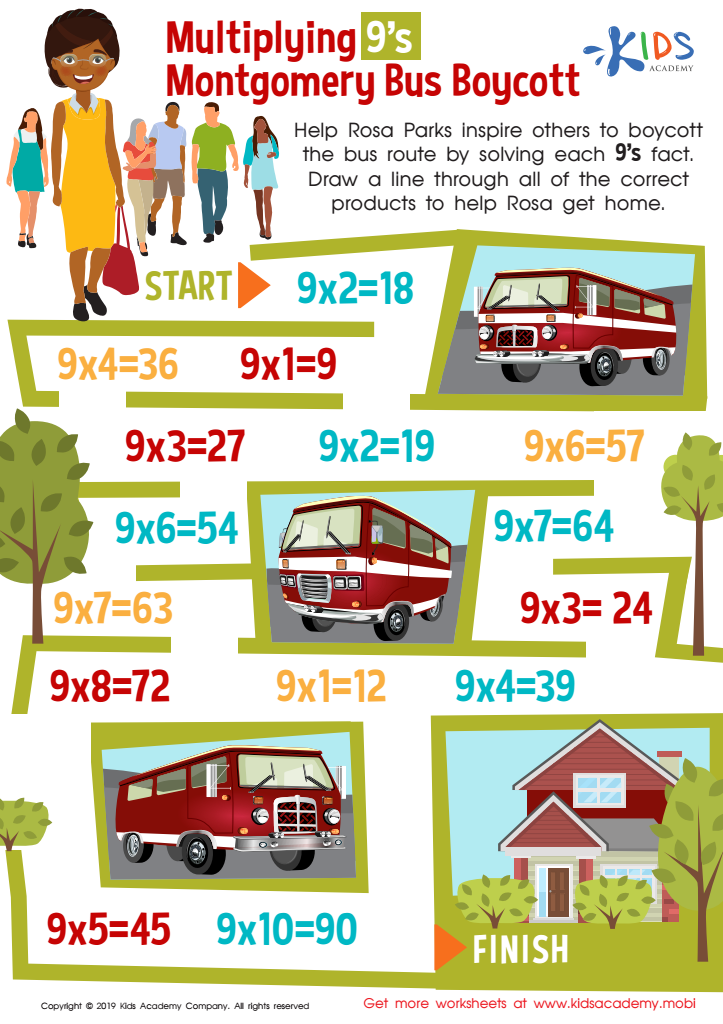
Multiplying 9’s Montgomery Bus Boycott Worksheet
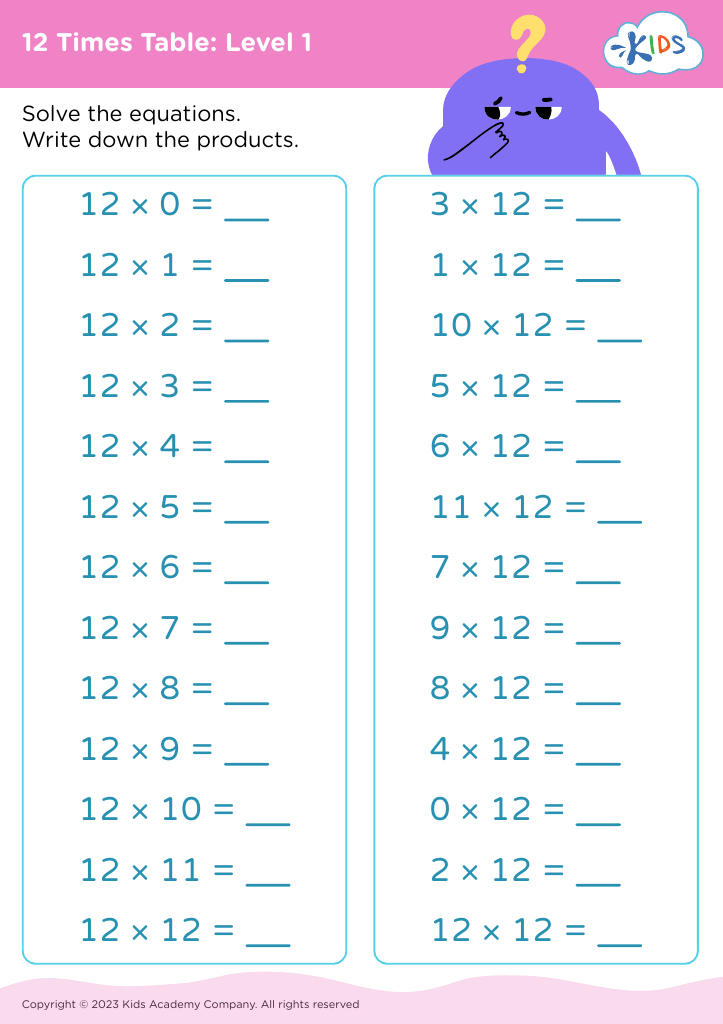
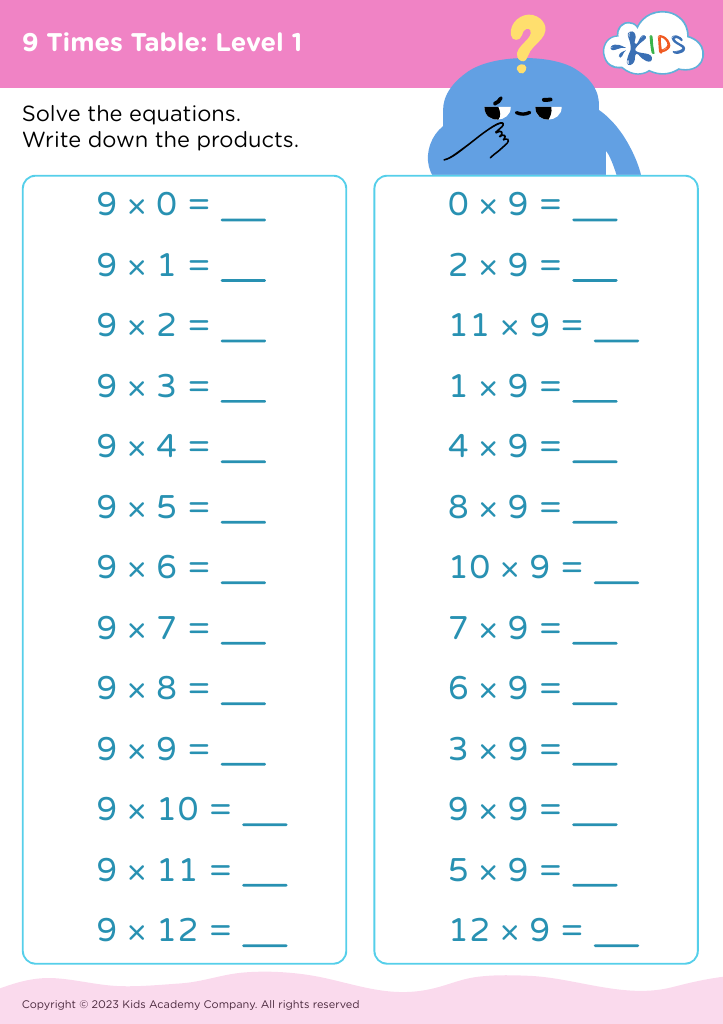








Understanding patterns is a crucial aspect of early math education for 8-year-olds, playing a significant role in cognitive development and problem-solving skills. Patterns help children recognize order, make predictions, and understand relationships between numbers and objects. These abilities form the foundation for more advanced math concepts, such as arithmetic, algebra, and geometry.
For parents, encouraging pattern recognition can make math more engaging and enjoyable for children. Simple activities like identifying patterns in everyday life, such as the sequence of days in a week, or the arrangement of tiles, help children see math in the world around them. This fun approach can foster a positive attitude towards learning and reduce anxiety around math-related subjects.
Teachers, on the other hand, can use patterns to create a structured learning environment. When children understand patterns, they can more easily grasp skip counting, multiplication tables, and even the concept of time and money. Recognizing and creating patterns strengthens critical thinking and promotes logical reasoning, skills that are invaluable across all areas of learning.
In summary, focusing on pattern recognition for 8-year-olds equips them with essential skills for academic success and everyday problem-solving, laying a robust foundation for future education. Both parents and teachers play a pivotal role in integrating these concepts into their environments, creating well-rounded, confident learners.








