Understanding sequence Math Worksheets for 8-Year-Olds
4 filtered results
-
From - To
Our "Understanding Sequence Math Worksheets for 8-Year-Olds" guide young learners through mastering numerical and pattern sequences. Ideal for boosting logical thinking and problem-solving abilities, these worksheets make it easy to grasp essential math concepts. From simple patterns to more complex ordering, each activity is designed to engage and educate. Bright visuals and interactive elements ensure lessons are fun and accessible, encouraging independent learning. Suitable for home or classroom use, these worksheets provide a solid foundation in sequencing, essential for advanced math skills. Help your child excel in mathematics with our thoughtfully curated exercises.
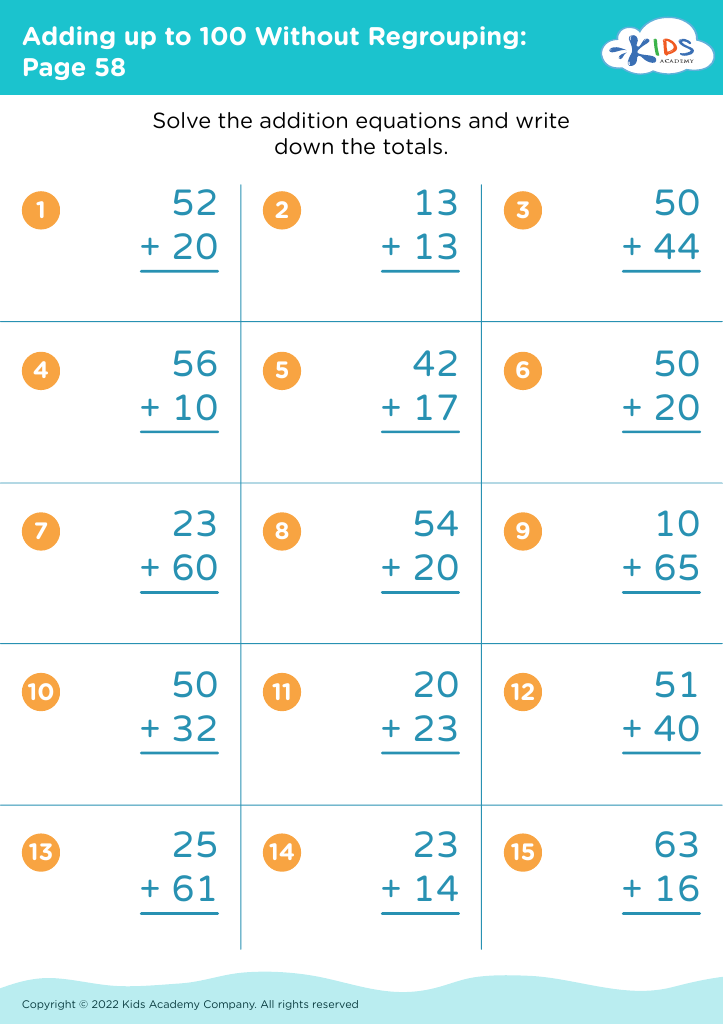
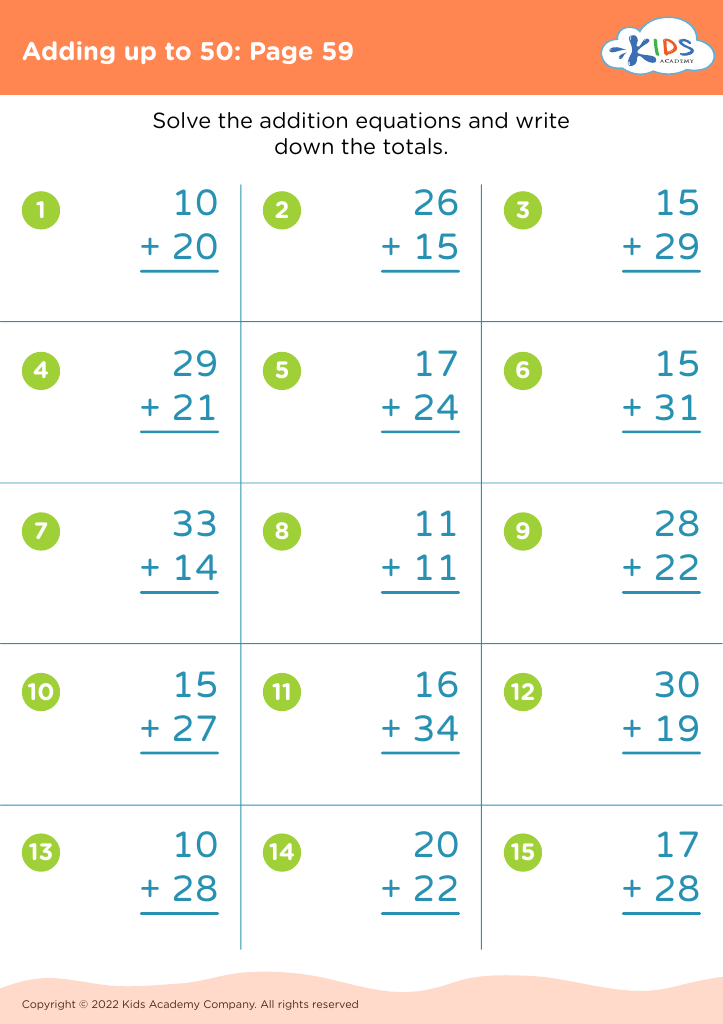
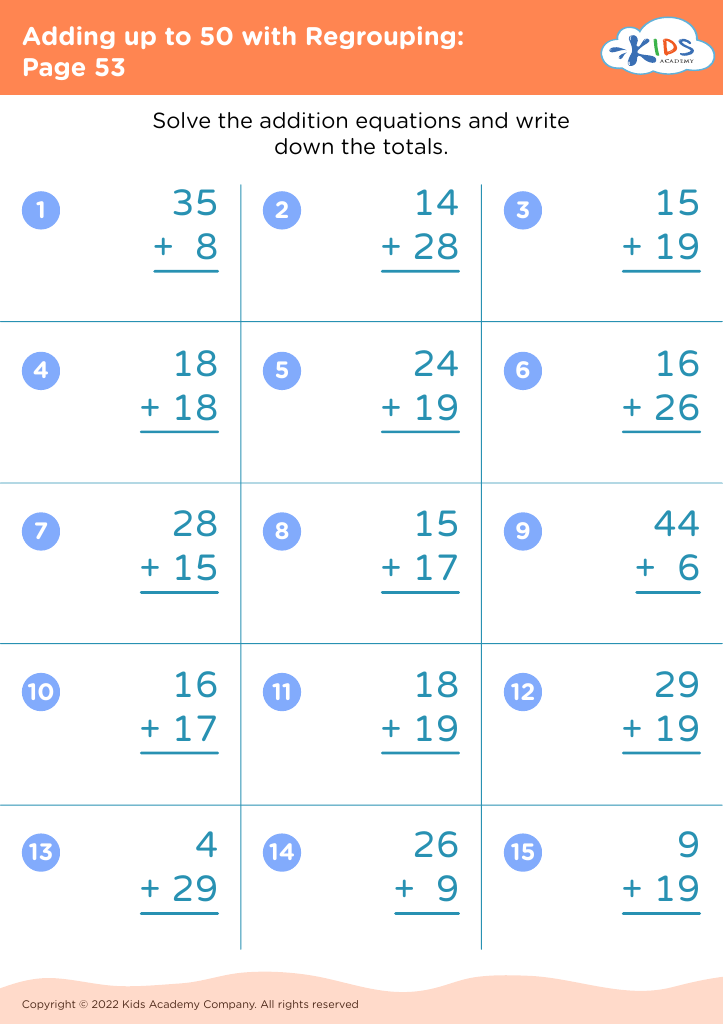
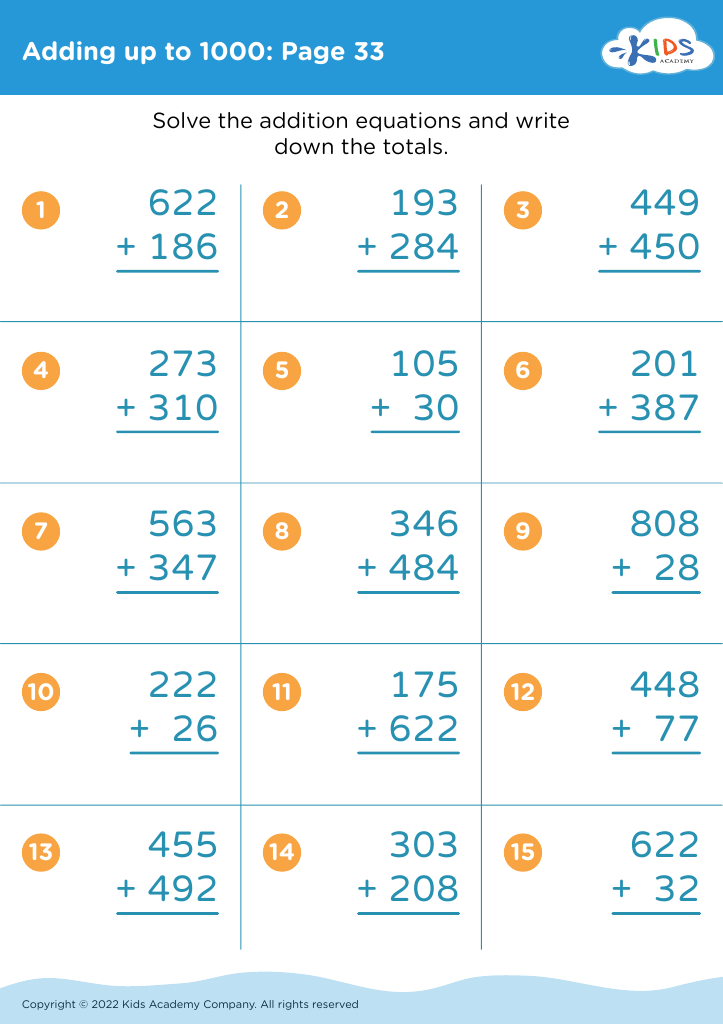







Understanding sequences in math is vital for 8-year-olds because it lays the foundation for advanced mathematical concepts and analytical thinking. At this age, children’s cognitive abilities are rapidly developing, and mastering sequences helps them recognize patterns, an essential skill in both math and daily life.
Sequences train young minds to predict what comes next, fostering logical thinking and problem-solving abilities. For instance, grasping sequences allows children to anticipate numerical progressions, which is crucial when learning addition, subtraction, multiplication, and division. Additionally, sequences are not confined to mathematics; they appear in science, reading, and daily routines, making this skill broadly applicable.
Help from parents and teachers in understanding sequences also cultivates critical thinking and attention to detail. Engaging activities, such as patterned puzzles and sequence games, can make learning interactive and fun, creating positive associations with math.
Furthermore, a solid grasp of sequences can boost a child’s confidence in their math capabilities, encouraging a growth mindset and resilience in tackling more complex topics later on. Ignoring this foundational concept may leave children struggling with more advanced math difficulties. Hence, dedicating time to understanding sequences ensures children are well-prepared for future educational challenges.








