Word Recognition Math Worksheets for 8-Year-Olds
5 filtered results
-
From - To
Boost your child’s math skills with our Word Recognition Math Worksheets for 8-Year-Olds! These printable worksheets combine the elements of reading and math to enhance learning. Each sheet features engaging exercises that help children recognize and interpret mathematical terms, ensuring they grasp core concepts. Our activities focus on word problems, numerical recognition, and language-math connections, making learning fun and effective. Designed by educational experts, these worksheets build confidence and improve problem-solving abilities. Explore our collection to support your child’s educational journey and watch them excel in math effortlessly!
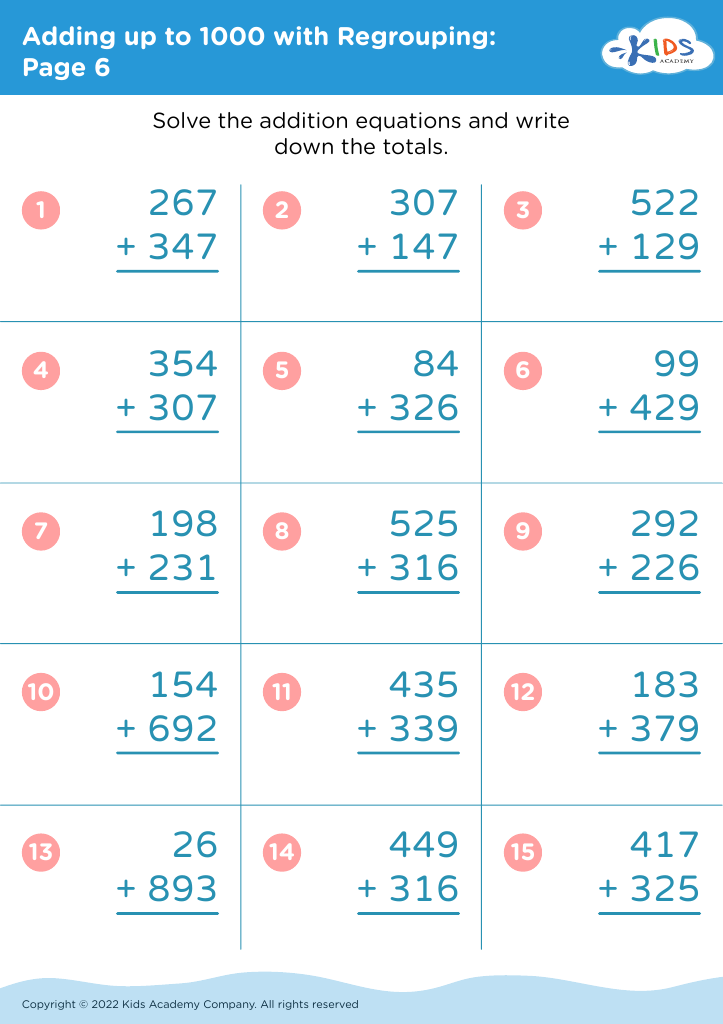
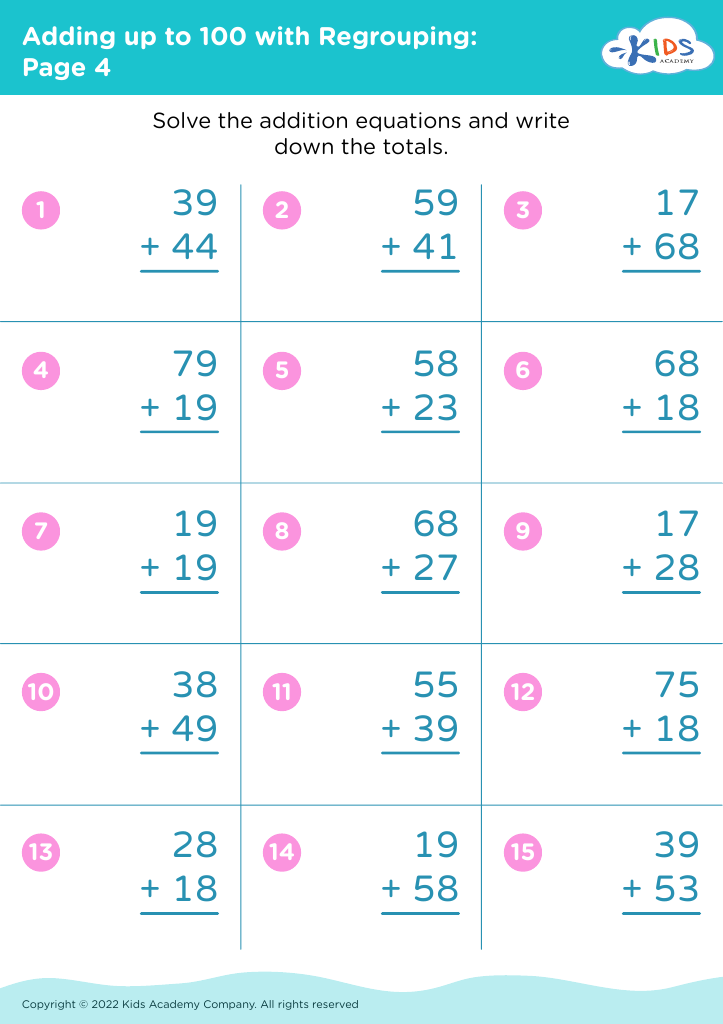
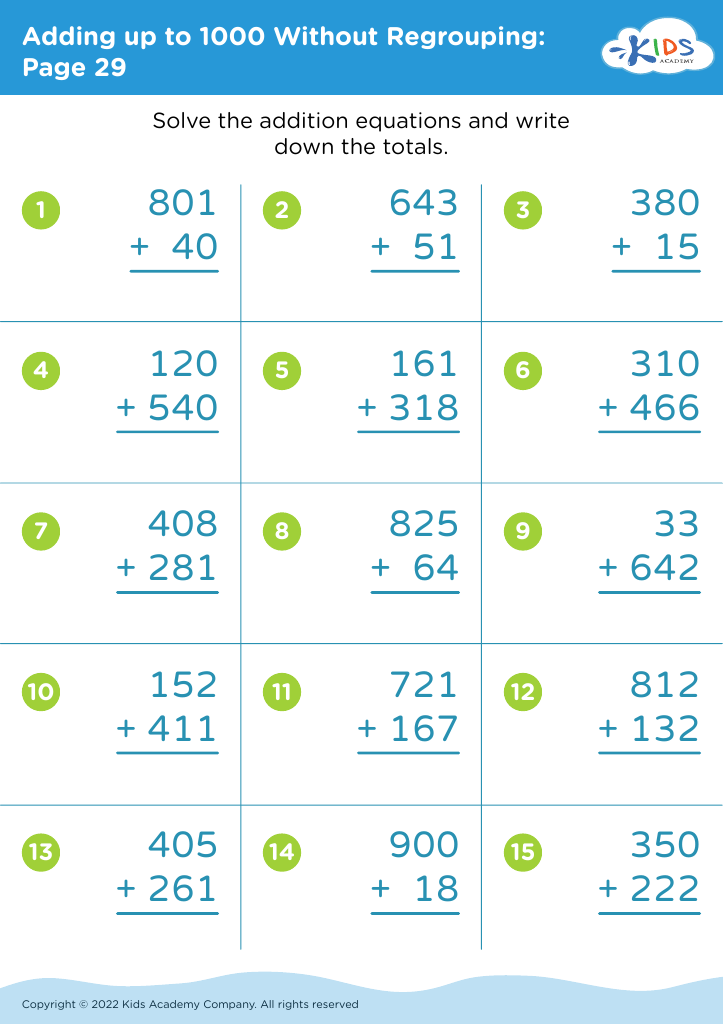
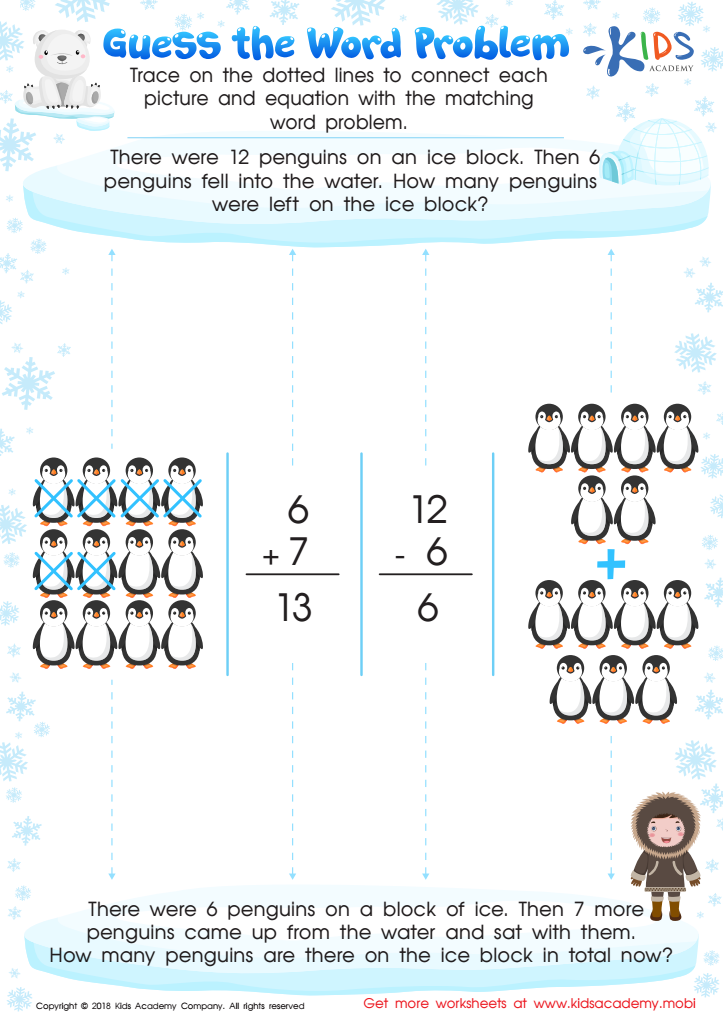
Guess the Word Problem Worksheet
 Assign to My Students







Word recognition in mathematics is vital for 8-year-olds as it forms the foundation for successful learning and application of basic math concepts. At this age, children are transitioning from learning to read to reading to learn, making word recognition crucial in understanding math problems, which are often presented in word form.
Firstly, math word problems help develop critical thinking and problem-solving skills, requiring students to interpret and translate text into mathematical equations. Without solid word recognition skills, children may struggle to grasp the context and intent of these problems, hindering their ability to solve them correctly.
Secondly, a strong grasp of math vocabulary (terms like "sum," "difference," "product," etc.) is essential. This vocabulary lays the groundwork for more complex mathematical concepts students will encounter in later years. Issues with word recognition can delay this understanding, creating gaps in knowledge that may persist over time.
Moreover, improving word recognition in math can boost overall language skills, as math-specific language often includes rich, varied vocabulary that enhances reading comprehension and communication abilities.
Finally, fostering confidence in word recognition within math contexts reduces math anxiety. If students feel proficient reading and decoding math problems, they are more likely to engage positively with the subject, resulting in a more enjoyable and fruitful learning experience. Thus, educators and parents should prioritize this aspect highly to ensure balanced and comprehensive educational development.








