Reading comprehension Building Vocabulary Coloring Pages Worksheets for 8-Year-Olds
4 filtered results
-
From - To
Boost your child's reading comprehension and vocabulary skills with our interactive coloring pages worksheets, designed specifically for 8-year-olds! These engaging worksheets blend fun and learning, offering colorful illustrations that spark creativity while reinforcing essential language skills. Each coloring page features stimulating vocabulary activities that encourage kids to identify, use, and understand new words in context. Perfect for home or classroom use, our worksheets cater to young learners of all abilities, helping them develop confidence in their reading skills. Dive into the world of words with our enjoyable and educational resources today! Explore our collection and watch your child's language skills flourish!
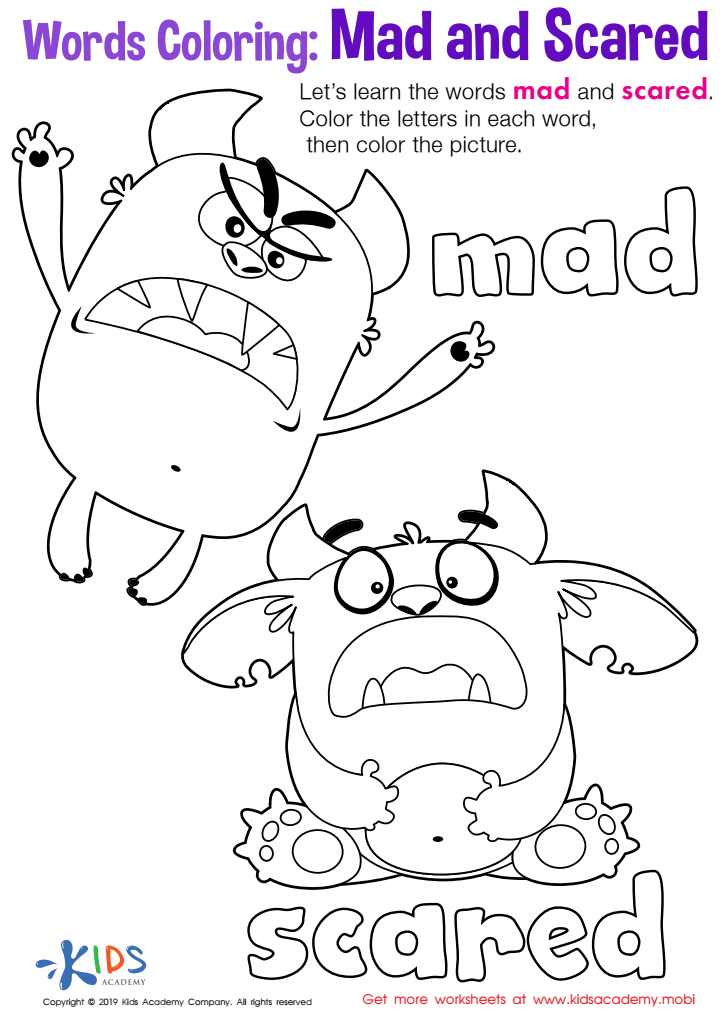
Mad and Scared Words Coloring Worksheet
 Assign to My Students
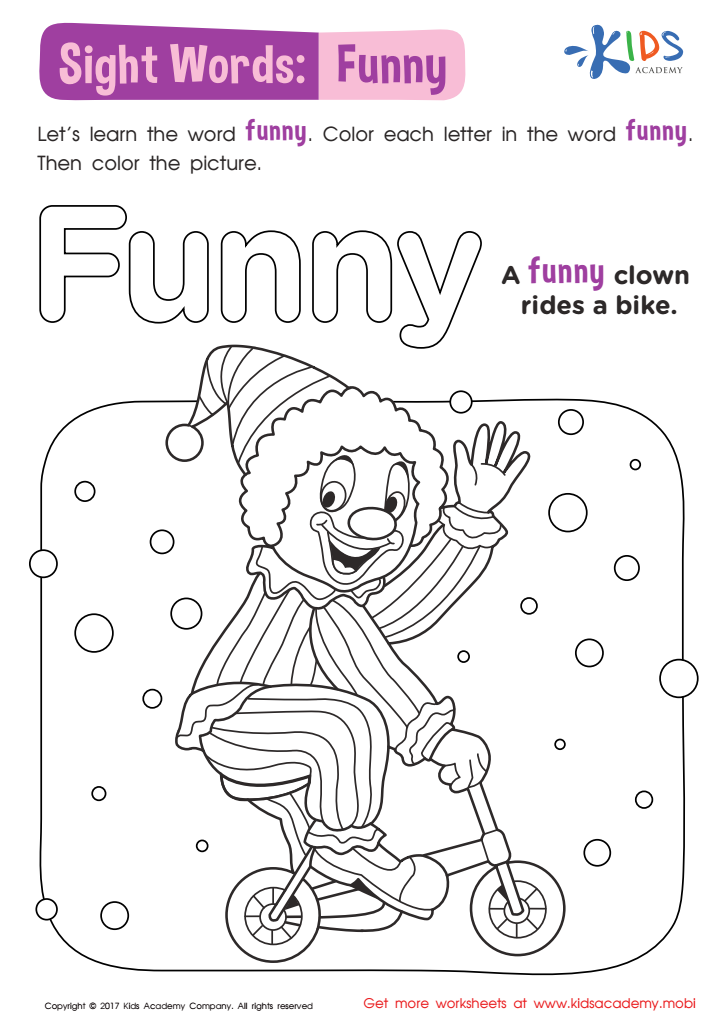
Funny Worksheet Sight Words Worksheet
Assign to My Students

Long and Short E Worksheet
Assign to My Students
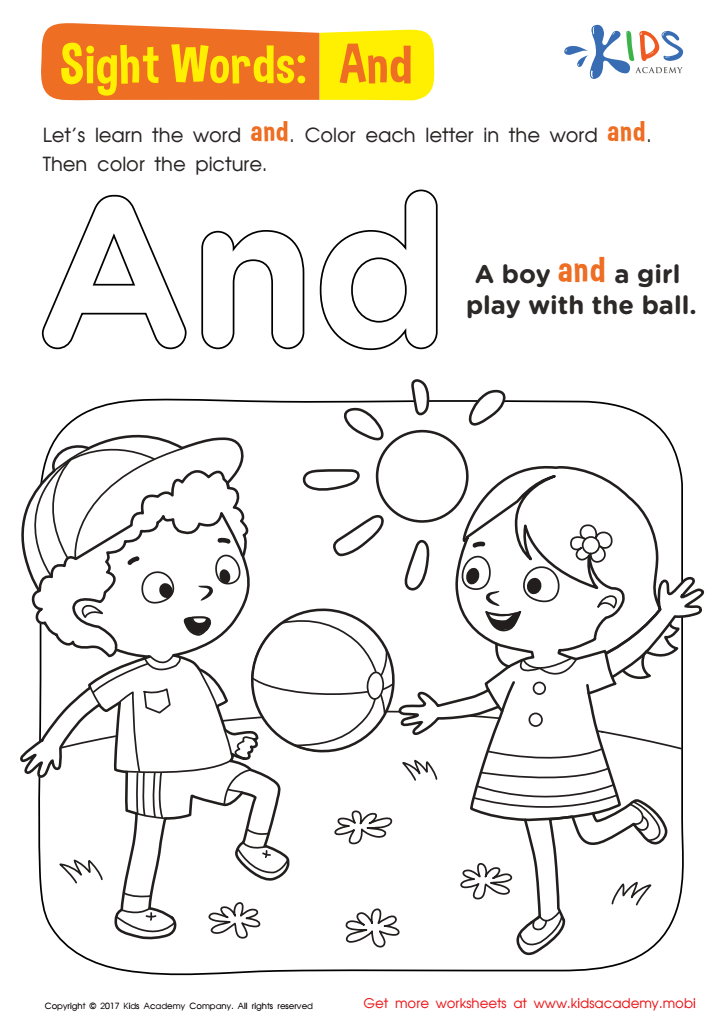
And Worksheet Sight Words Worksheet
Assign to My Students



Reading comprehension and vocabulary building are foundational skills crucial for an 8-year-old's academic success and overall development. At this age, children are transitioning from learning to read to reading to learn, making comprehension skills even more vital. When parents and teachers focus on enhancing these skills, they empower children to better understand texts across subjects, which leads to improved performance in school.
Coloring pages specific to vocabulary enrichment can provide a fun, engaging way for children to explore new words and context. Artistic activities like coloring help reinforce vocabulary while promoting fine motor skills and creativity. Incorporating enjoyable methods of learning facilitates a positive attitude toward education and encourages lifelong reading habits.
Moreover, strong reading skills have been linked to better critical thinking abilities and overall cognitive development. By investing time in activities that build reading comprehension and vocabulary, parents and teachers are equipping children not just with knowledge, but with the confidence and skills necessary to navigate future academic challenges.
Ultimately, emphasizing reading comprehension and vocabulary at this early stage fosters a rich learning environment, nurturing curious, informed, and articulate individuals ready to face the world.








