
Cognitive Development Building Vocabulary Worksheets for 8-Year-Olds
6 filtered results
Difficulty Level
Grade
Age
-
From - To
Subject
Activity
Standards
Enhance your child's cognitive development with our engaging Building Vocabulary Worksheets designed specifically for 8-year-olds! These worksheets provide a fun and interactive way to improve essential language skills through activities that promote word recognition, comprehension, and critical thinking. Your child will explore new vocabulary words, practice using them in context, and develop a deeper understanding of language. Ideal for home or classroom use, our resources cater to various learning styles, ensuring a comprehensive learning experience. Foster a love for language while enhancing cognitive skills—download our Building Vocabulary Worksheets today and watch your child's confidence and vocabulary soar!
Favorites
With answer key
Interactive
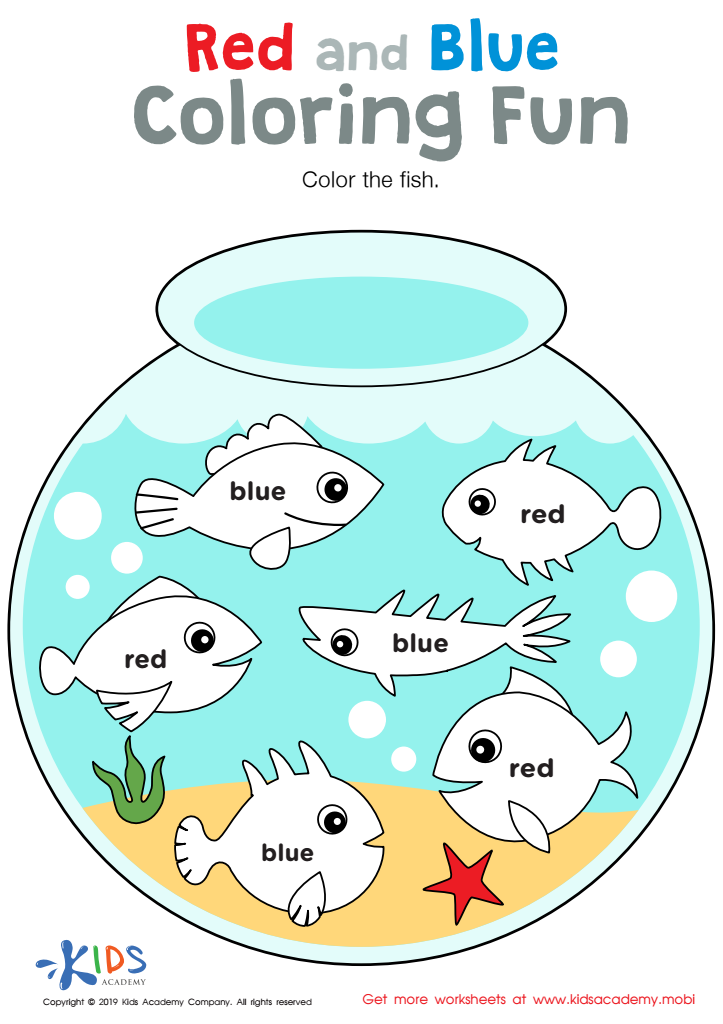
Red and Blue Coloring Fun Worksheet
Kids know colors like red and blue. But can they read these words? Give them practice with this fun fish bowl coloring sheet. They'll look at the fish, then color them the corresponding hue. Home or classroom, they'll be sure to get a kick out of learning colors in this creative way!
Download (PDF)
 Assign to My Students
Assign to My Students
Red and Blue Coloring Fun Worksheet
Worksheet











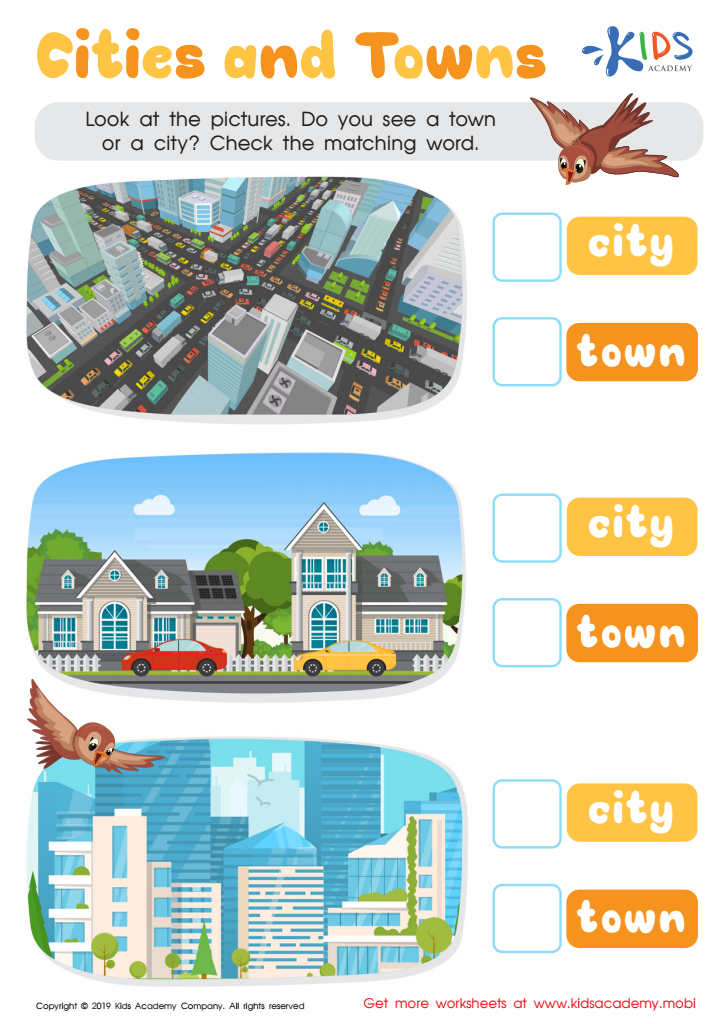
Cities and Towns Worksheet
Cities are buzzy and busy while towns tend to be peaceful. Ask your child if they can tell which one is which from a picture. This could be a great way to test their understanding of the differences between towns and cities. There are many businesses in cities, tall buildings and lots to do. Meanwhile towns are usually quieter.
Cities and Towns Worksheet
Worksheet
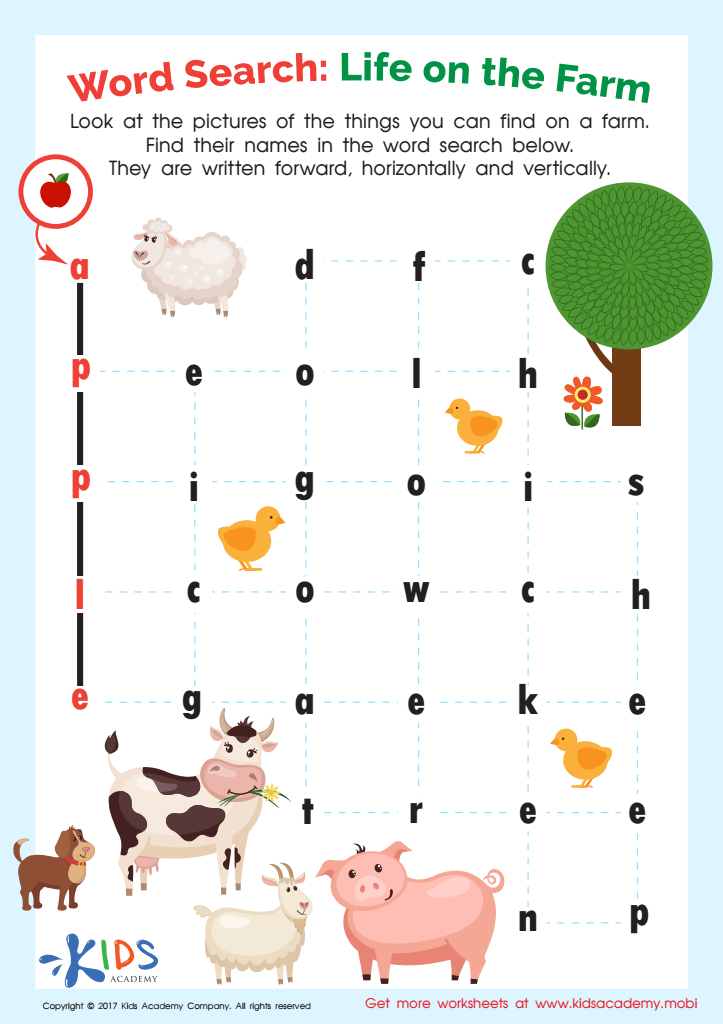
Word Search Puzzles Worksheet
2nd grade word search puzzles are great fun, helping kids flex their knowledge of words and spellings. Kids can use the pictures to find farm-themed words hidden on the page. It's a great way to learn!
Word Search Puzzles Worksheet
Worksheet
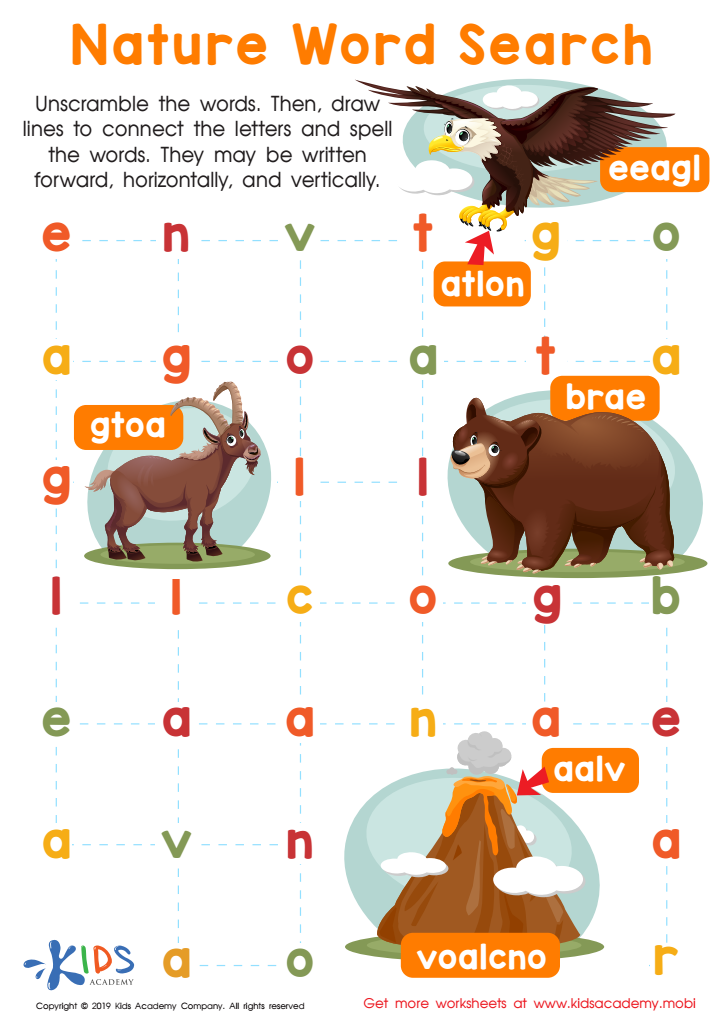
Nature Word Search Worksheet
Unscramble science vocabulary words and find them in this fun worksheet! Use the pictures as clues if you get stumped; you can also write down the words for reference. Solve the puzzle when you're done to finish!
Nature Word Search Worksheet
Worksheet
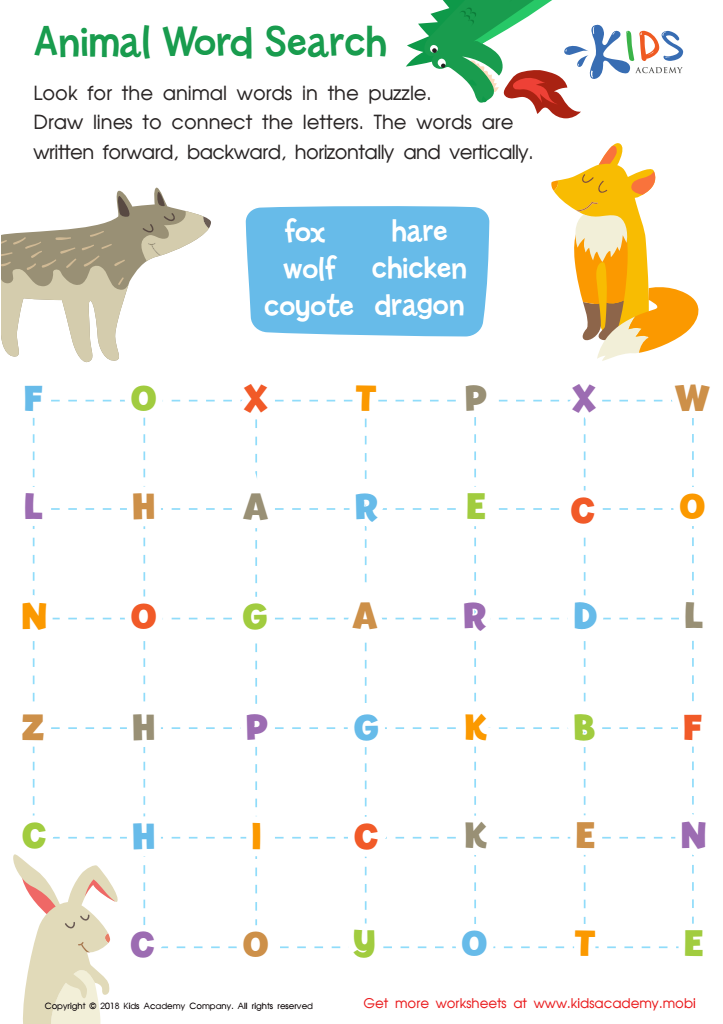
Animal Word Search Worksheet
Students can have fun and strengthen spelling and vocabulary skills with this word search worksheet. Search for animal words and circle the letters in the puzzle. Words can be found forwards, backwards, horizontally or vertically, providing a great challenge to foster critical thinking skills. An enriching activity for all ages!
Animal Word Search Worksheet
Worksheet
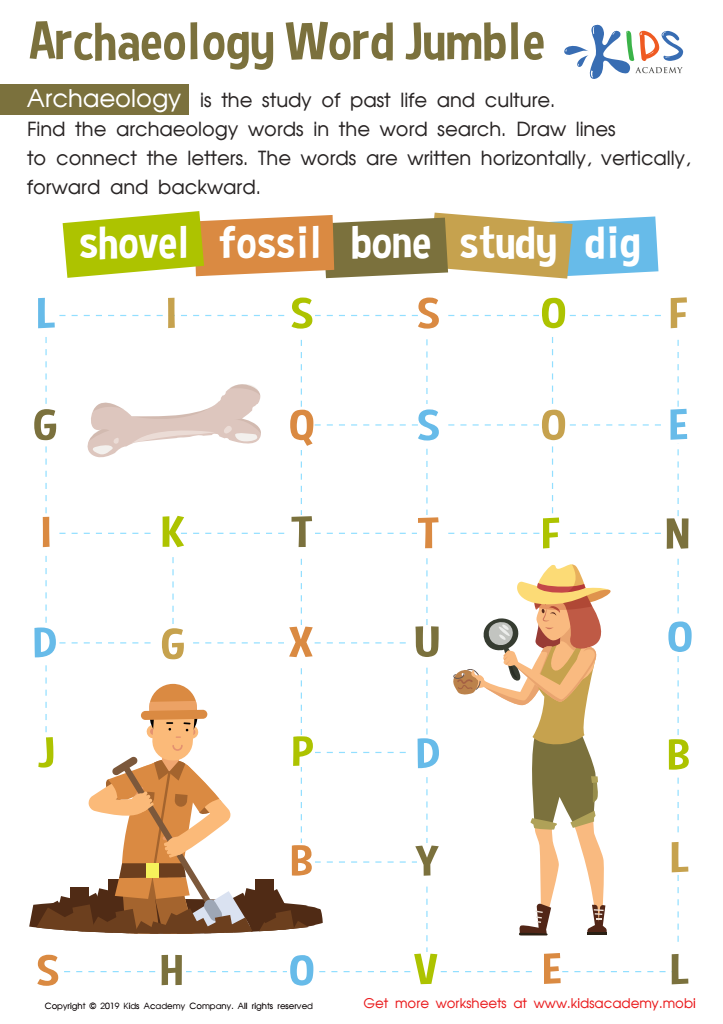
Archaeology Word Jumble Worksheet
Kids will love this fun, colorful word search about archeology! Tracing the lines, they'll uncover terms related to the study of past life and cultures. As they explore, they'll learn about fossils and bones and discover new archeology words.
Archaeology Word Jumble Worksheet
Worksheet
Join Kids Academy for Free
Who is primarily going to use this learning content?








Cognitive development, particularly building vocabulary in 8-year-olds, is crucial for several reasons. At this stage, children's brains are highly adaptable, making it the ideal time to enhance their language and cognitive skills. A robust vocabulary enhances reading comprehension, allowing students to understand and engage with a wide range of texts. This foundational skill has a direct correlation with academic success across subjects.
When children can express themselves clearly, they are better equipped to articulate their thoughts and emotions. This encourages critical thinking and boosts confidence in classroom discussions. Moreover, a rich vocabulary supports social interactions, enabling children to build relationships with peers and adults, enhancing their emotional intelligence and communication skills.
By intentionally nurturing vocabulary, parents and teachers lay the groundwork for lifelong learning. Engaging activities like reading together, playing word games, or exploring new concepts help expand word knowledge and contextual understanding. Importantly, this investment in vocabulary development shapes not just academic performance, but also personal growth, helping children better navigate the world around them. In essence, fostering vocabulary is an investment in a child's future, equipping them with tools for effective communication and problem-solving throughout their lives.








