Improve vocabulary Building Vocabulary Worksheets for 8-Year-Olds
4 filtered results
-
From - To
Enhance your child's language skills with our "Improve Vocabulary: Building Vocabulary Worksheets for 8-Year-Olds." Designed to boost comprehension and fluency, these worksheets offer engaging exercises that make learning new words fun and effective. Each activity is crafted to expand young minds, enhancing their ability to use and understand a broader range of vocabulary. Perfect for at-home practice or classroom use, these worksheets support various learning styles for maximum improvement. Start exploring today and give your 8-year-old the linguistic edge they need to excel in reading, writing, and communication!
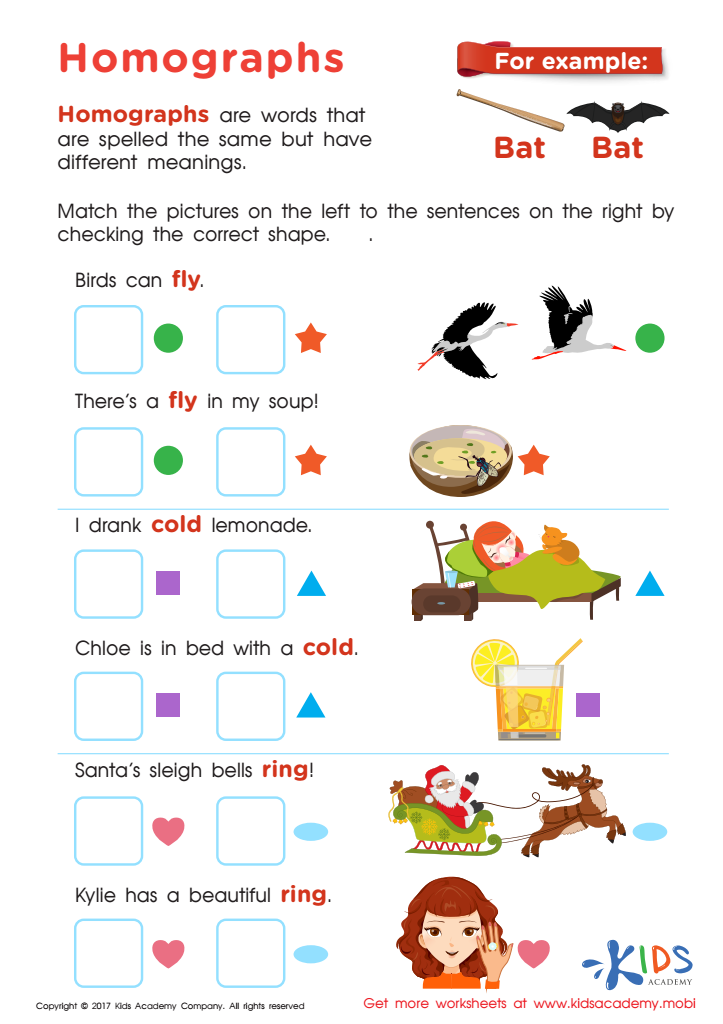
Homographs Free Printable Worksheet
 Assign to My Students











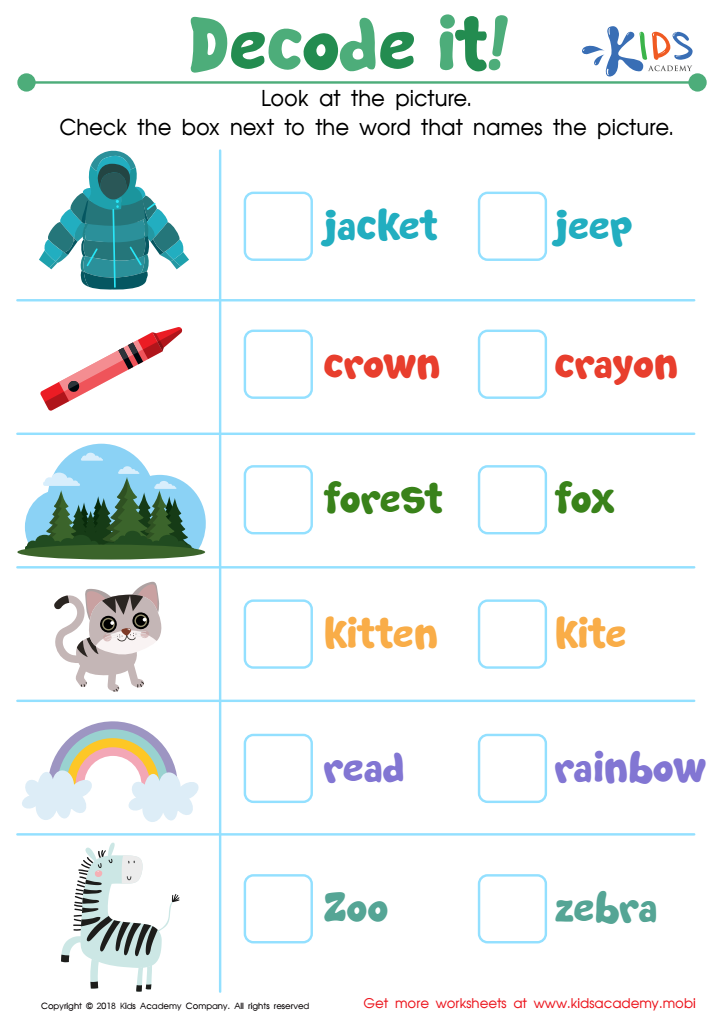
Reading: Decode It Worksheet
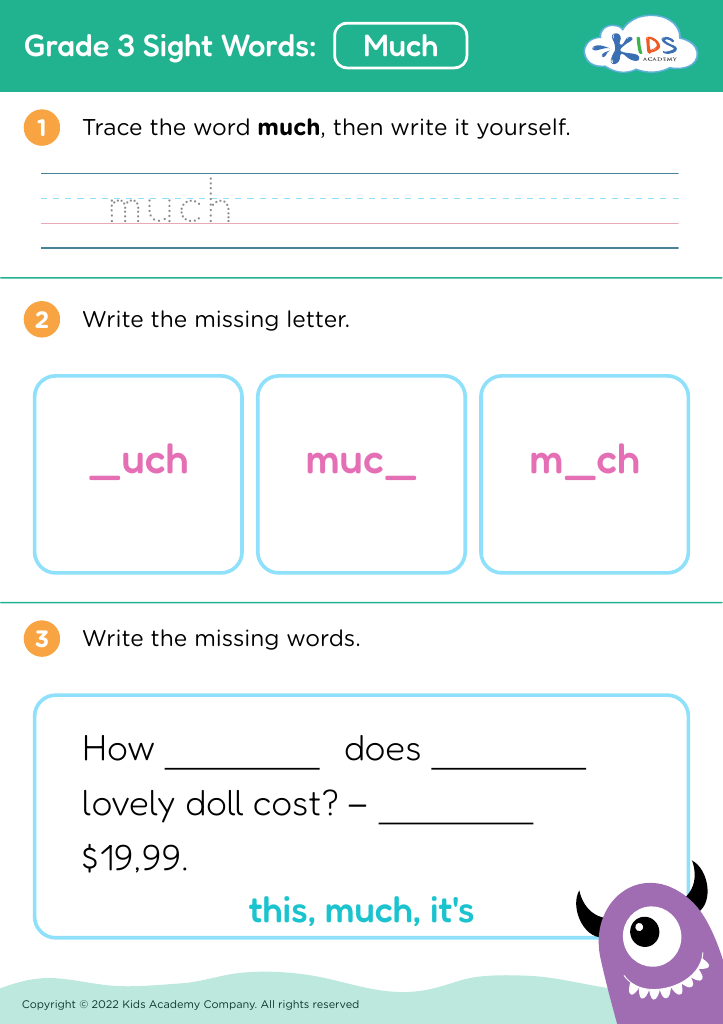
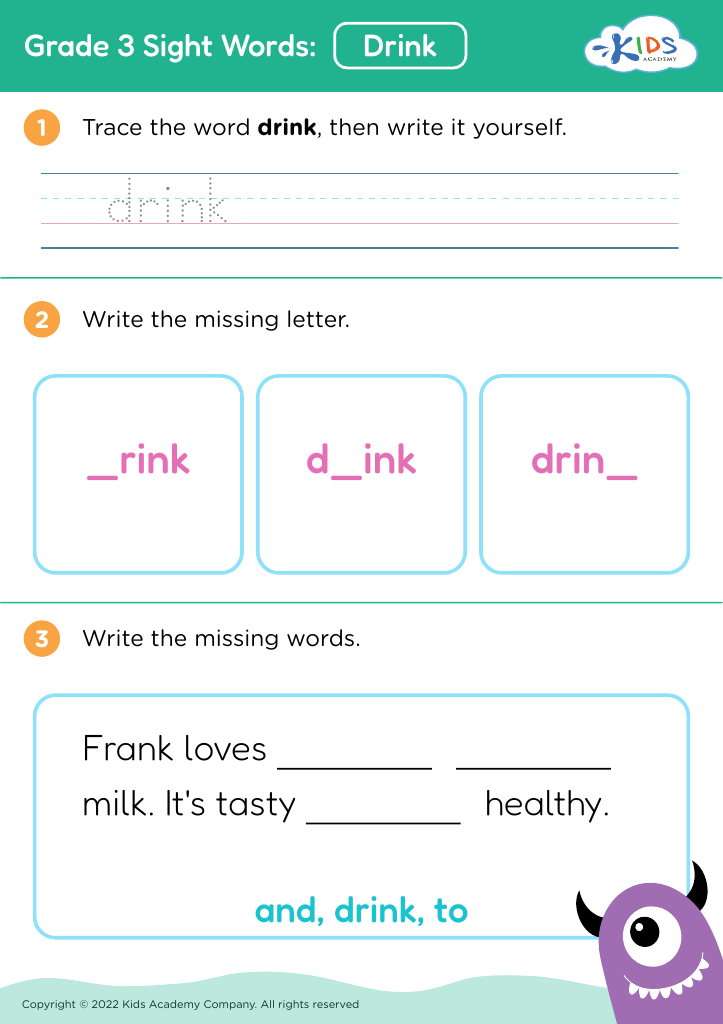








Building vocabulary for 8-year-olds is crucial for their overall academic and personal development. At this age, language skills are rapidly expanding, and a strong vocabulary becomes the foundation for effective communication, reading comprehension, and academic success across all subjects. When parents and teachers prioritize vocabulary building, children improve their ability to express themselves clearly and confidently, enhancing both oral and written communication skills.
A rich vocabulary helps children grasp more complex texts and concepts, fostering better reading comprehension. Early exposure to a wide range of words also sparks curiosity and a love for learning, making them more inclined to explore new topics and ideas. Moreover, a robust vocabulary contributes to critical thinking and problem-solving skills, as children can articulate their thoughts, ask nuanced questions, and engage in meaningful discussions.
Socially, children with a strong vocabulary are better equipped to interact positively with peers and adults, allowing them to build healthy relationships and gain confidence. They are more likely to understand and participate in conversations, which can boost self-esteem and reduce frustration in social settings.
In summary, parents and teachers play a pivotal role in enriching an 8-year-old’s vocabulary, thereby laying a solid foundation for lifelong learning, effective communication, and social success.








