Improve vocabulary Reading Worksheets for 8-Year-Olds
4 filtered results
-
From - To
Unlock your child's language potential with our "Improve Vocabulary Reading Worksheets for 8-Year-Olds"! Designed to enrich vocabulary and enhance reading skills, these worksheets offer engaging activities perfect for young learners. Featuring a blend of fun exercises, including word searches, fill-in-the-blanks, and sentence completion tasks, they provide an interactive way to build essential language skills. Each worksheet is tailored to challenge and inspire, making learning enjoyable. Parents and educators can utilize these resources to support reading comprehension and broaden word knowledge. Help your child excel in literacy while having fun! Explore our worksheets today and watch their vocabulary soar!
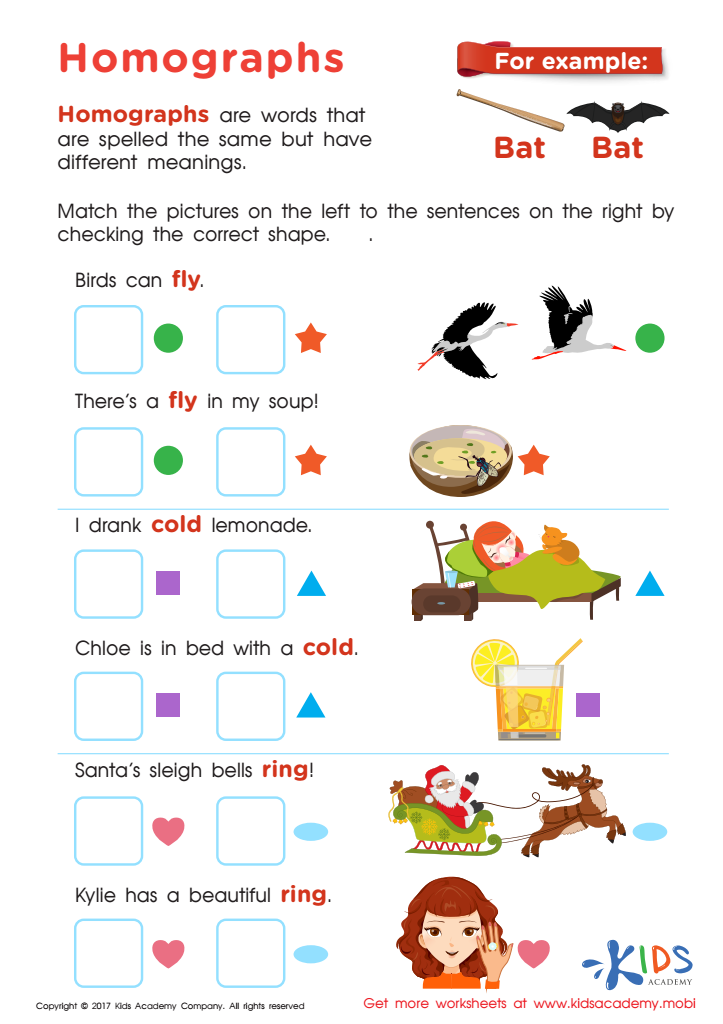
Homographs Free Printable Worksheet
 Assign to My Students
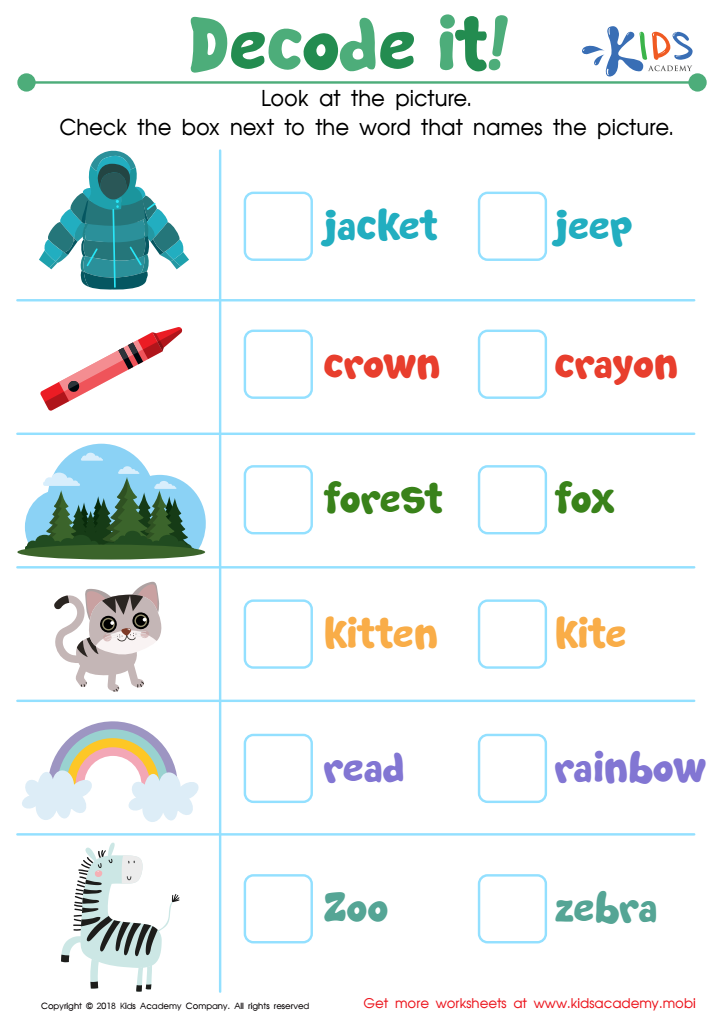
Reading: Decode It Worksheet
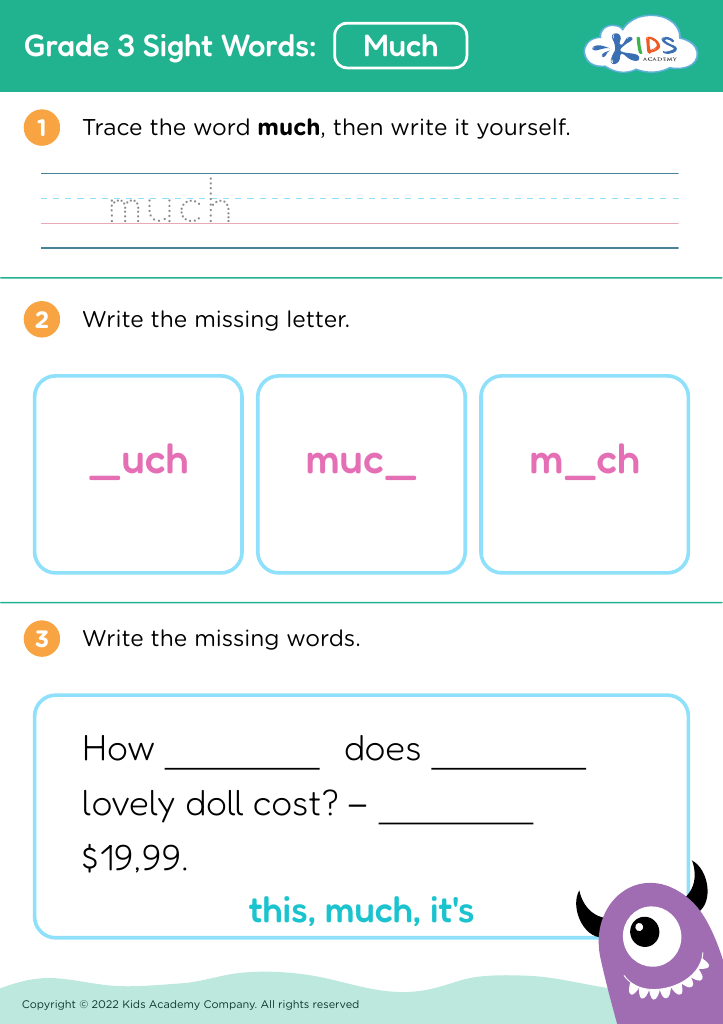
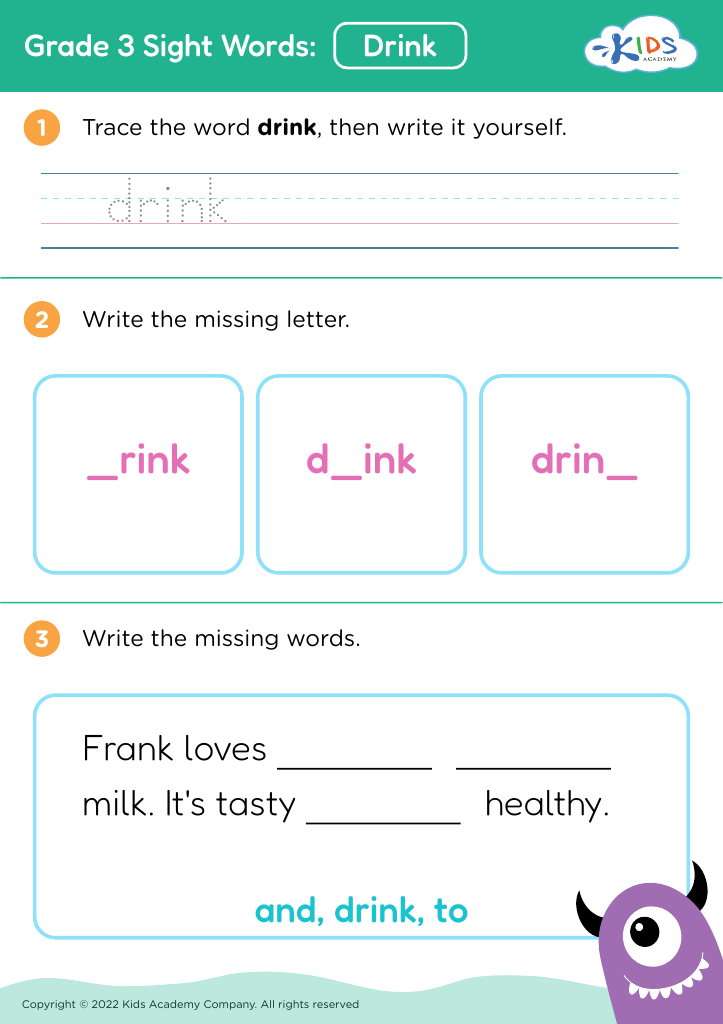







Improving vocabulary and reading skills for 8-year-olds is crucial for several reasons. At this age, children are transitioning from learning to read to reading to learn, which significantly impacts their academic performance and overall development. A strong vocabulary enhances comprehension, allowing children to understand complex texts, follow instructions in various subjects, and engage with stories on a deeper level.
Additionally, a rich vocabulary fosters effective communication. Children equipped with a broad range of words can express themselves better, leading to improved confidence in social interactions and academic settings. This proficiency is linked to better writing skills, as they can articulate their thoughts more clearly and creatively.
Furthermore, studies show that a robust vocabulary can lead to greater school success and lifelong advantages, including higher literacy rates and better job prospects. Parents and teachers play a vital role by creating engaging learning environments, introducing new words in everyday conversations, and providing access to diverse reading materials. Encouraging children to explore literature can spark curiosity, imagination, and a love for learning, setting the stage for continuous growth and achievement. Therefore, prioritizing vocabulary improvement is an essential investment in a child's future.








