Spelling practice Writing Worksheets for 8-Year-Olds - Page 2
26 filtered results
-
From - To
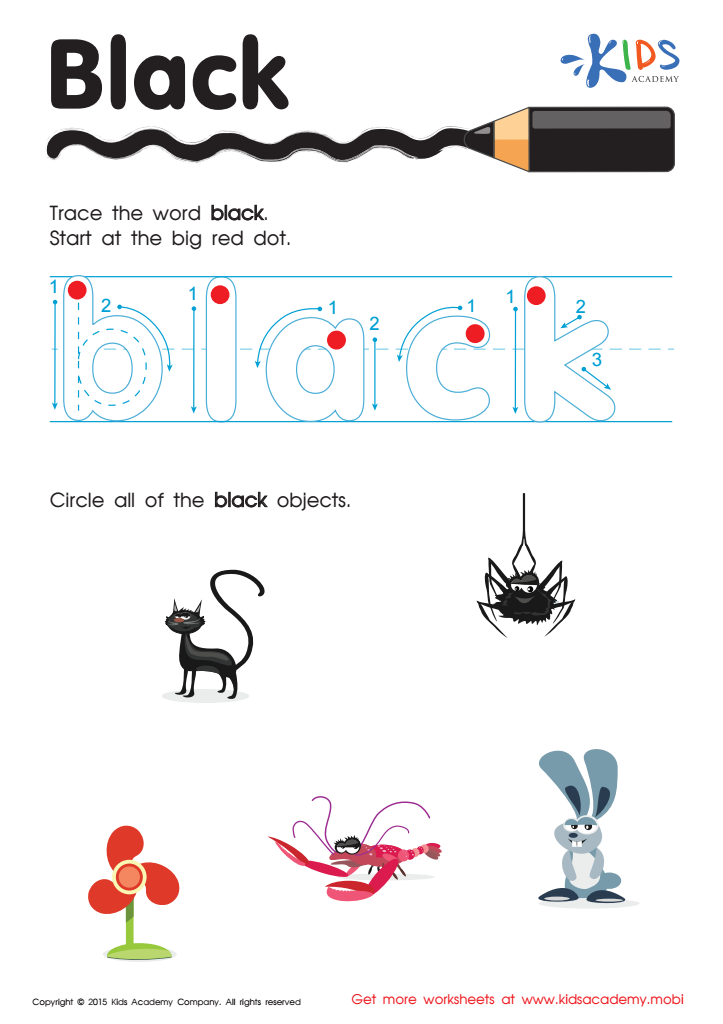
Black Tracing Color Words Printable
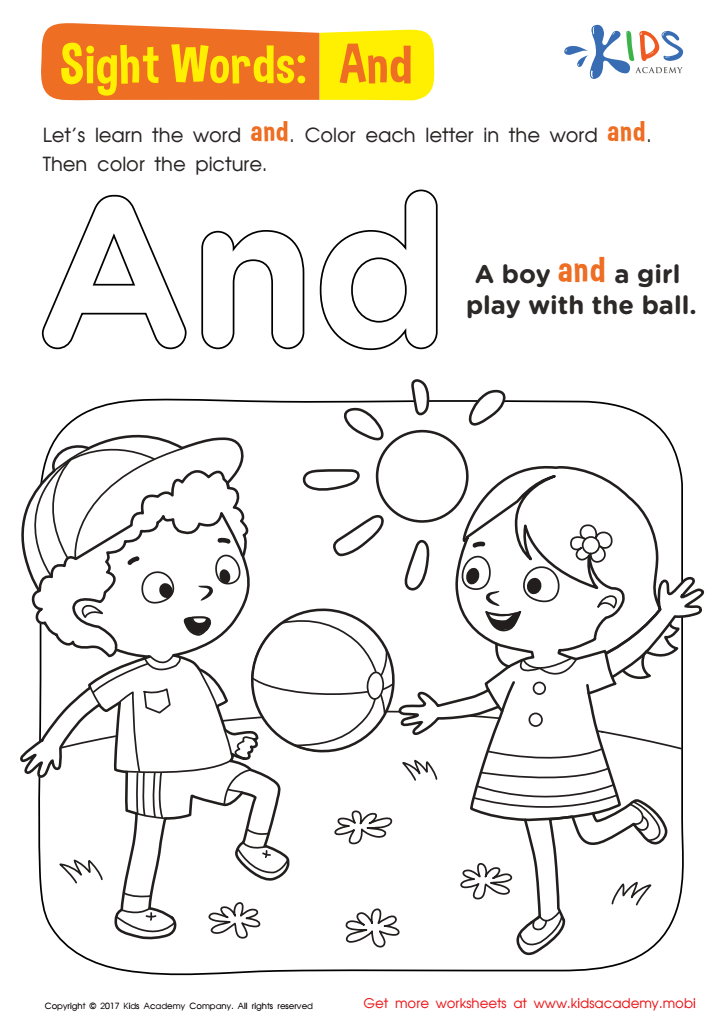
And Worksheet Sight Words Worksheet
 Assign to My Students







Spelling practice at the age of eight plays a crucial role in the development of a child's literacy skills, which are foundational for academic success. At this stage, children are becoming more independent readers and writers. Accurate spelling enhances their writing clarity, allowing them to express their thoughts coherently. Poor spelling can lead to misunderstandings and inhibit effective communication.
Moreover, consistent spelling practice reinforces phonetic awareness and vocabulary acquisition. As children engage in spelling exercises, they learn the relationship between sounds and letters, which supports decoding skills essential for reading fluency. It also helps expand their vocabulary as they encounter and learn new words.
Parents and teachers should recognize that spelling mastery contributes to a child’s confidence. When children can spell words correctly, they feel more capable and willing to participate in writing activities and classroom discussions. Encouraging a supportive environment for practicing spelling fosters a positive attitude toward learning.
Lastly, establishing strong spelling habits early on sets the stage for more complex language skills required in later grades. Thus, investing time in spelling practice is essential for children's overall literacy development and academic achievement.








