Alphabet Recognition Alphabet Worksheets for 9-Year-Olds - Page 2
39 filtered results
-
From - To
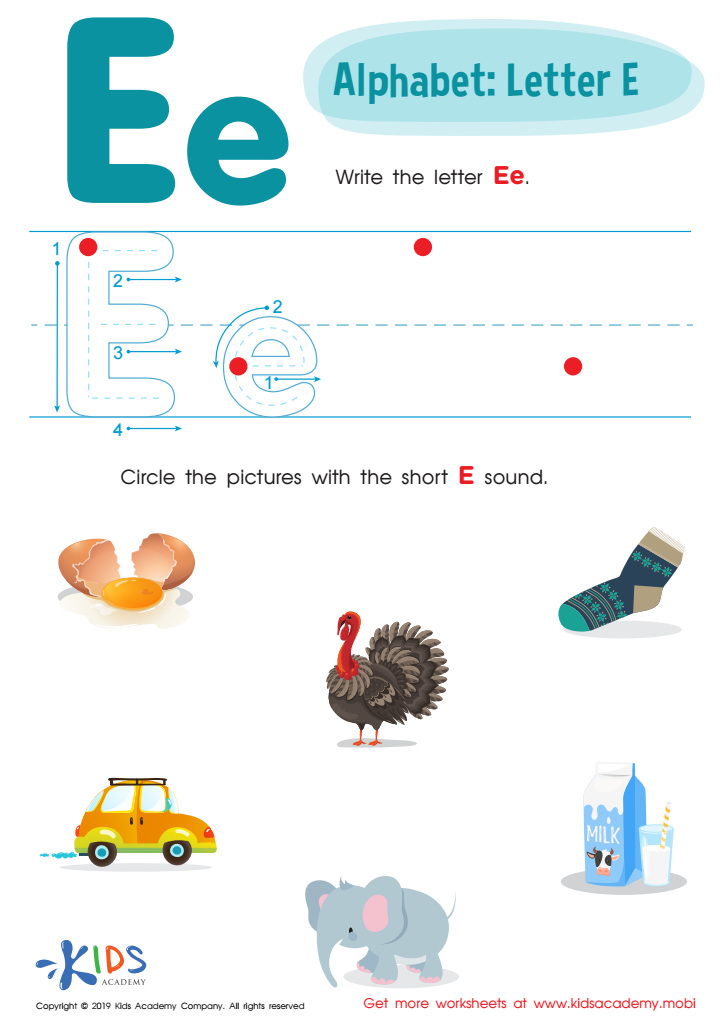
Letter E Tracing Worksheet
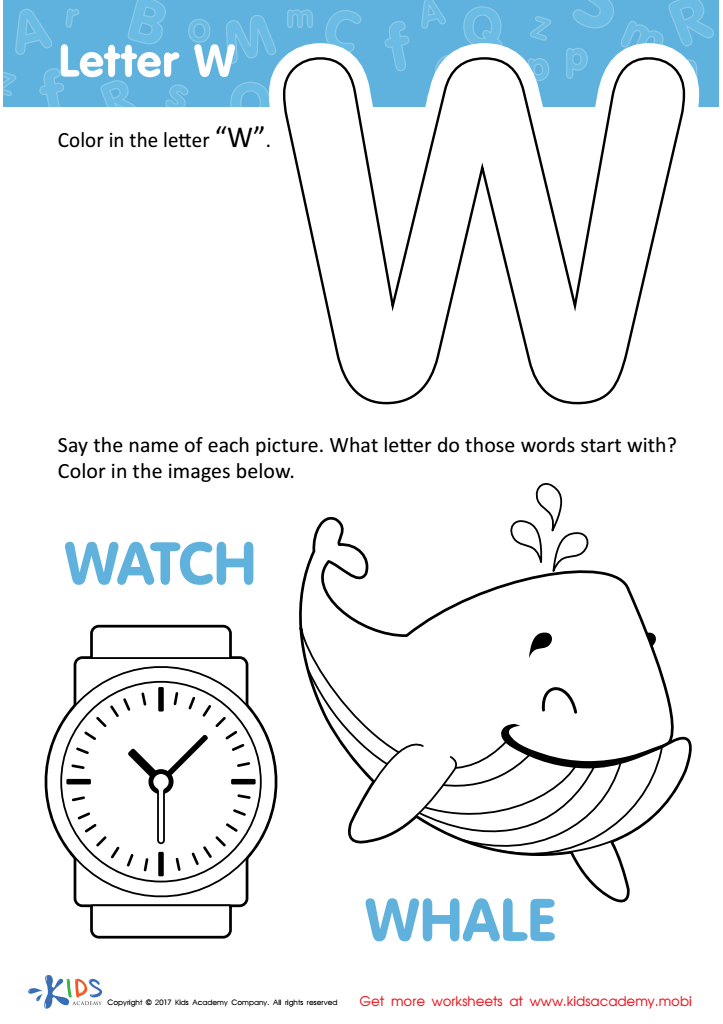
Letter W Coloring Sheet
 Assign to My Students
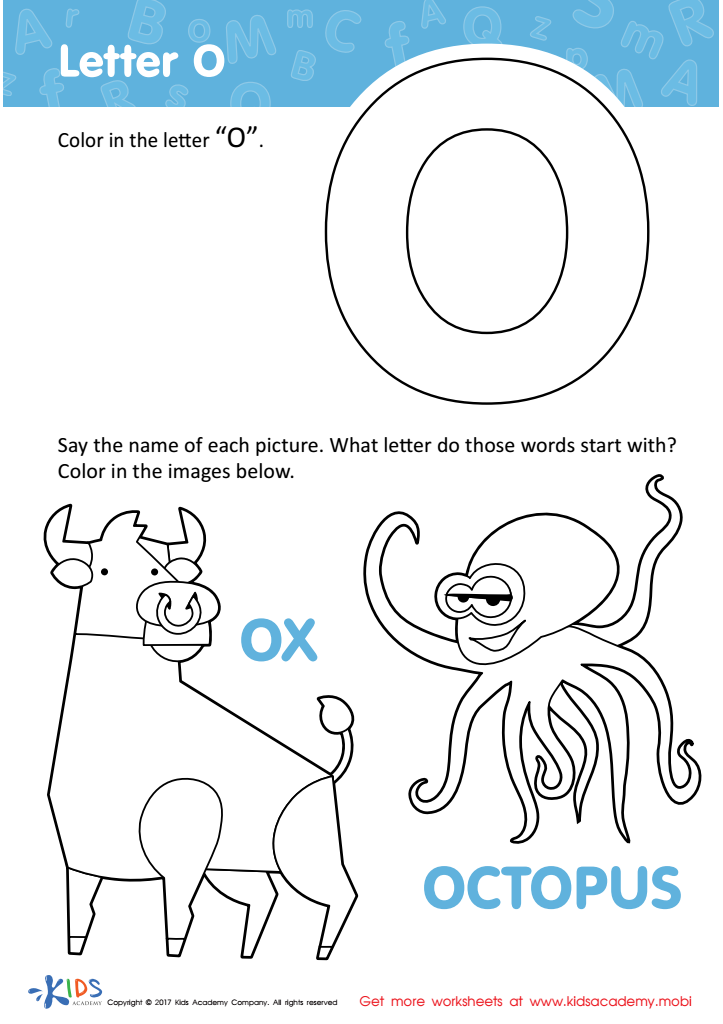
Letter O Coloring Sheet
Assign to My Students
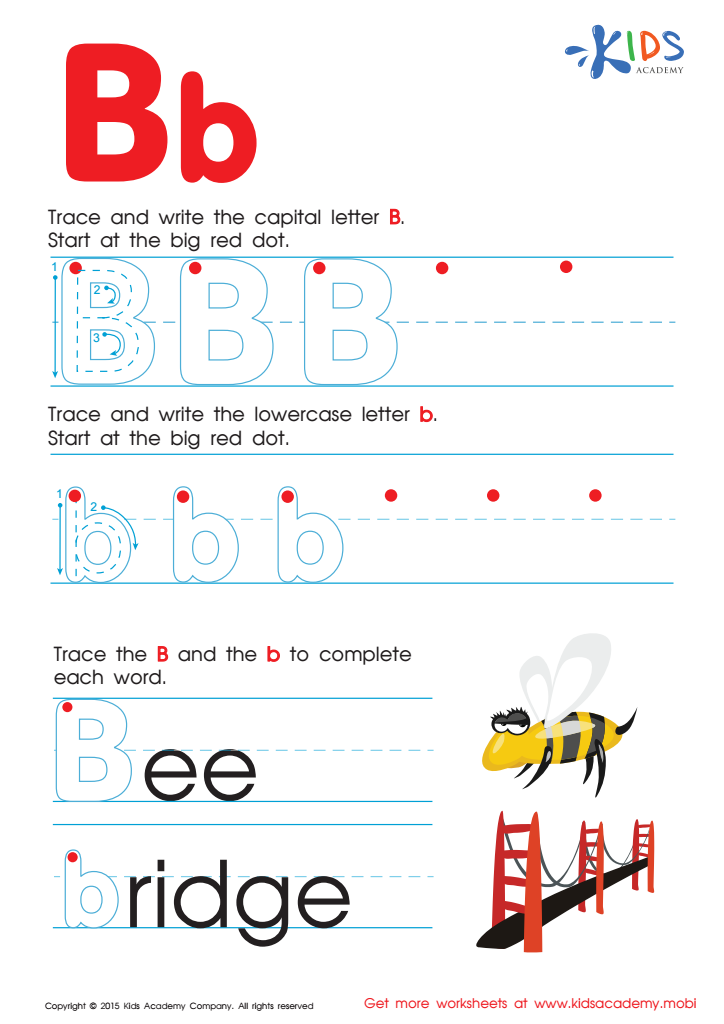
Letter B Tracing Page
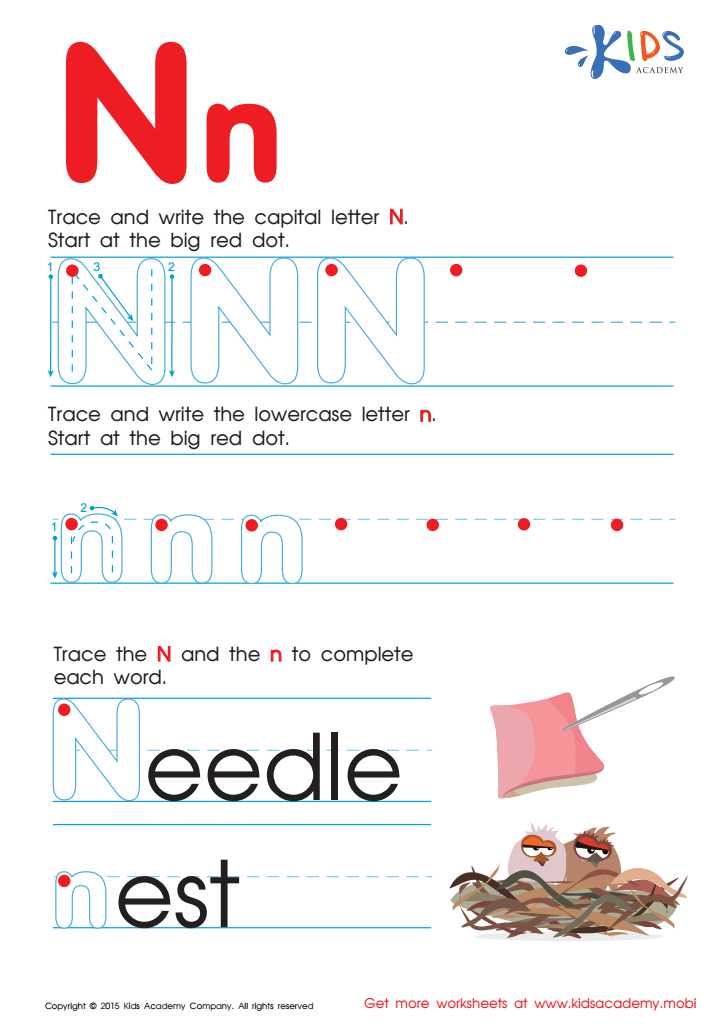
Letter N Tracing Page
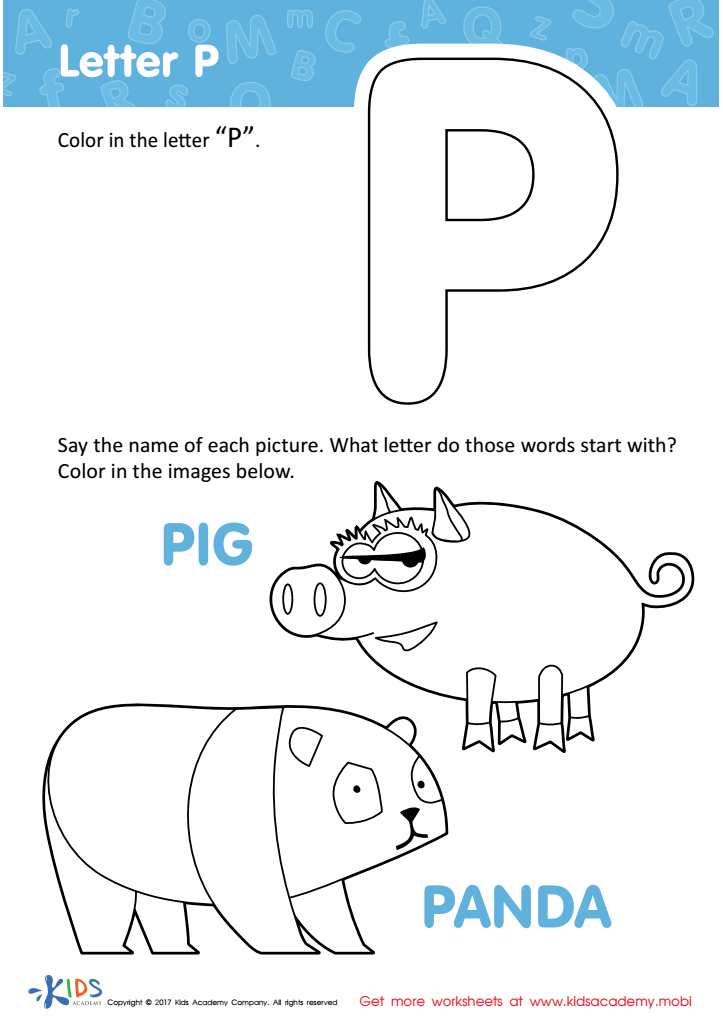
Letter P Coloring Sheet
Assign to My Students
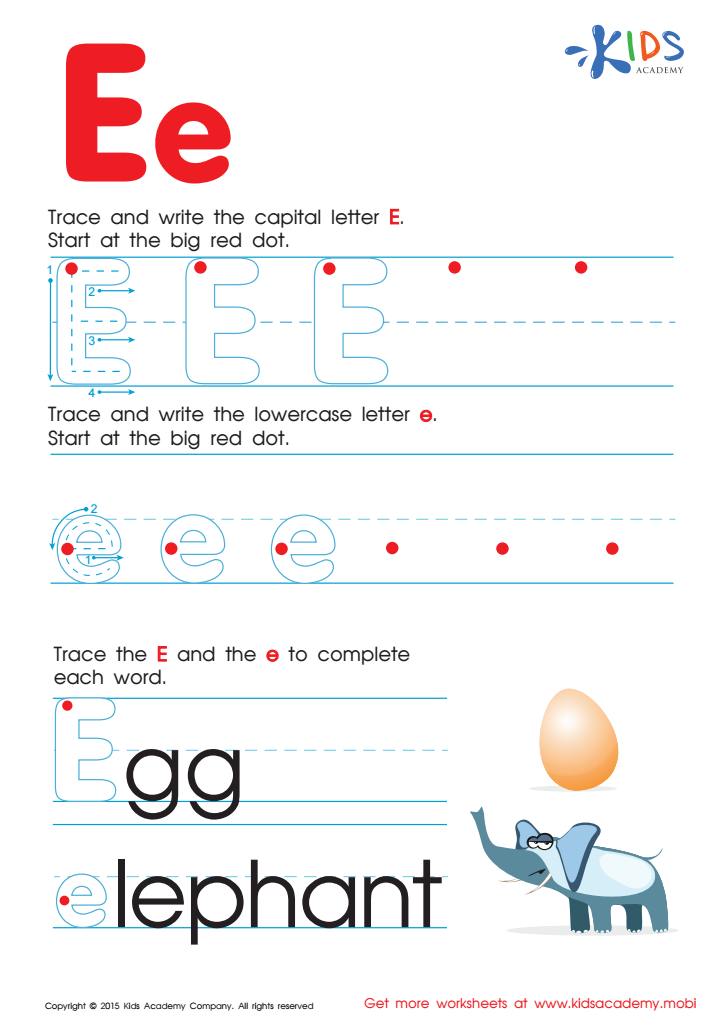
Letter E Tracing Page
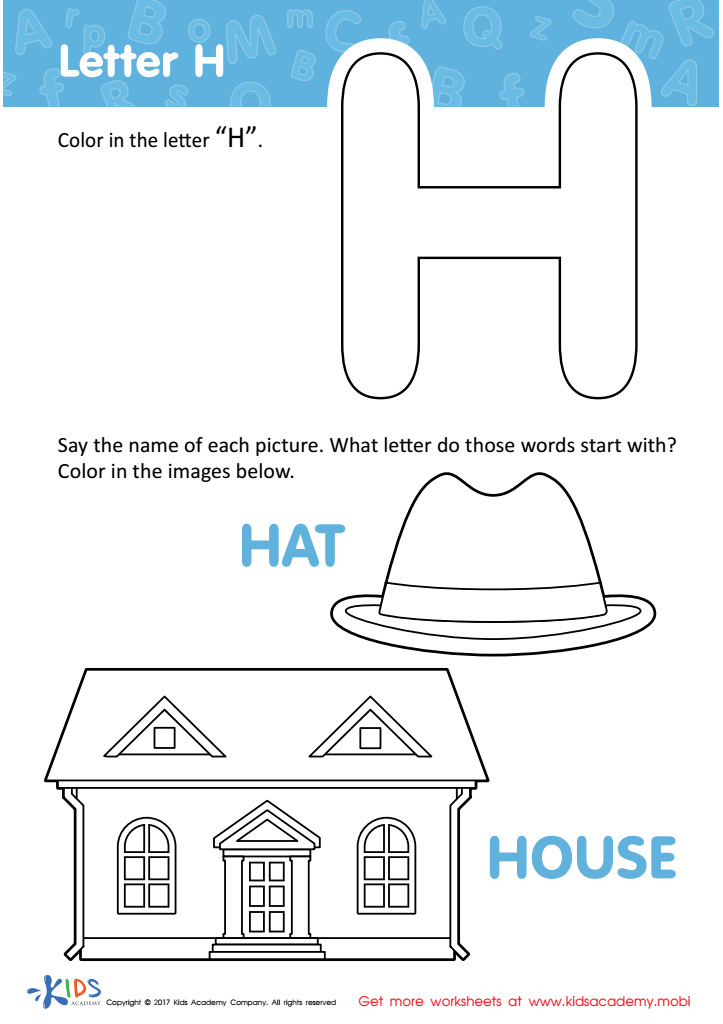
Letter H Coloring Sheet
Assign to My Students
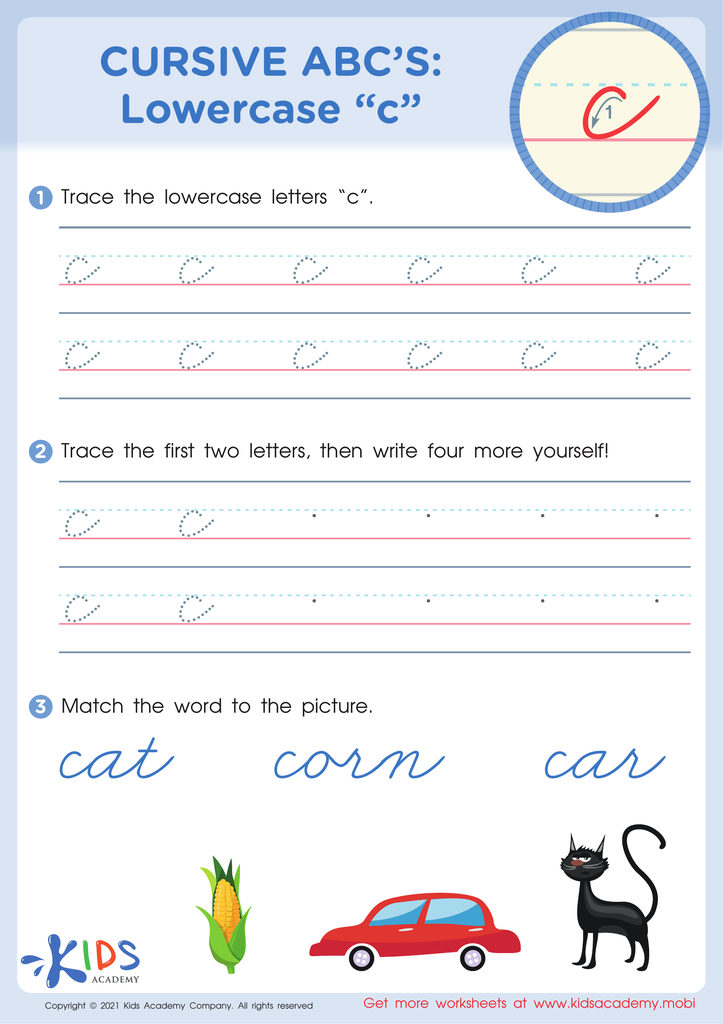
Cursive ABCs: Lowercase c
Letter Y Coloring Sheet
Assign to My Students
Letter F Coloring Sheet
Assign to My Students
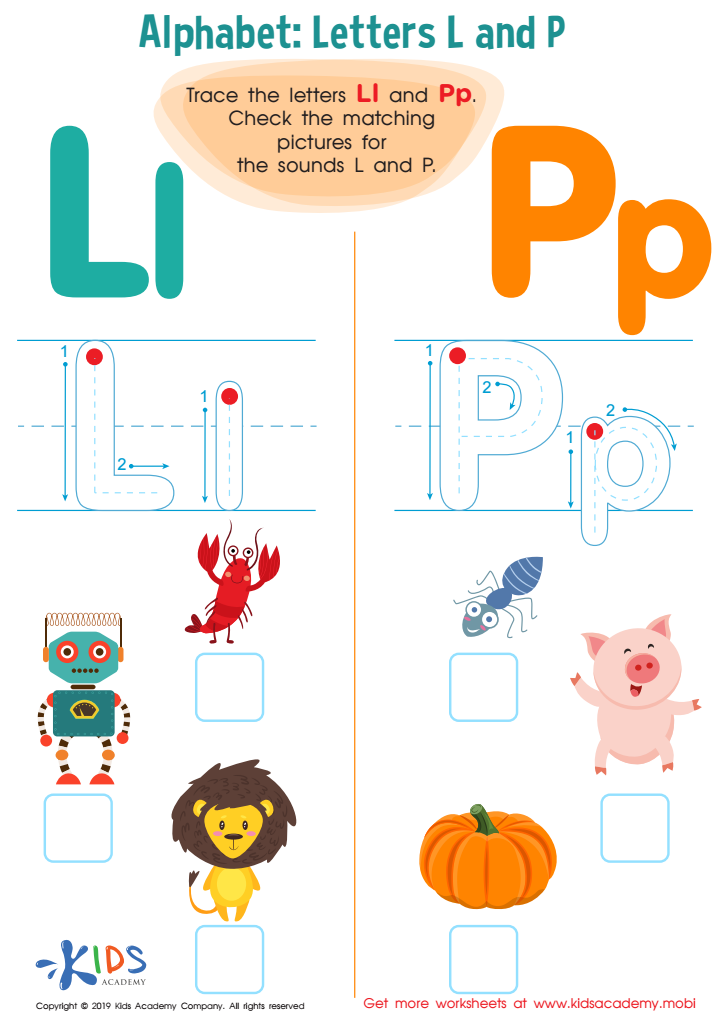
Letter L and P Tracing Worksheet
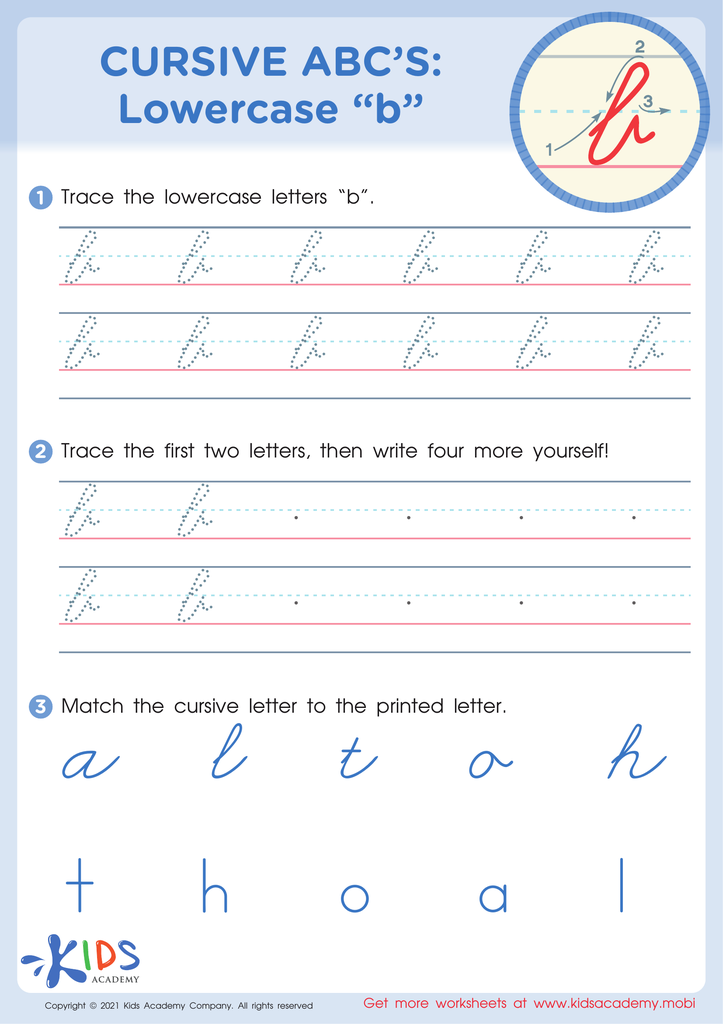
Cursive ABCs: Lowercase b
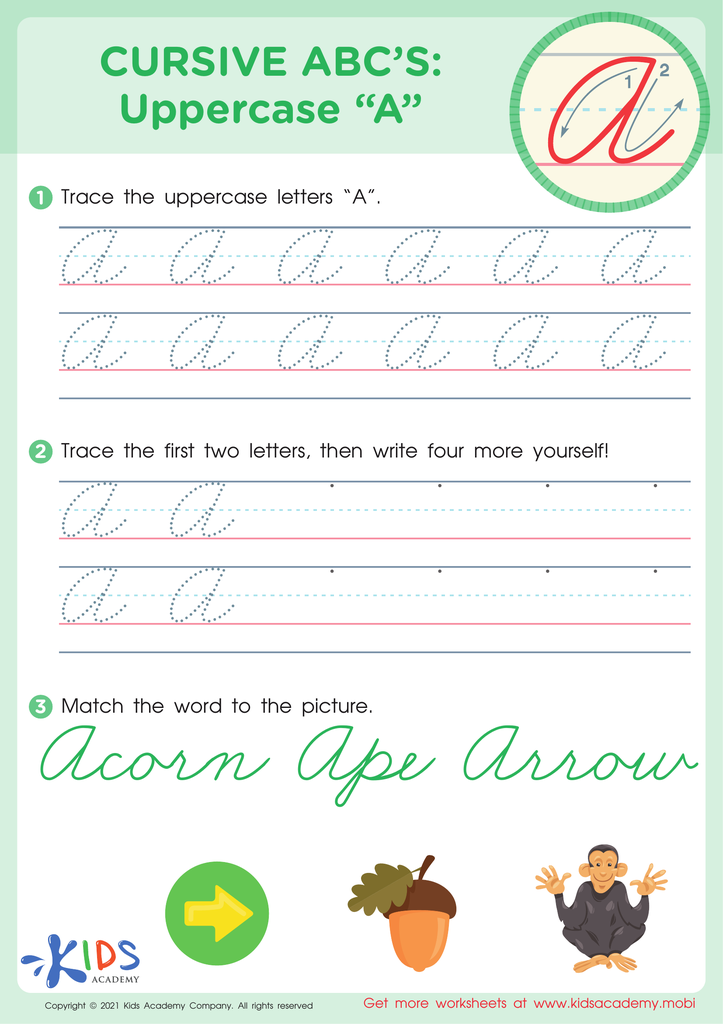
Cursive ABCs: Uppercase A
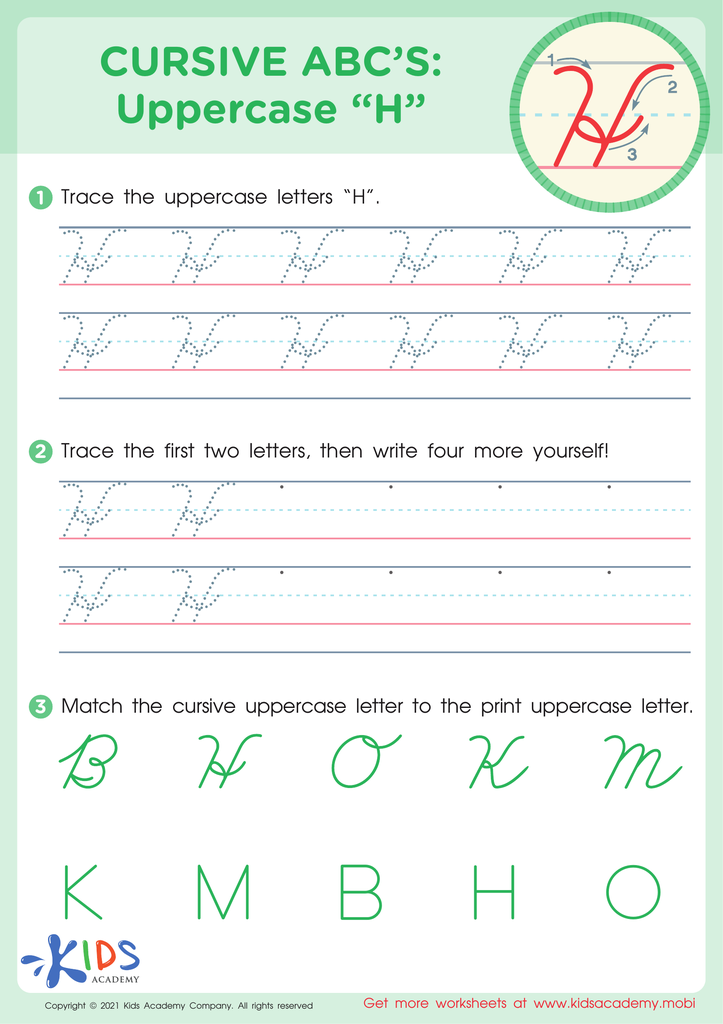
Cursive ABCs: Uppercase H








Alphabet recognition is foundational for literacy and overall academic success, making it essential for parents and teachers to prioritize this skill for 9-year-olds, even as they transition to more complex literacy tasks. At this age, students engage with reading and writing in deeper and more meaningful ways, and a strong grasp of the alphabet underpins their ability to understand phonics, spelling, and vocabulary.
Recognizing and effectively using letters helps children decode words, facilitating reading fluency and comprehension. A child who can quickly recognize letters and their corresponding sounds is more likely to enjoy reading and develop a love for literature, which has lasting benefits for cognitive development. Moreover, alphabet recognition plays a significant role in writing skills, allowing for better sentence formation and creativity in self-expression.
Additionally, this skill affects academic confidence. Struggling with basic recognition can lead to frustration and a negative attitude toward school. Parents and teachers as advocates create environments that foster recognition through engaging games, activities, and discussions about letters. This early focus ensures that children have the necessary tools to develop a robust literacy foundation, preparing them for future academic challenges and lifelong learning.







