Handwriting practice Letter Recognition Worksheets for 9-Year-Olds
32 filtered results
-
From - To
Discover our engaging Handwriting Practice Letter Recognition Worksheets designed specifically for 9-year-olds! These worksheets aim to enhance children's handwriting skills while reinforcing their understanding of the alphabet. Each worksheet offers a fun and interactive way for kids to practice writing both uppercase and lowercase letters. With a variety of activities, such as tracing, filling in missing letters, and identifying letter sounds, your child will develop essential handwriting skills and letter recognition simultaneously. Support their learning journey and boost their confidence in writing. Perfect for home or classroom use, these worksheets provide a comprehensive solution to make learning letters enjoyable and effective!
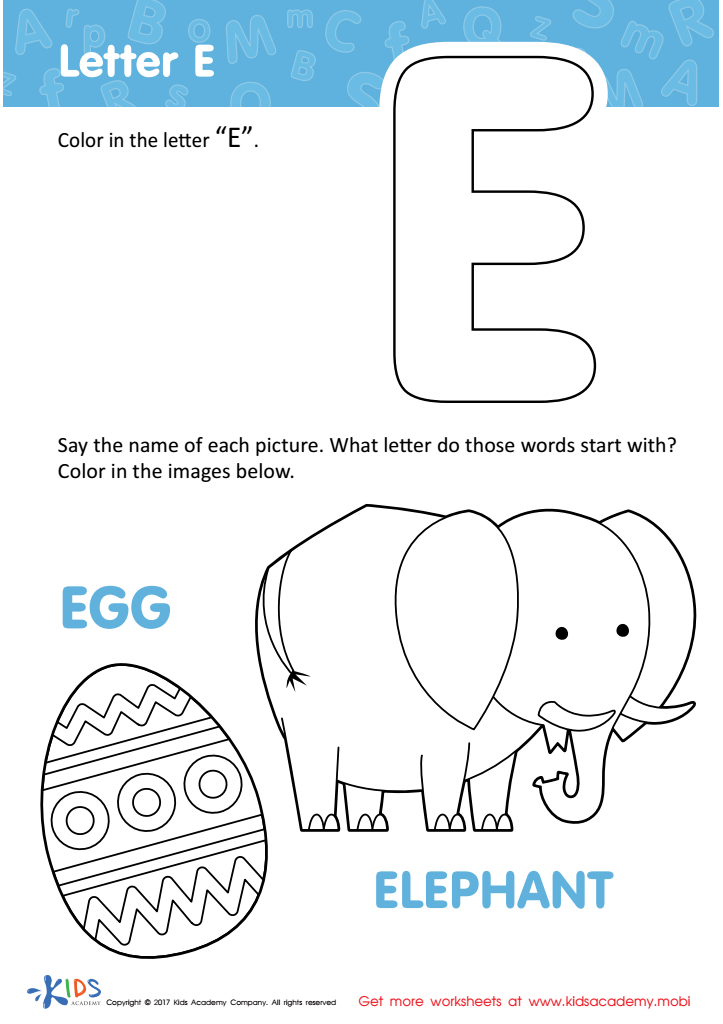
Letter E Coloring Sheet
 Assign to My Students
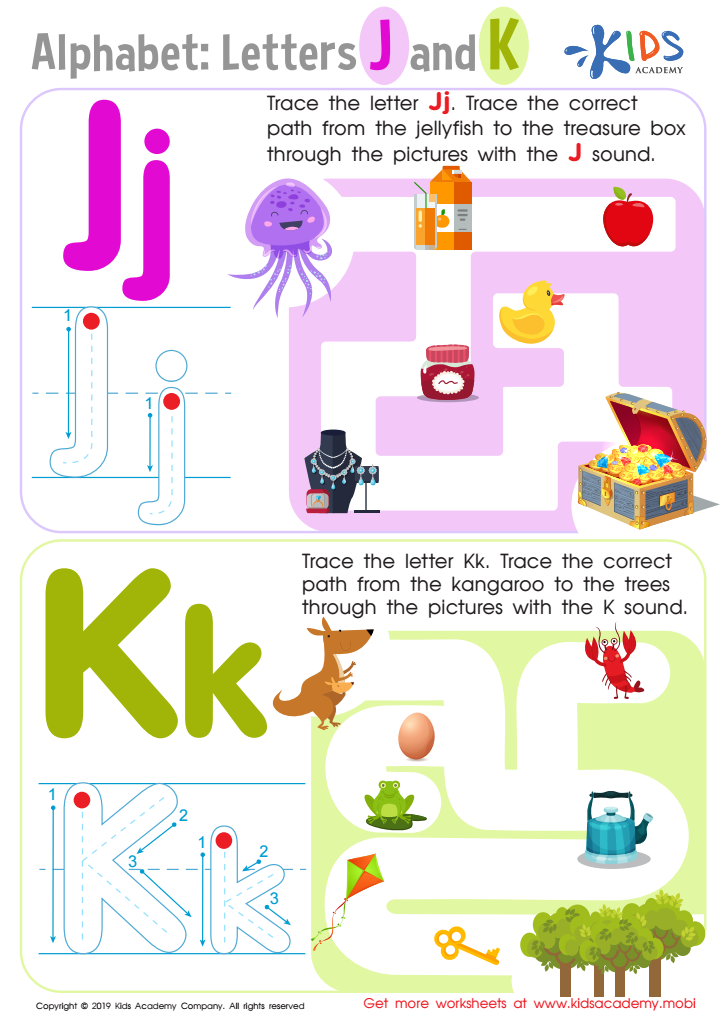
Letters J and K Tracing Worksheet
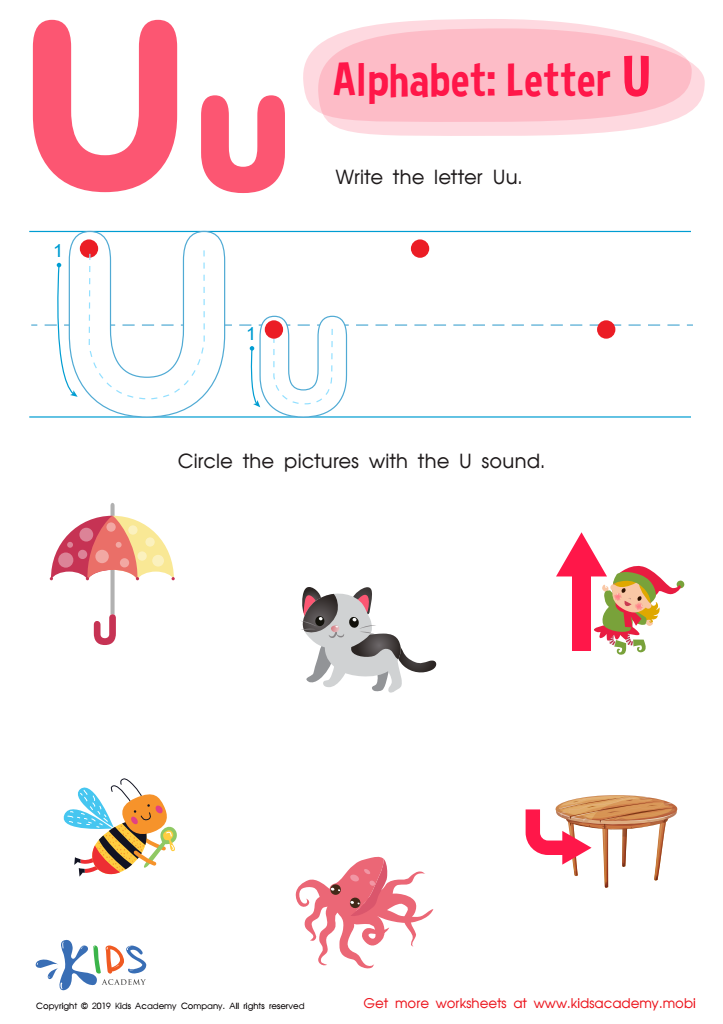
Letter U Tracing Worksheet
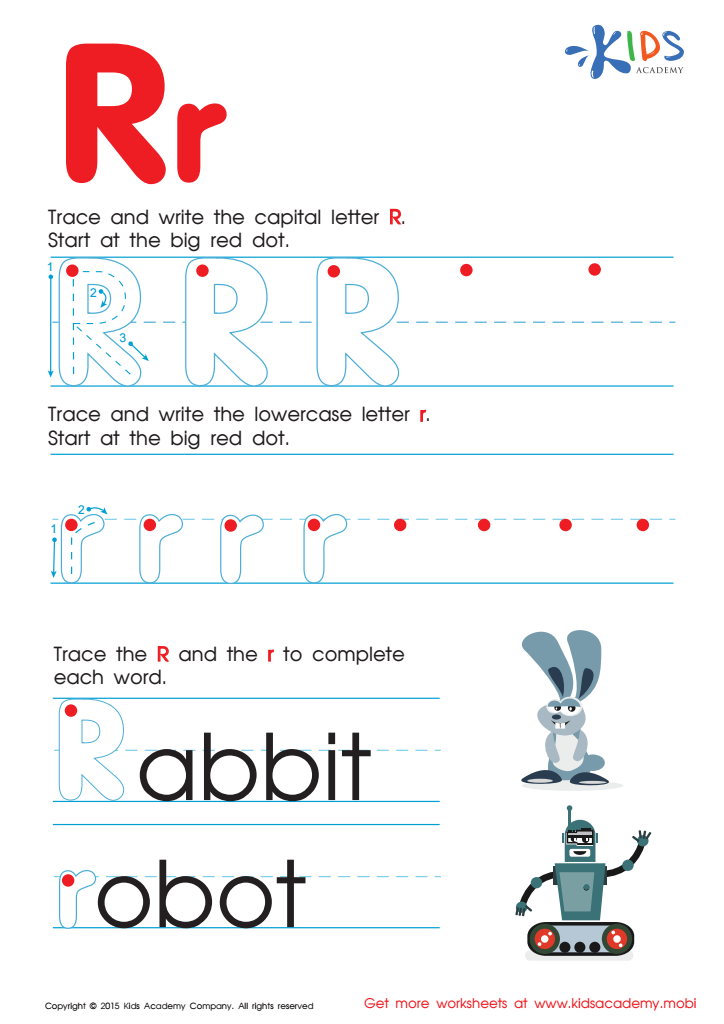
Letter R Tracing Page
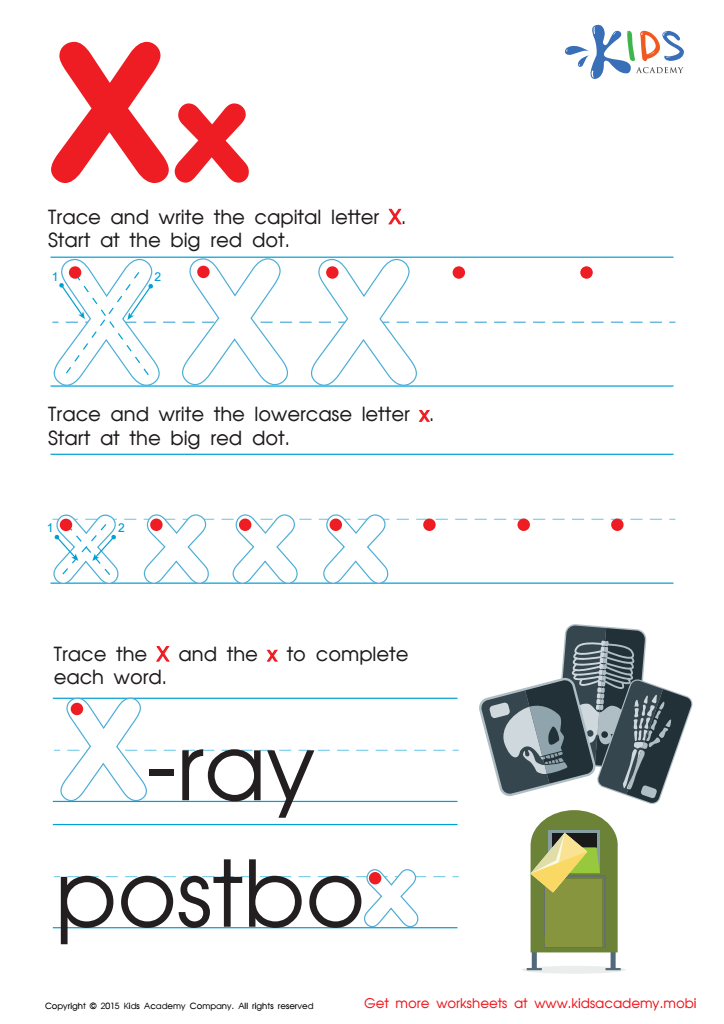
Letter X Tracing Page
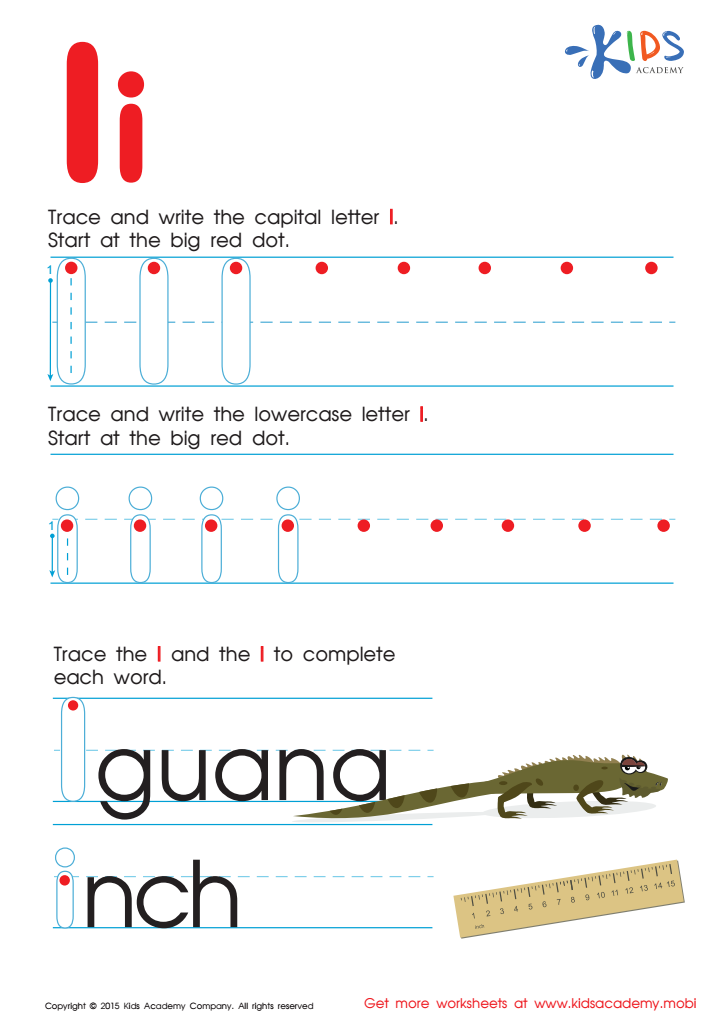
Letter I Tracing Page
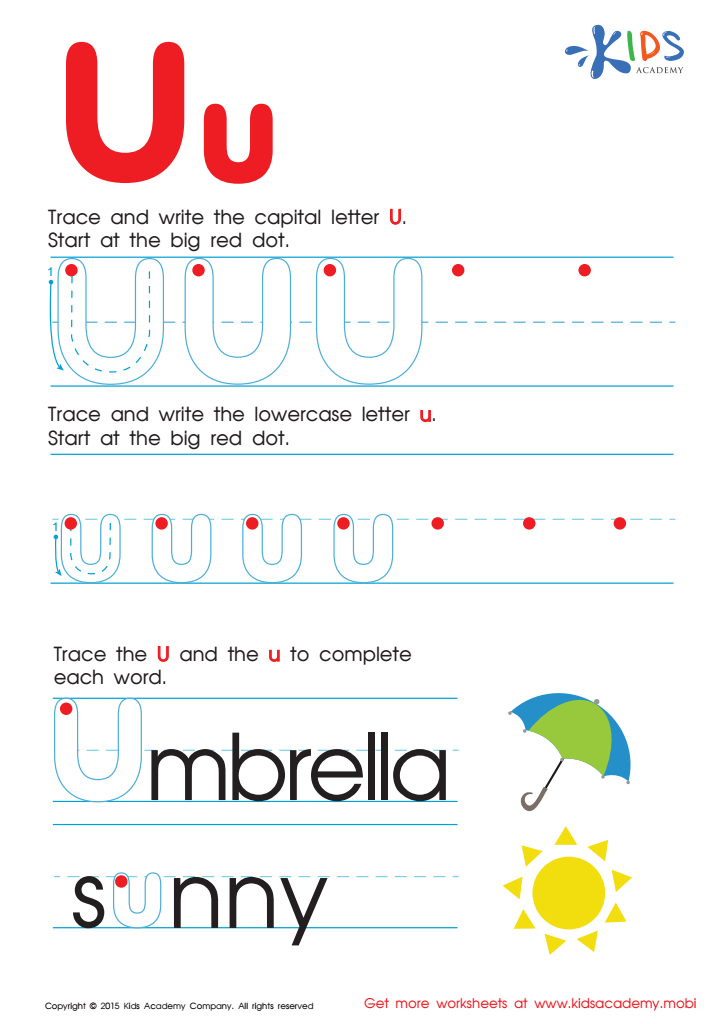
Letter U Tracing Page
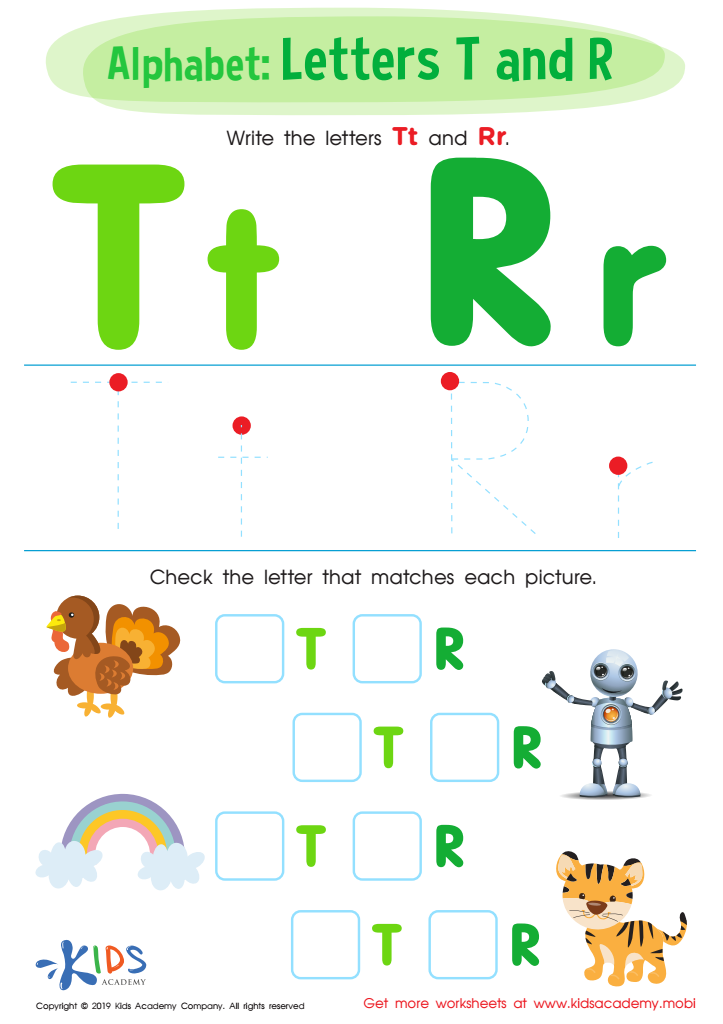
Letters T and R Worksheet
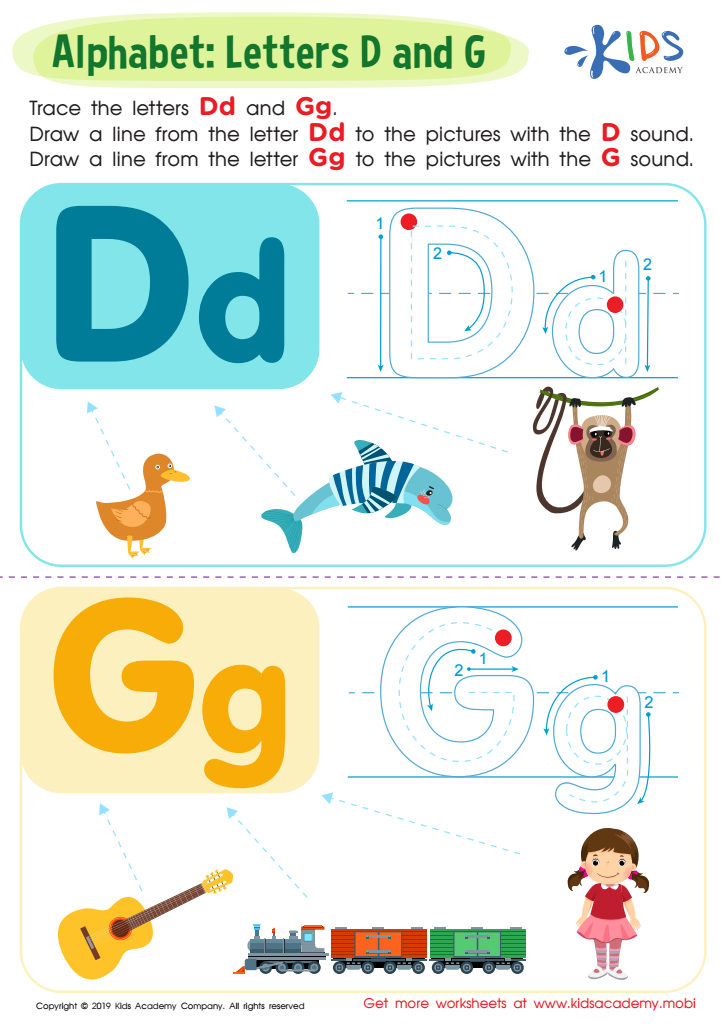
Letter D and G Tracing Worksheet
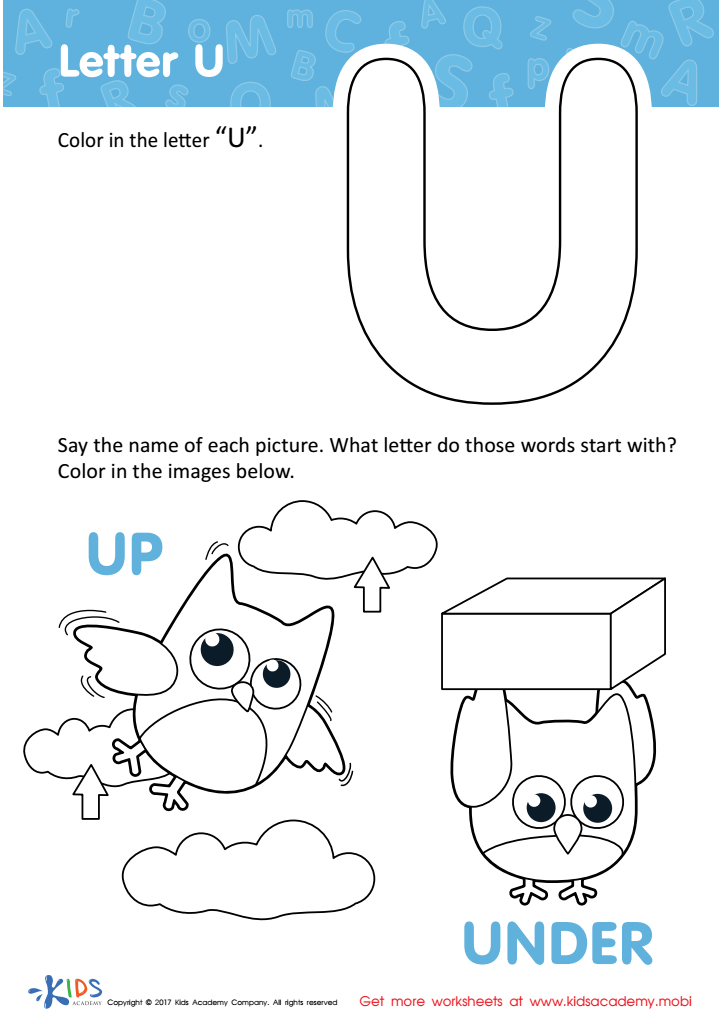
Letter U Coloring Sheet
Assign to My Students
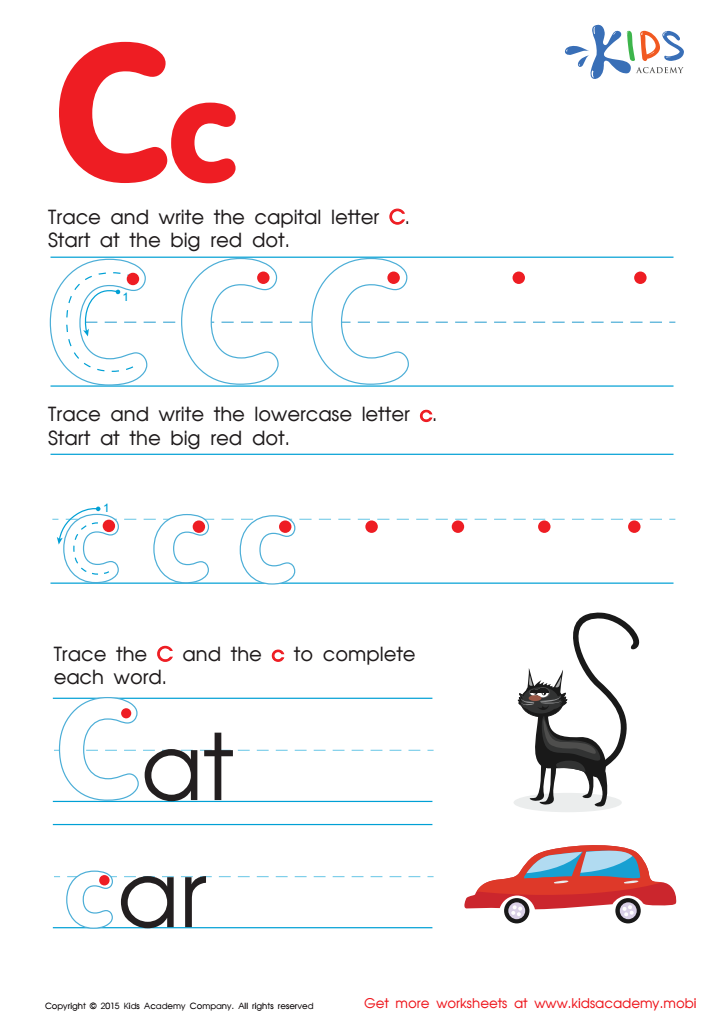
Letter C Tracing Page
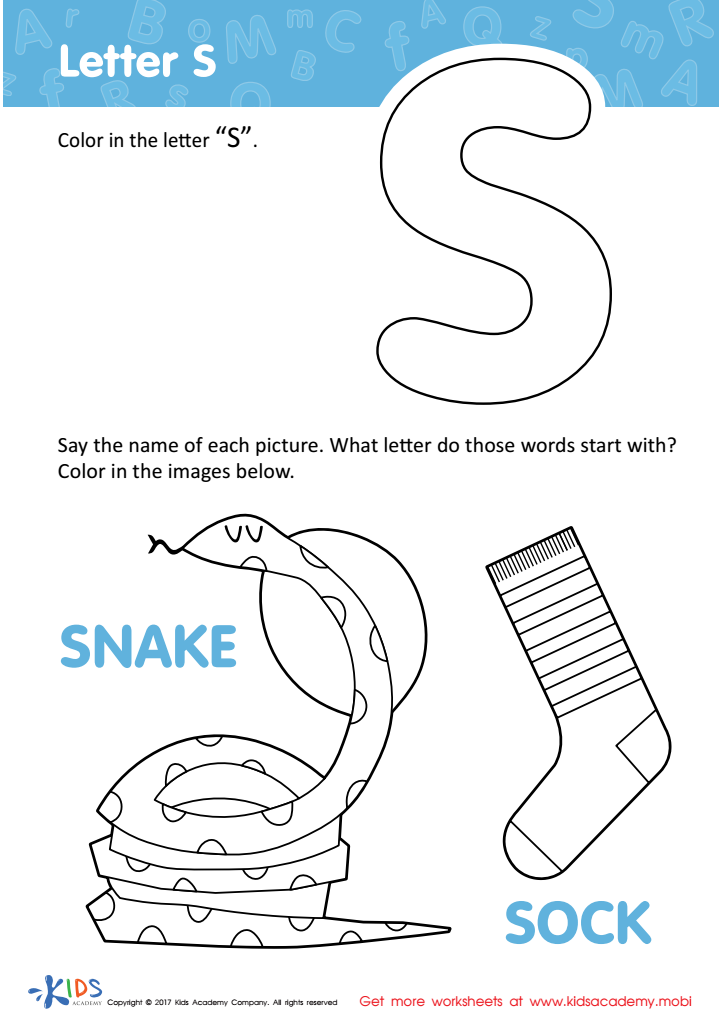
Letter S Coloring Sheet
Assign to My Students

Letter G Tracing Page
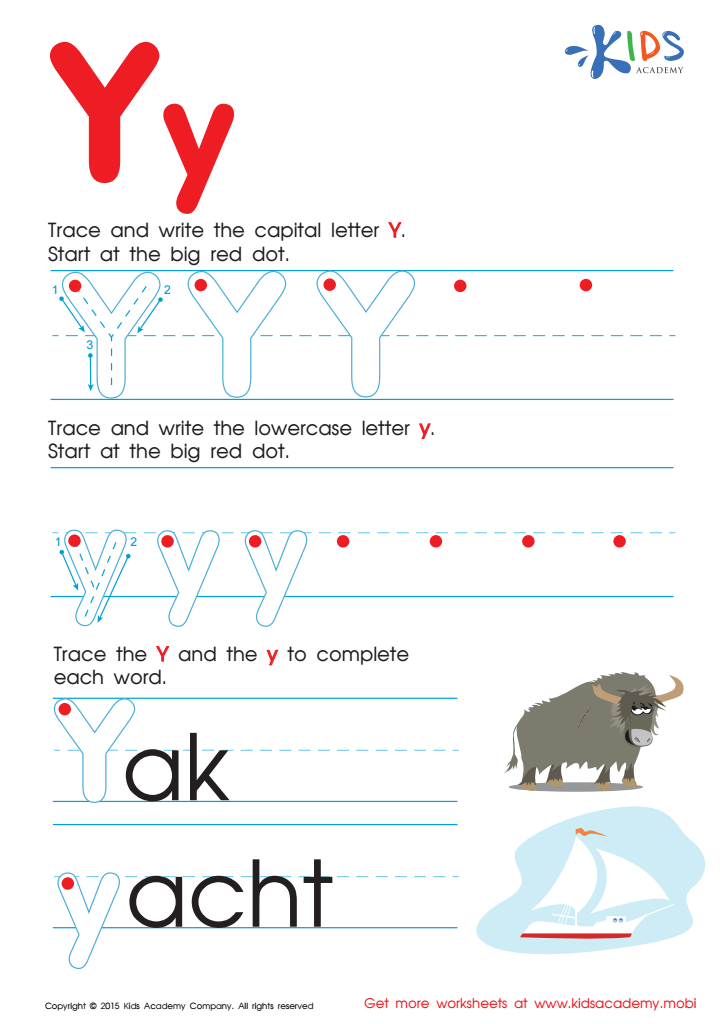
Letter Y Tracing Page
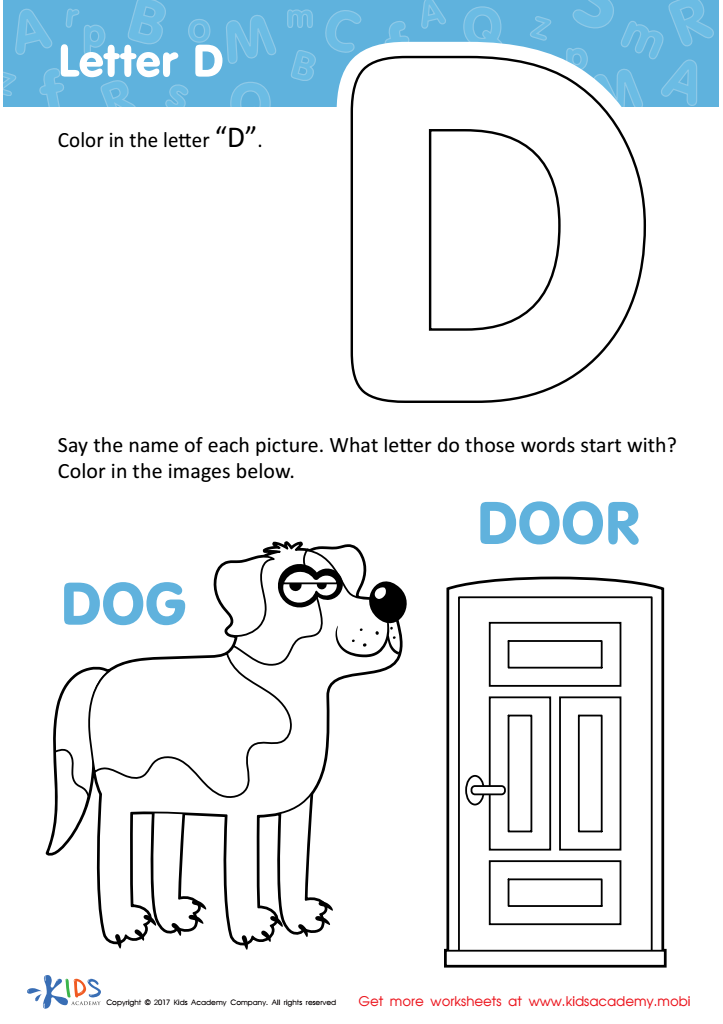
Letter D Coloring Sheet
Assign to My Students
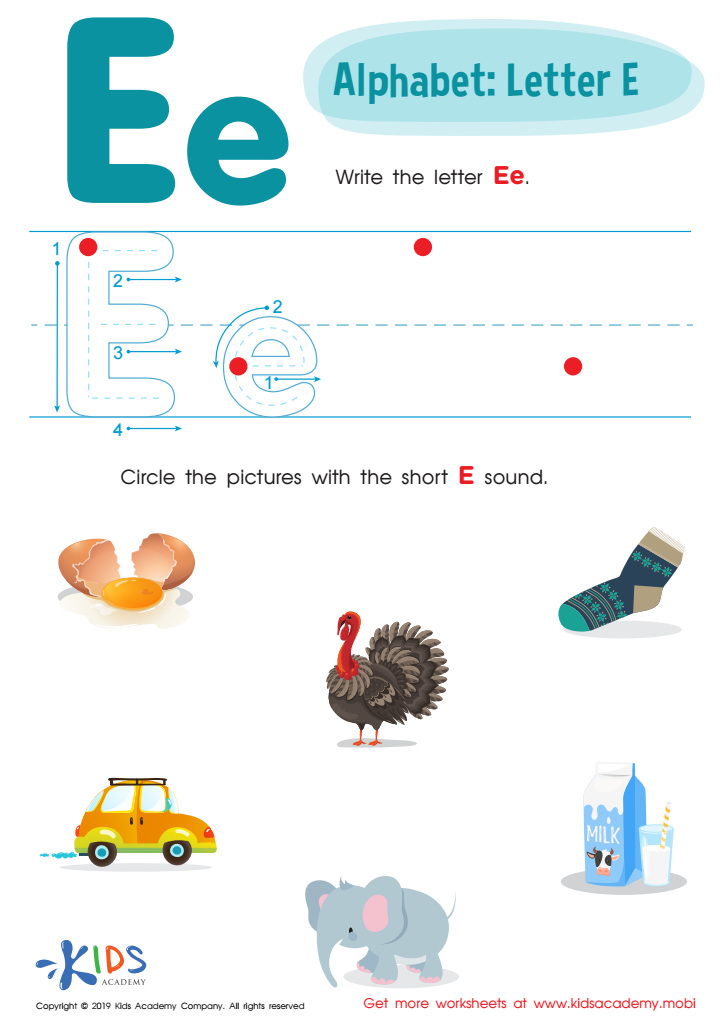
Letter E Tracing Worksheet
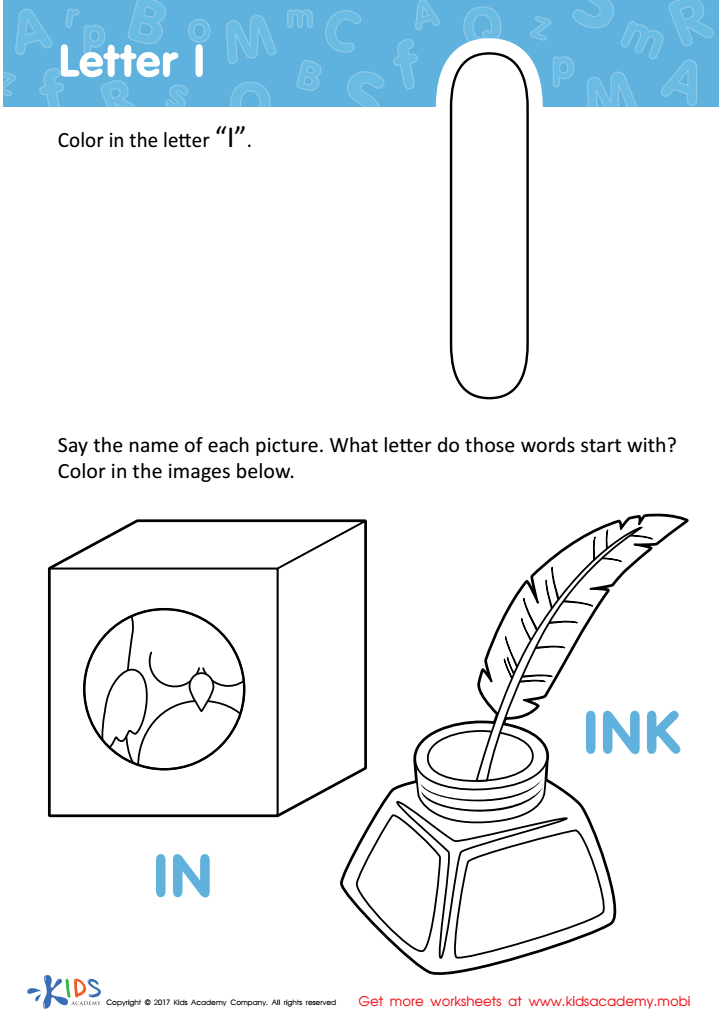
Letter I Coloring Sheet
Assign to My Students
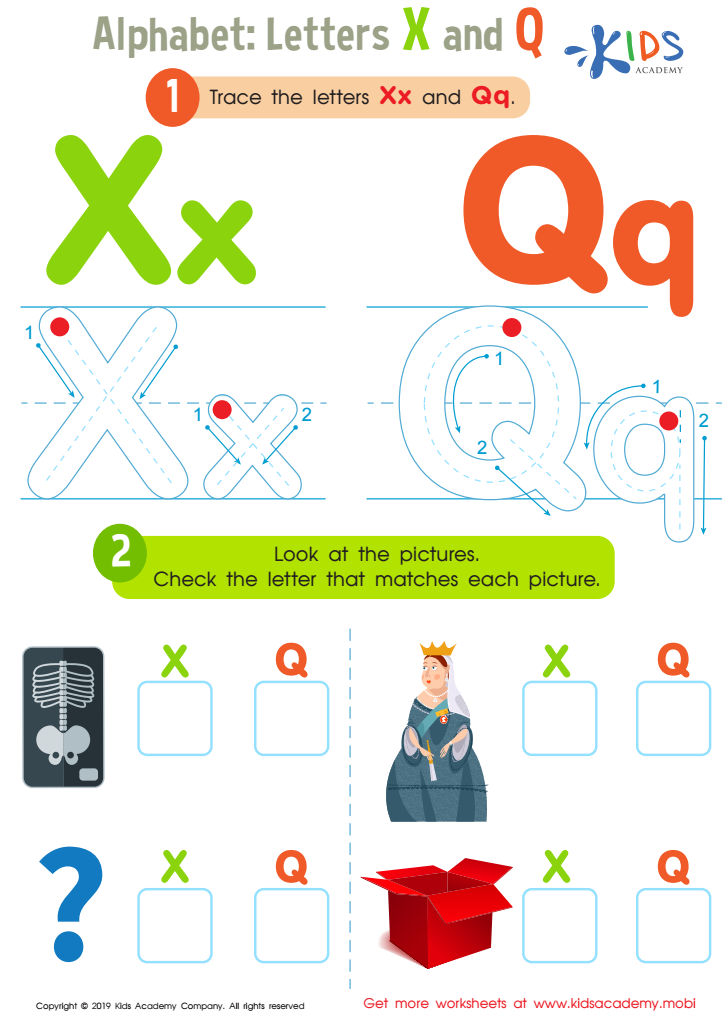
Letters X and Q Tracing Worksheet
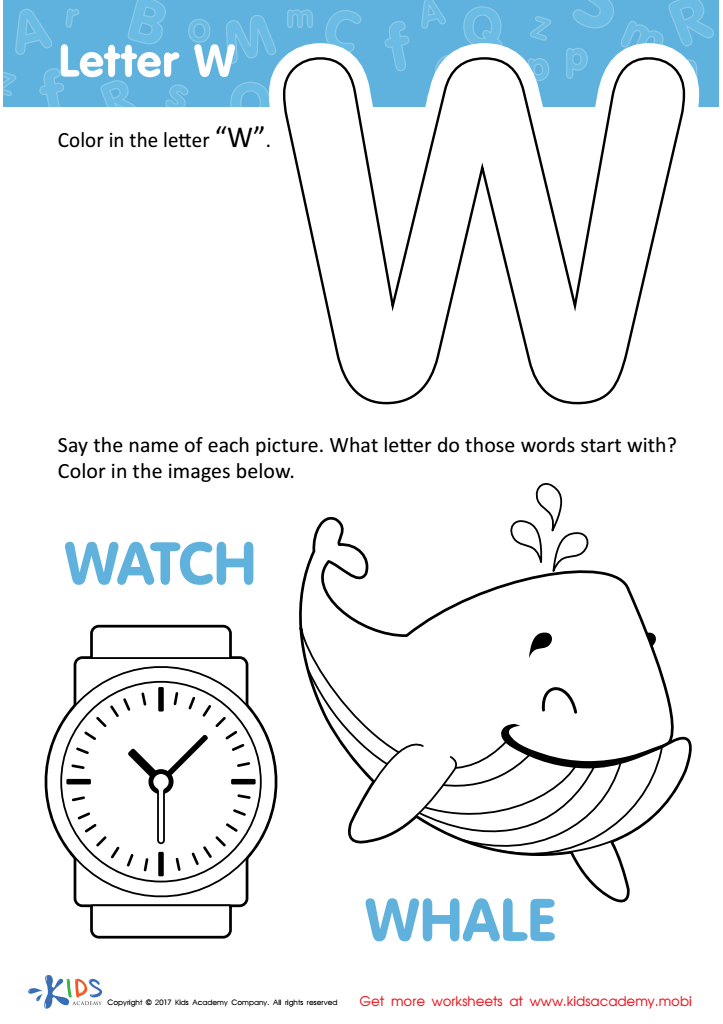
Letter W Coloring Sheet
Assign to My Students
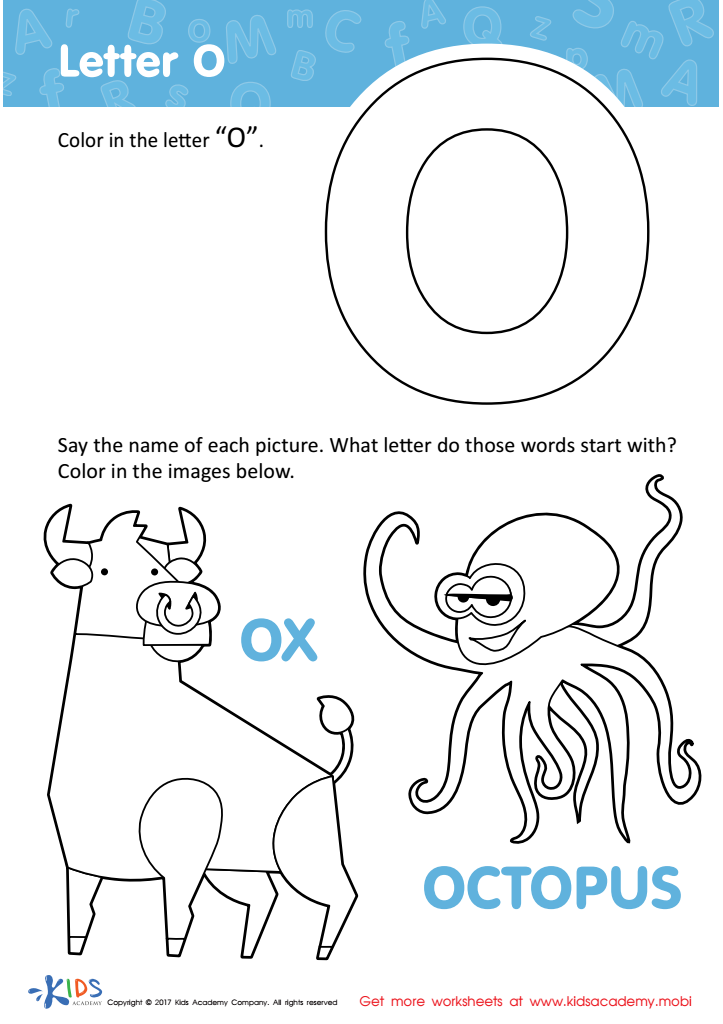
Letter O Coloring Sheet
Assign to My Students
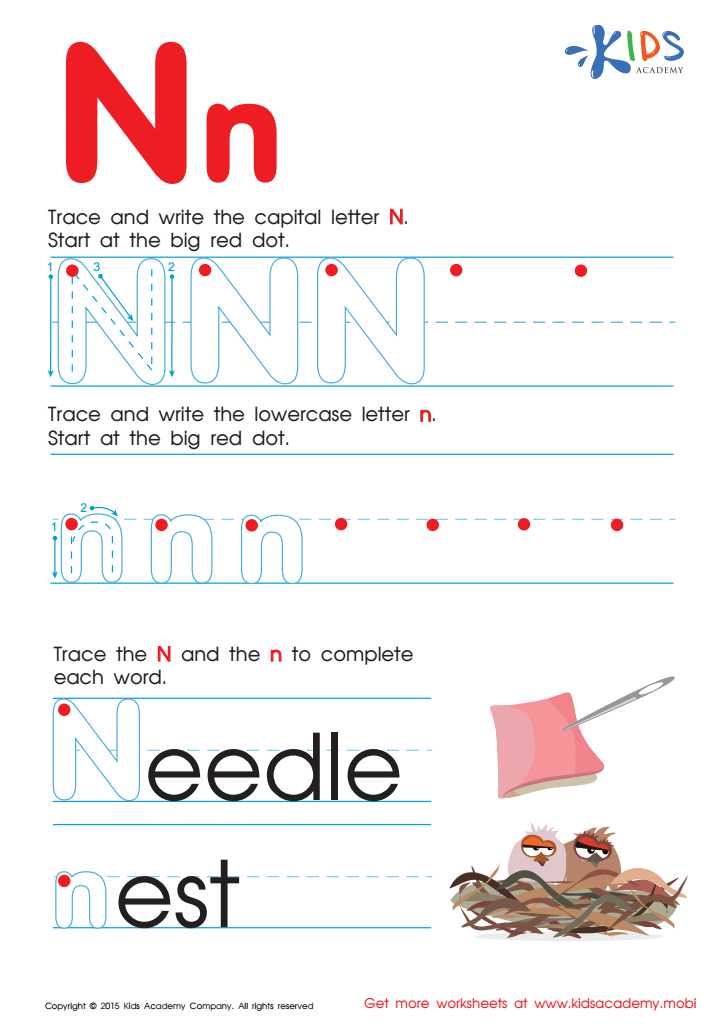
Letter N Tracing Page

Letter V Tracing Page
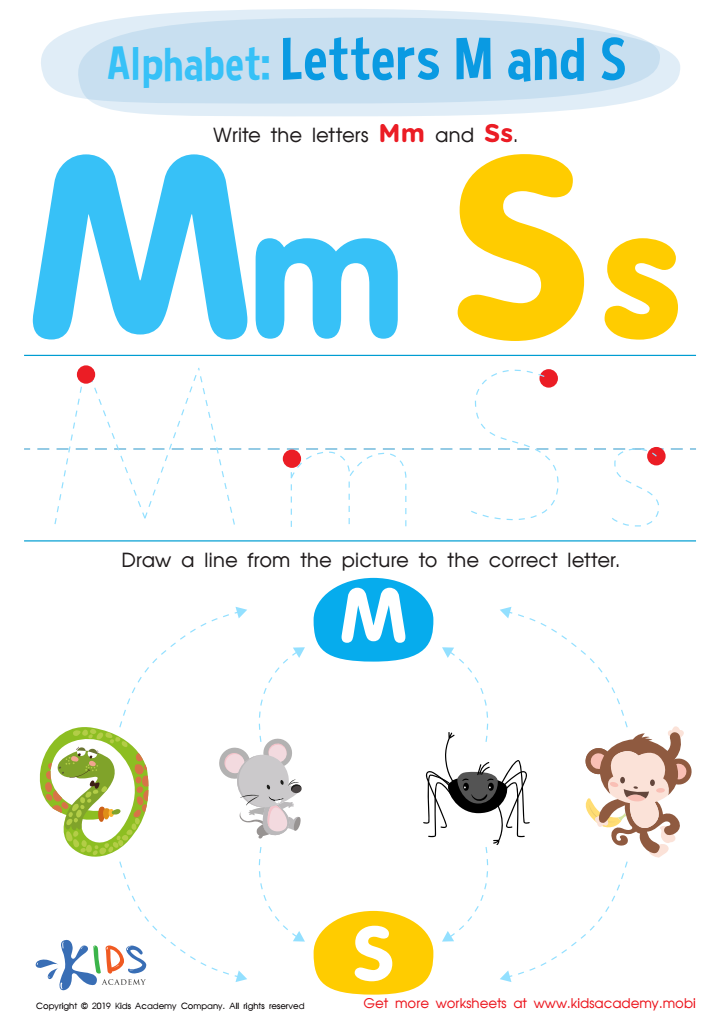
Letters M and S Tracing Worksheet
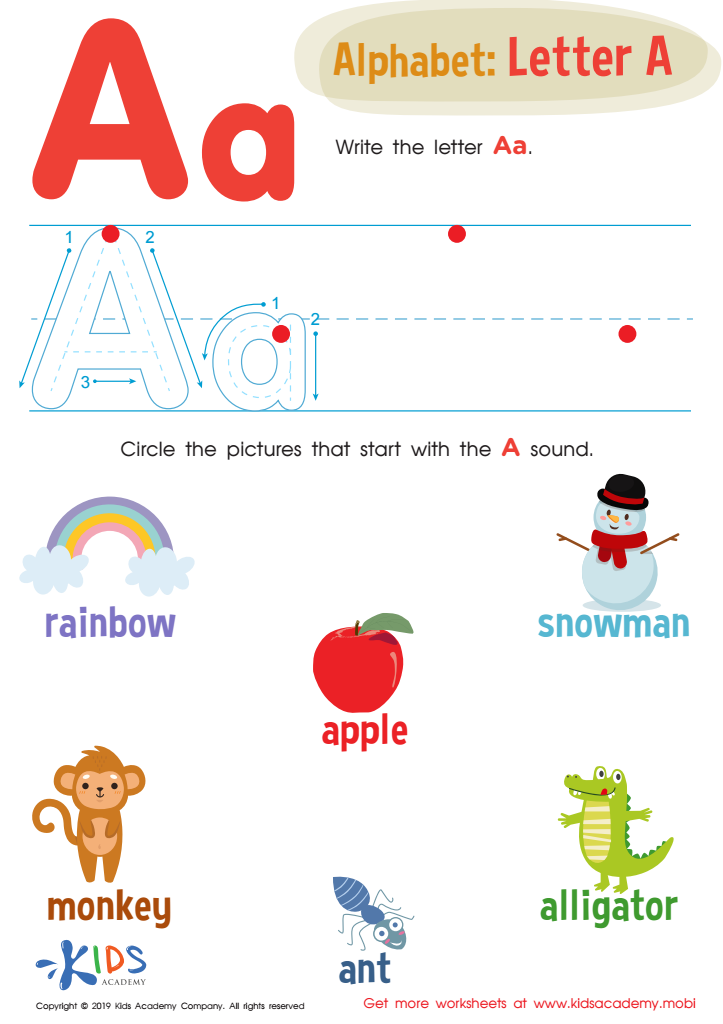
Letter A Tracing Worksheet








Handwriting practice and letter recognition are crucial for 9-year-olds, as they form the foundation of literacy and effective communication. At this age, children are making significant strides in their academic journey, often moving from learning to read to reading to learn. Mastery of handwriting enhances a child's ability to express their thoughts clearly and creatively on paper, which can boost their academic performance and confidence.
Many studies indicate that the physical act of writing can deepen learning and memory. When children practice handwriting, they engage multiple parts of the brain involved in movement, fine motor skills, and expression. This can reinforce their understanding of letter formation, spelling, and grammar.
Moreover, developing strong handwriting skills can reduce frustration for children as they progress to more advanced writing tasks like composing essays or joining discussions in class. Letter recognition is equally important, as it aids children in quickly decoding words, leading to improved reading fluency.
Parents and teachers play a vital role in emphasizing these skills through engaging activities and consistent practice at home or in the classroom. Prioritizing handwriting and letter recognition nurtures children’s confidence, creativity, and overall academic success, paving the way for lifelong learning.







