Fine Motor Skills Worksheets for 9-Year-Olds - Page 3
123 filtered results
-
From - To
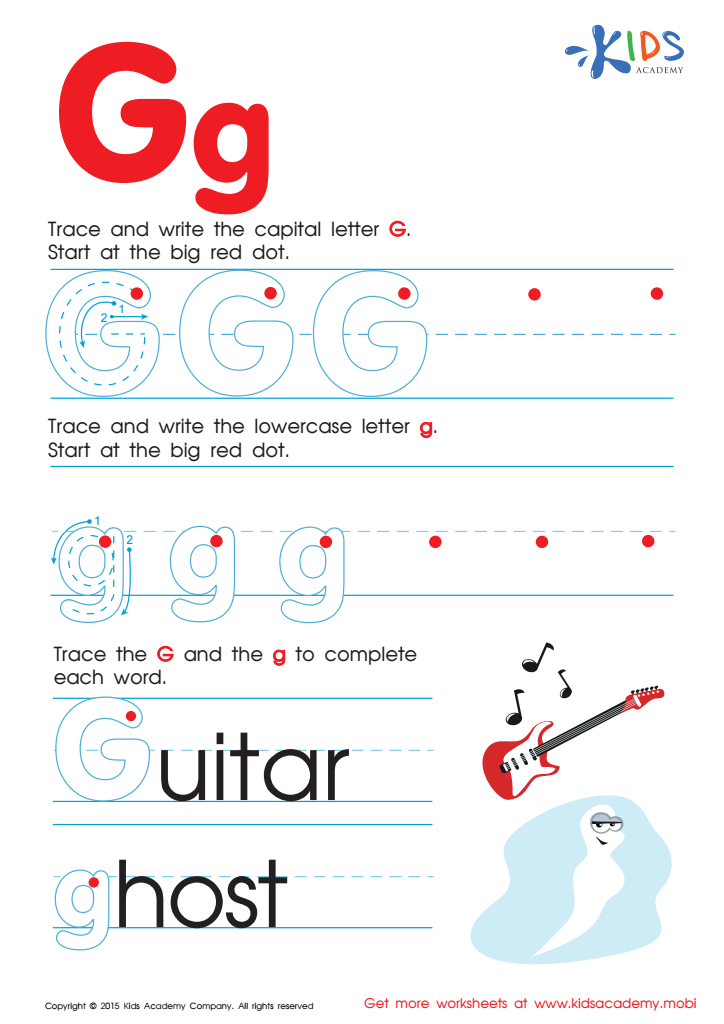
Letter G Tracing Page
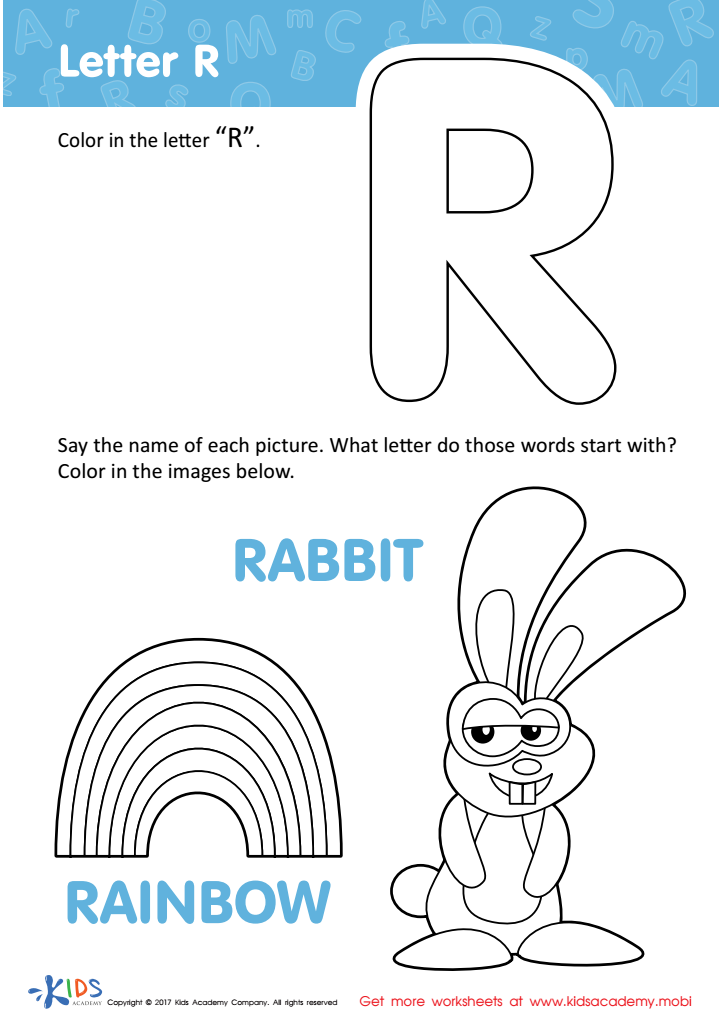
Letter R Coloring Sheet
 Assign to My Students
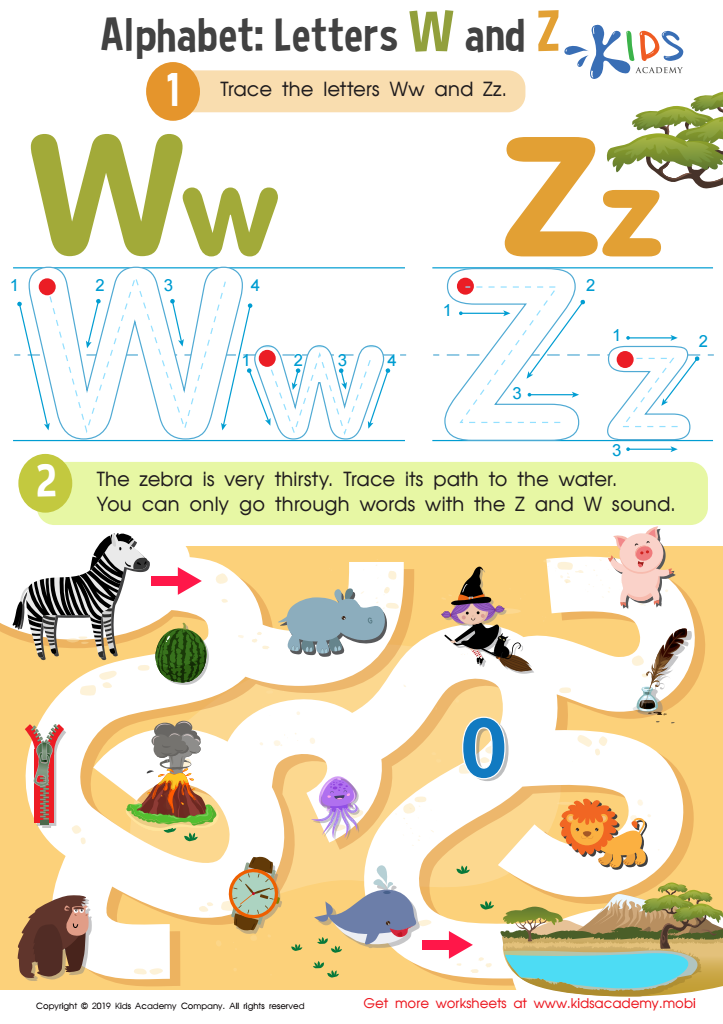
Letters W and Z Tracing Worksheet
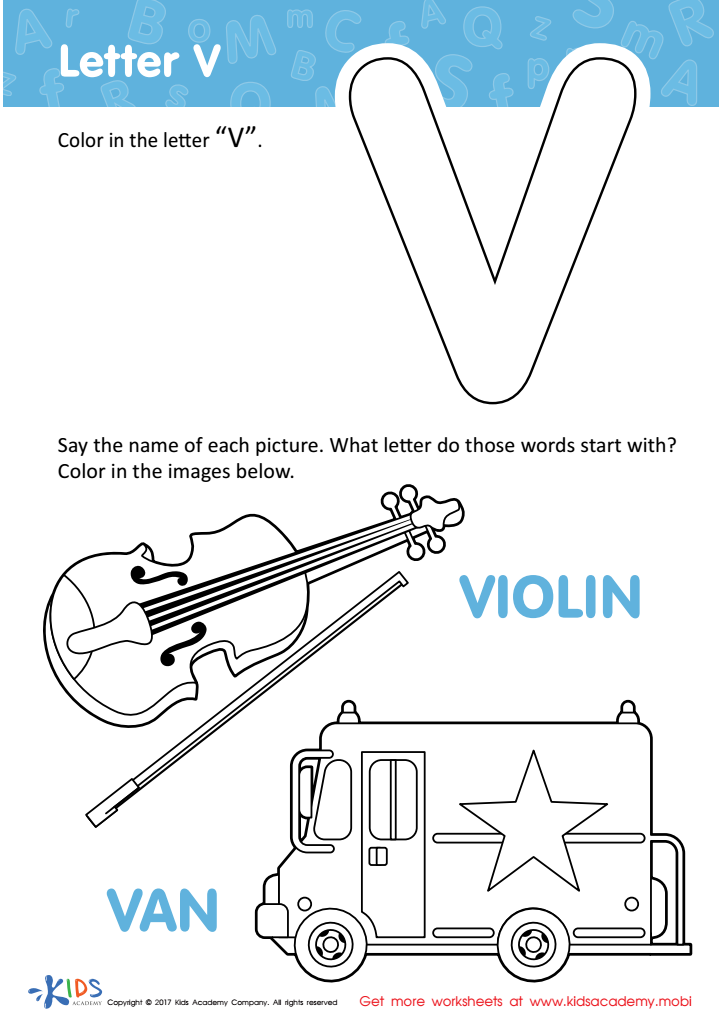
Letter V Coloring Sheet
Assign to My Students
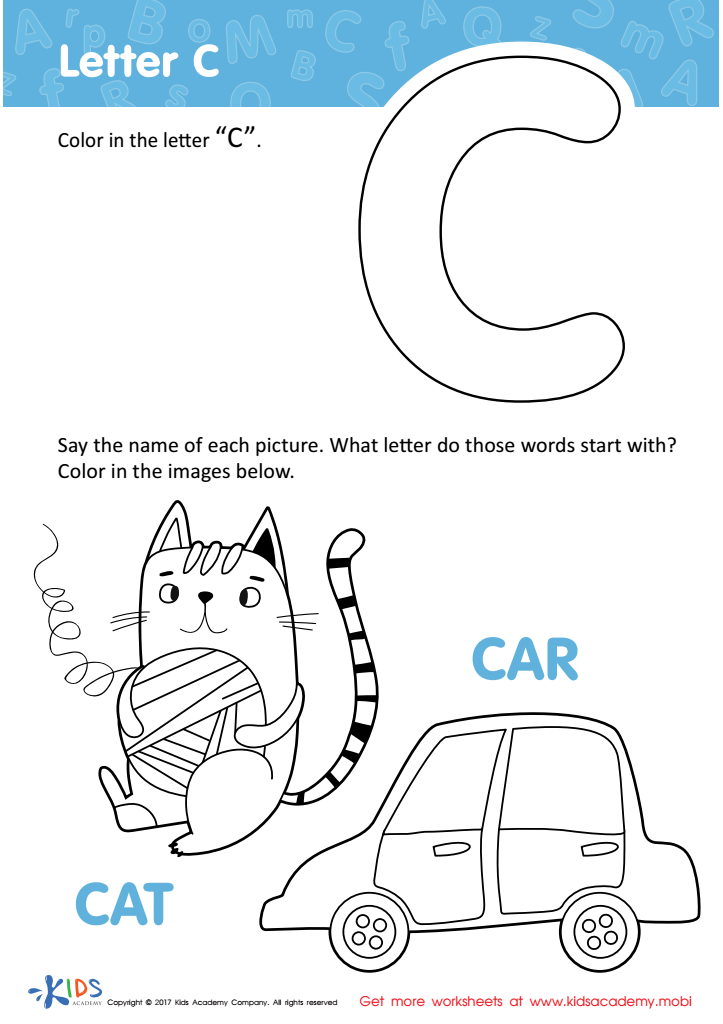
Letter C Coloring Sheet
Assign to My Students
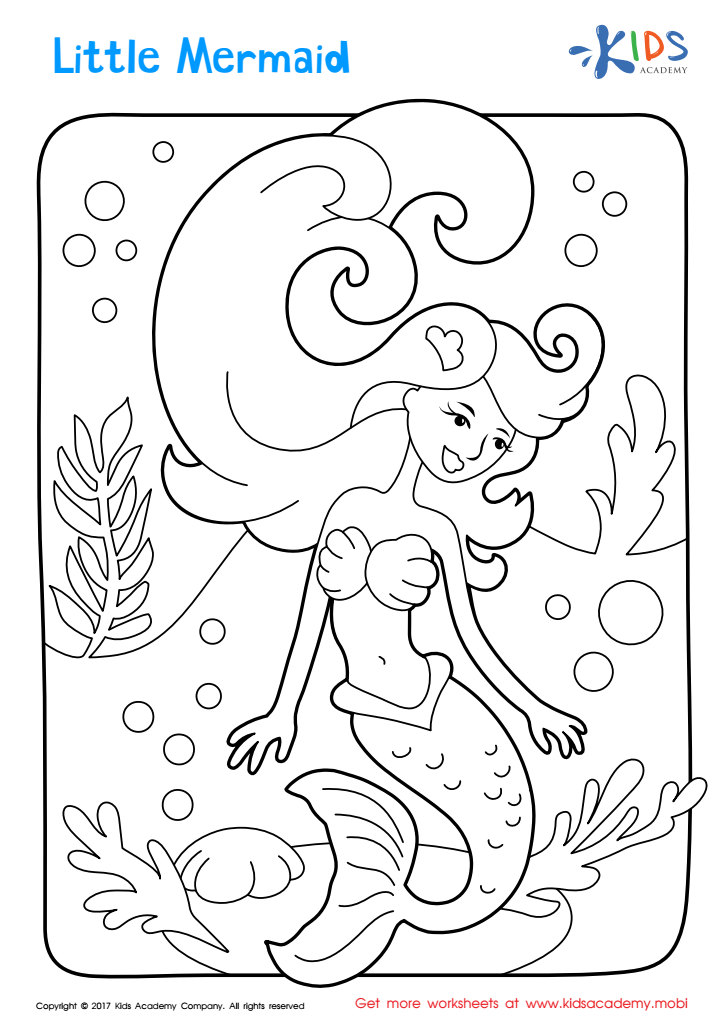
Little Mermaid Coloring Page
Assign to My Students
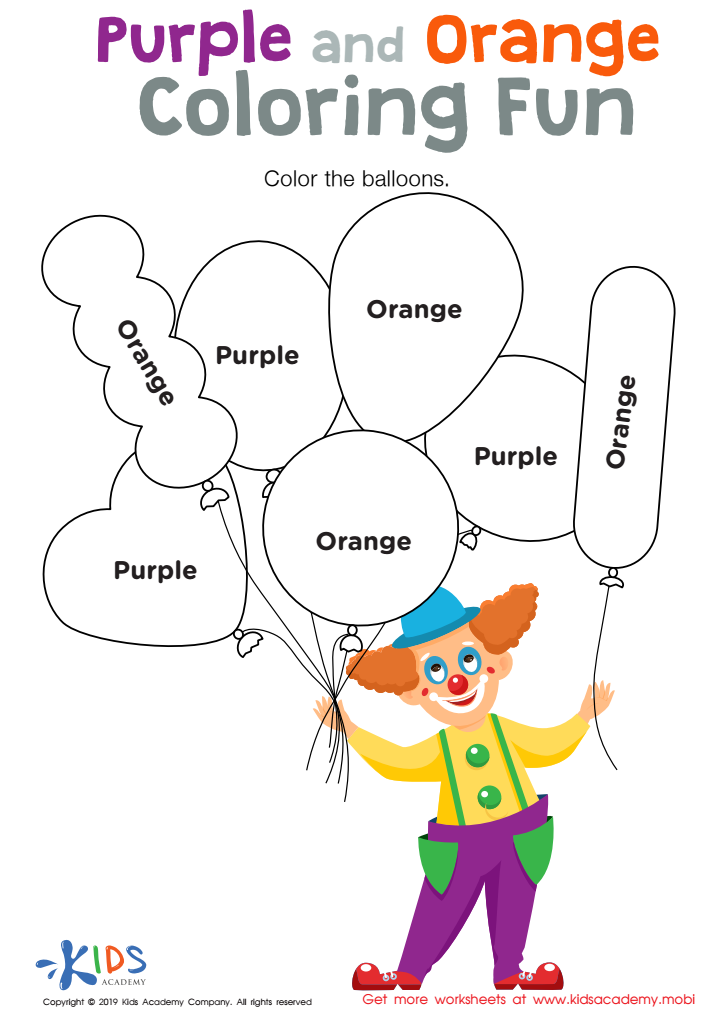
Purple and Orange Coloring Fun Worksheet
Assign to My Students
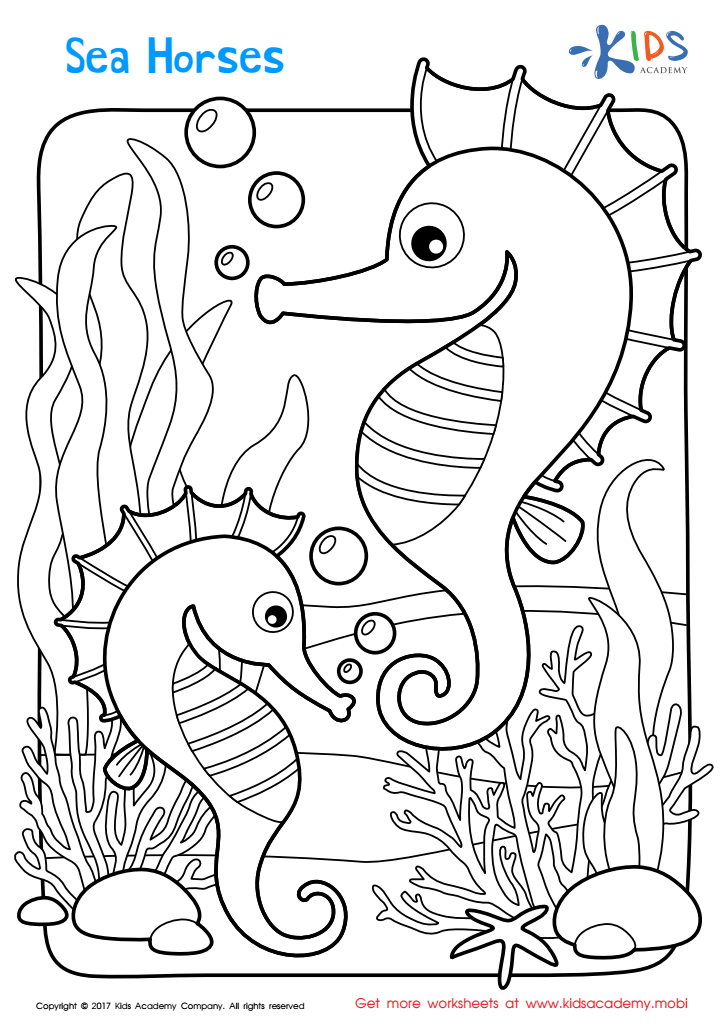
Sea Horses Printable
Assign to My Students
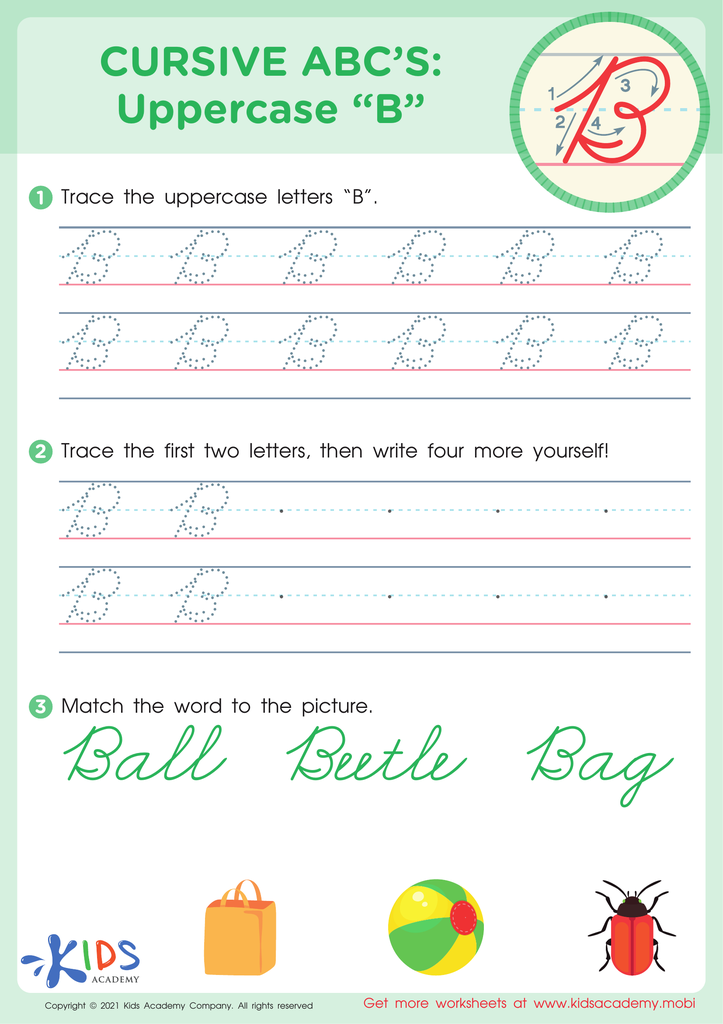
Cursive ABCs: Uppercase B
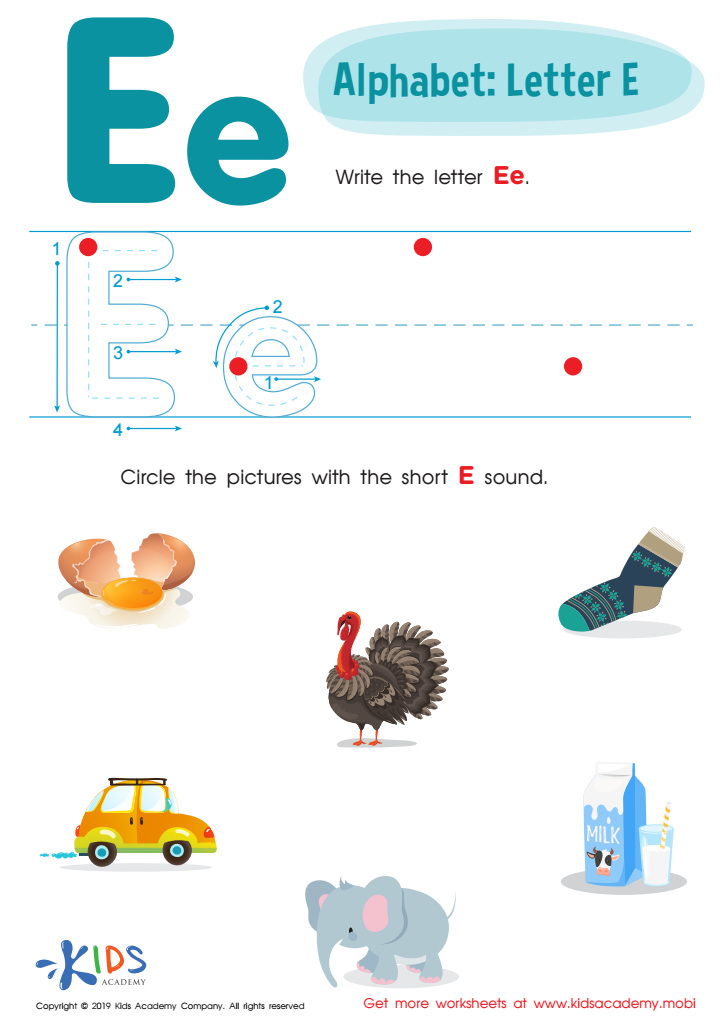
Letter E Tracing Worksheet
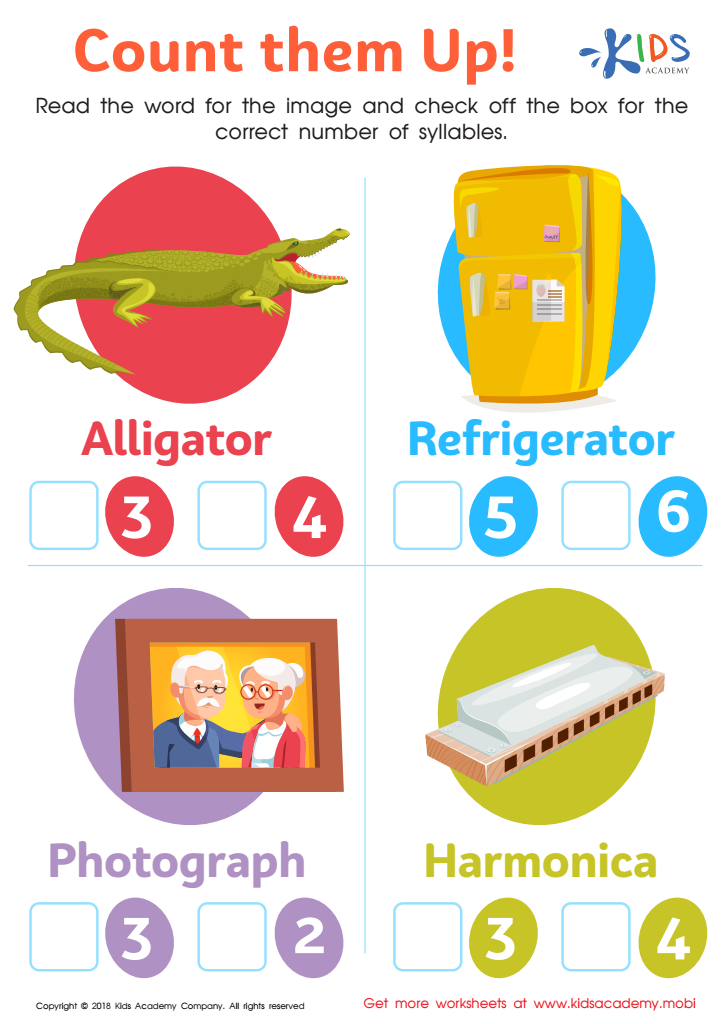
Count Them Up Worksheet
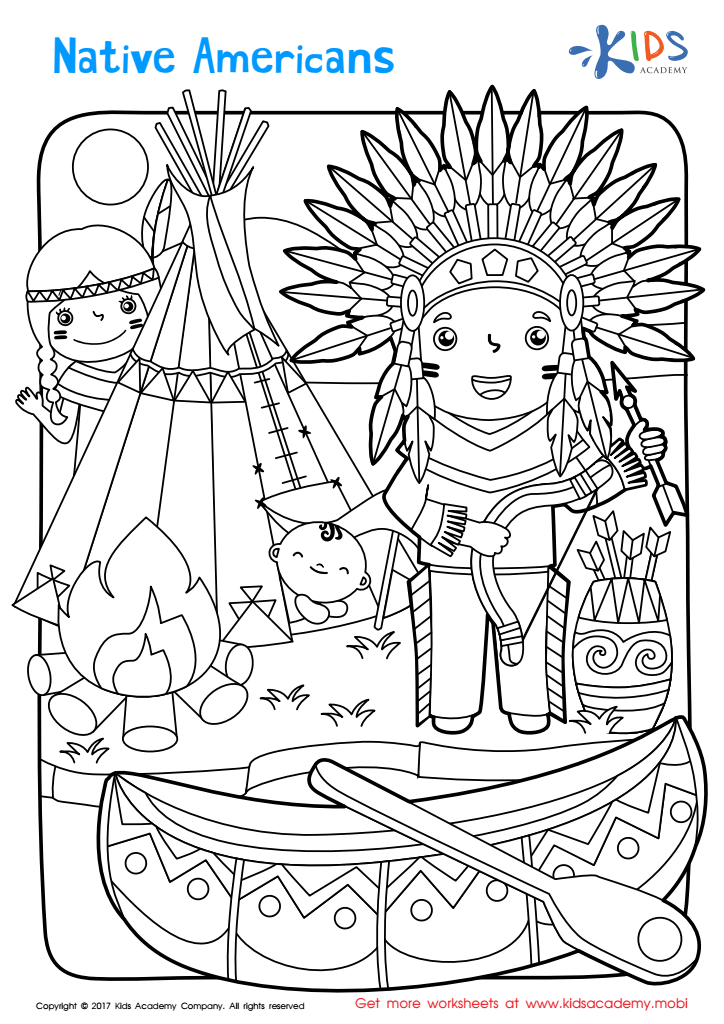
Native American Coloring Page Worksheet
Assign to My Students
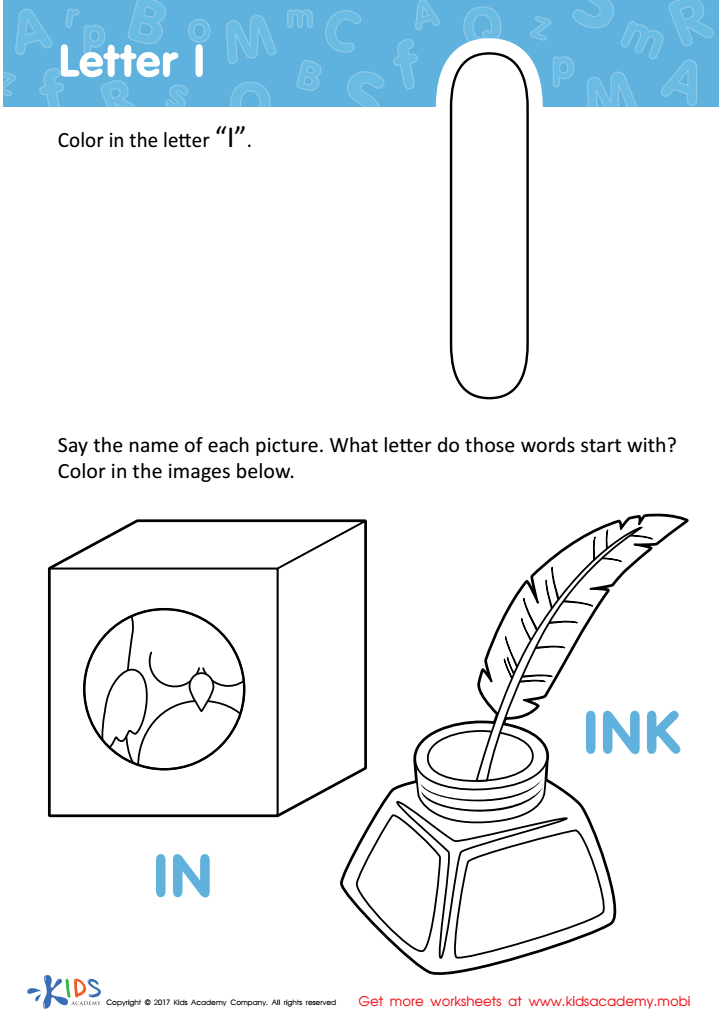
Letter I Coloring Sheet
Assign to My Students
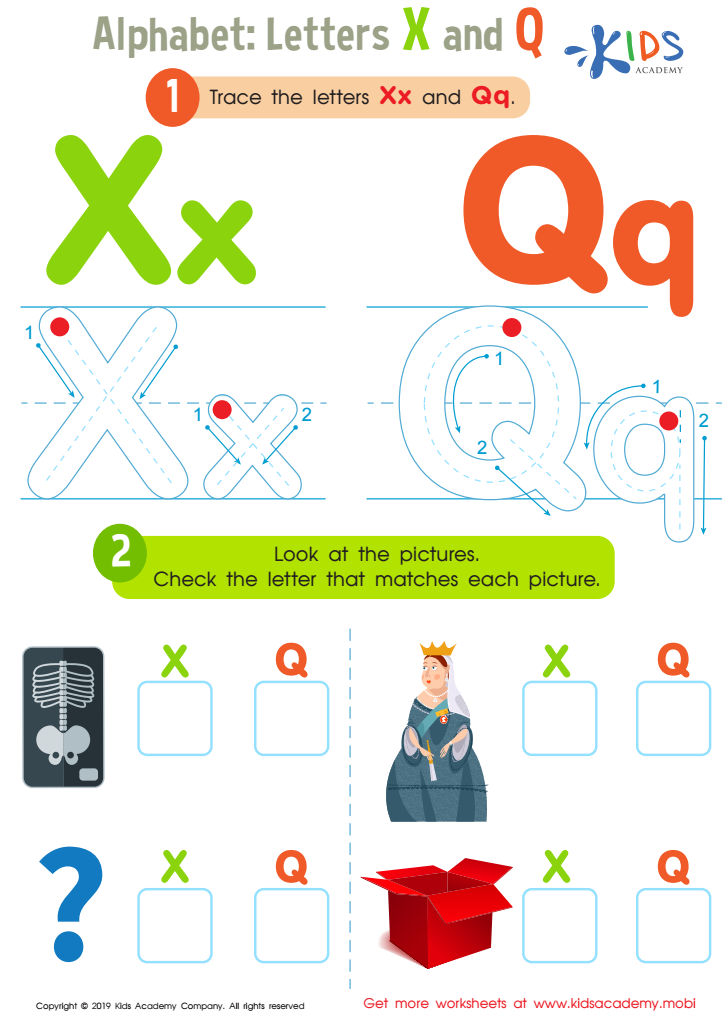
Letters X and Q Tracing Worksheet

Long and Short U Worksheet
Assign to My Students
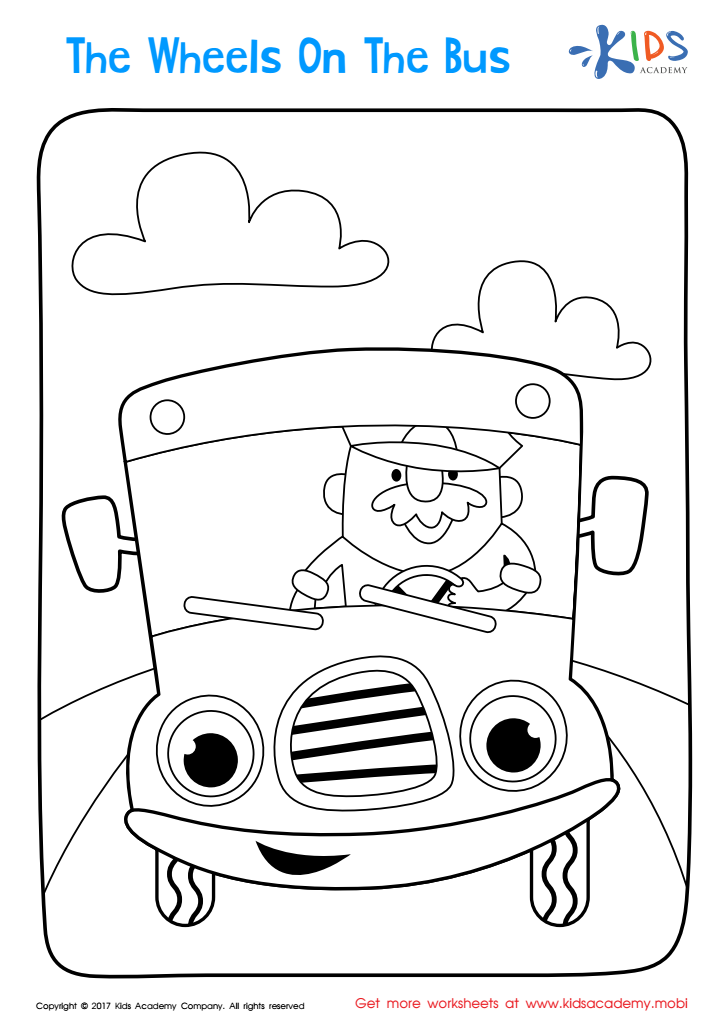
The Wheels on the Bus Coloring Page
Assign to My Students
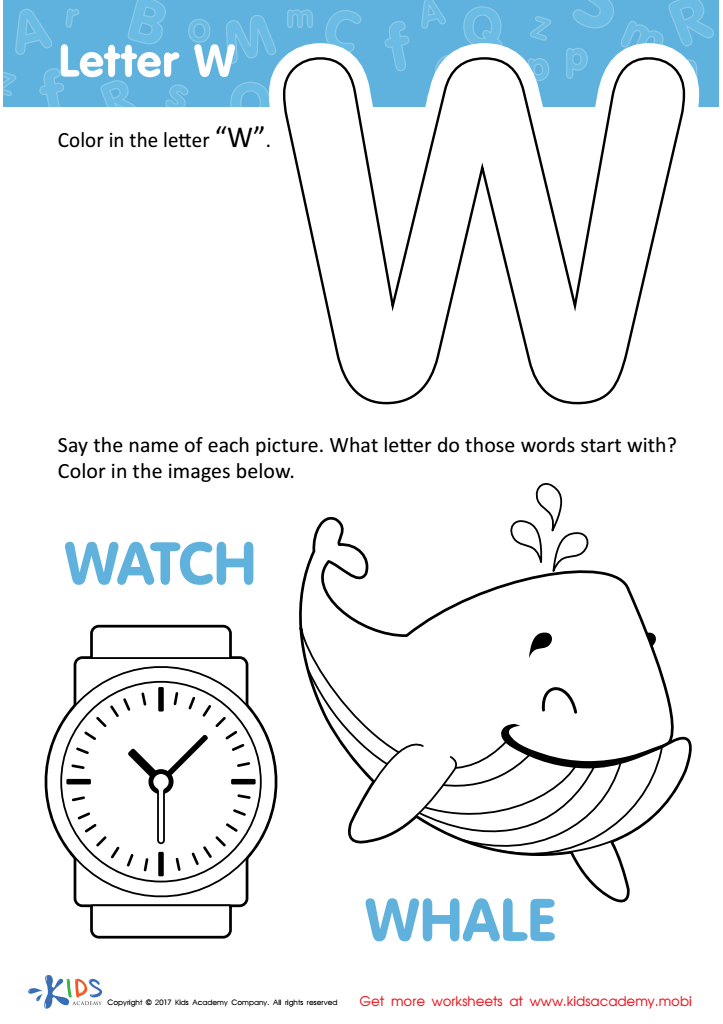
Letter W Coloring Sheet
Assign to My Students
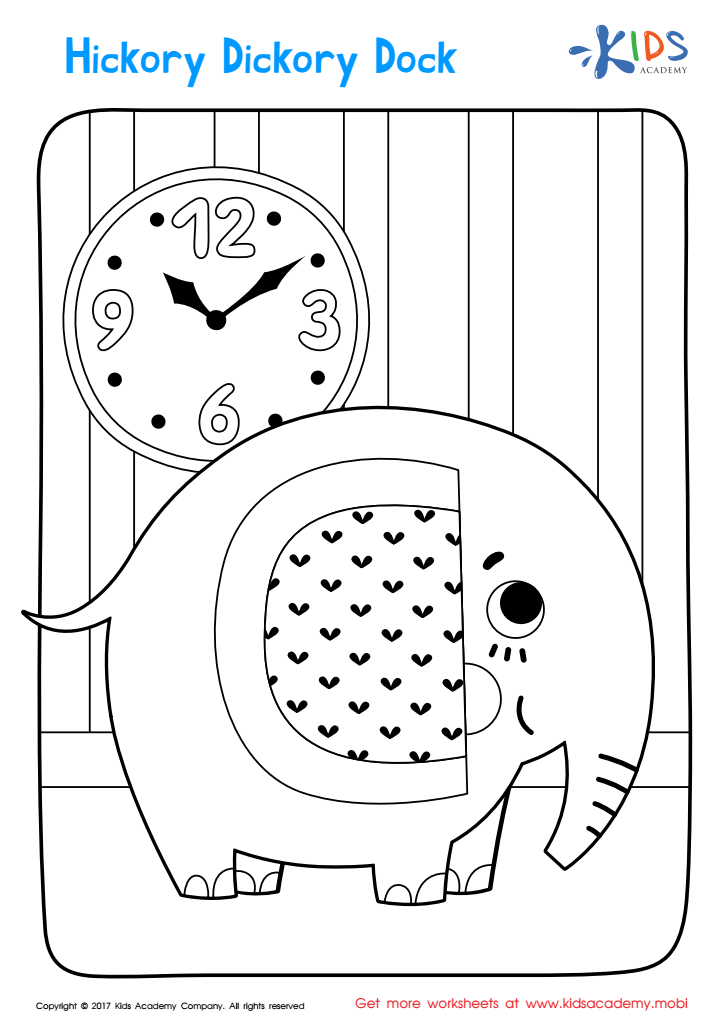
Hickory Dickory Dock Coloring Page
Assign to My Students
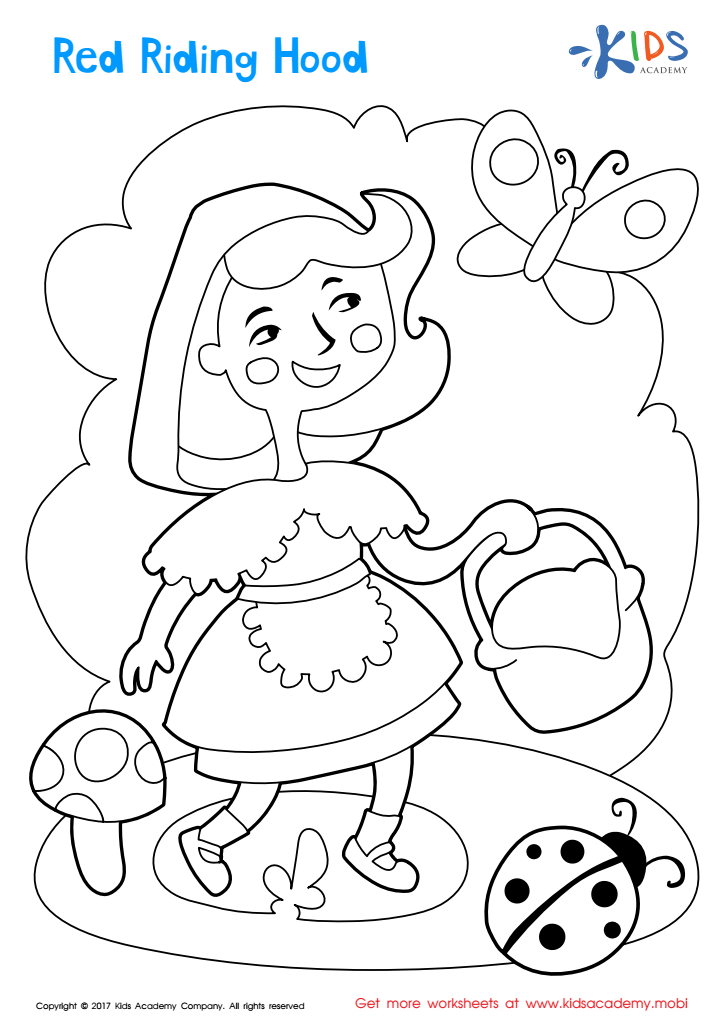
Red Riding Hood Coloring Page
Assign to My Students
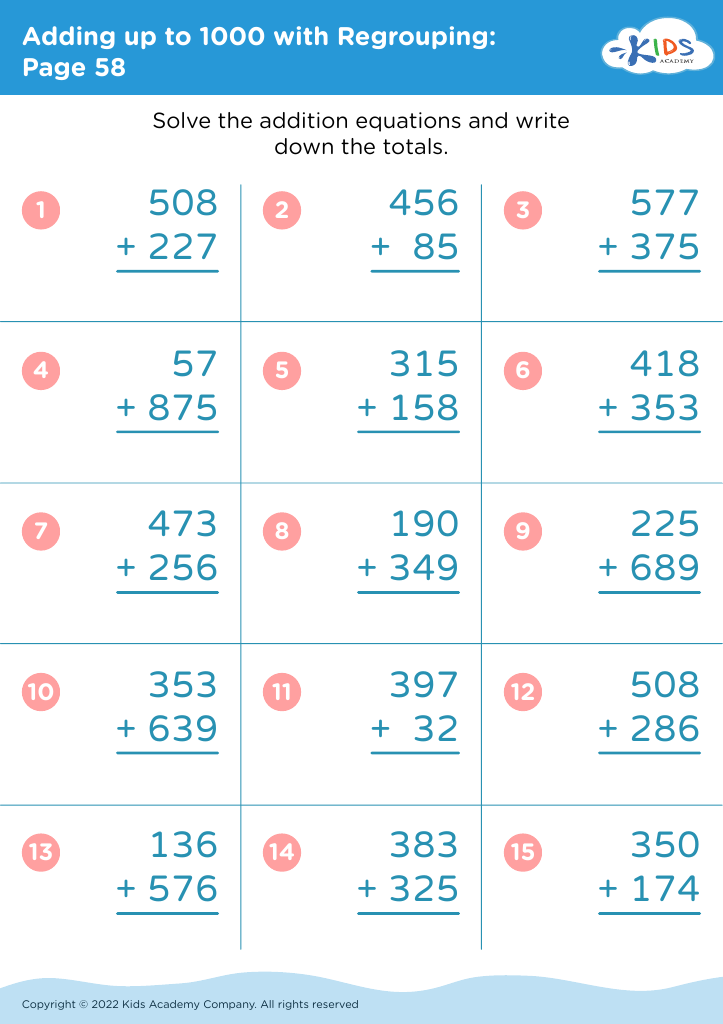
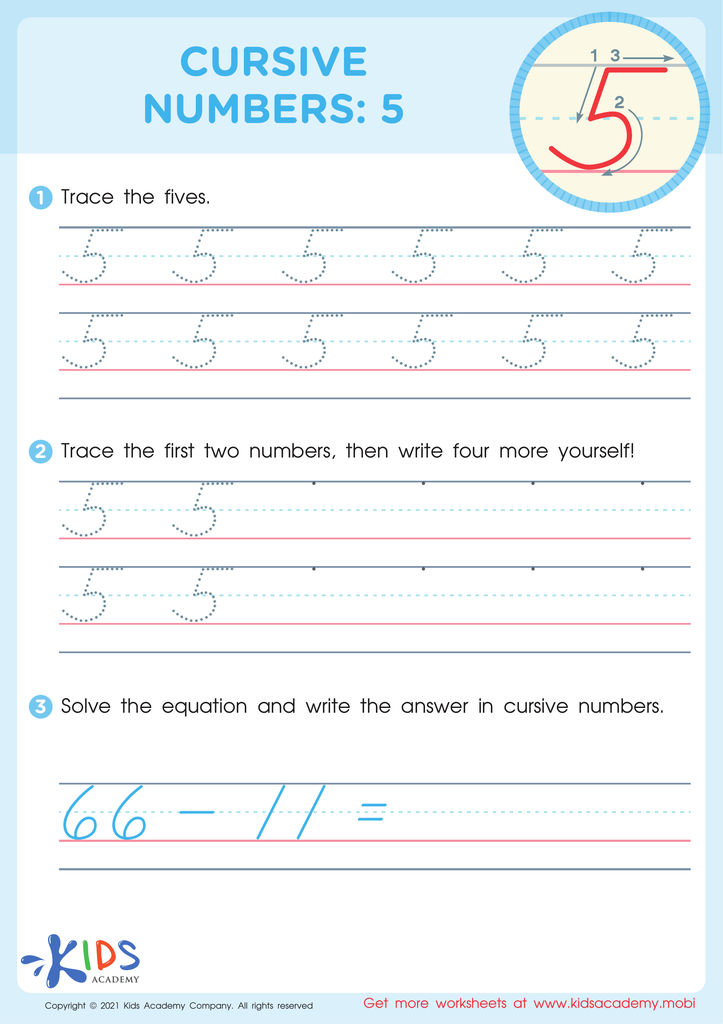
Cursive Numbers: 5 Worksheet
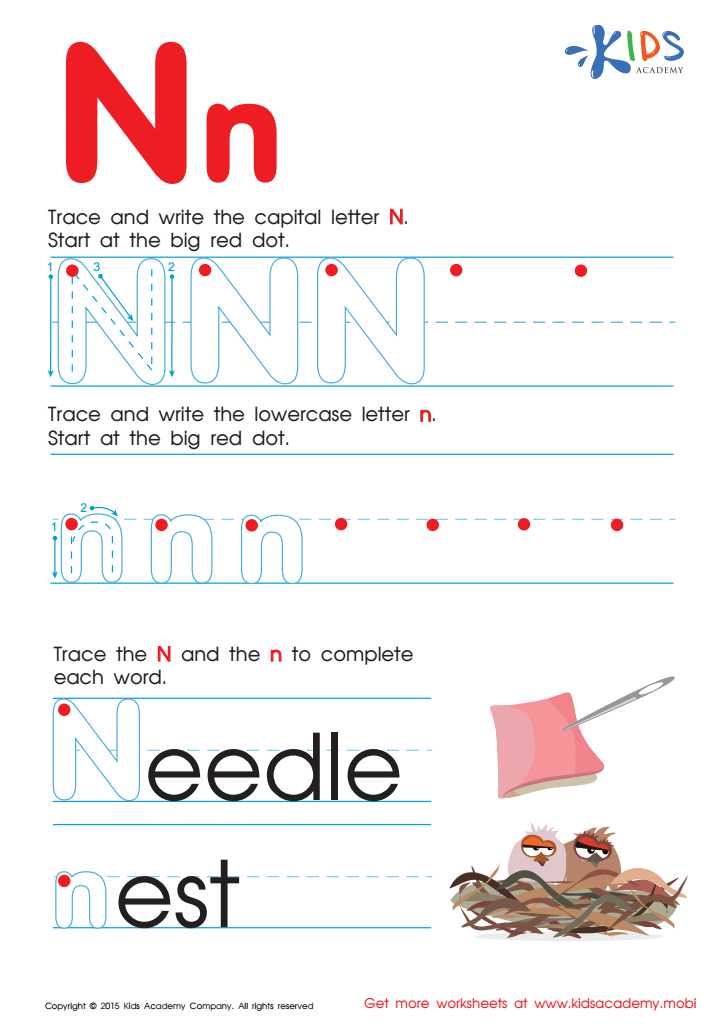
Letter N Tracing Page
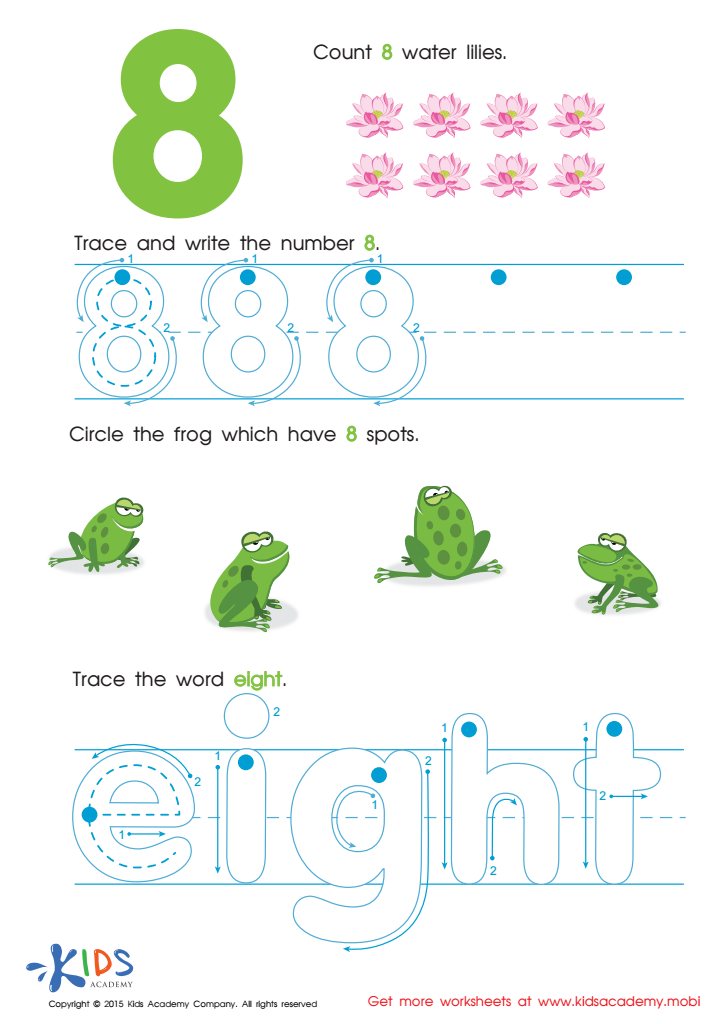
Learn Number 8 Easily Worksheet






Fine motor skills are essential for a 9-year-old’s development, and both parents and teachers should prioritize their cultivation. These skills, which involve the coordination of small muscles in the hands and fingers, are crucial for completing everyday tasks such as writing, drawing, and managing tools. Neglecting fine motor skill development can lead to challenges in academic performance, as children may struggle with handwriting or art projects, impacting their self-esteem and motivation.
In addition to academic implications, fine motor skills are linked to cognitive and social development. As children master these skills, they also develop problem-solving abilities and hand-eye coordination, fostering independence in activities like tying shoes or using utensils. Collaborative tasks, such as crafting or group projects, enhance teamwork and communication, further boosting their social skills.
By engaging children in activities that promote fine motor skills—such as arts and crafts, playing with building blocks, or using tweezers in sorting games—adults can support their overall growth. When parents and teachers understand the significance of these skills, they can create more enriching experiences that foster confidence, creativity, and academic success, preparing children for future challenges in school and beyond.








