Color recognition Math Worksheets for 9-Year-Olds
8 filtered results
-
From - To
Enhance your child's color recognition and mathematical skills with our engaging Color Recognition Math Worksheets designed specifically for 9-year-olds. These worksheets integrate fun activities that challenge students to identify and match colors while applying their math abilities. Perfect for reinforcing lessons in a playful way, children will solve problems that involve counting colored objects and recognizing patterns, all while enjoying vibrant visuals. Each worksheet is crafted to foster creativity and critical thinking, making math both educational and enjoyable. Download our resources today and watch your child develop confidence in their color recognition and foundational math skills!
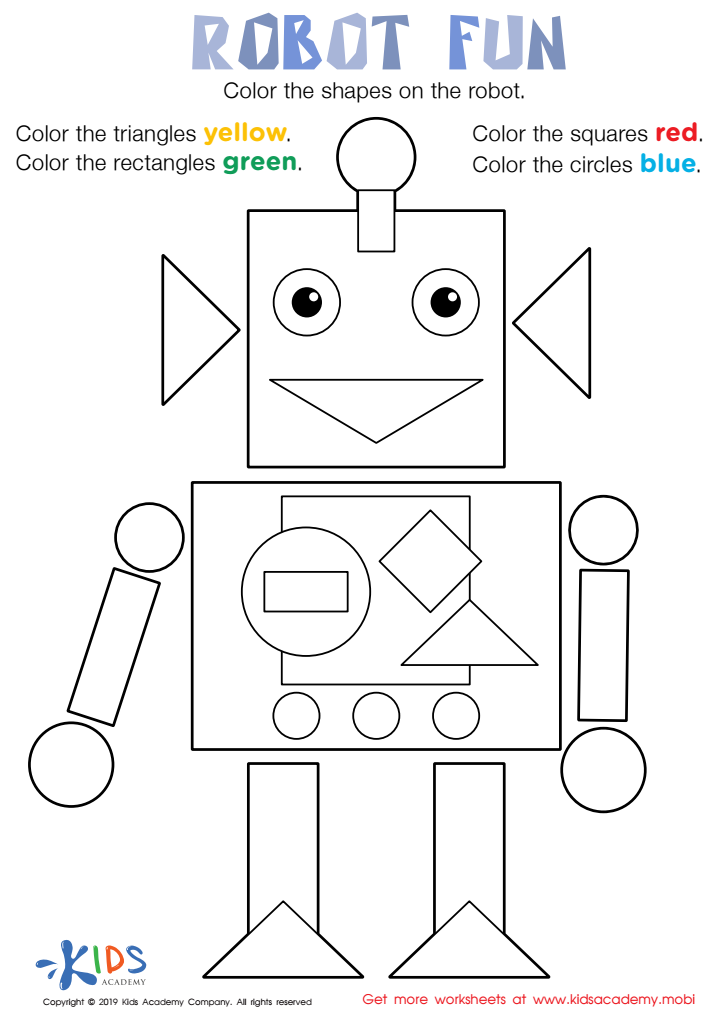
Robot Fun Worksheet
 Assign to My Students
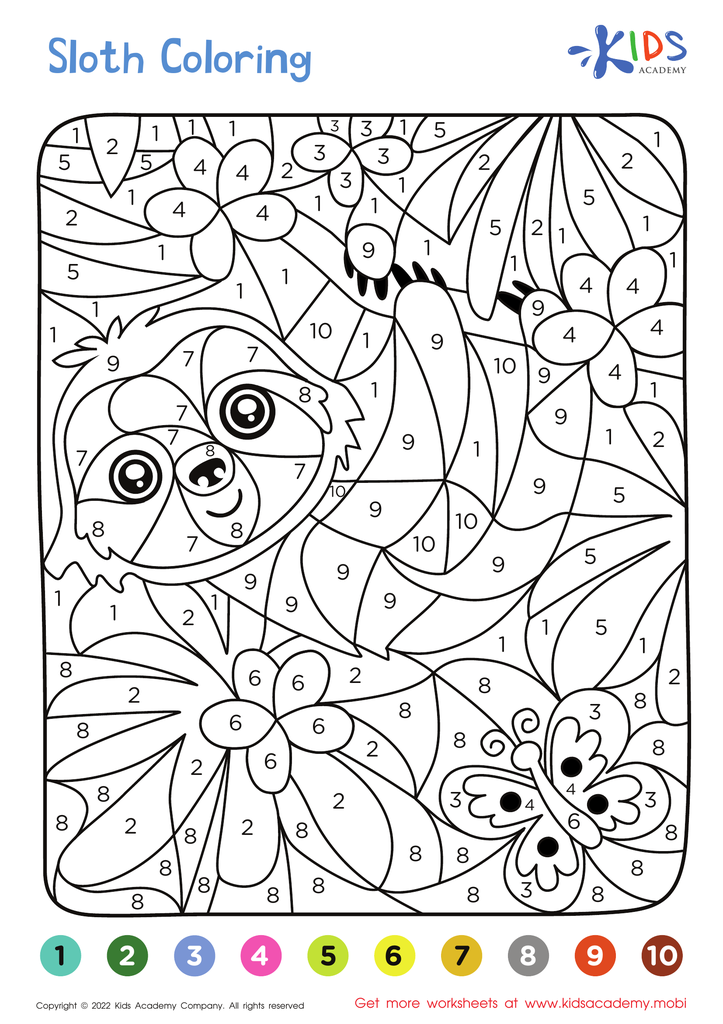
Sloth – Coloring by Numbers
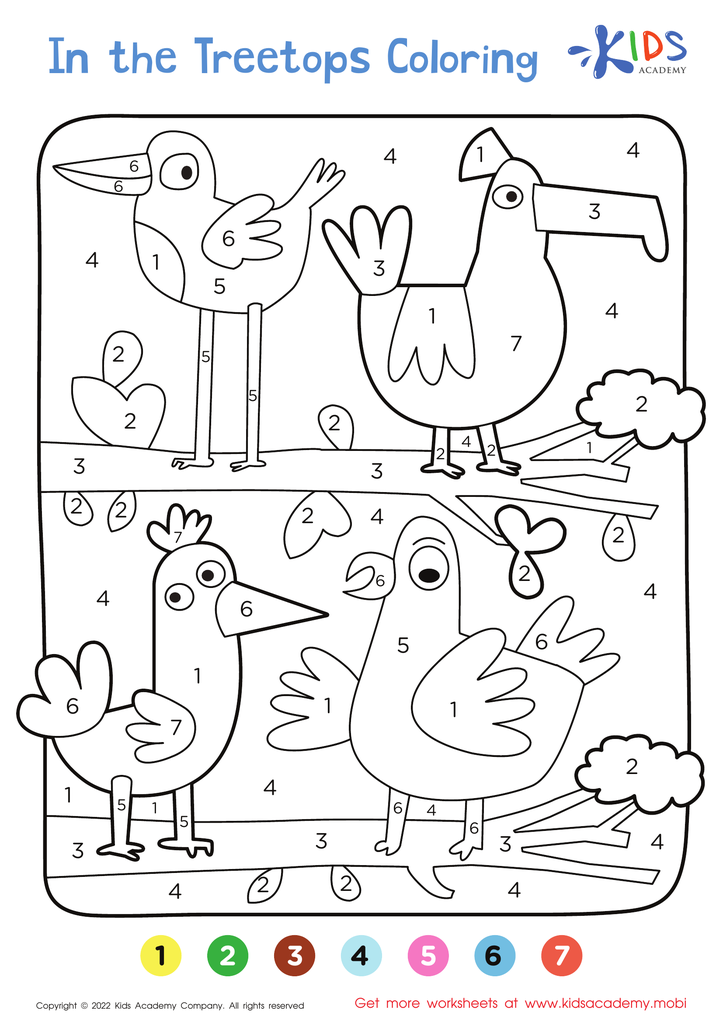
In the Treetops – Coloring Page
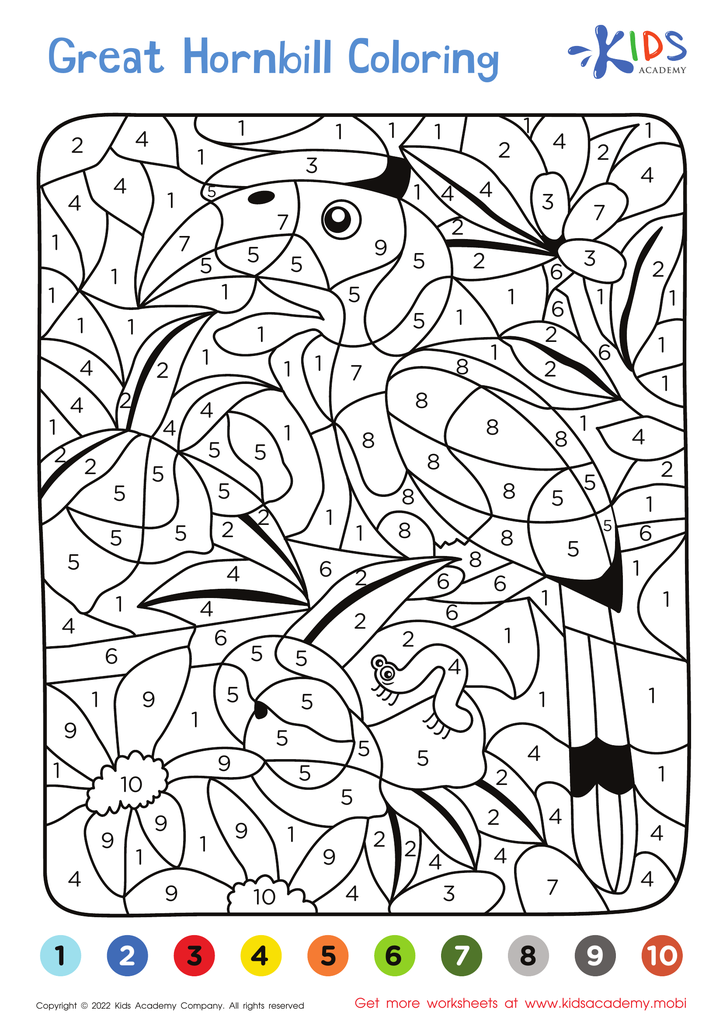
Great Hornbill – Coloring by Numbers
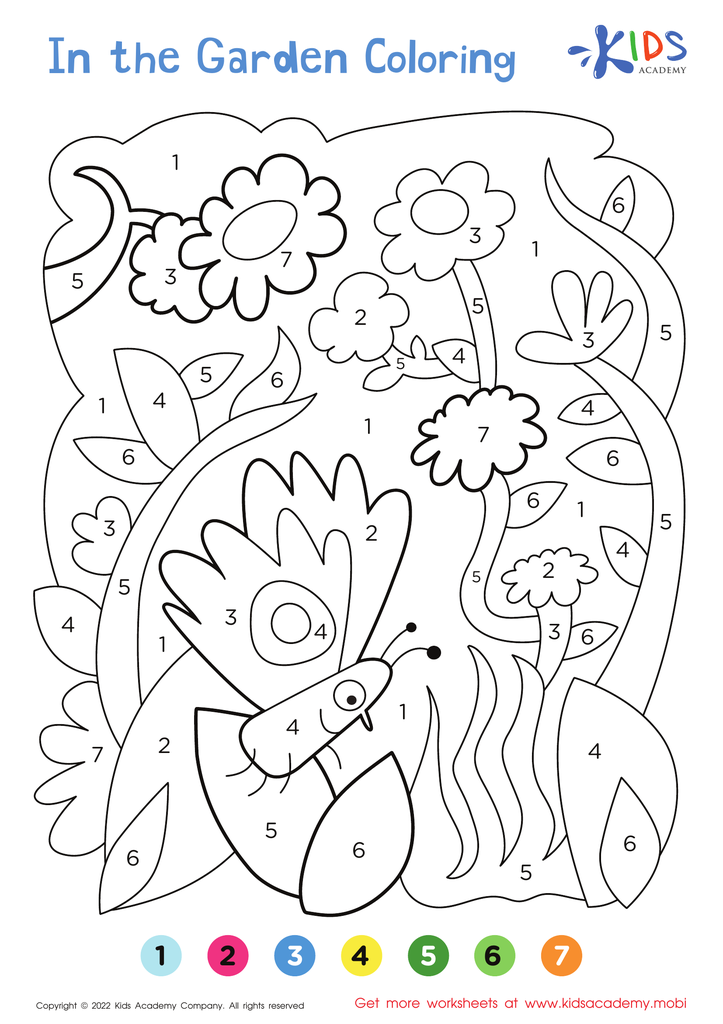
In the Garden – Coloring by Numbers






Color recognition in math for 9-year-olds plays a significant role in their overall cognitive development and learning experience. At this age, children are refining their critical thinking skills and beginning to understand complex concepts. Integrating color recognition into math not only embellishes lessons but also enhances engagement. When children associate colors with numbers or mathematical operations (like using different colored blocks for addition or subtraction), they create visual connections that help in retaining information and recognizing patterns.
Moreover, color recognition promotes inclusive learning. It caters to diverse learning styles, allowing visual learners to thrive and grasp mathematical ideas more effectively. Engaging students with colorful resources can make challenging concepts more accessible, improving their confidence and willingness to explore math.
Additionally, having a strong foundational understanding of colors and their associations can lead to improved problem-solving skills and creativity. It encourages curiosity and experimentation as students explore how colors can change and define their mathematical inputs.
Ultimately, by emphasizing color recognition within math, parents and teachers can encourage a joyful and interactive learning environment, fostering a lifelong love for mathematics while nurturing essential cognitive skills necessary for future learning.








