Reading comprehension Building Vocabulary Worksheets for 9-Year-Olds - Page 2
30 filtered results
-
From - To
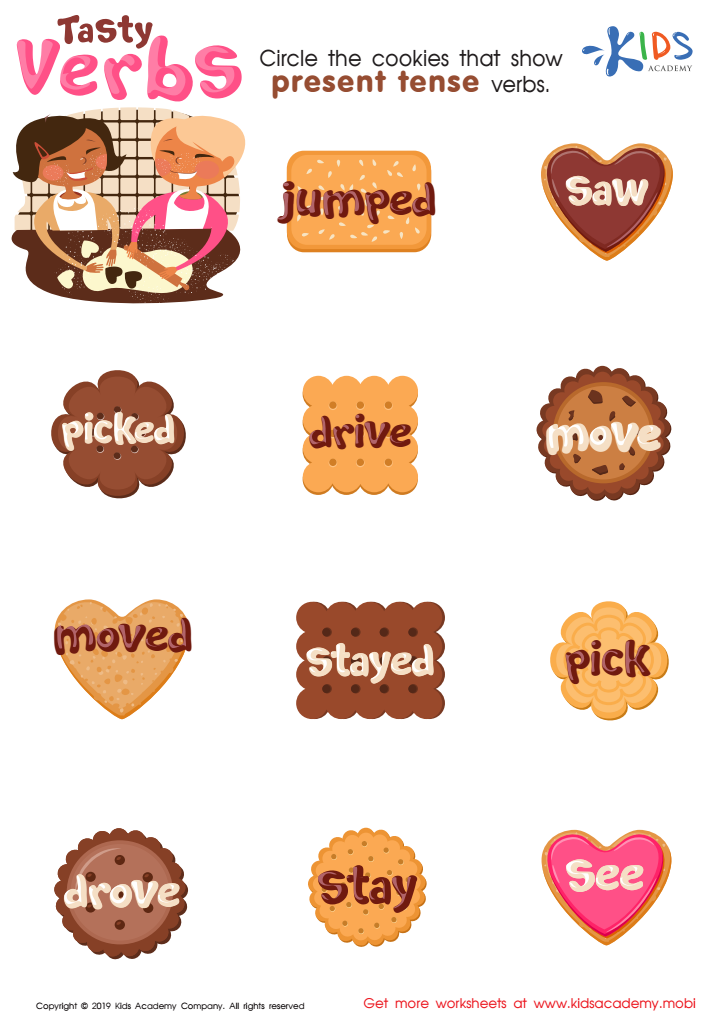
Tasty Verbs Worksheet
 Assign to My Students











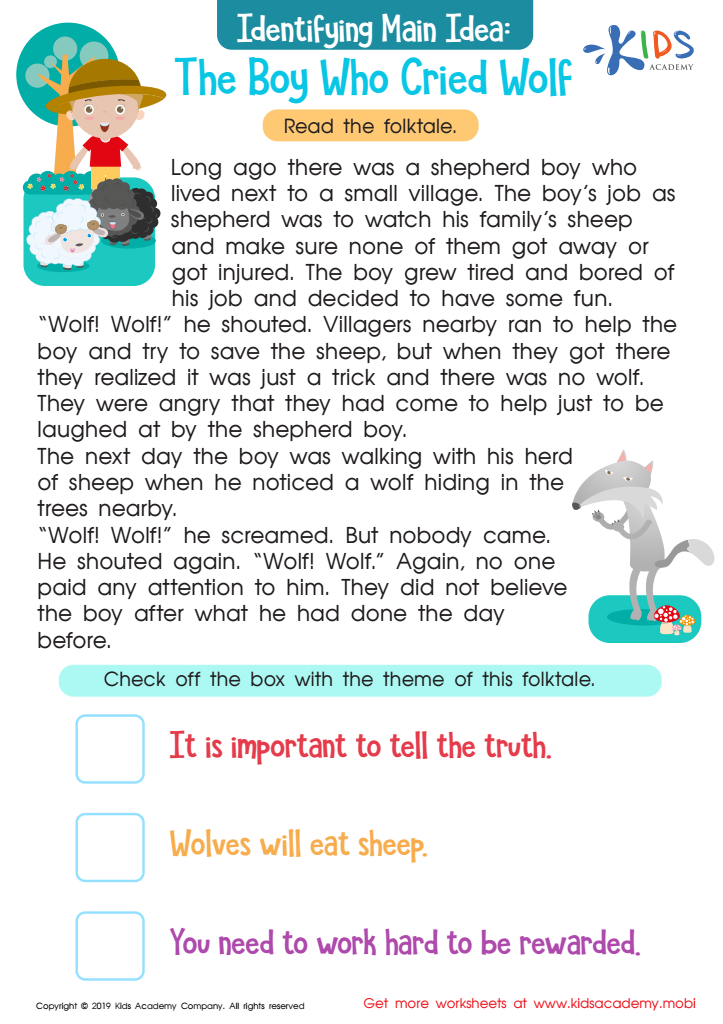
The Boy Who Cried Wolf Part 2 Worksheet
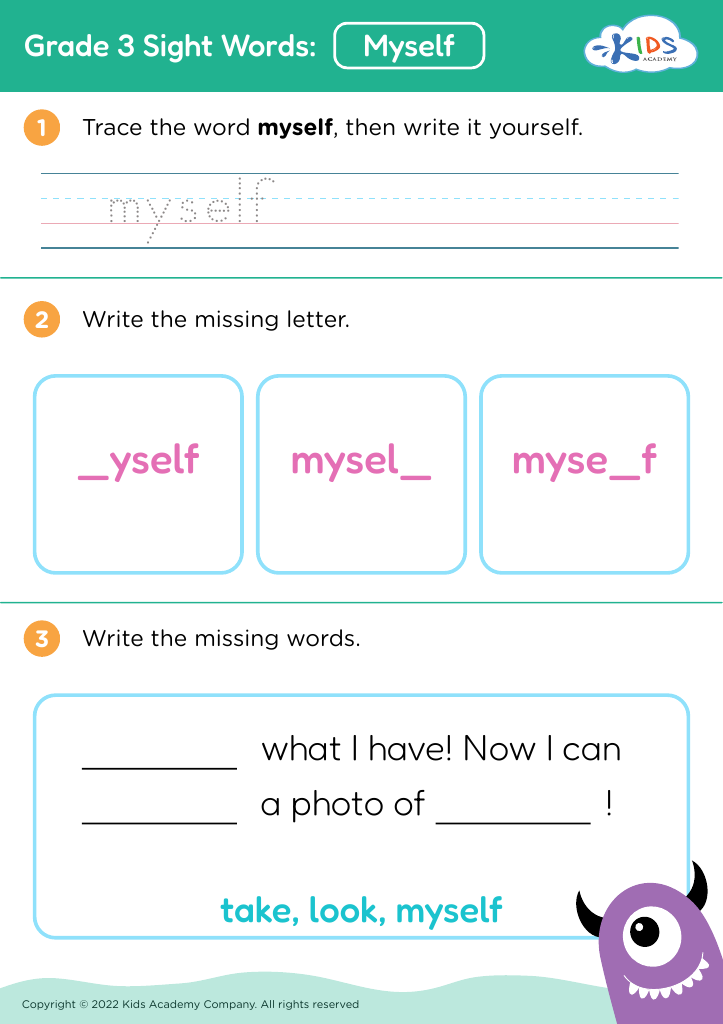
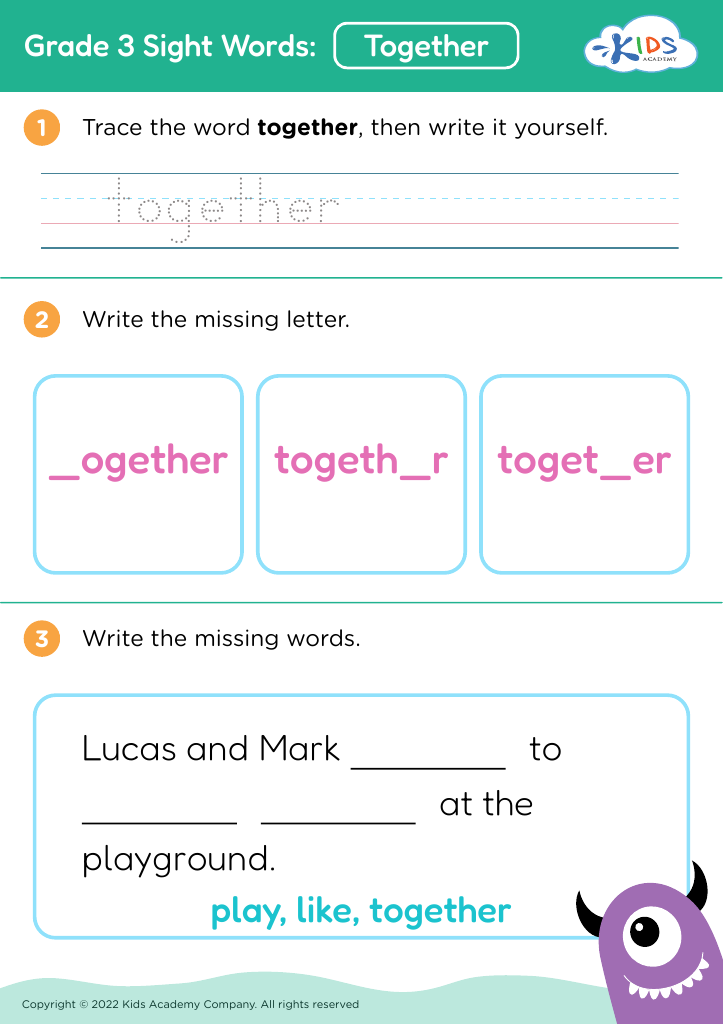
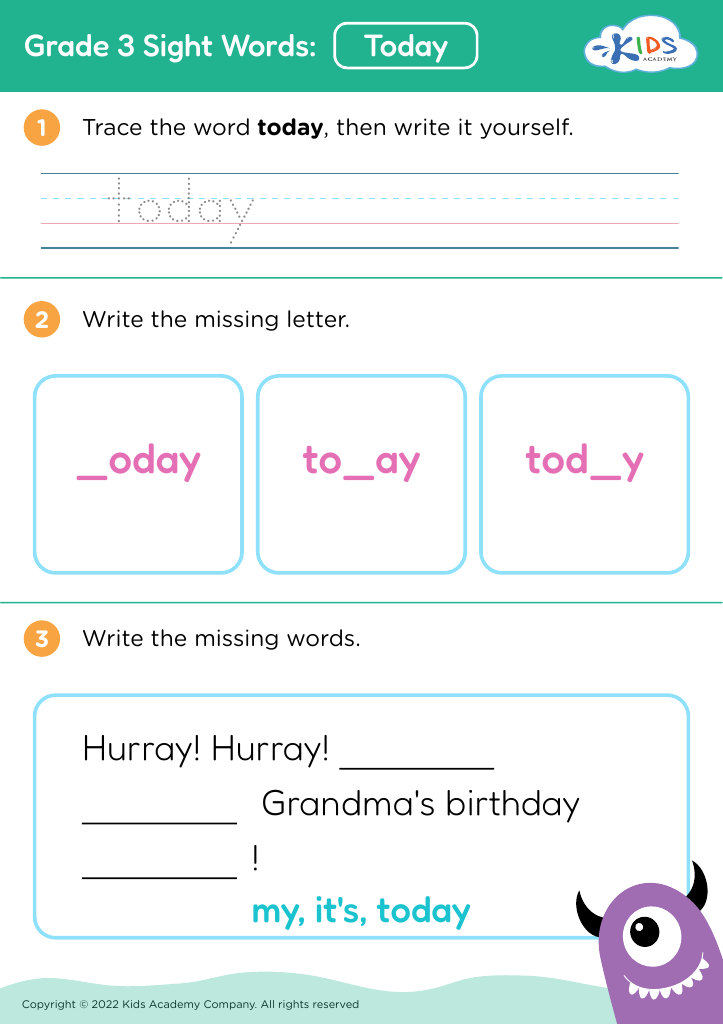
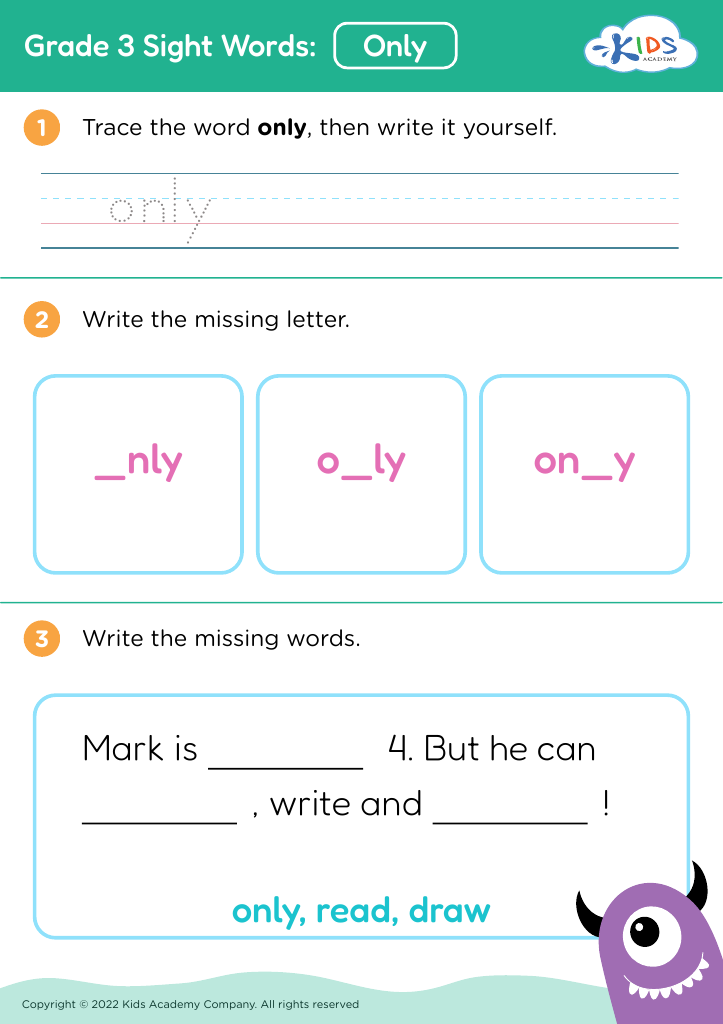







Parents and teachers should prioritize reading comprehension and vocabulary building for 9-year-olds because these skills lay the foundation for academic success and lifelong learning. At this age, children are transitioning from learning to read to reading to learn, which makes their ability to understand texts critically important. Strong reading comprehension allows students to engage with complex ideas, interpret information, and make connections, fostering critical thinking skills essential for problem-solving across subjects.
Building vocabulary is equally vital, as a robust vocabulary not only enhances comprehension but also empowers children to express themselves more effectively. When children encounter new words frequently through reading, they expand their understanding of language nuances, leading to improved communication skills.
Additionally, mastery of these skills nurtures a love for reading, which can instill curiosity and promote exploration in various domains. In today’s competitive academic environment, children who excel in reading comprehension and vocabulary are more likely to perform well on standardized tests and in classroom discussions. Thus, investing time in developing these skills at an early age is crucial for empowering children to navigate their educational journey with confidence and success.








