Understanding context Reading Worksheets for 9-Year-Olds
3 filtered results
-
From - To
Explore our engaging "Understanding Context Reading Worksheets" designed specifically for 9-year-olds. These worksheets help young learners enhance their reading comprehension by focusing on context clues, improving their ability to interpret challenging vocabulary and strengthen overall literacy skills. Each printable worksheet includes fun, age-appropriate exercises that encourage critical thinking and make learning enjoyable. Whether complementing classroom instruction or providing home practice, our resources promote confidence in reading. Perfect for teachers and parents alike, these worksheets aim to foster a deep understanding of language and develop lifelong reading habits. Start your child's reading adventure today with our thoughtfully crafted materials!
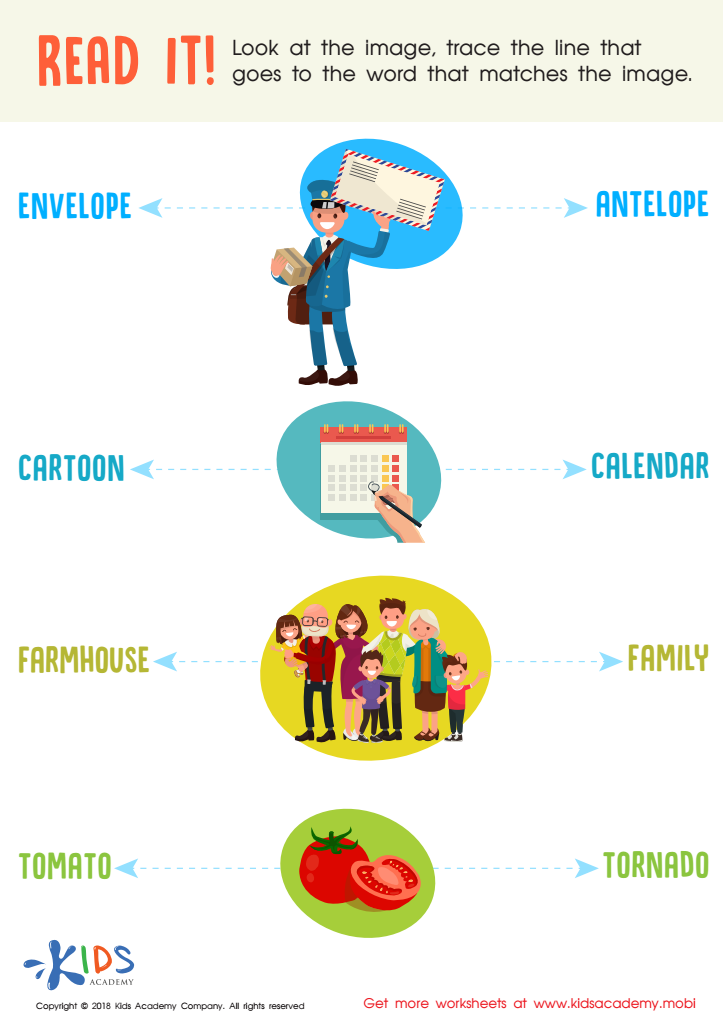
Read It! Worksheet
 Assign to My Students
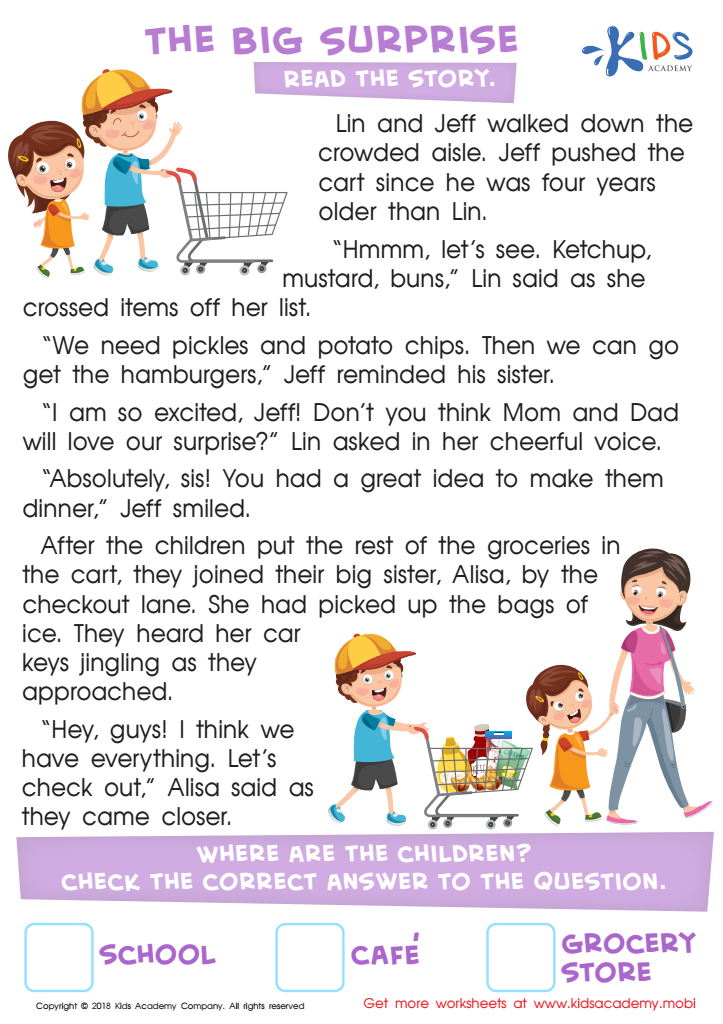
The Big Surprise Worksheet
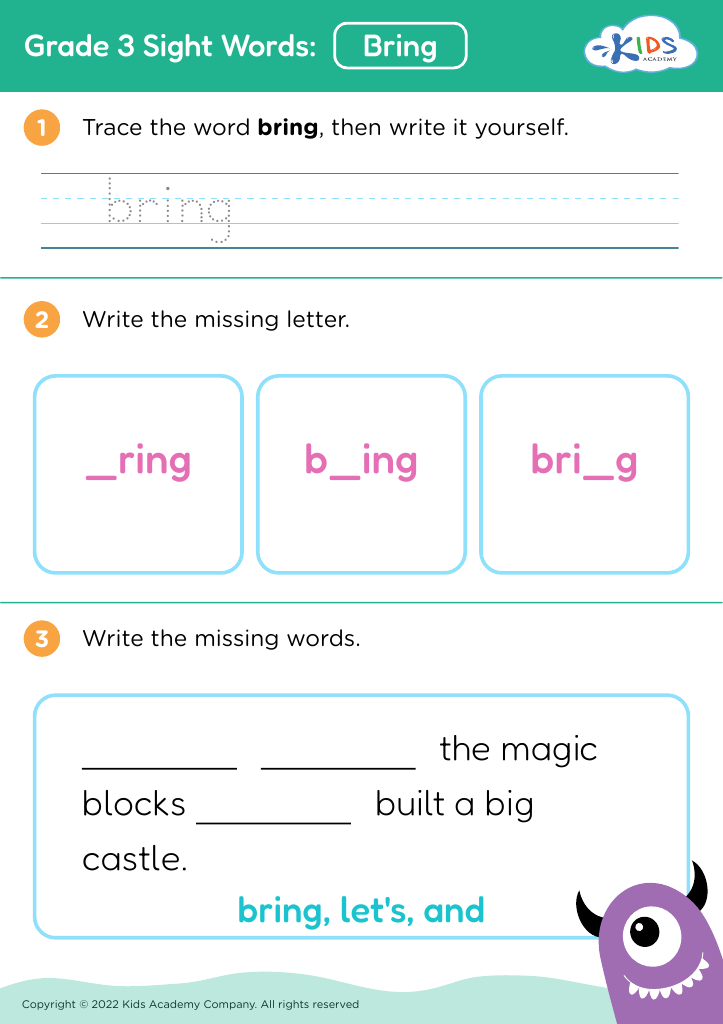







Understanding context while reading is crucial for 9-year-olds, as it enhances their comprehension and critical thinking skills. At this age, children's brains are rapidly developing, and they are beginning to connect ideas and infer meaning beyond the literal text. When parents and teachers emphasize the importance of context, they help children recognize cultural, historical, and emotional frameworks that shape a story.
For instance, understanding the setting and character backgrounds allows young readers to engage more deeply with the material, fostering empathy and enhancing their overall reading enjoyment. It transforms reading from a passive activity to an interactive experience, where children can relate the content to their own lives and the world around them.
Moreover, effective reading habits established in childhood lay the foundation for lifelong learning. Reading contextually encourages critical thinking; when students question why characters act a certain way or why events unfold in a particular manner, they become more analytical and discerning readers. This skill not only aids in academic success but also equips children with the necessary tools to navigate complex information in the real world. Ultimately, nurturing an understanding of context is a vital investment in young learners’ educational journeys and personal growth.








