Learning about ecosystems Animals Worksheets for 9-Year-Olds
3 filtered results
-
From - To
Welcome to our "Learning about Ecosystems: Animals Worksheets for 9-Year-Olds" page! Here, young explorers will discover the fascinating world of ecosystems through engaging and interactive worksheets designed specifically for their age group. These resources encourage children to learn about various animal habitats, food chains, and biodiversity, fostering an appreciation for nature. Each worksheet is crafted to enhance critical thinking and spark curiosity, making science both fun and educational. Ideal for schools or home learning, our printable materials provide the perfect way to dive into the wonders of ecosystems while honing essential reading and comprehension skills. Explore, learn, and grow with us!
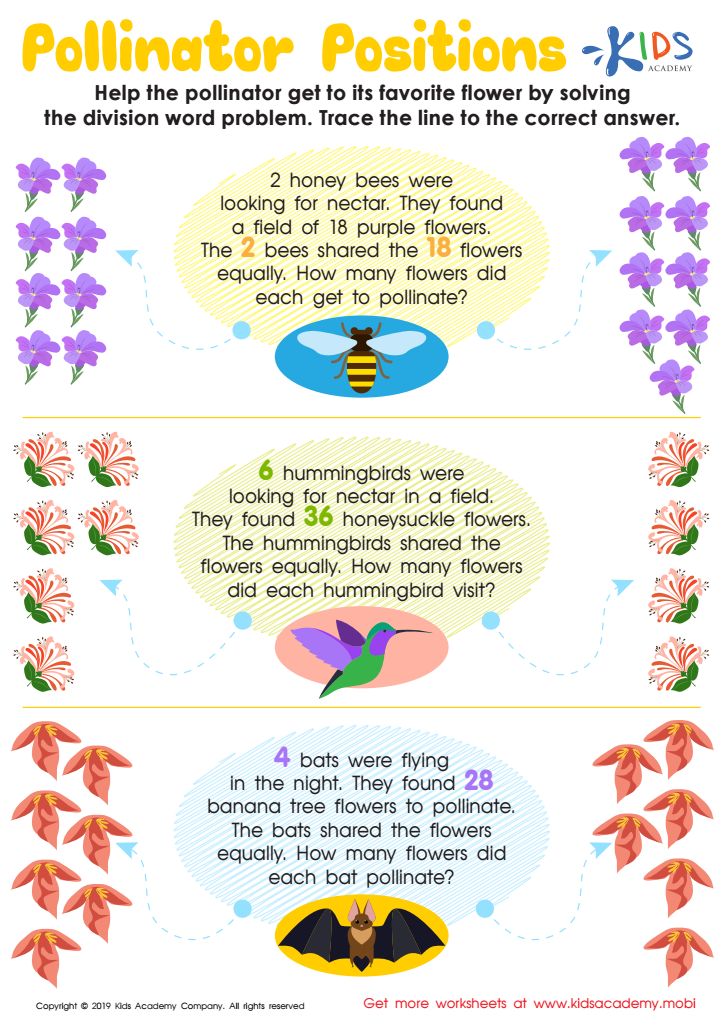
Pollinator Positions Worksheet
 Assign to My Students
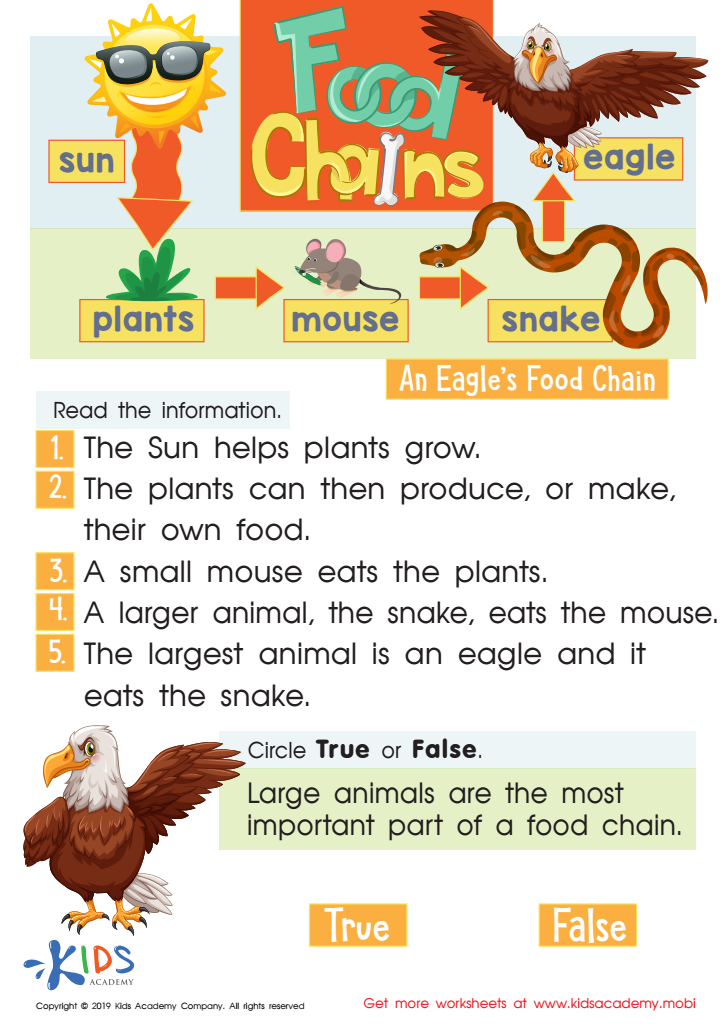
Food Chains Worksheet
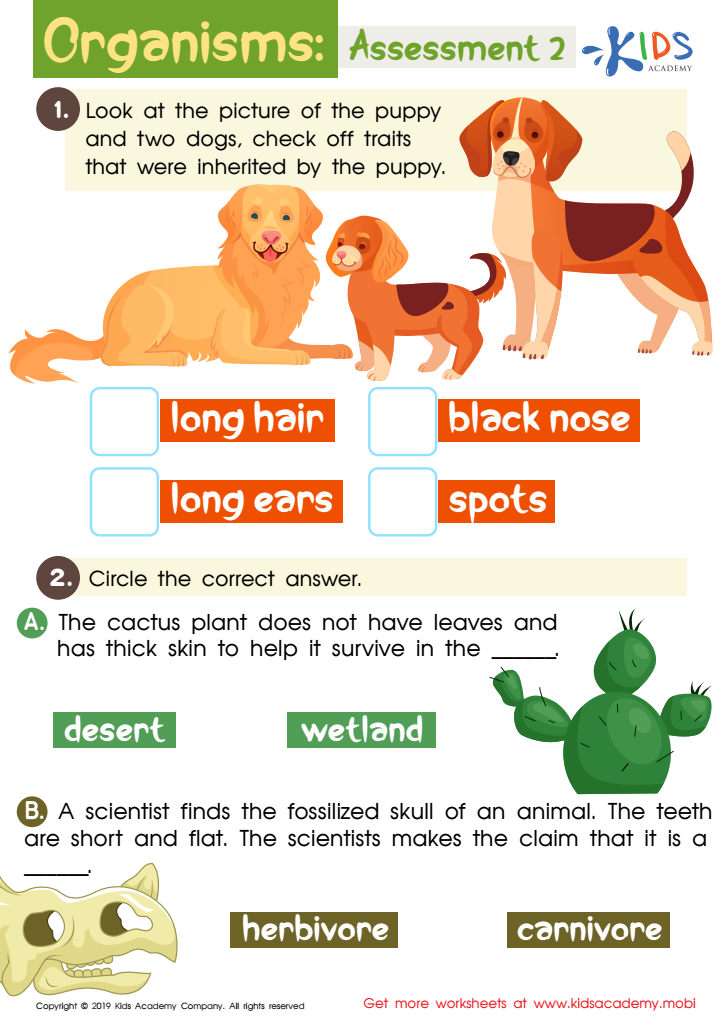
Organisms: Assessment 2 Worksheet








Teaching 9-year-olds about ecosystems and animals is crucial for several reasons. Firstly, early education helps foster a connection to nature, encouraging children to appreciate the diversity of life around them. By understanding ecosystems, children learn how different plants and animals interact within their habitats, which promotes a sense of responsibility towards protecting these environments.
Additionally, knowledge of ecosystems can enhance critical thinking skills as children explore complex relationships in nature, such as food chains and the impact of human behavior on wildlife. This understanding lays the foundation for environmentally-conscious citizens, crucial in an age where climate change and habitat destruction are prevalent issues.
Moreover, discussing ecosystems and animal behavior can stimulate a child's curiosity and passion for science, opening pathways to future educational and career opportunities in fields like biology, conservation, or environmental science.
Finally, this knowledge encourages empathy and compassion for animals, fostering a generation that cares about animal welfare and biodiversity conservation. For parents and teachers, promoting this understanding in children ensures they grow into informed, engaged, and responsible individuals who value the natural world. By instilling these lessons early, we create advocates for the planet’s future.








