Letter recognition Elementary Phonics Worksheets
5 filtered results
-
From - To
Explore our comprehensive collection of Letter Recognition Elementary Phonics Worksheets designed to boost your child's early literacy skills. These engaging and interactive worksheets help young learners identify and differentiate letters, laying a strong foundation for reading. With fun activities that include coloring, tracing, and matching, students will enjoy practicing both uppercase and lowercase letters in a variety of contexts. Our worksheets provide a perfect blend of education and entertainment, catering to different learning styles. Suitable for preschool and elementary learners, these resources aim to make letter recognition fun and effective—setting children on the path to reading success!
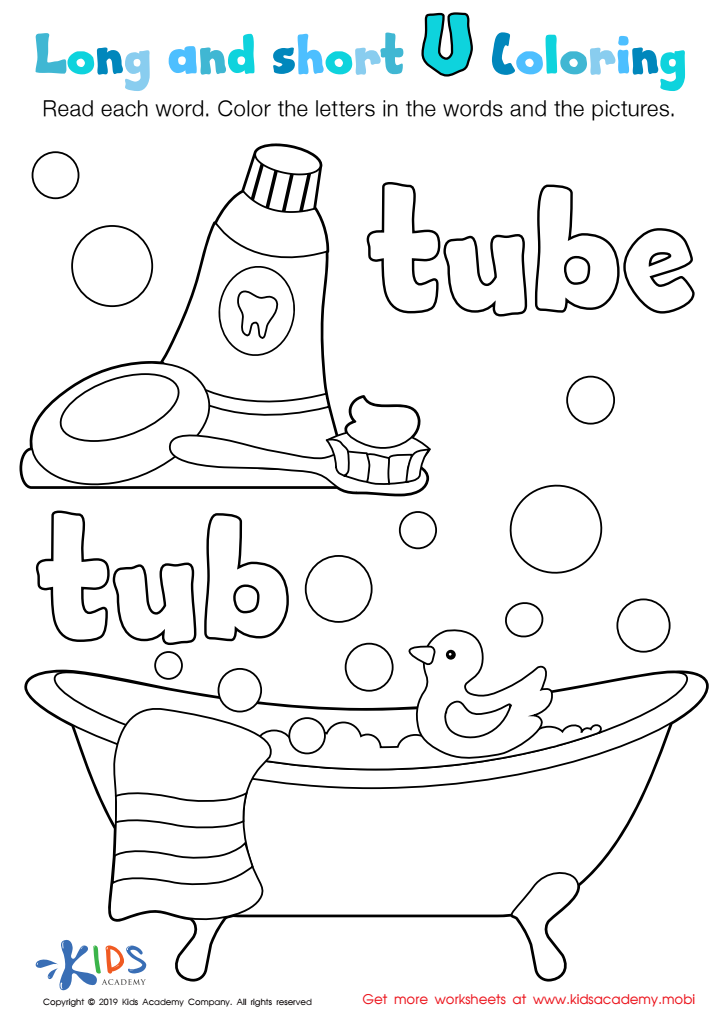
Long and Short U Worksheet
 Assign to My Students
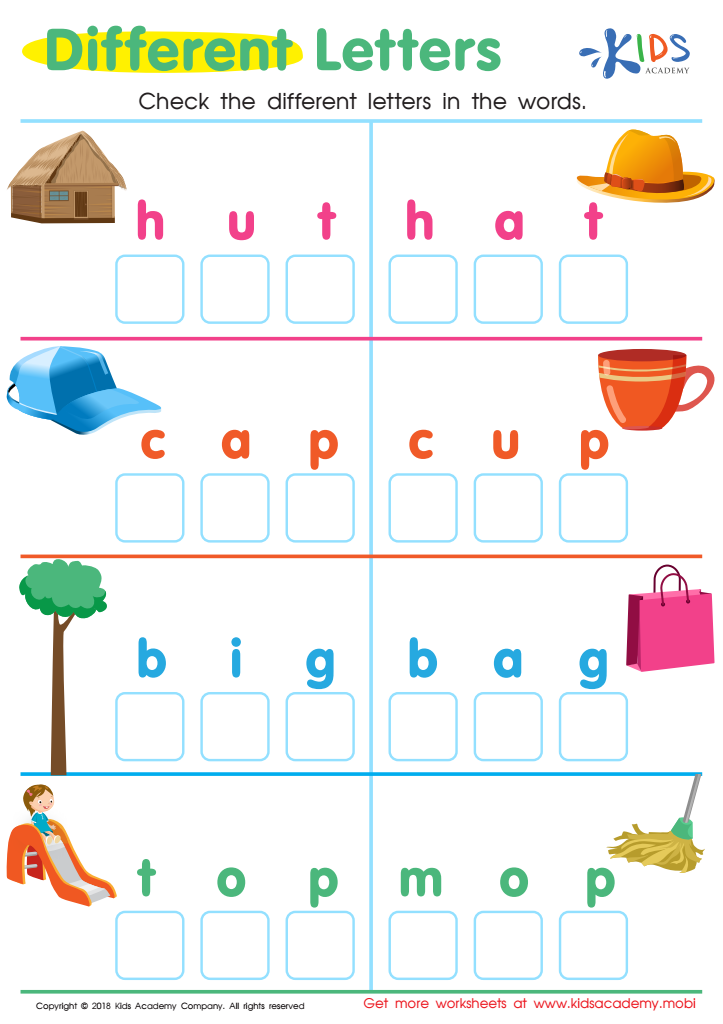
Different Letters Reading Worksheet
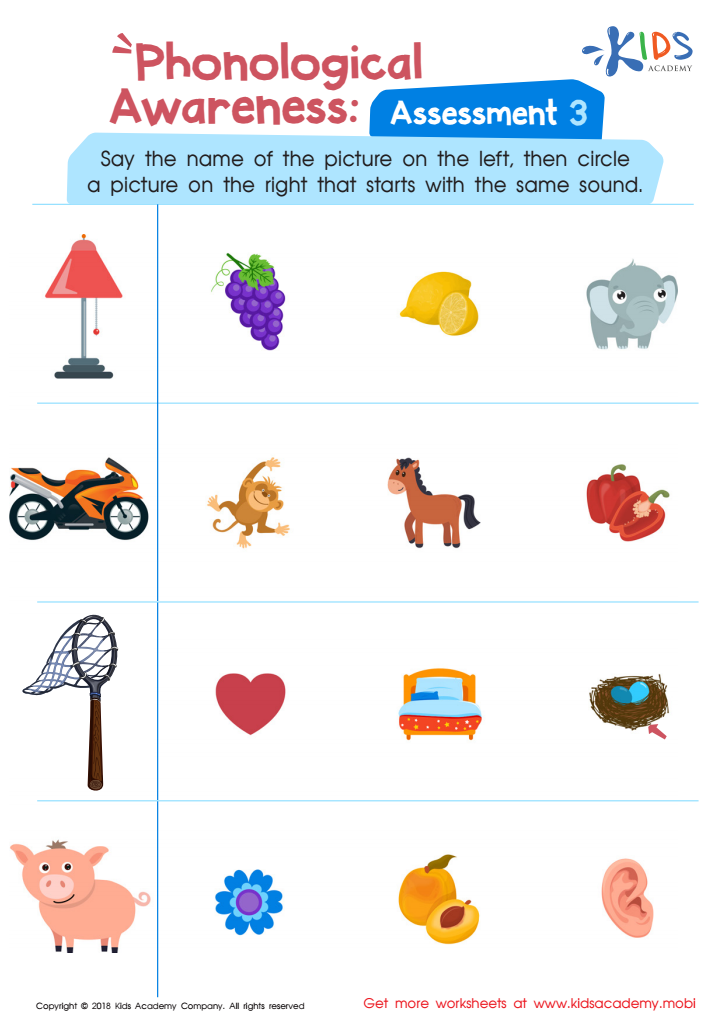
Phonological Awareness: Assessment 3 Worksheet
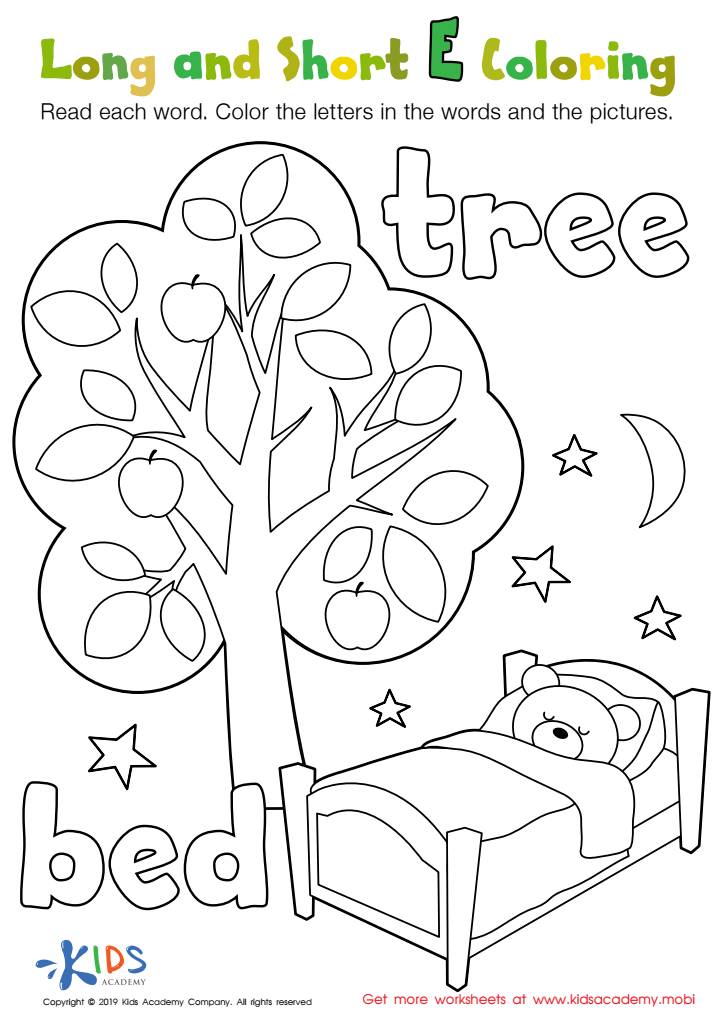
Long and Short E Worksheet
Assign to My Students
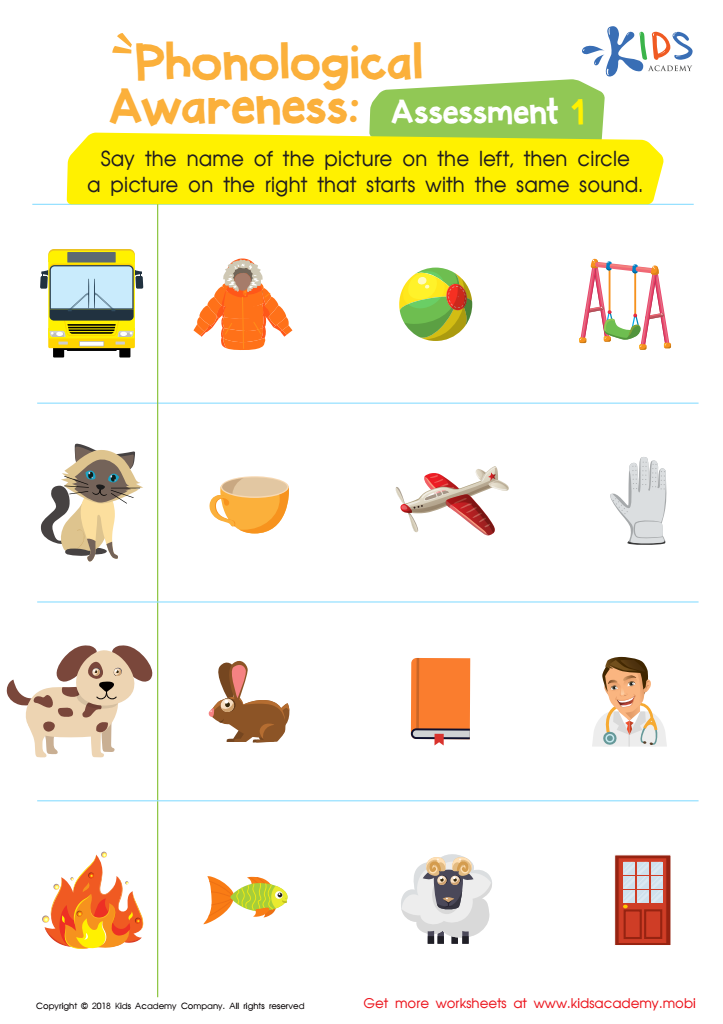
Phonological Awareness: Assessment 1 Worksheet




Letter recognition is a foundational skill in early literacy development, making it essential for parents and teachers to prioritize in elementary phonics instruction. Understanding and identifying letters is the first step in reading and writing, enabling students to decode fearlessly and build confidence in their literacy skills.
When children can recognize letters easily, they can better relate sounds to corresponding letters, paving the way for phonemic awareness—the ability to hear, identify, and manipulate sounds in spoken words. This skill is crucial for learning to read, since it helps children spell and read unfamiliar words independently.
Moreover, strong letter recognition supports vocabulary development and improves comprehension. As children encounter and recognize letters in various contexts, they become more adept at connecting sounds with meanings, enriching their overall language skills.
Parents and teachers play a critical role in fostering this skill by providing engaging and systematic phonics instruction, as well as by creating a print-rich environment. Activities like reading together, playing alphabet games, and incorporating letters into everyday life can enhance letter recognition. Ultimately, supporting letter recognition in young learners lays the groundwork for their long-term success in reading, writing, and communication.







