Hand-eye Coordination Alphabet Worksheets - Page 2
28 filtered results
-
From - To
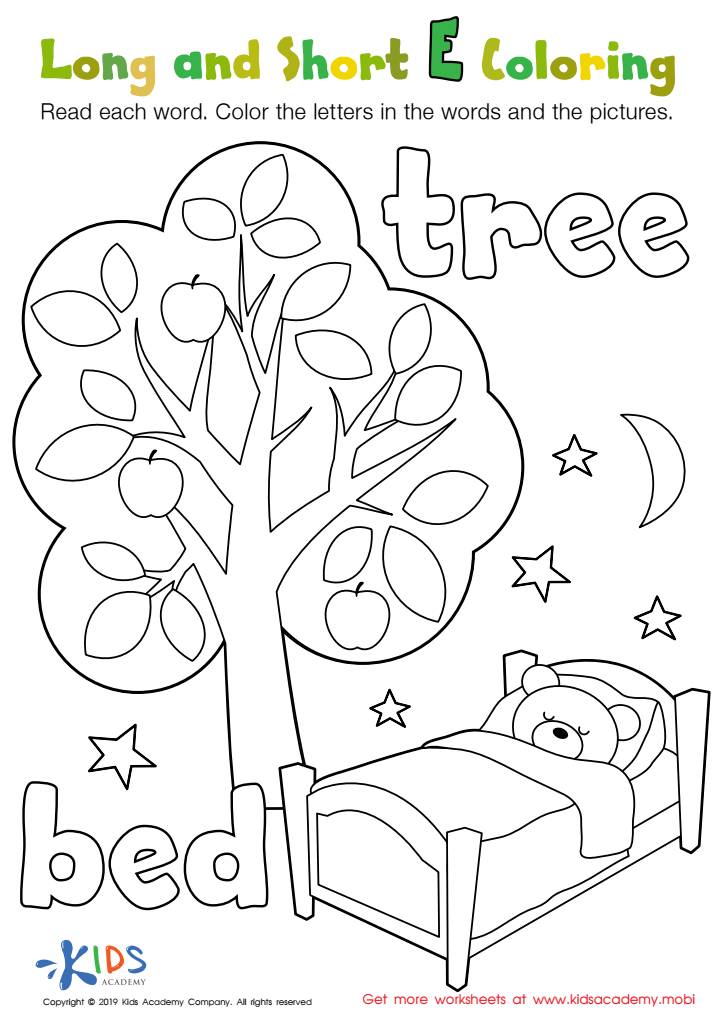
Long and Short E Worksheet
 Assign to My Students
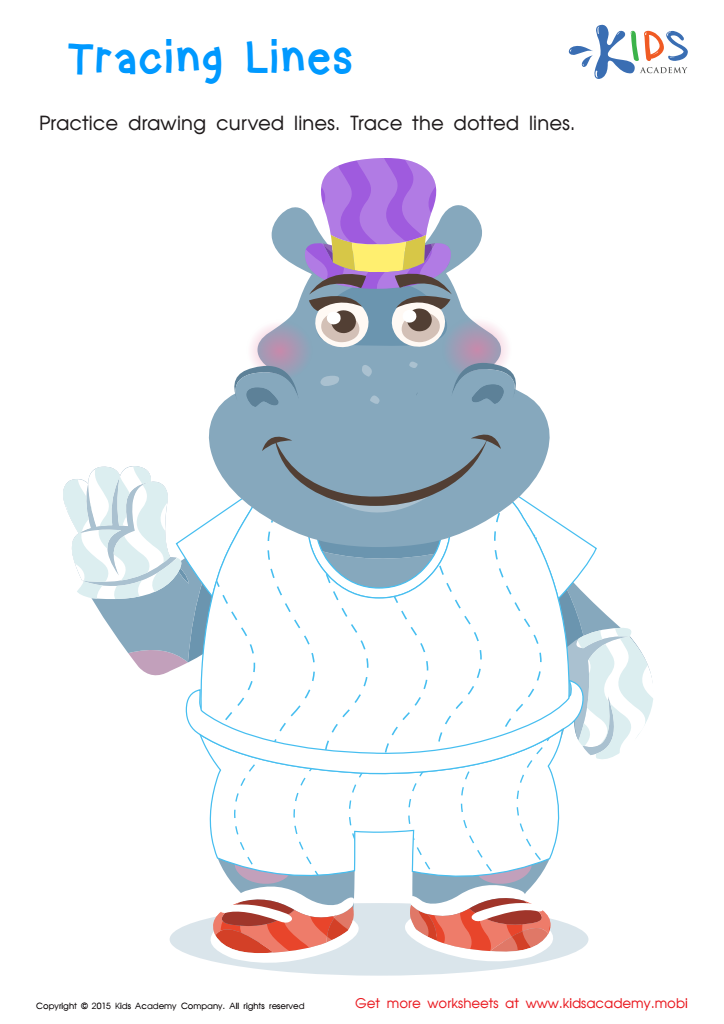
Tracing Lines Worksheet

Letter D Tracing Page
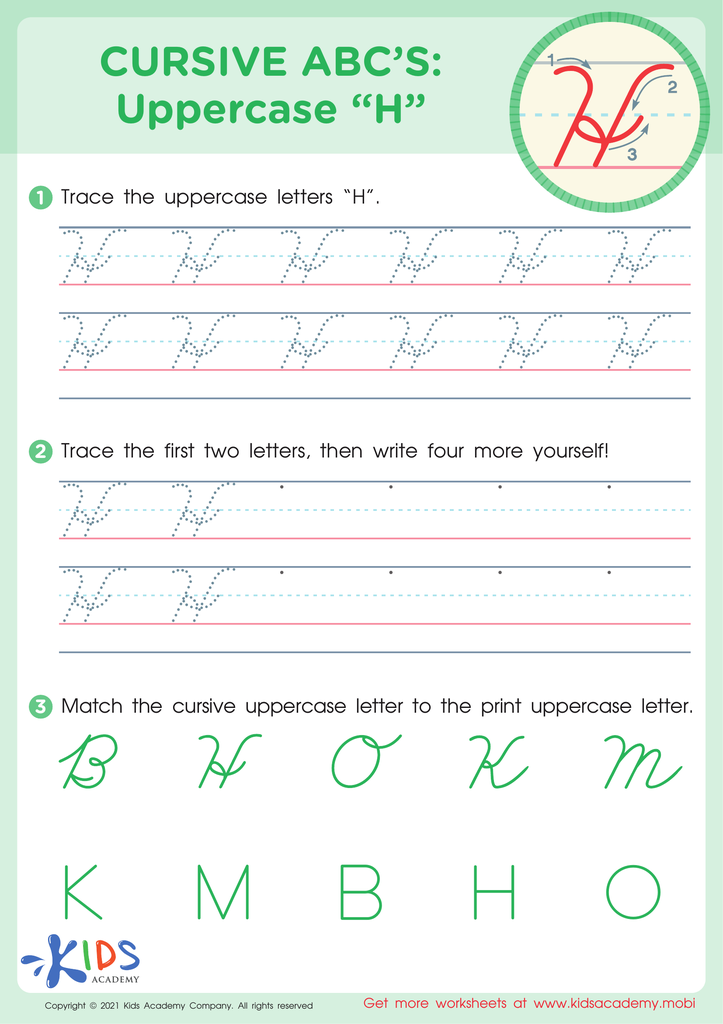
Cursive ABCs: Uppercase H








Hand-eye coordination is a crucial skill that significantly impacts a child's overall development and learning capabilities. Parents and teachers should prioritize the Hand-eye Coordination Alphabet because it serves as a foundational element across various activities and subjects. As children develop these skills, they enhance their ability to perform everyday tasks like writing, drawing, and playing sports, which are essential for their physical, emotional, and social development.
Moreover, good hand-eye coordination contributes to improved focus and attention spans, enabling children to engage more effectively in classroom activities. This skill enhances their abilities in subjects such as math and science, where precise movements are critical for tasks like measuring and experimenting. Furthermore, play activities that promote hand-eye coordination encourage creativity and problem-solving, providing children with valuable cognitive skills.
Additionally, strong hand-eye coordination has links to higher self-esteem as children gain confidence in their physical abilities. In a world increasingly reliant on technology, fostering these skills at an early age prepares children for the complexities of modern life, enriching their overall educational experience. Ultimately, by nurturing hand-eye coordination, parents and teachers empower children to thrive in various aspects of their lives, laying the groundwork for future success.







