Reading development Alphabet Worksheets
5 filtered results
-
From - To
Reading Development Alphabet Worksheets are essential tools designed to enhance early literacy skills in young learners. These engaging printable worksheets focus on identifying, tracing, and writing alphabet letters, ensuring children grasp the alphabetic principle. Offering a blend of fun activities and structured practice, each worksheet aims to develop phonemic awareness, letter recognition, and reading readiness. Perfect for use at home or in the classroom, these worksheets promote interactive and impactful learning experiences. By incorporating these resources into your child's educational routine, you lay a strong foundation for their reading and writing proficiency, fostering a lifelong love for learning.
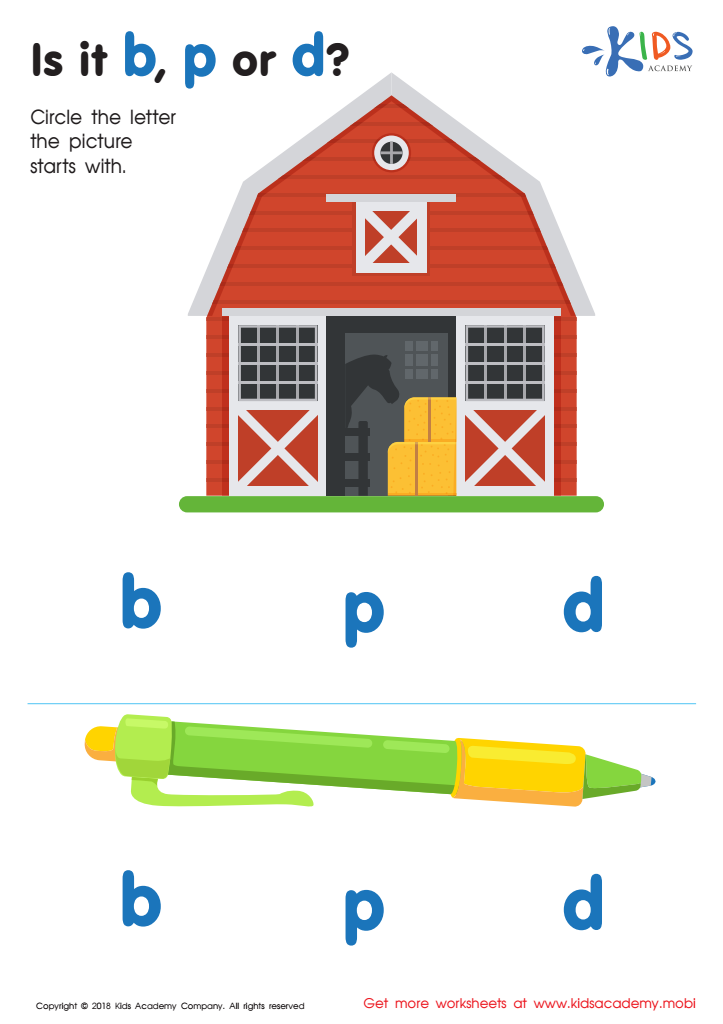
Is it b, p or d? Worksheet
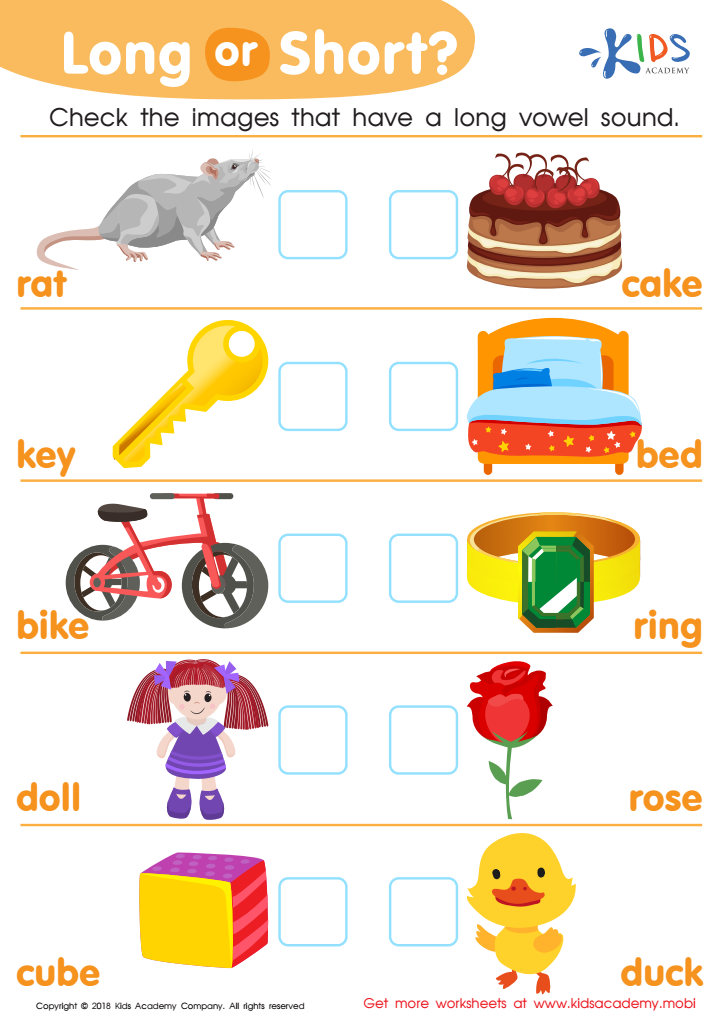
Long or Short Reading Worksheet
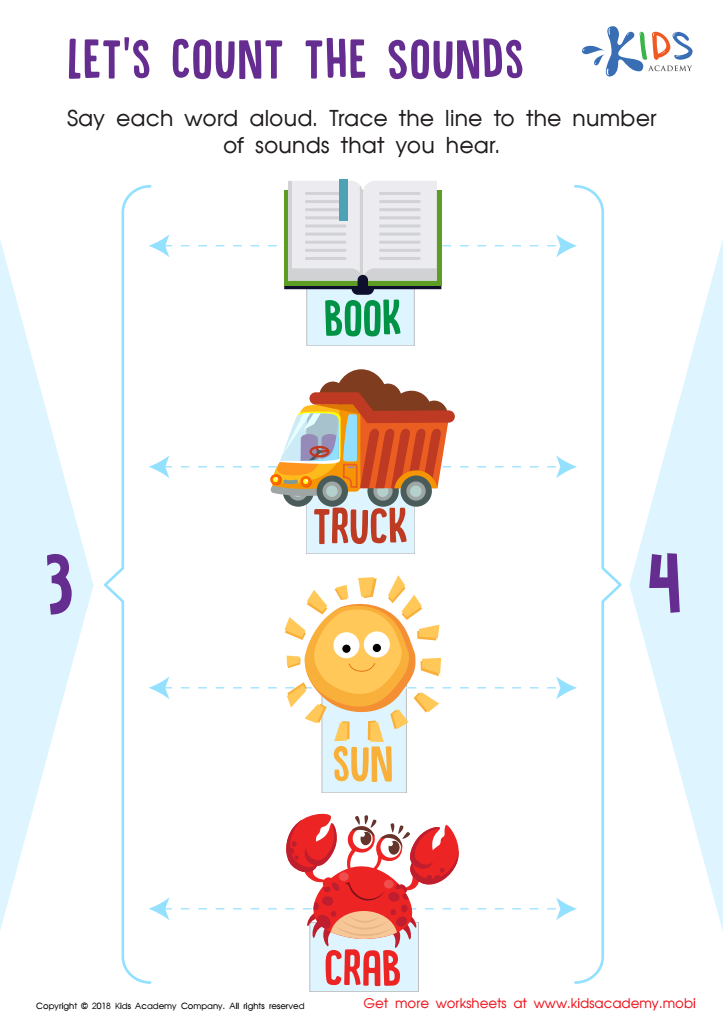
Let's Count the Sounds Worksheet
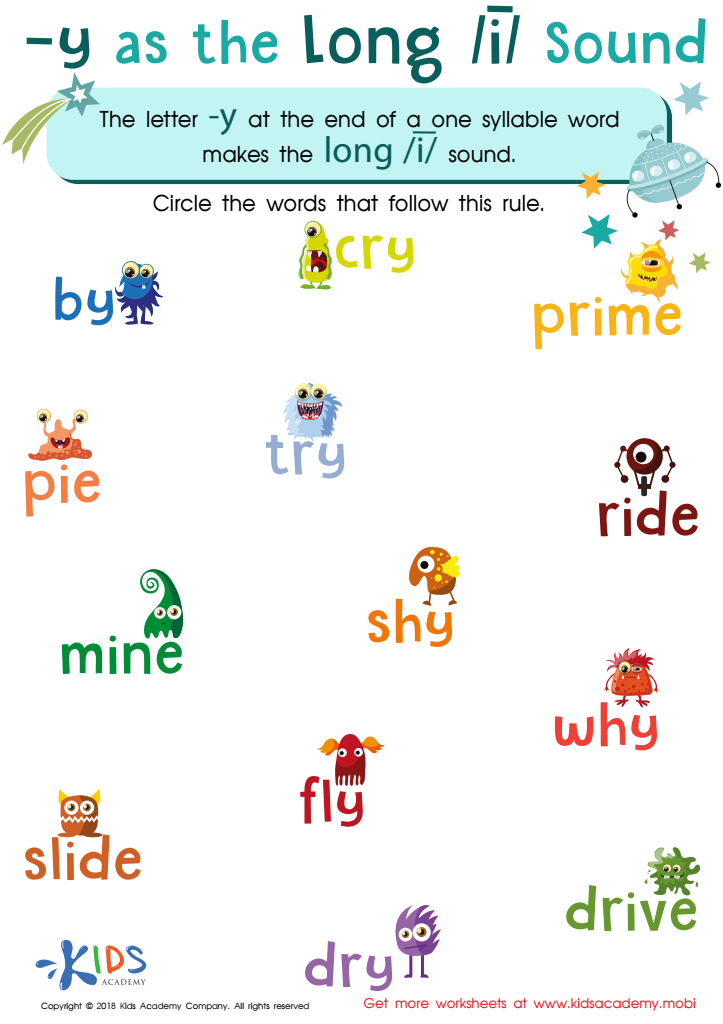
Reading: Y as Long I Worksheet
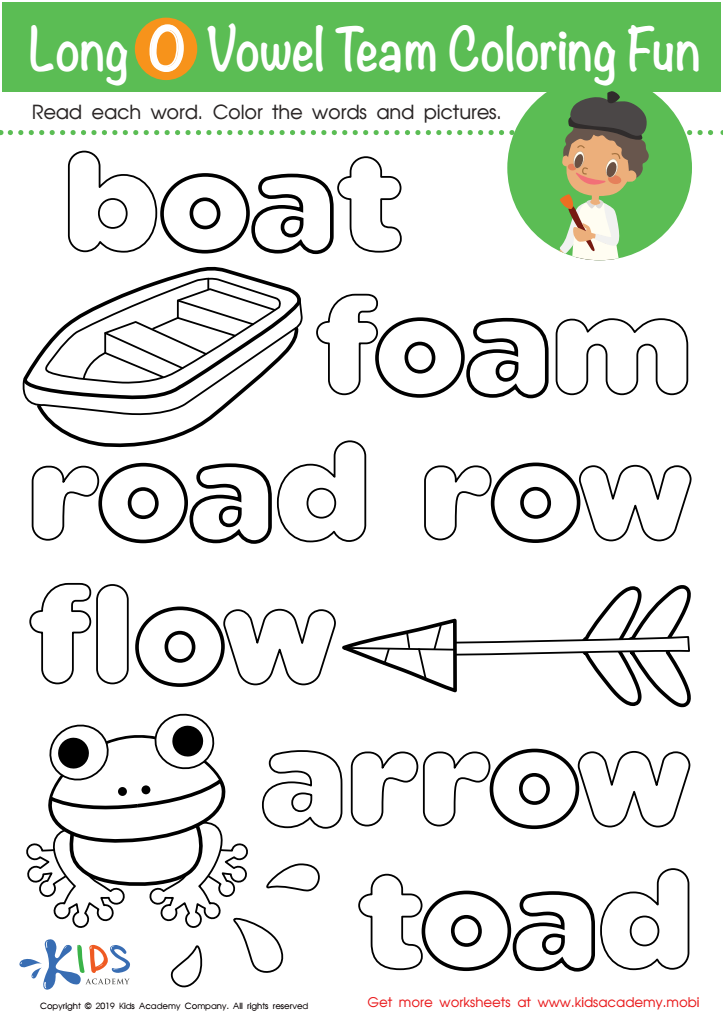
Long O Vowel Team Coloring Worksheet
 Assign to My Students





.jpg)

Reading development is a crucial pillar in a child’s educational journey, setting the foundation for lifelong learning and literacy. The Reading Development Alphabet (RDA) acts as an essential tool for both parents and teachers to foster and monitor the progress of early reading skills.
Firstly, early familiarity with the alphabet is critical for decoding words, understanding phonemic awareness, and building vocabulary. Children who master the alphabet can more easily connect letters with their corresponding sounds, developing reading fluency.
Participation in an RDA program enables educators and parents to adopt a structured approach to teaching reading. This ensures that instruction covers all necessary aspects, from letter recognition to understanding letter-sound relationships (phonics). A well-developed RDA can offer tailored practices, catering to the learning pace and style of each child, thus promoting engaged and motivated learners.
Secondly, strong reading skills have a domino effect on overall academic performance. Children proficient in early literacy are often better prepared to tackle complex subjects and demonstrate increased comprehension and analytical skills.
Incorporating the RDA allows parents to actively engage in their child’s learning process, fostering a supportive home environment. This cooperation builds confidence and enthusiasm in young learners, setting them on a path to academic success and a lifelong love of reading.







