Alphabet Recognition Tracing Letters Worksheets - Page 2
28 filtered results
-
From - To
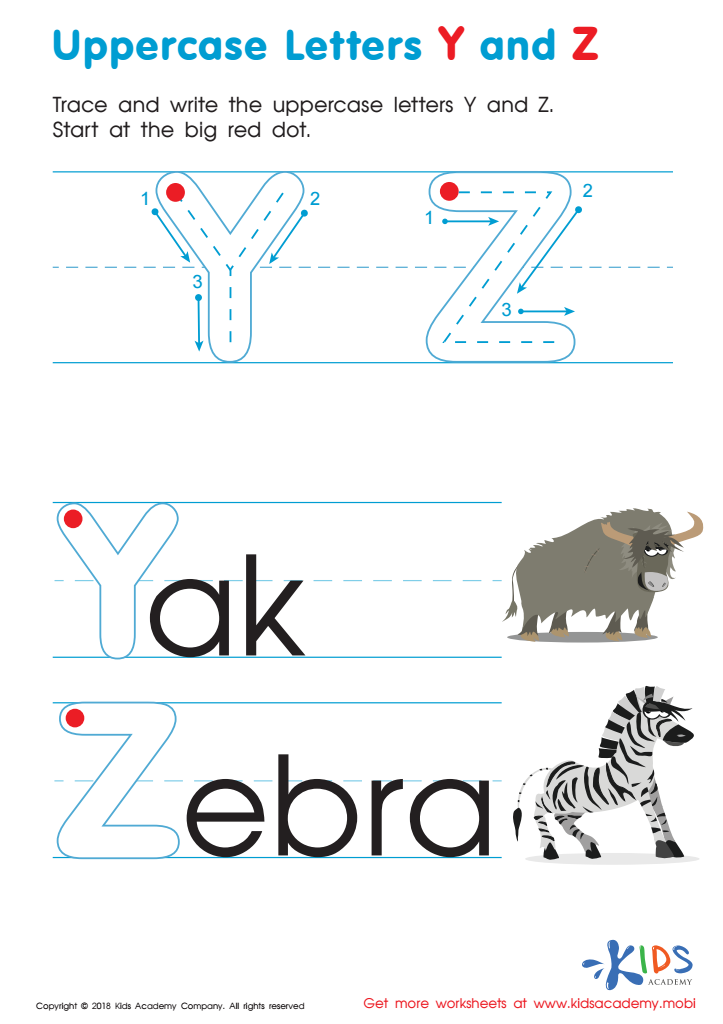
Uppercase Letters Y Z Worksheet
 Assign to My Students
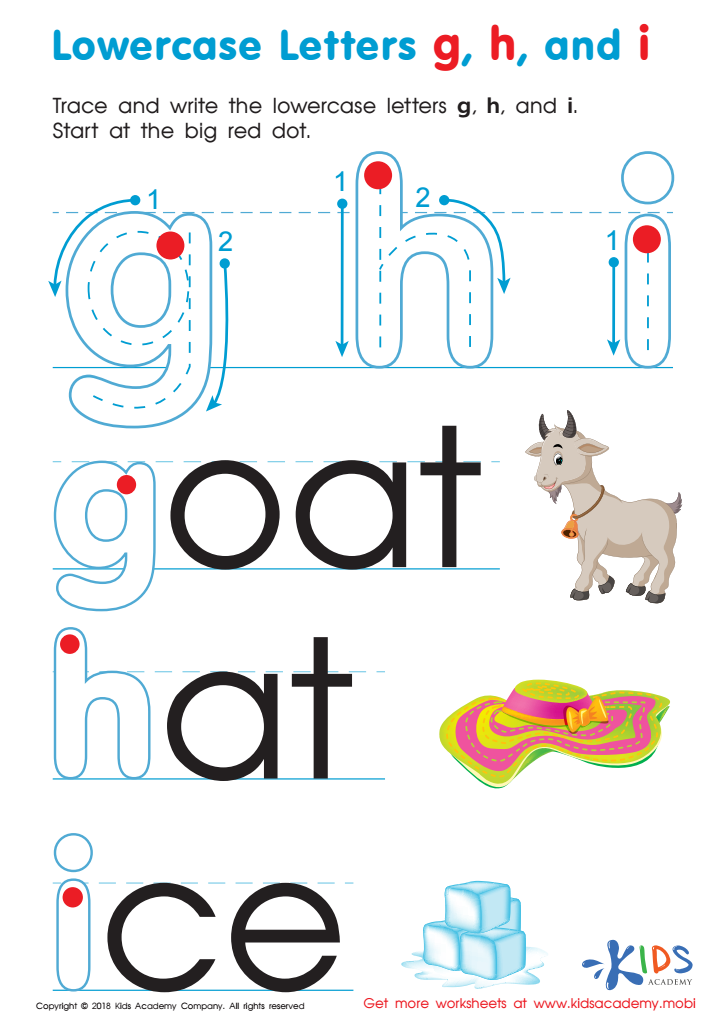
Lowercase Letters g h i Worksheet
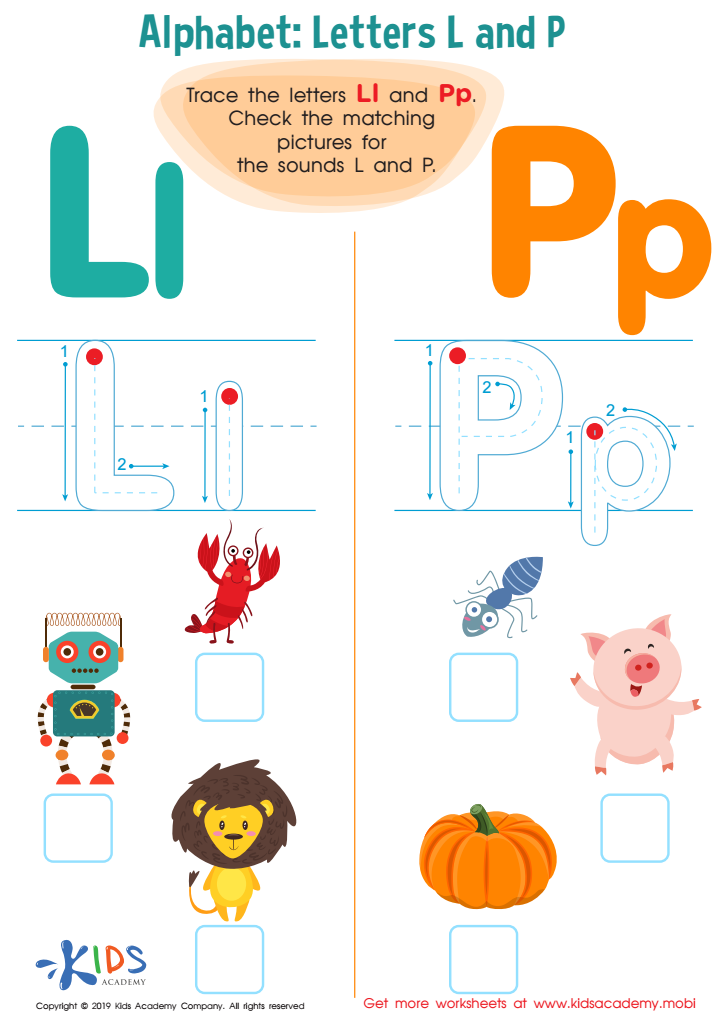
Letter L and P Tracing Worksheet
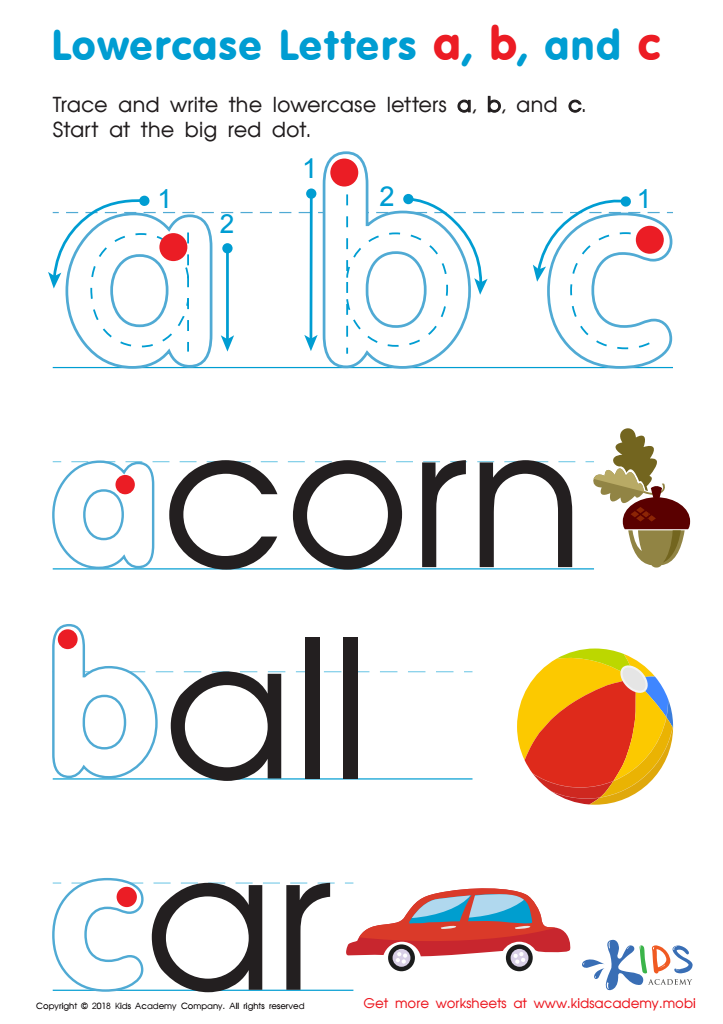
Lowercase Letters a b c Worksheet







Alphabet recognition and tracing letters play a pivotal role in the foundational development of young children, setting the stage for their future educational success. Parents and teachers should prioritize these activities as they form the cornerstone of literacy, enabling children to identify and connect sounds with their corresponding symbols.
First, recognizing and tracing letters not only helps children familiarize themselves with the alphabet, but it also reinforces phonemic awareness essential for reading. When children learn to identify letters, they begin to understand that letters form words, facilitating early reading skills that are crucial in academic progression and instilling a lifelong love of reading.
Second, these activities support fine motor skills development. Tracing letters requires precise finger movements, enhancing hand-eye coordination and muscle memory. These skills are transferable to other important areas, such as writing neatly and performing tasks that require dexterity.
Third, engaging in structured tracing exercises introduces children to the discipline of practice and the value of persistence, which are essential life skills. Completing tracing tasks successfully boosts confidence and a sense of achievement.
In summary, prioritizing alphabet recognition and tracing exercises lays a solid educational foundation, bolsters critical motor skills, and instills valuable personal qualities in young learners, ensuring well-rounded early childhood development.








