Handwriting practice Tracing Letters Worksheets - Page 2
28 filtered results
-
From - To
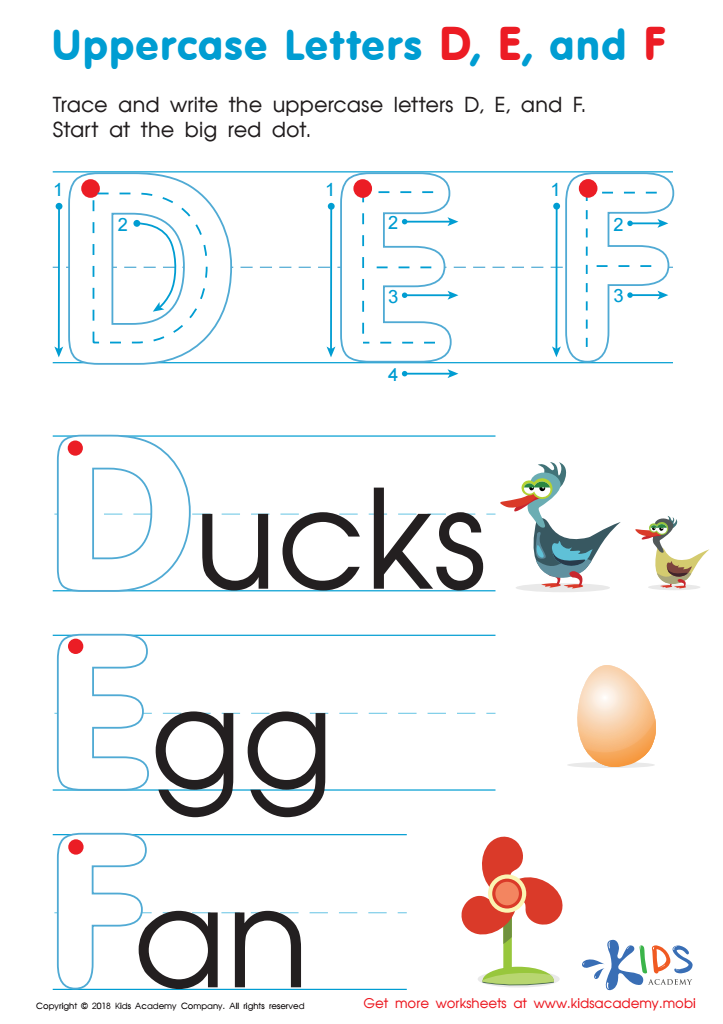
Uppercase Letters D, E, and F Worksheet
 Assign to My Students
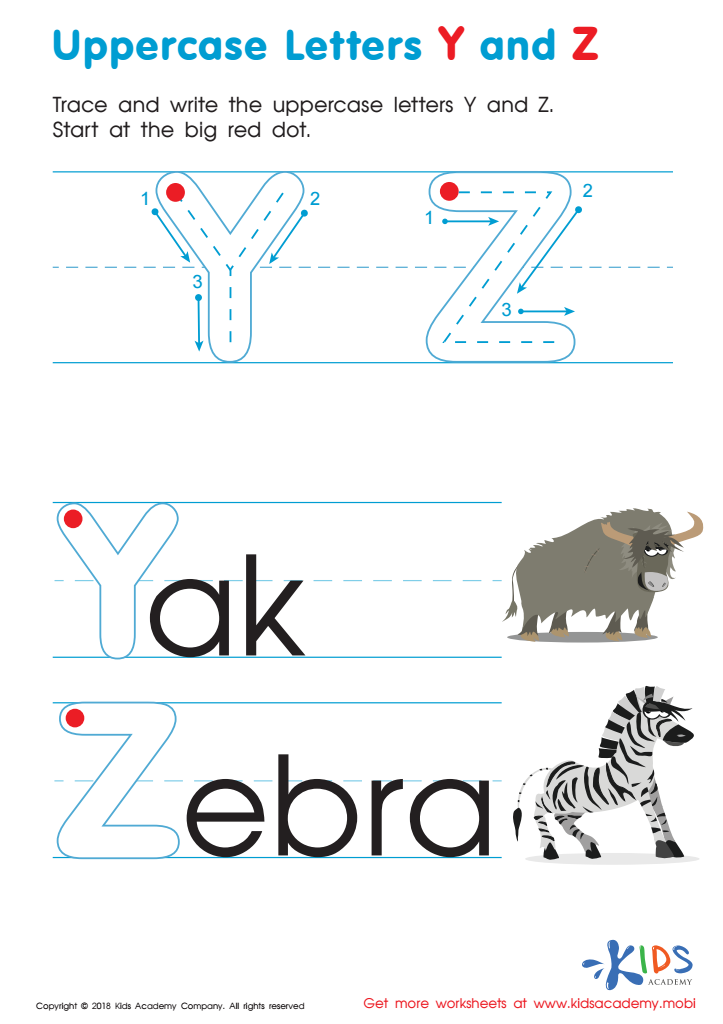
Uppercase Letters Y Z Worksheet
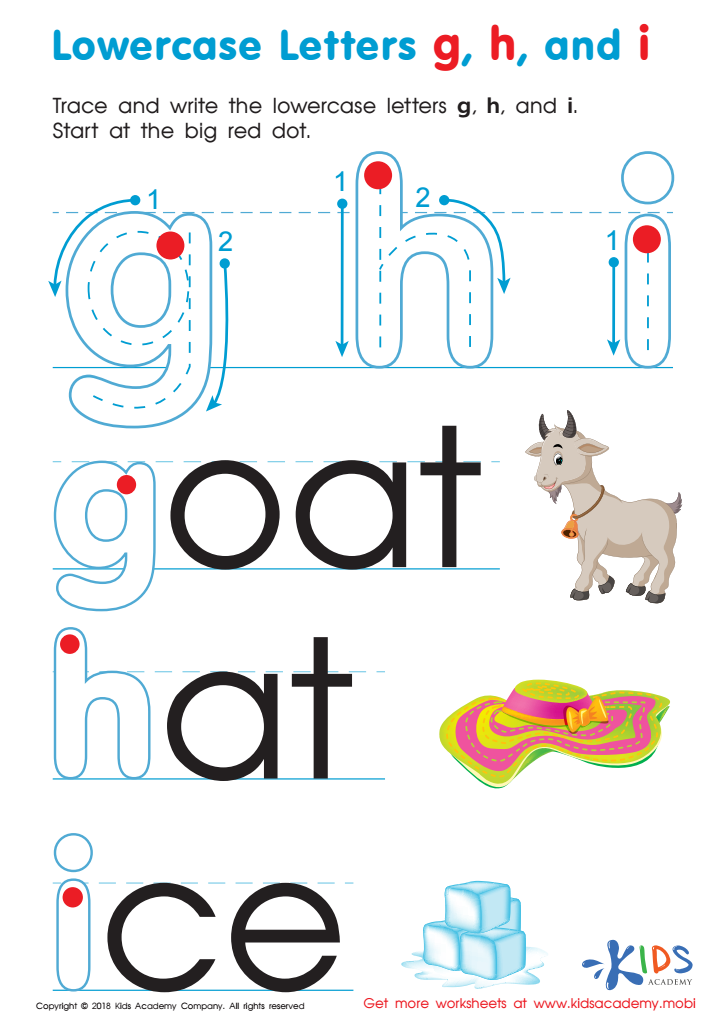
Lowercase Letters g h i Worksheet
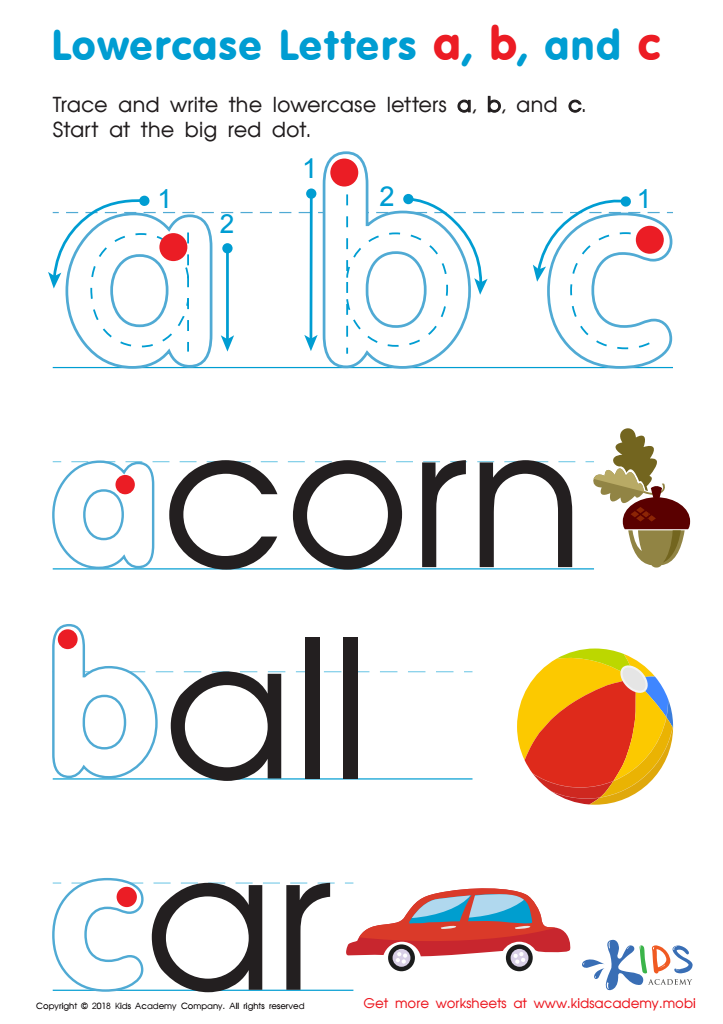
Lowercase Letters a b c Worksheet








Handwriting practice, particularly tracing letters, is fundamental for early childhood development. Firstly, it enhances motor skills; as children practice forming letters, they refine their hand-eye coordination and fine motor abilities. These skills are essential for many daily tasks and future academic success.
Moreover, tracing letters reinforces letter recognition, a critical component of literacy. As children engage with the shapes and motions of letters, they begin to associate them with sounds, laying the groundwork for reading. This cognitive connection significantly enriches their language skills.
Additionally, handwriting practice fosters concentration and discipline. Tracing requires children to focus on the task, which helps develop perseverance—qualities that are beneficial not only in school but throughout life.
Furthermore, the physical act of writing engages different parts of the brain compared to typing, promoting better information retention. Through practice, children can express themselves more clearly and confidently, which is pivotal for effective communication.
For parents and teachers, emphasizing handwriting through tracing creates a fun and engaging learning experience. It nurtures their child's academic readiness and self-esteem, making handwriting practice a vital and impactful part of early education.








