Addition & Subtraction Worksheets Activities With Answers for Ages 3-8 - Page 2
26 filtered results
-
From - To
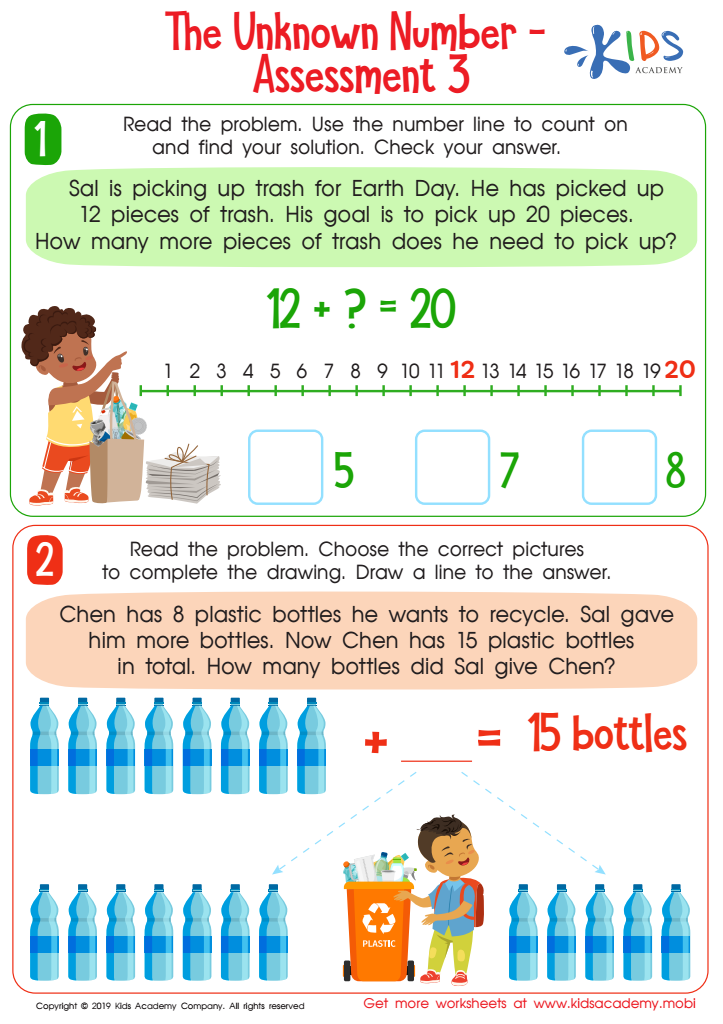
The Unknown Number - Assessment 3 Worksheet
 Assign to My Students
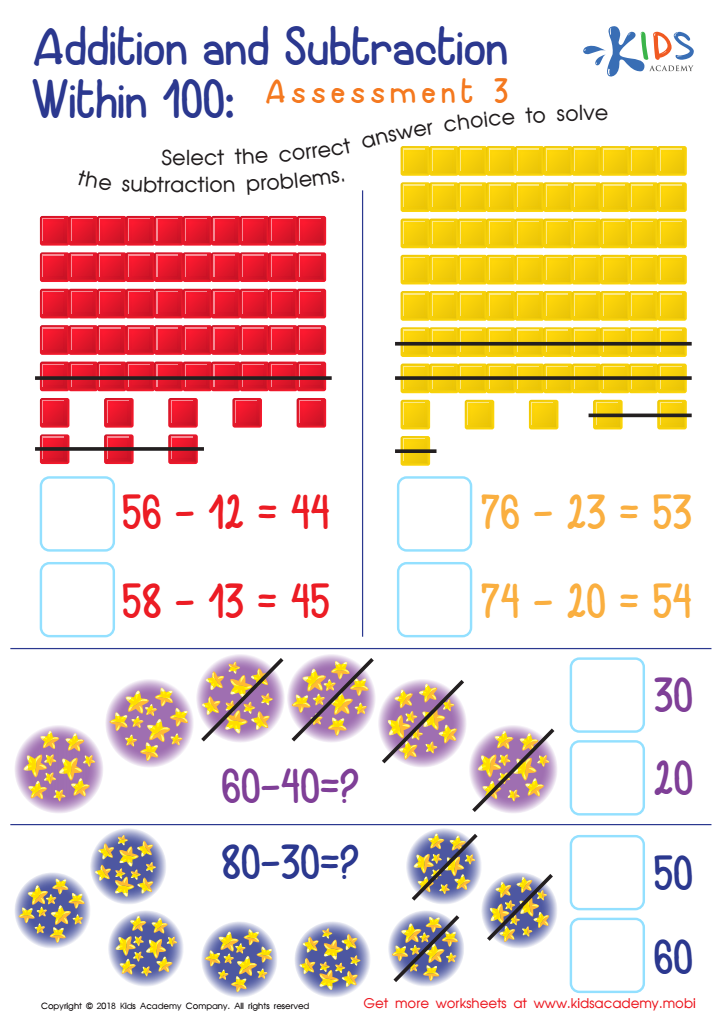
Addition and Subtraction Within 1: Assessment 3 Worksheet


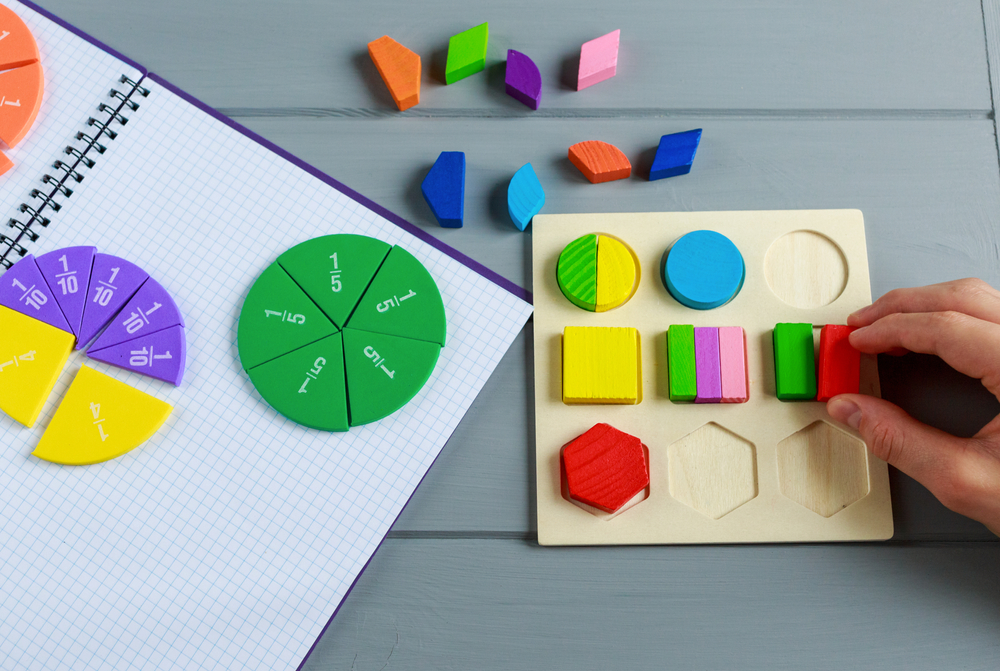





Parents and teachers should care about addition and subtraction activities for ages 3-8 due to their critical role in early childhood education. This age group is crucial for developing foundational math skills, which can greatly influence a child's future academic performance. Engaging in early math activities nurtures logical thinking and problem-solving abilities, laying the groundwork for more complex math concepts later on.
Addition and subtraction activities support cognitive development by fostering skills such as counting, number recognition, and understanding the relationships between numbers. Interactive and fun activities make learning enjoyable, which increases student motivation and engagement. By providing activities with answers, parents and teachers can easily assess a child’s comprehension, helping them identify areas needing additional support.
Furthermore, these activities promote social skills through collaborative learning experiences, allowing children to work in pairs or groups. By cultivating a positive attitude toward math early on, we help instill confidence in children's abilities, reducing math anxiety as they progress through school. Ultimately, prioritizing addition and subtraction activities ensures children develop essential skills that will support their educational journeys, setting them up for success in both academic and real-world situations.








