Mazes Worksheets Activities With Answers for Ages 4-7 - Page 3
56 filtered results
-
From - To
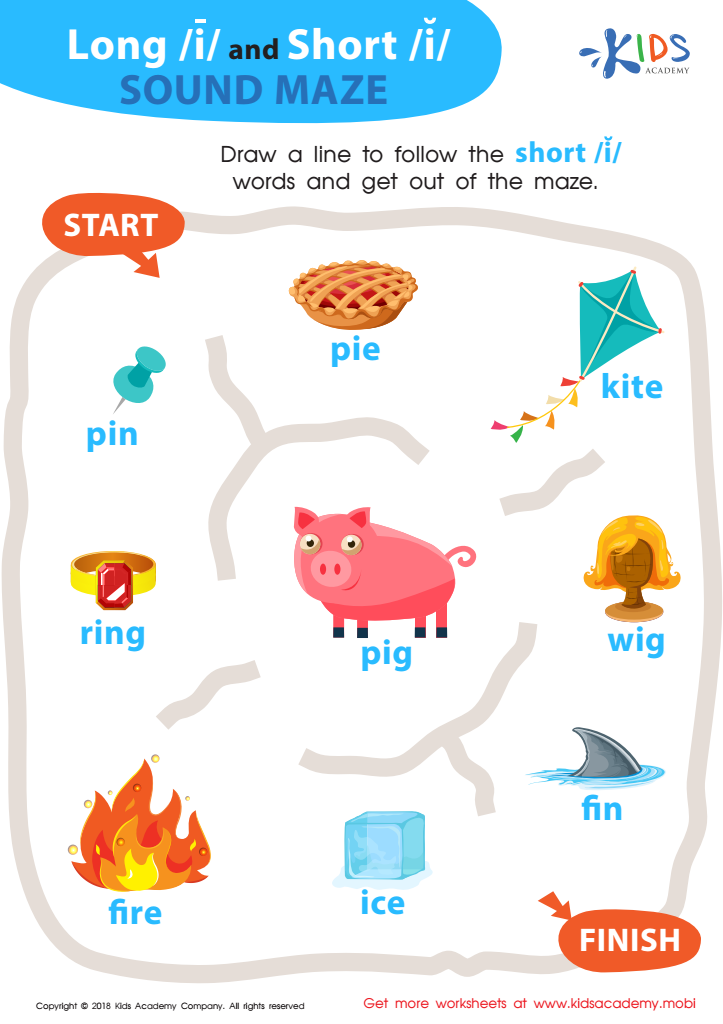
Reading: Long I and Short I Sound Maze Worksheet
 Assign to My Students
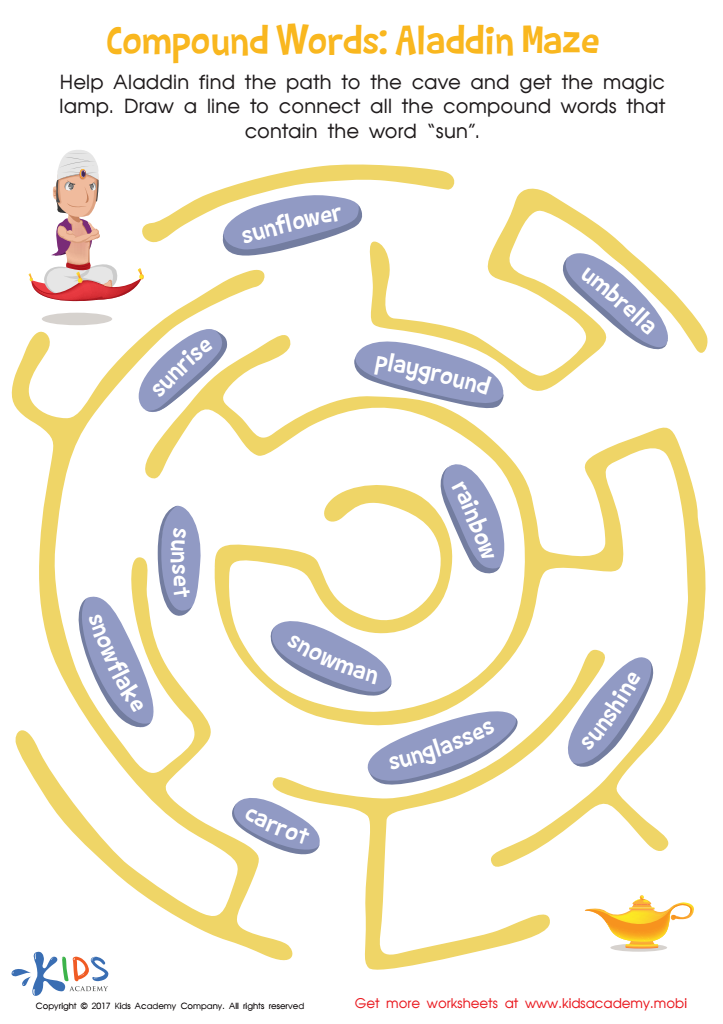
Compound Aladdin Maze Word Structure Worksheet
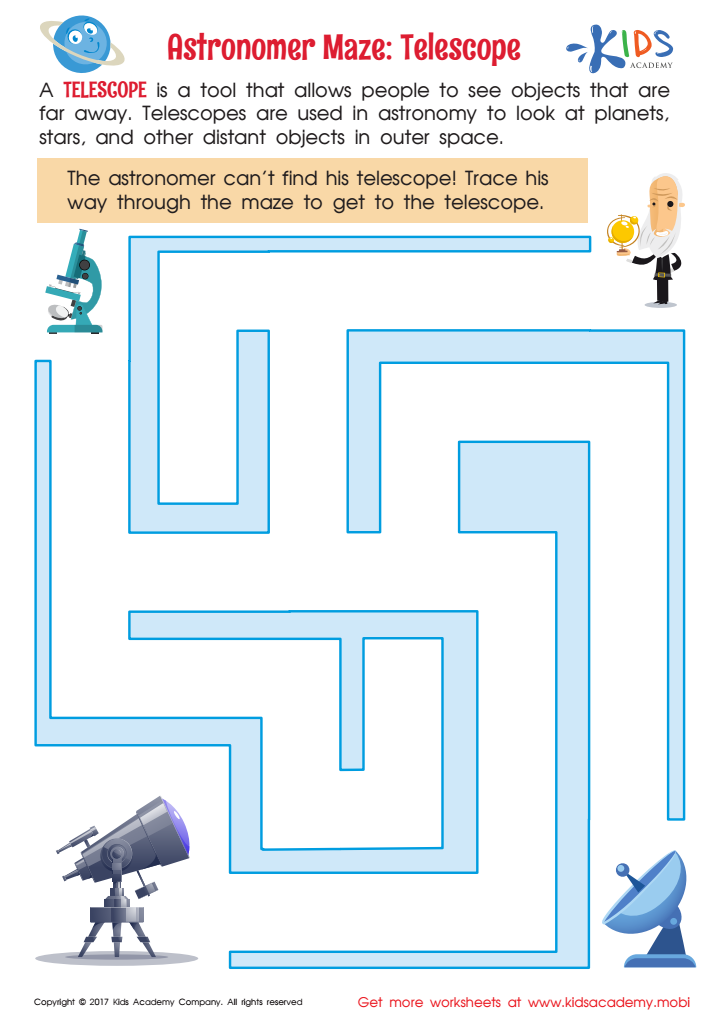
Astronomer Maze: Telescope Worksheet
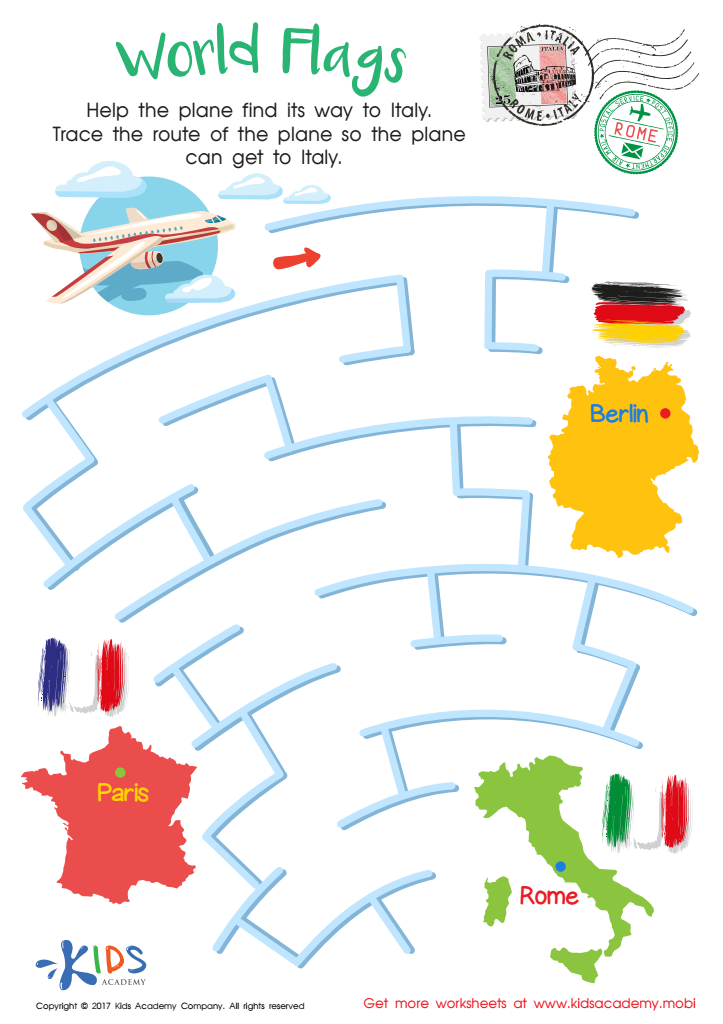
World Flags Maze Worksheet
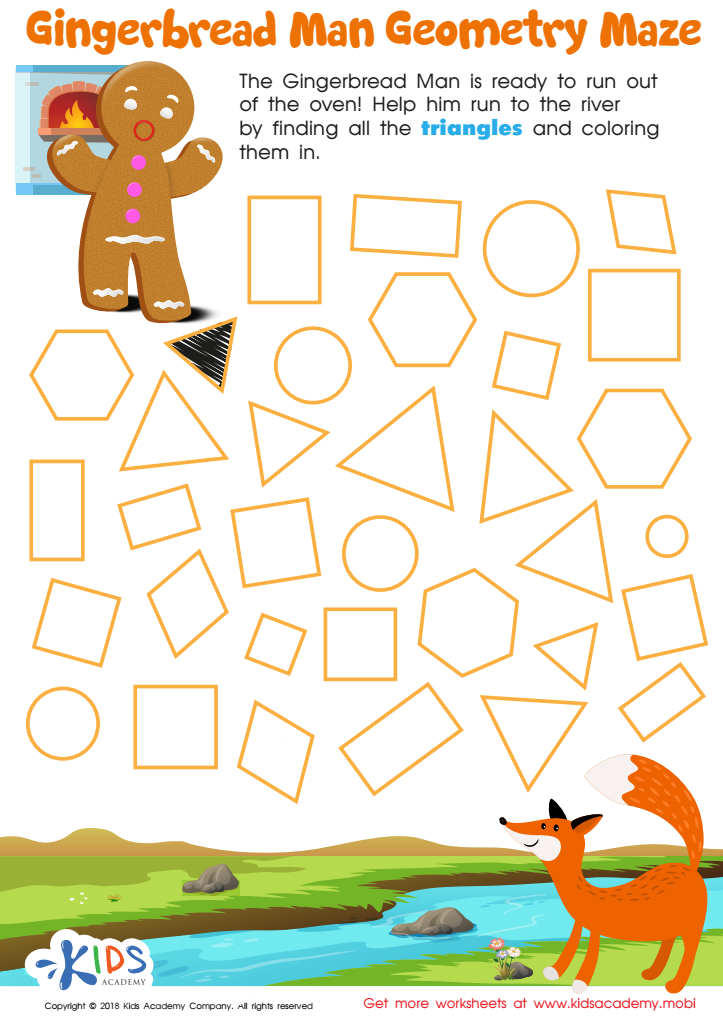
Gingerbread Man Geometry Maze Worksheet
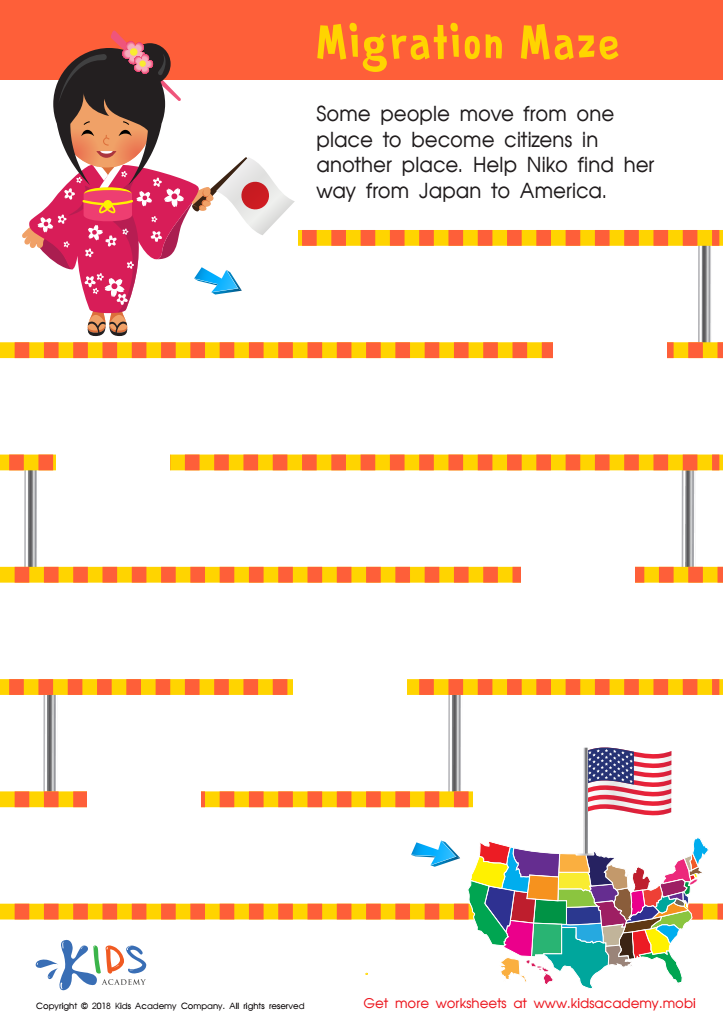
Migration Maze Worksheet
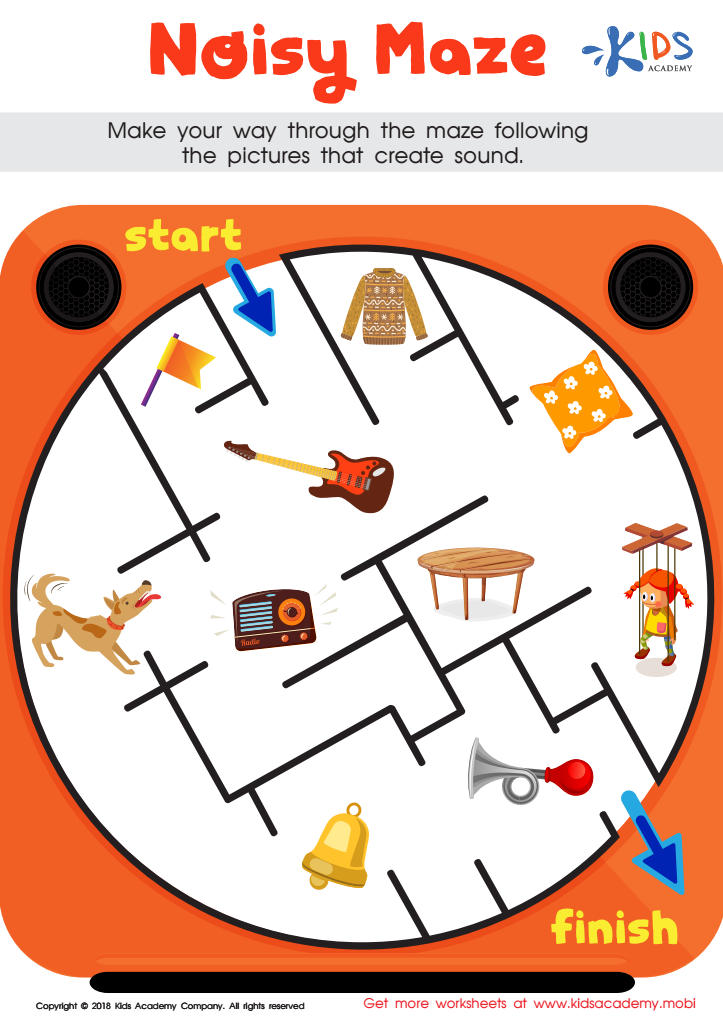
Noisy Maze Worksheet
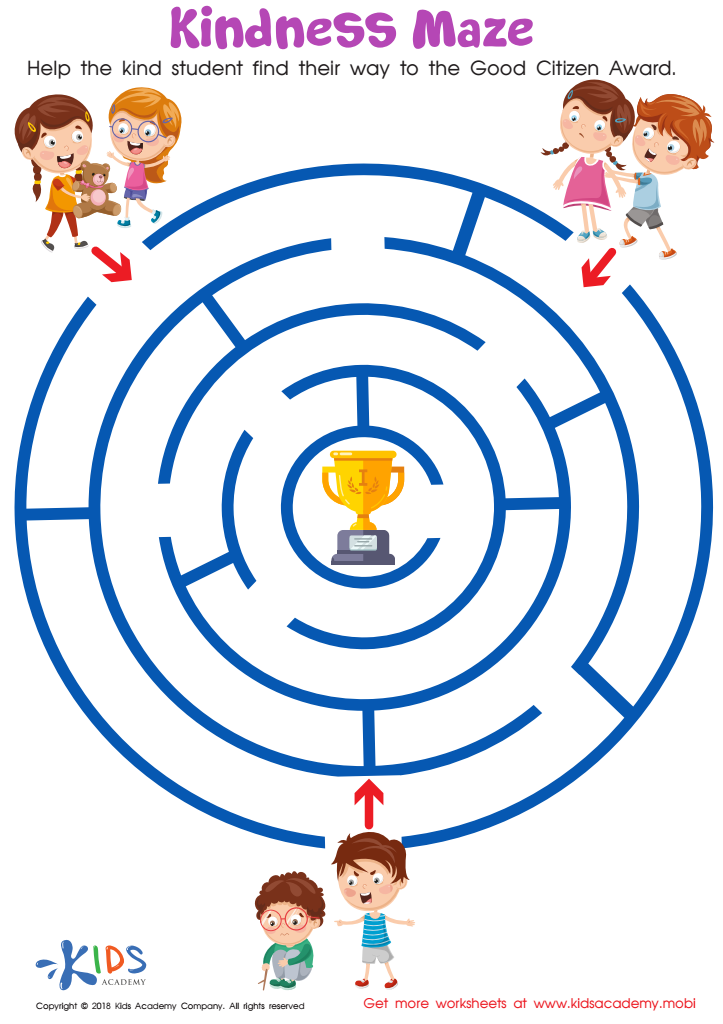
Kindness Maze Worksheet








Mazes are engaging activities that offer numerous benefits for children aged 4 to 7, making them significant for both parents and teachers. Firstly, maze activities enhance cognitive development. Navigating through mazes requires critical thinking, problem-solving skills, and the ability to make decisions, all of which are essential cognitive skills during early childhood.
Additionally, mazes build fine motor skills as children use pencils, crayons, or markers to trace their way through pathways, improving hand-eye coordination and dexterity. Working on mazes also encourages perseverance, as children learn to stick with a task until they find the solution.
From a social perspective, maze activities can serve as collaborative exercises, promoting teamwork and communication when children work together to navigate the maze or compete to finish first.
Furthermore, mazes can be a fun, low-pressure way to introduce concepts like direction and spatial awareness. Teachers can use these activities to integrate learning with play, keeping children engaged and motivated.
Overall, incorporating maze activities into learning routines can lead to well-rounded development, making them a valuable tool for parents and teachers focused on fostering essential skills in young children.








