Tracing Letters Worksheets Activities With Answers for Ages 4-7 - Page 3
57 filtered results
-
From - To
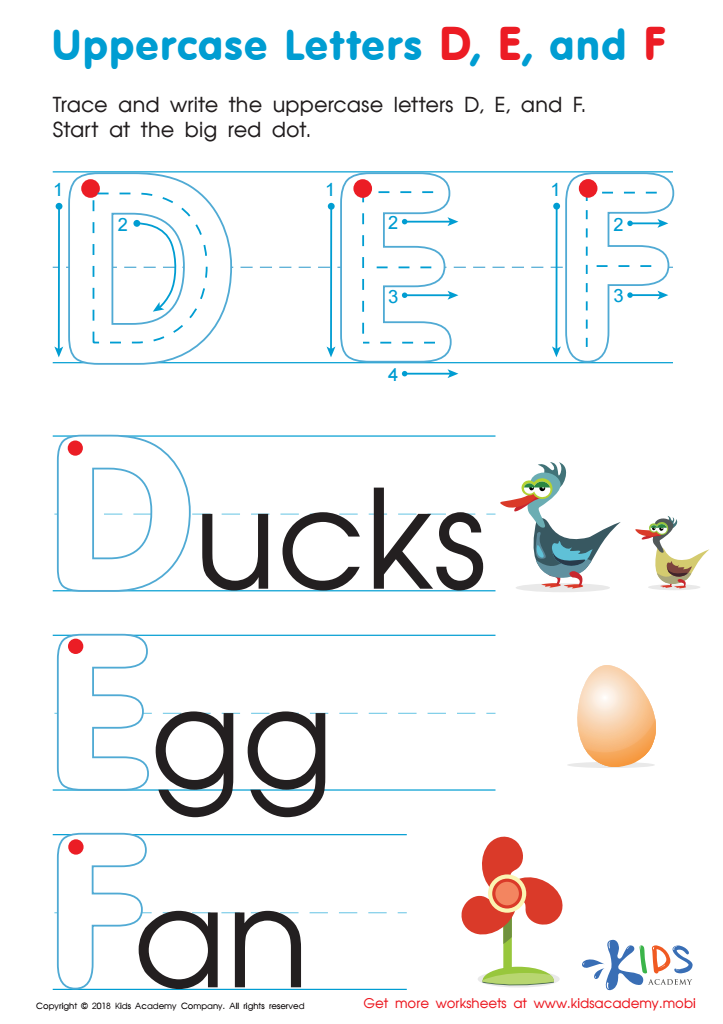
Uppercase Letters D, E, and F Worksheet
 Assign to My Students
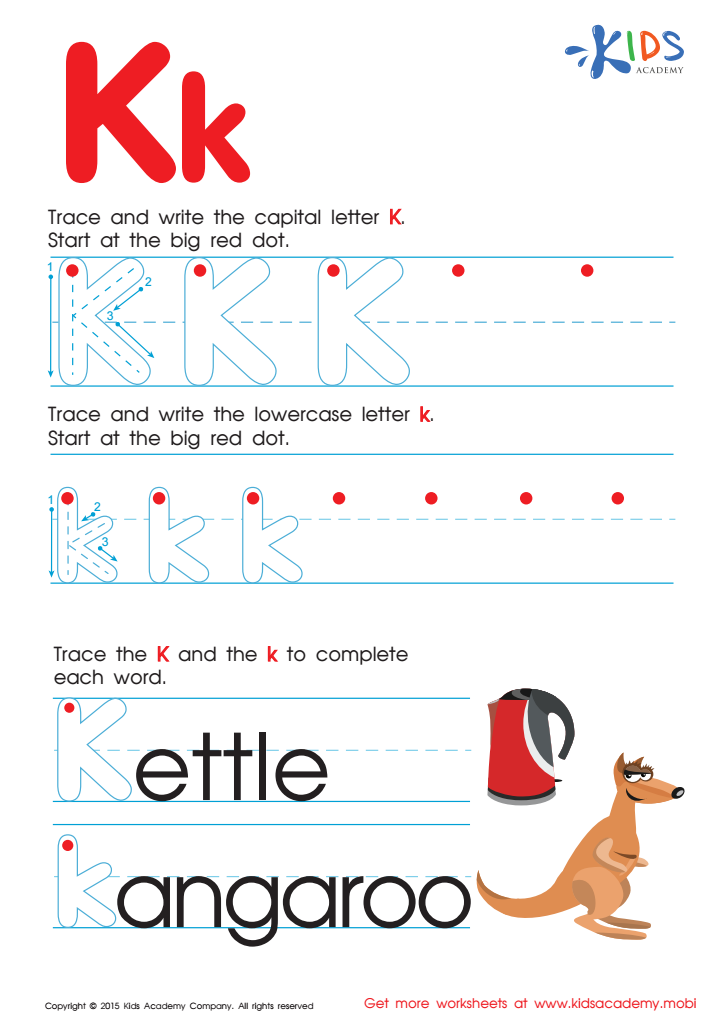
Letter K Tracing Page

Letter F Tracing Page
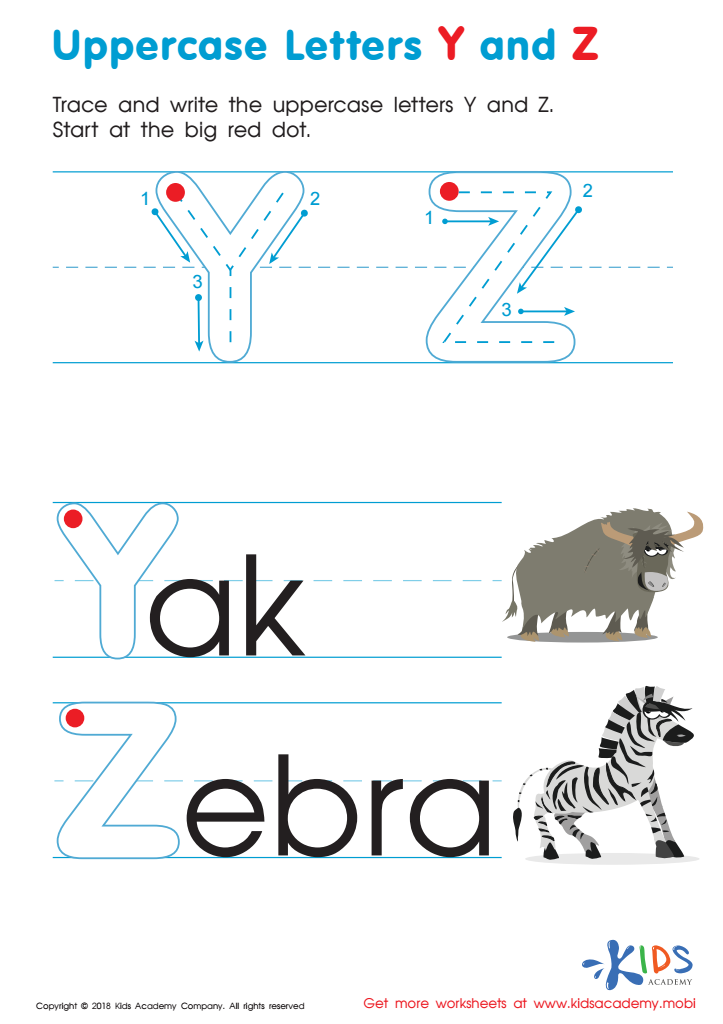
Uppercase Letters Y Z Worksheet
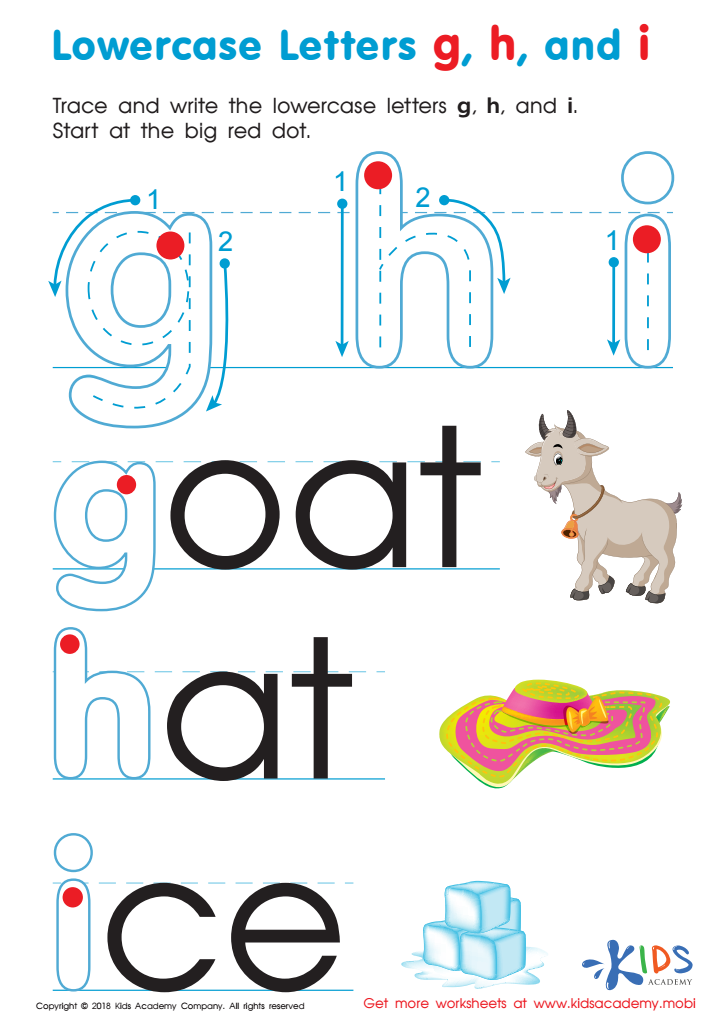
Lowercase Letters g h i Worksheet
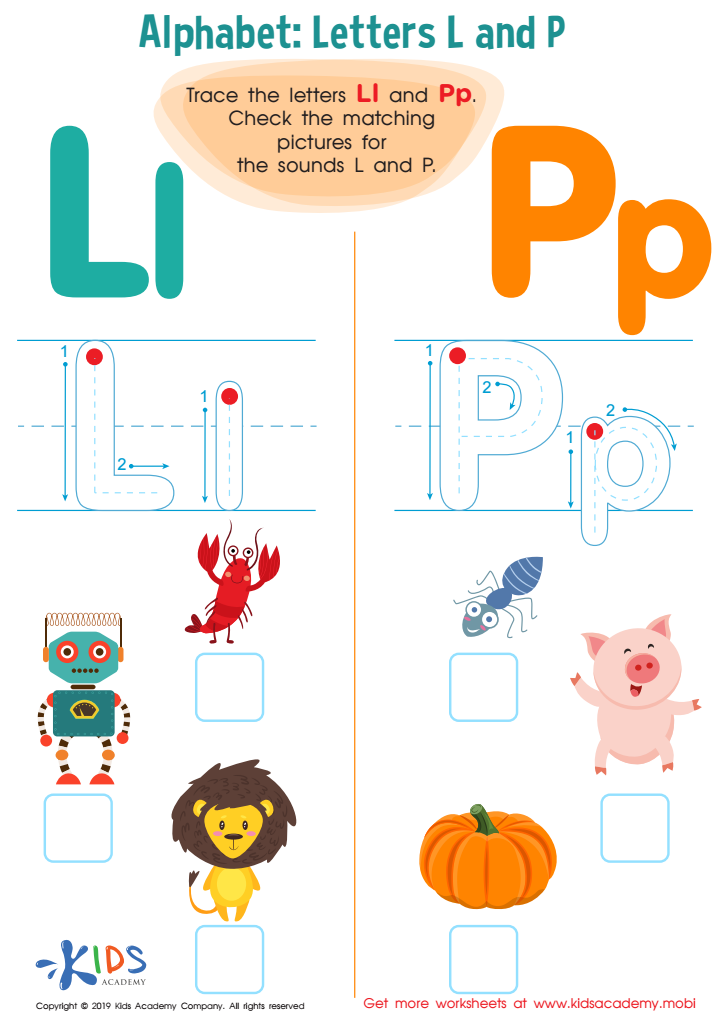
Letter L and P Tracing Worksheet
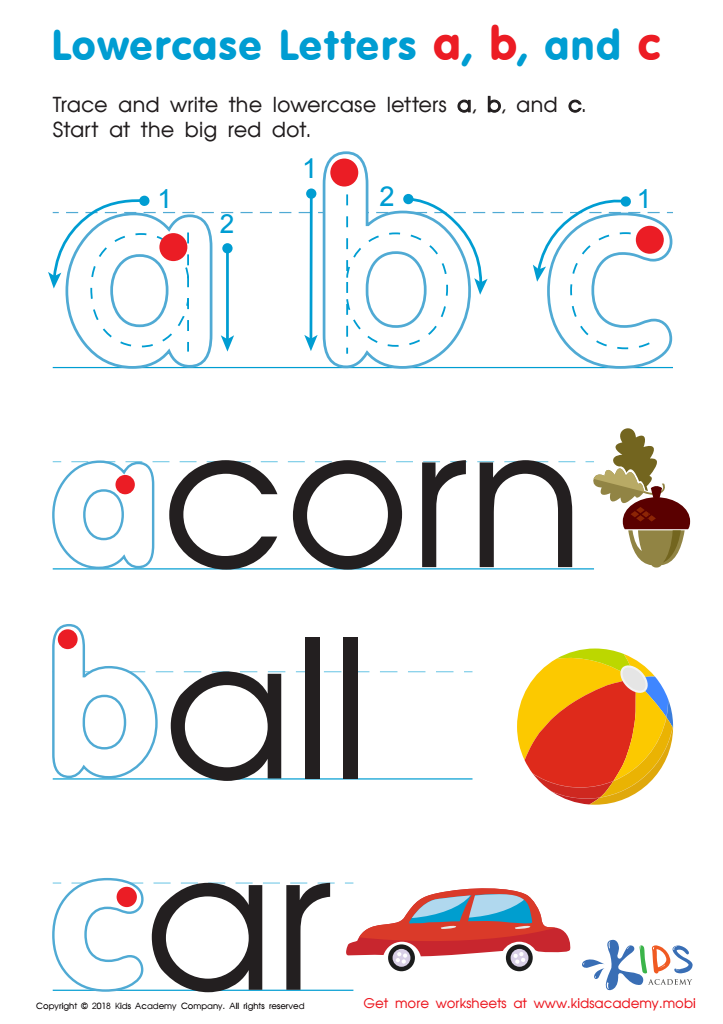
Lowercase Letters a b c Worksheet

Letter T Tracing Page

Letter D Tracing Page







Tracing letters activities for children aged 4-7 are essential for several reasons, making them a vital tool for parents and teachers. First, these activities help develop fine motor skills, which are crucial for young learners who are still mastering their manual dexterity. Improving hand-eye coordination through tracing allows children to become more adept at writing independently as they progress.
Moreover, tracing letters reinforces letter recognition and phonemic awareness. When children repeatedly trace a letter—often while vocalizing its sound—they strengthen their understanding of the relationship between written and spoken language. This practice prepares them for successful reading and spelling later on.
Additionally, these activities can help build a child’s confidence. Completing tracing exercises gives children a sense of achievement, encouraging them to engage more in learning tasks. It supports a growth mindset, teaching them that with practice, they can improve.
Lastly, tracing allows for creative expression; using colorful markers or crayons can make the activity enjoyable and interactive. Engaging children in these fun activities helps create a positive attitude towards writing and learning overall, laying the groundwork for lifelong literacy skills. Parents and teachers should prioritize these activities to support holistic development in early childhood education.








