Mazes Worksheets Activities With Answers for Ages 4-9 - Page 4
74 filtered results
-
From - To
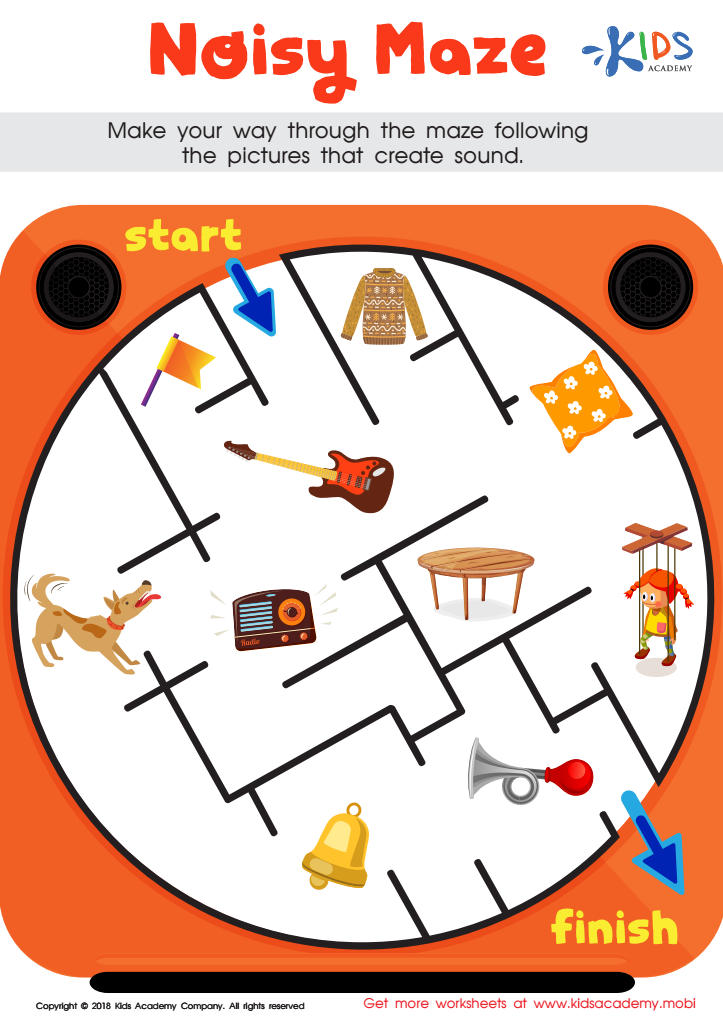
Noisy Maze Worksheet
 Assign to My Students
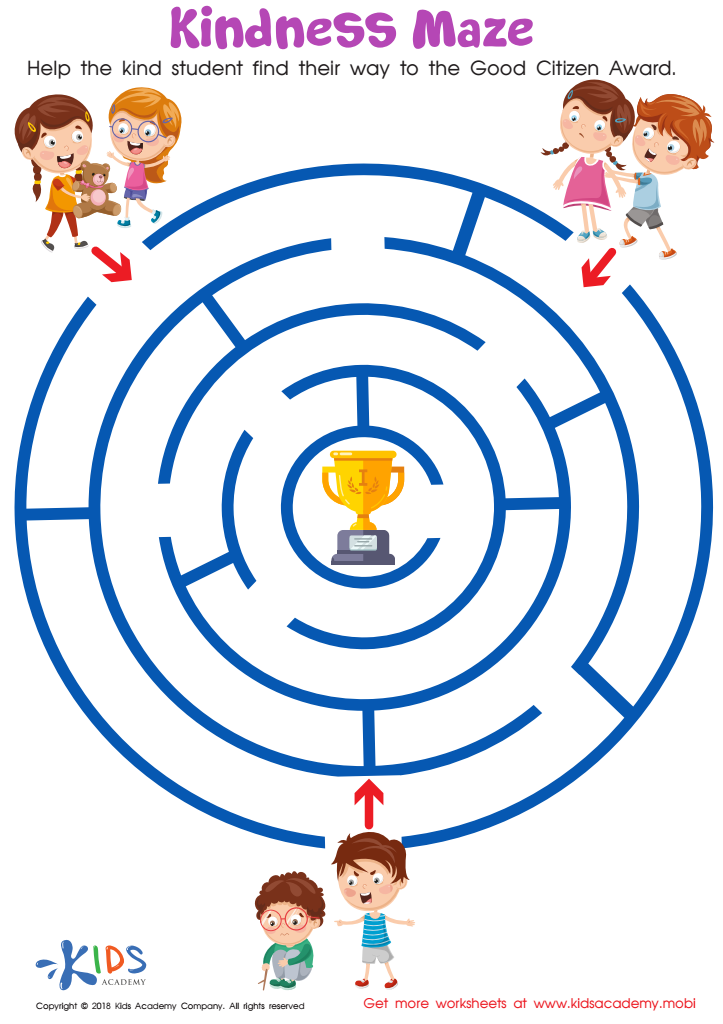
Kindness Maze Worksheet






Mazes activities for children aged 4-9 offer a wealth of educational benefits that make them invaluable tools for parents and teachers. First, these activities can significantly enhance a child's critical thinking and problem-solving skills. By navigating through mazes, children learn to analyze paths, develop strategies, and make decisions, all of which are important cognitive skills that serve as foundational elements for more complex learning.
Additionally, maze activities support fine motor skill development as children use pens, markers, or their fingers to trace routes. This practice strengthens hand-eye coordination, essential for tasks such as writing and drawing.
Mazes also provide an engaging way to reinforce persistence and patience, as children learn to overcome challenges by retracing their steps and trying alternative routes. Moreover, working on mazes can improve focus and concentration as kids become absorbed in the task at hand.
In a social context, maze activities can foster collaboration when children work together or compete to solve mazes, encouraging communication and sharing of ideas.
In summary, mazes are not just fun and engaging; they are beneficial learning activities that can help children develop essential skills while keeping them entertained. For holistic child development, parents and teachers should integrate maze activities into educational settings.








