Matching Worksheets Activities With Answers for Ages 5-7 - Page 4
80 filtered results
-
From - To
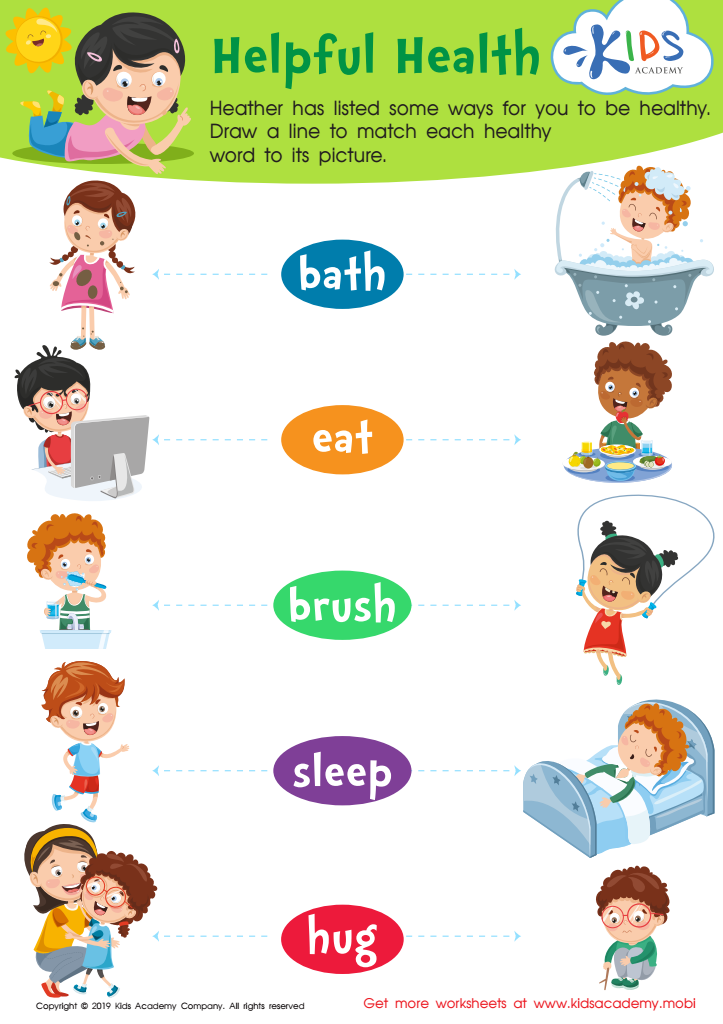
Helpful Health Worksheet
 Assign to My Students
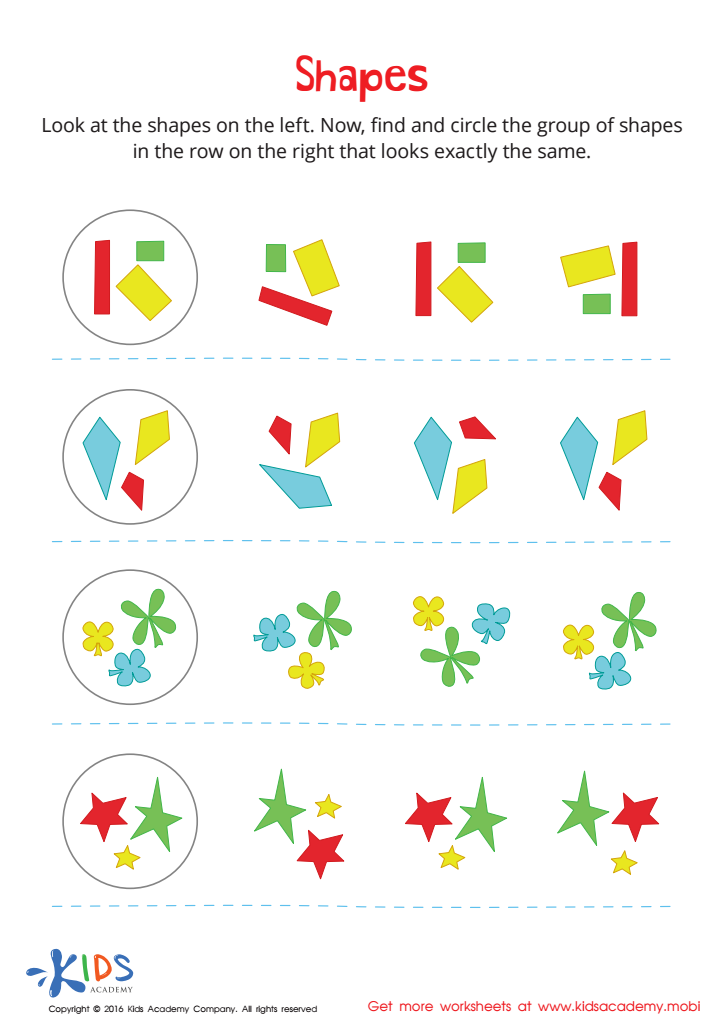
Shapes Worksheet
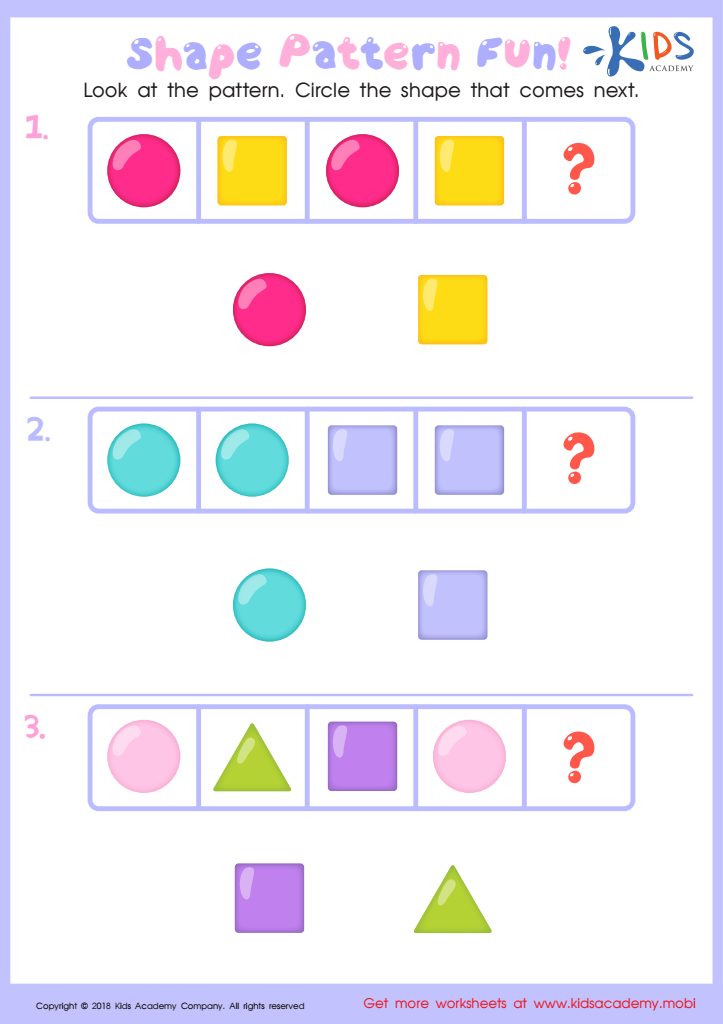
Shape Pattern Fun Worksheet
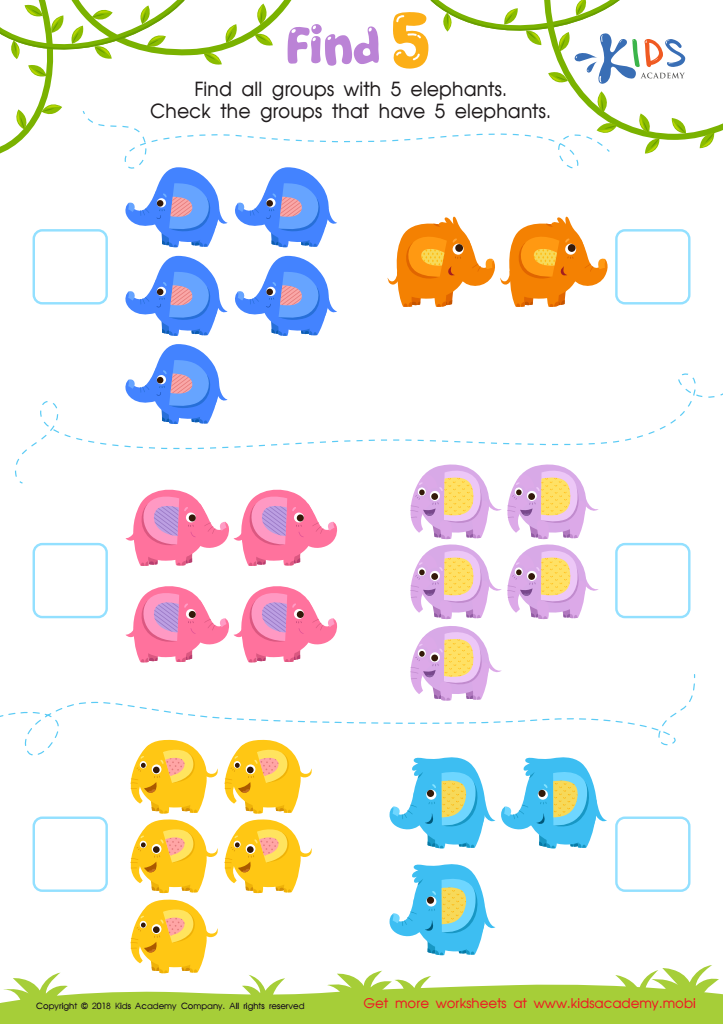
Find 5 Worksheet
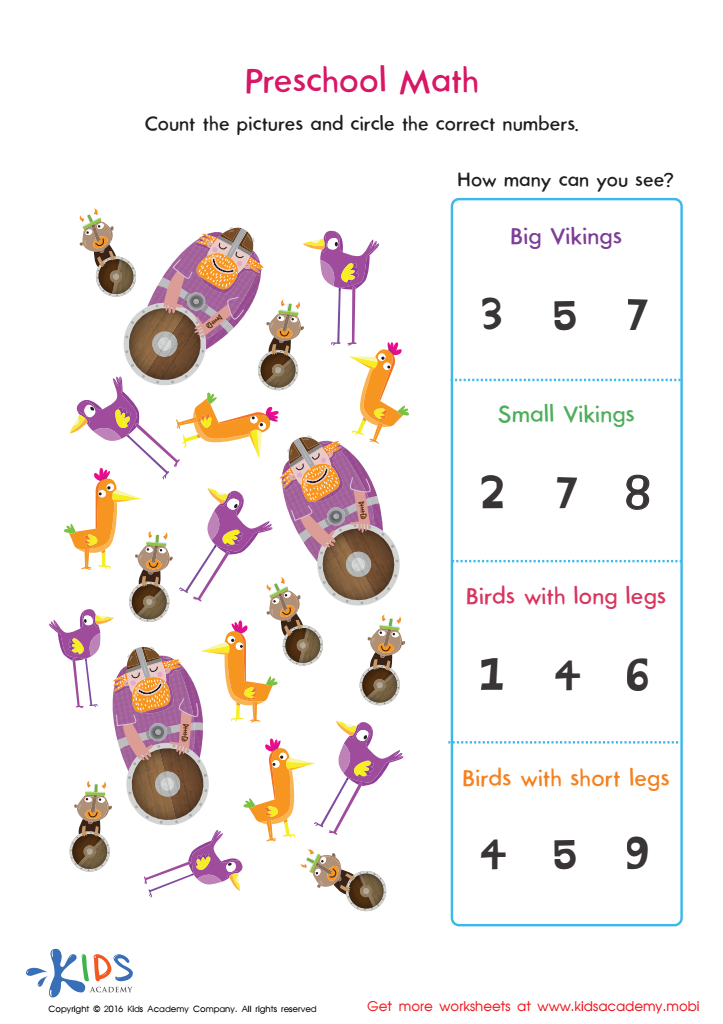
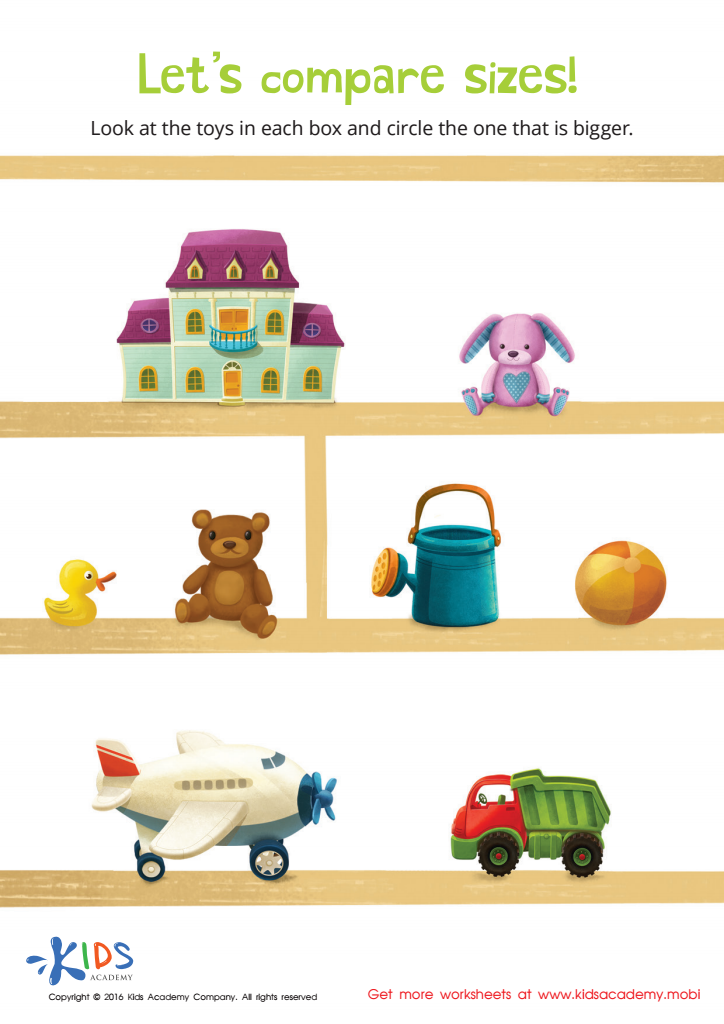
Classifying by Size Sorting Worksheet
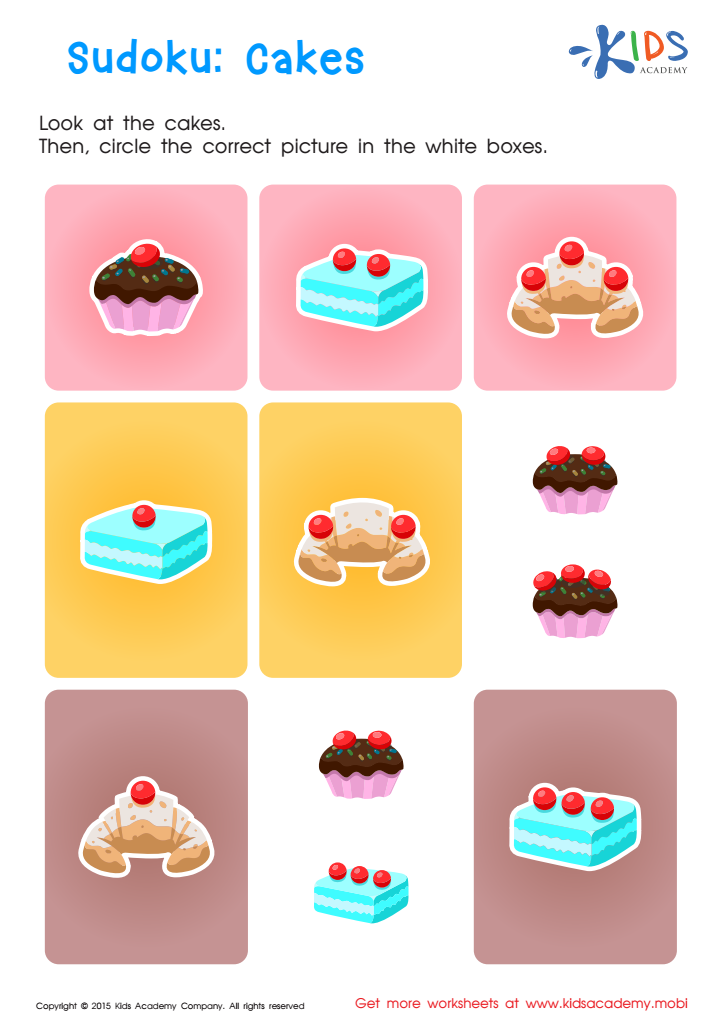
Sudoku Worksheet
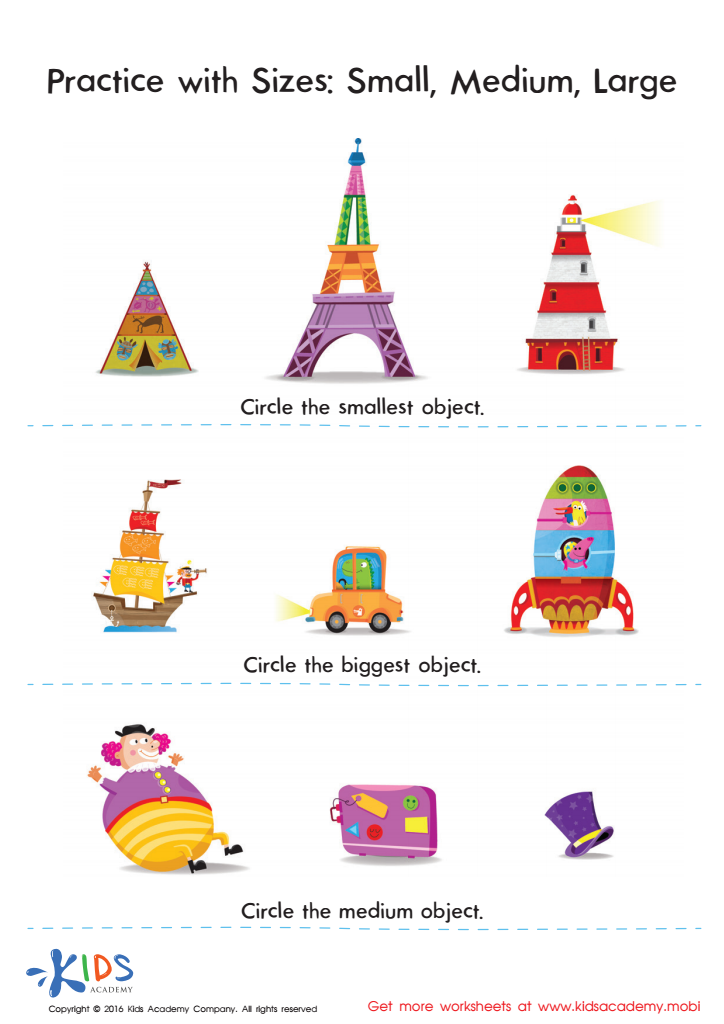




Matching activities are a crucial educational tool for children aged 5-7, enriching their learning experiences and laying a foundation for critical cognitive skills. For parents and teachers, engaging young learners in matching activities fosters important developmental milestones. These activities enhance memory retention and cognitive associations, as children practice linking objects, words, or ideas with their corresponding pairs.
Moreover, matching activities support language development, encouraging vocabulary expansion. When children pair words with images or associated objects, they begin to understand language nuances, improving their communication skills. This method of learning is especially crucial during the early years, as it aids in reinforcing recognition and comprehension, fundamental components for literacy.
Additionally, matching activities promote concentration and attention to detail, essential skills in the classroom and beyond. When children focus on finding correct matches, they practice perseverance and problem-solving abilities, vital for academic success. Parents and teachers who invest time in matching activities contribute significantly to their children’s social and emotional development, fostering teamwork and cooperation when conducted in groups.
By prioritizing matching activities, caregivers empower young learners to explore and interact with their environments effectively, setting the groundwork for lifelong learning and discovery.








