Tracing Letters Worksheets Activities With Answers for Ages 5-7 - Page 3
57 filtered results
-
From - To
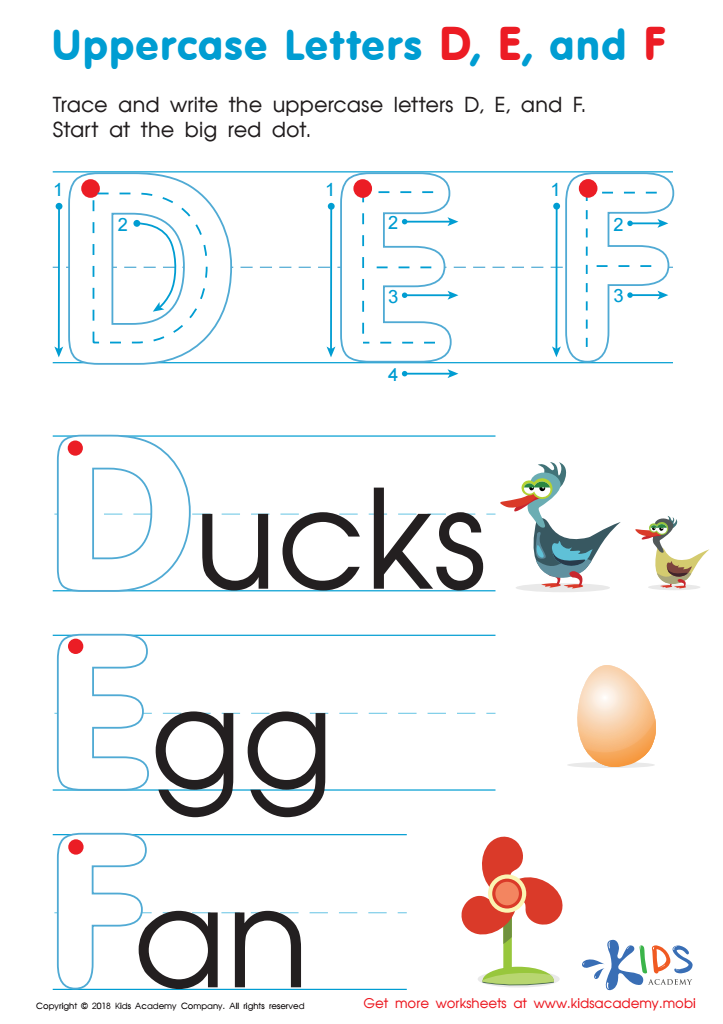
Uppercase Letters D, E, and F Worksheet
 Assign to My Students
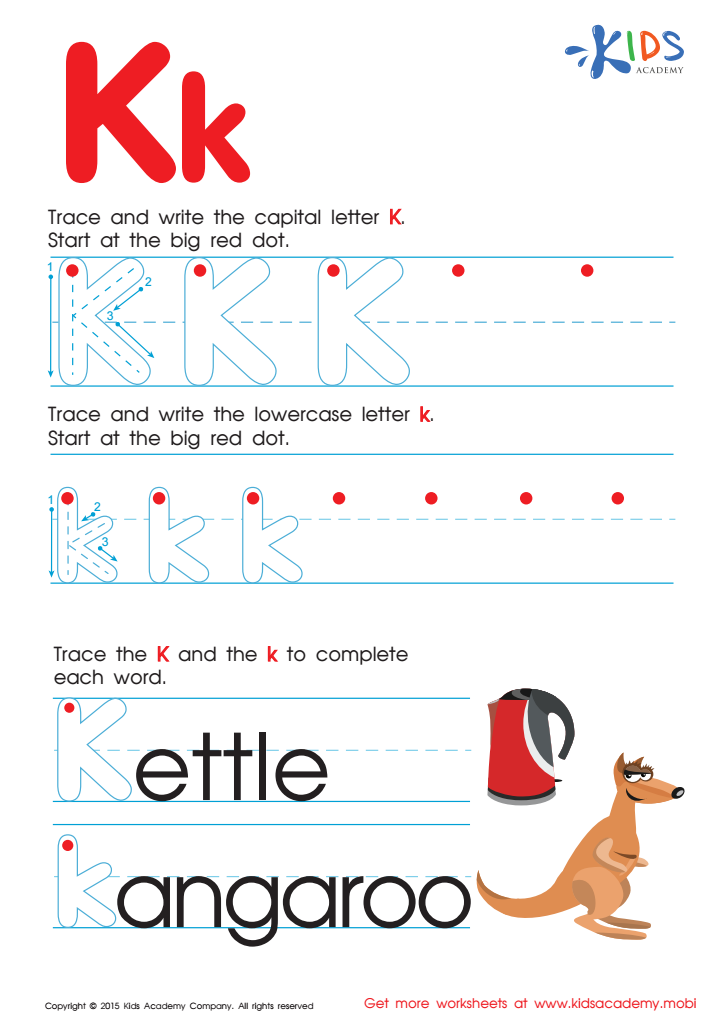
Letter K Tracing Page
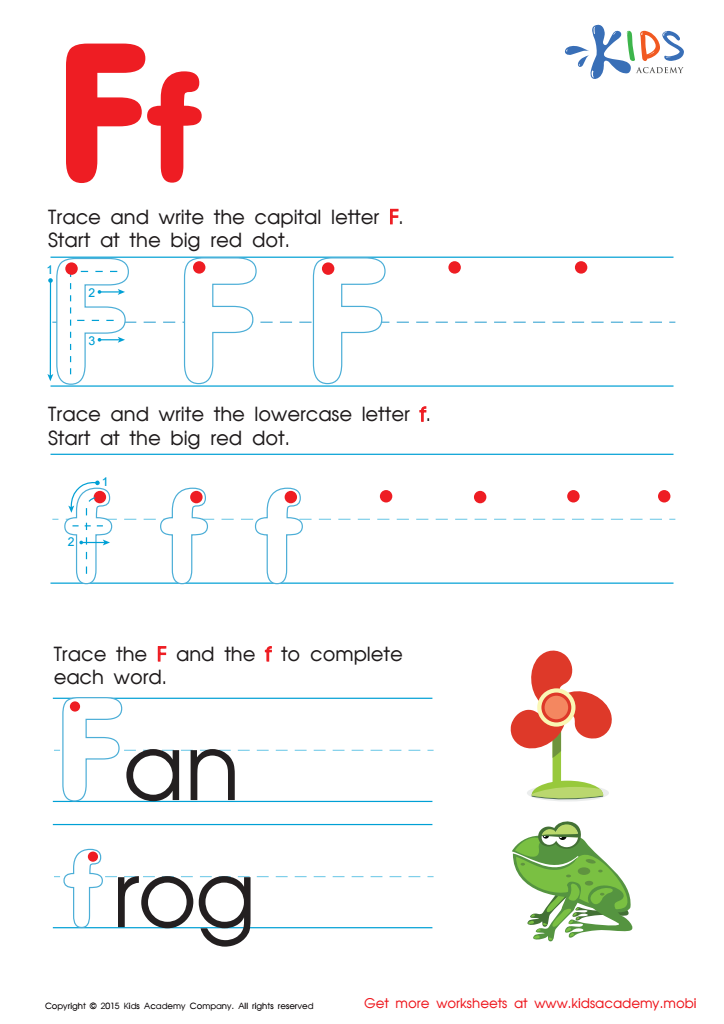
Letter F Tracing Page
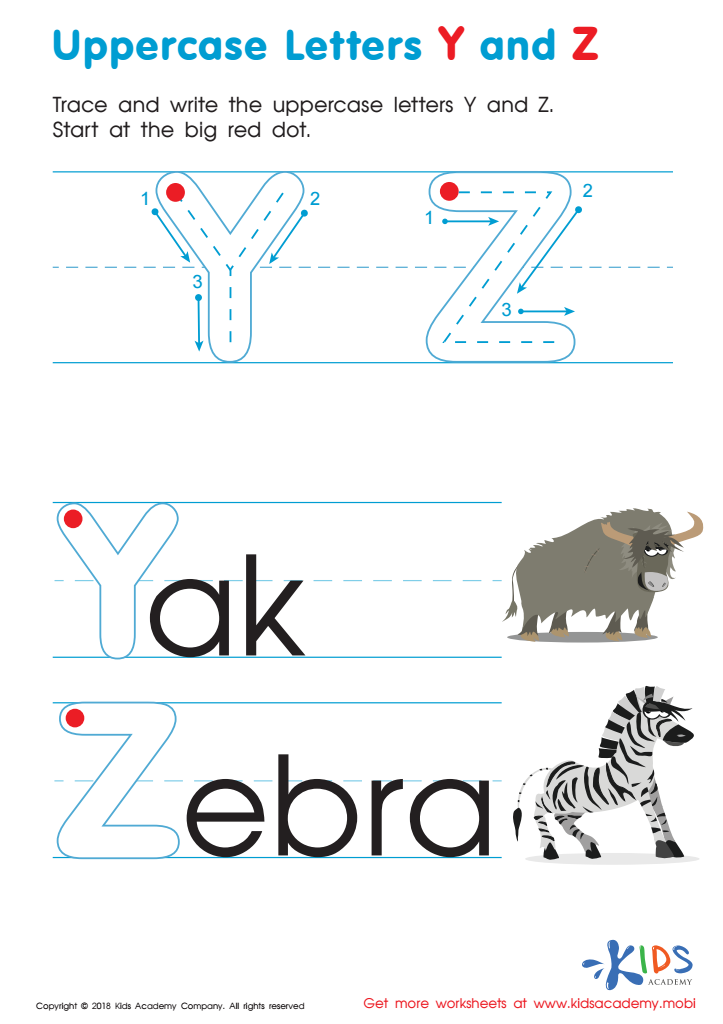
Uppercase Letters Y Z Worksheet
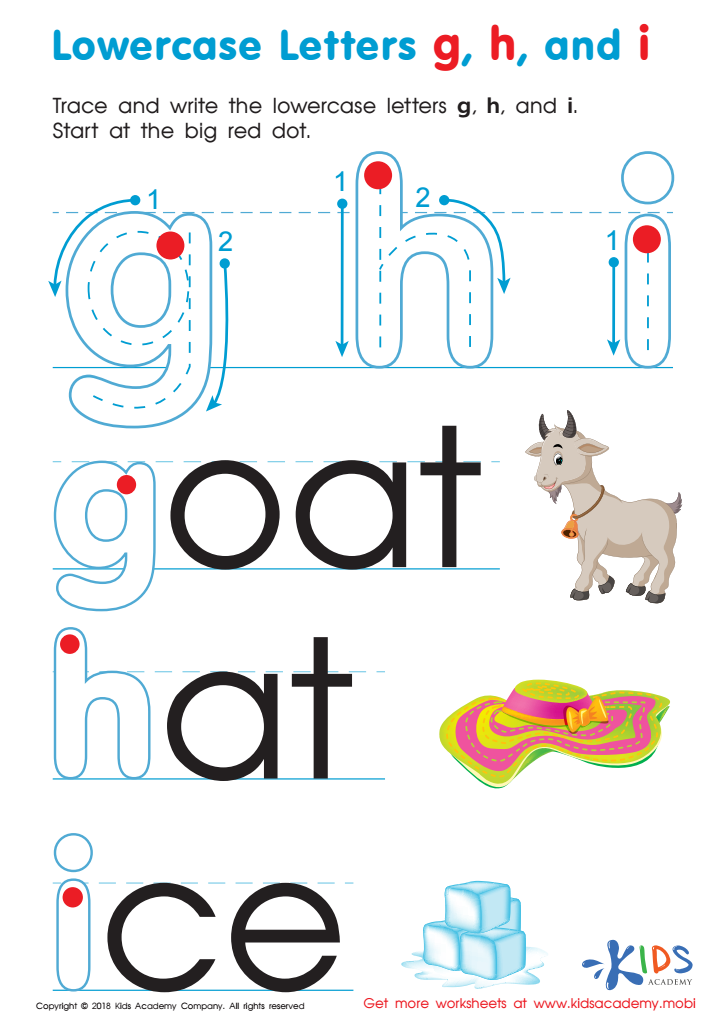
Lowercase Letters g h i Worksheet
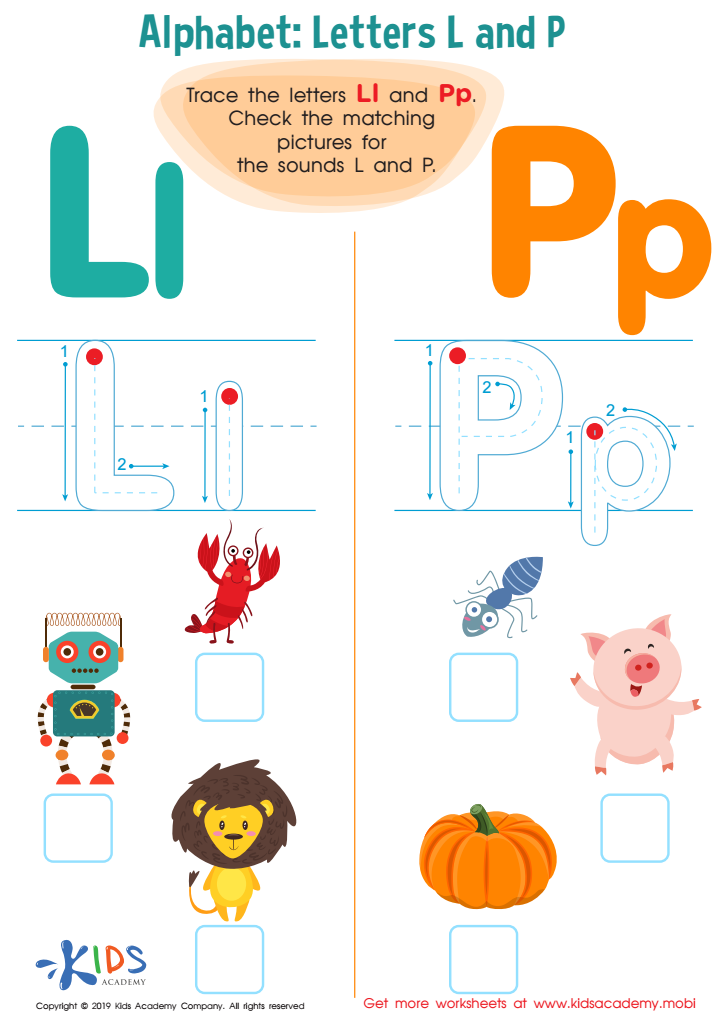
Letter L and P Tracing Worksheet
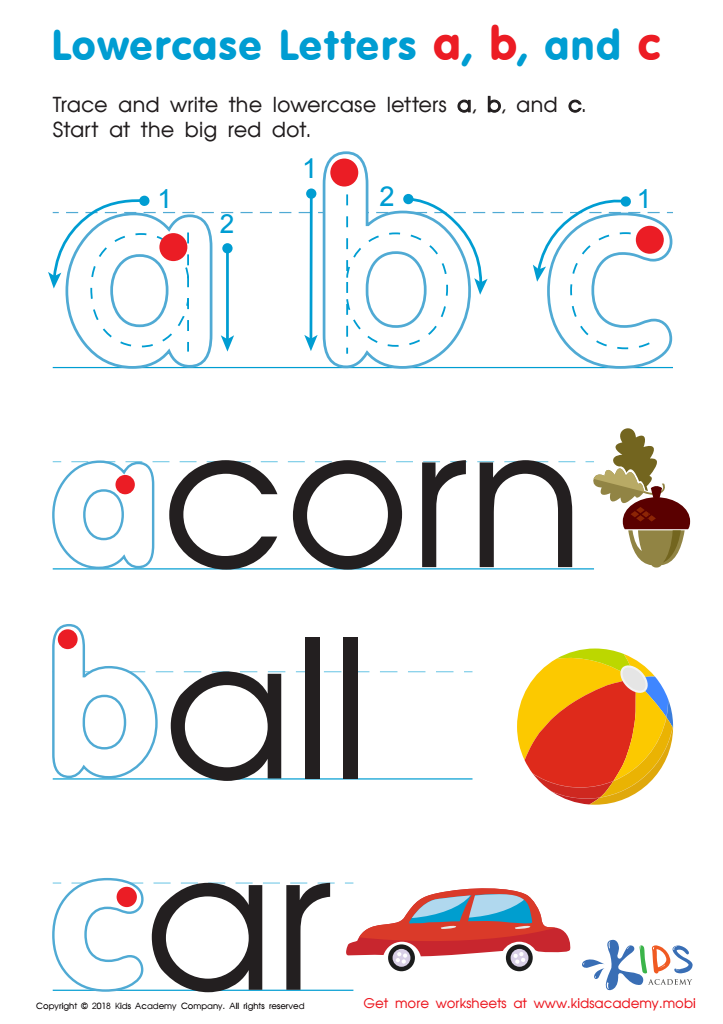
Lowercase Letters a b c Worksheet
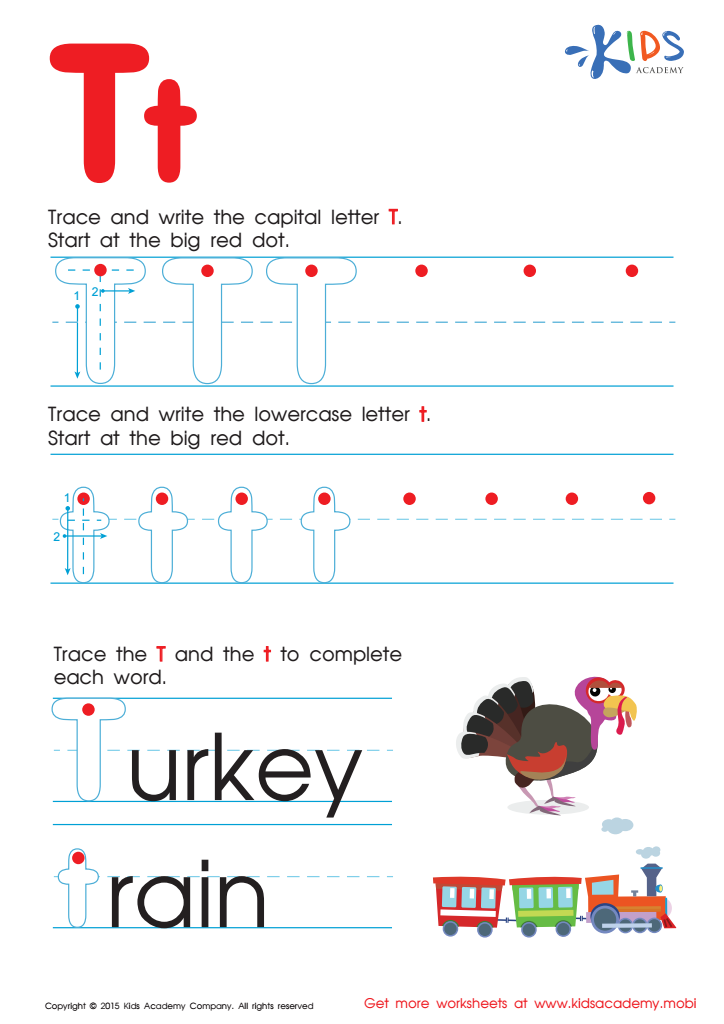
Letter T Tracing Page
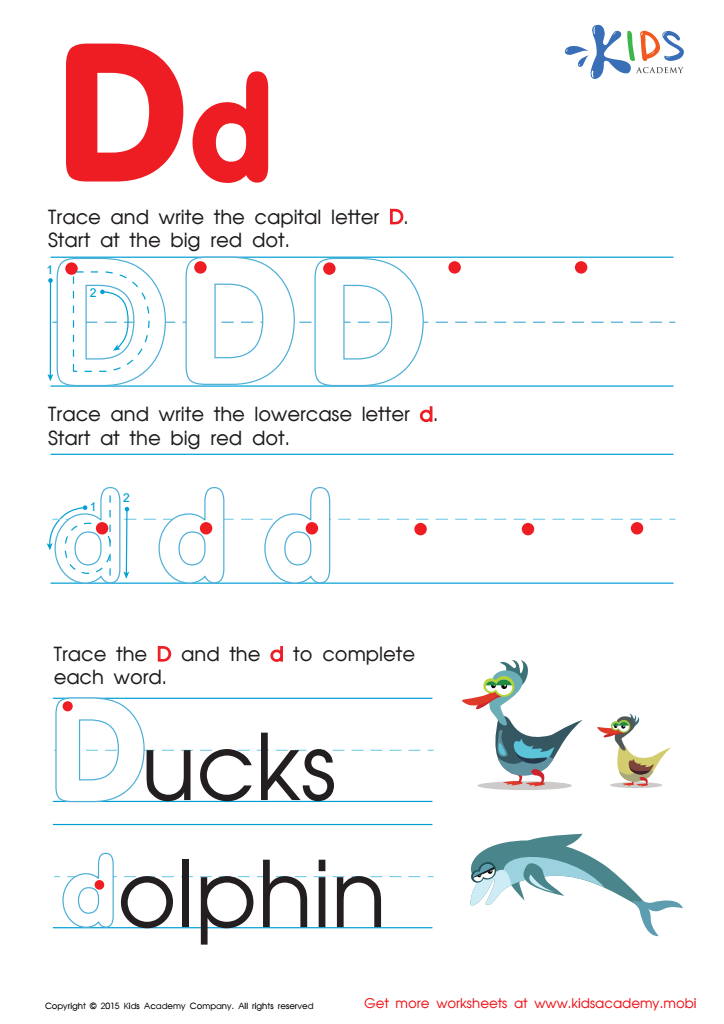
Letter D Tracing Page








Tracing letters activities are essential for children aged 5-7 as they lay a strong foundation for literacy and fine motor skills development. At this age, children are typically beginning to learn how to write, and tracing helps them master letter formation. Engaging in these activities enhances their hand-eye coordination, dexterity, and grip on writing instruments, which are pivotal in their overall writing proficiency.
Moreover, tracing letters encourages recognition of both upper and lower case letters, helping children differentiate between them. This builds their confidence and familiarity with the alphabet, which is crucial for reading and spelling. Teachers and parents should be aware that these activities can also be tailored to be fun and interactive, creating a positive learning experience.
Additionally, tracing letters aids in reinforcing phonics as children start to associate letters with sounds. Incorporating tracing activities in everyday learning can motivate children, fostering a love for reading and writing. Parents and teachers who care about early literacy can effectively use these activities to support and enhance children's developmental milestones, ultimately setting them up for success in their academic journey. By recognizing the importance of tracing letters, caregivers can better enrich the educational experiences of their children.








