Logical Thinking Worksheets Activities With Answers for Ages 6-8 - Page 4
86 filtered results
-
From - To
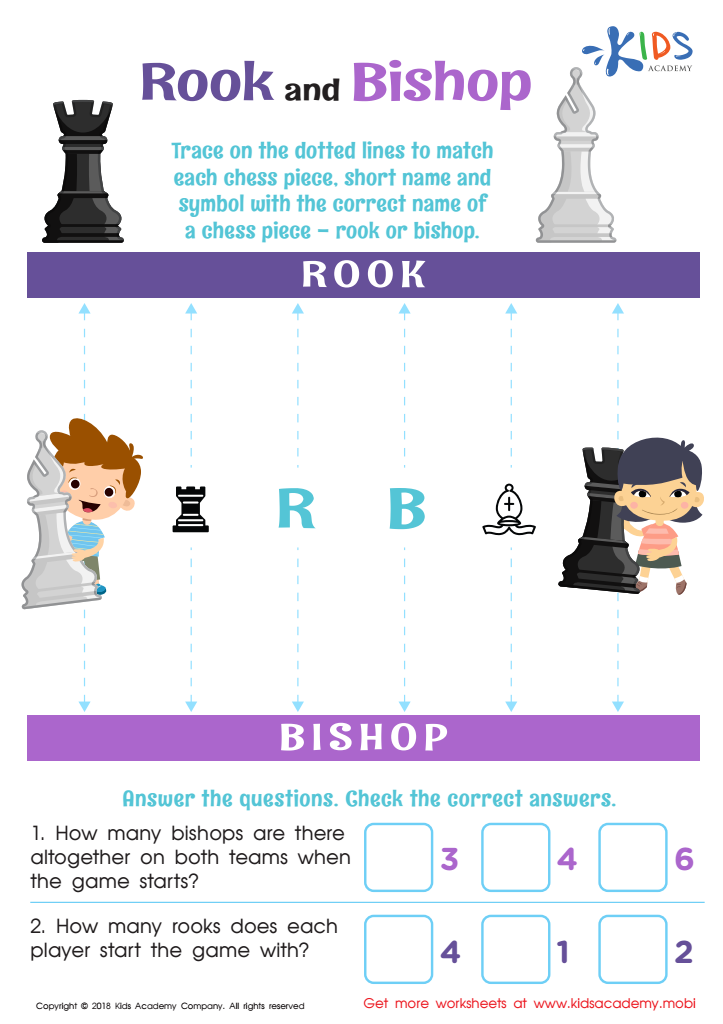
Rook and Bishop Worksheet
 Assign to My Students

Ten in the Bed Worksheet
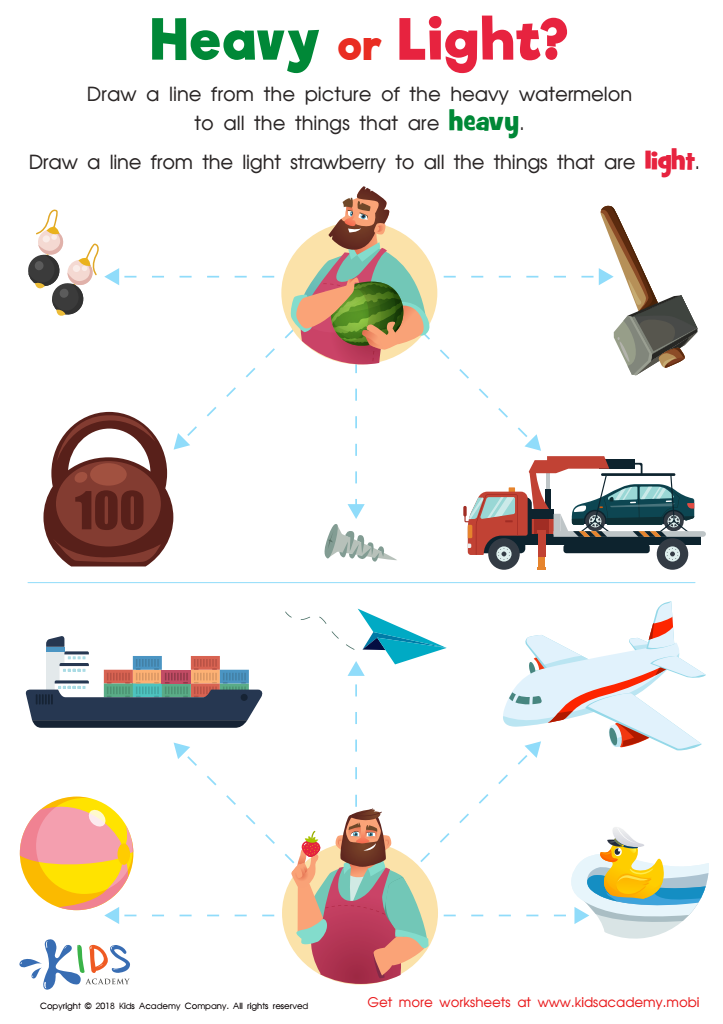
Heavy or Light? Worksheet
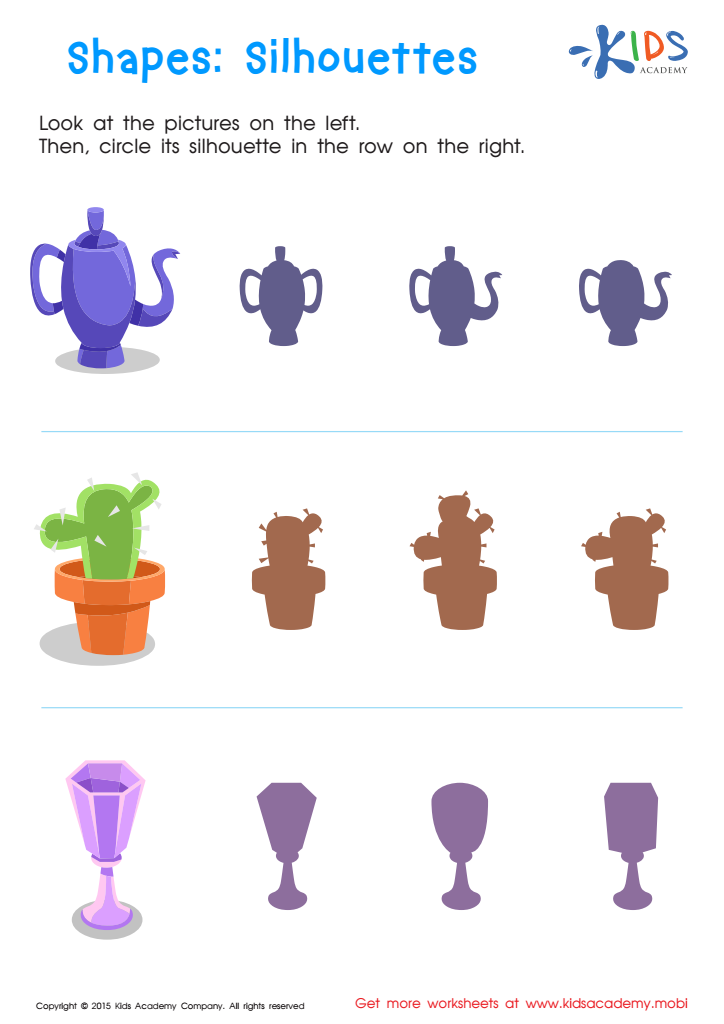
Silhouettes – Shapes Worksheet

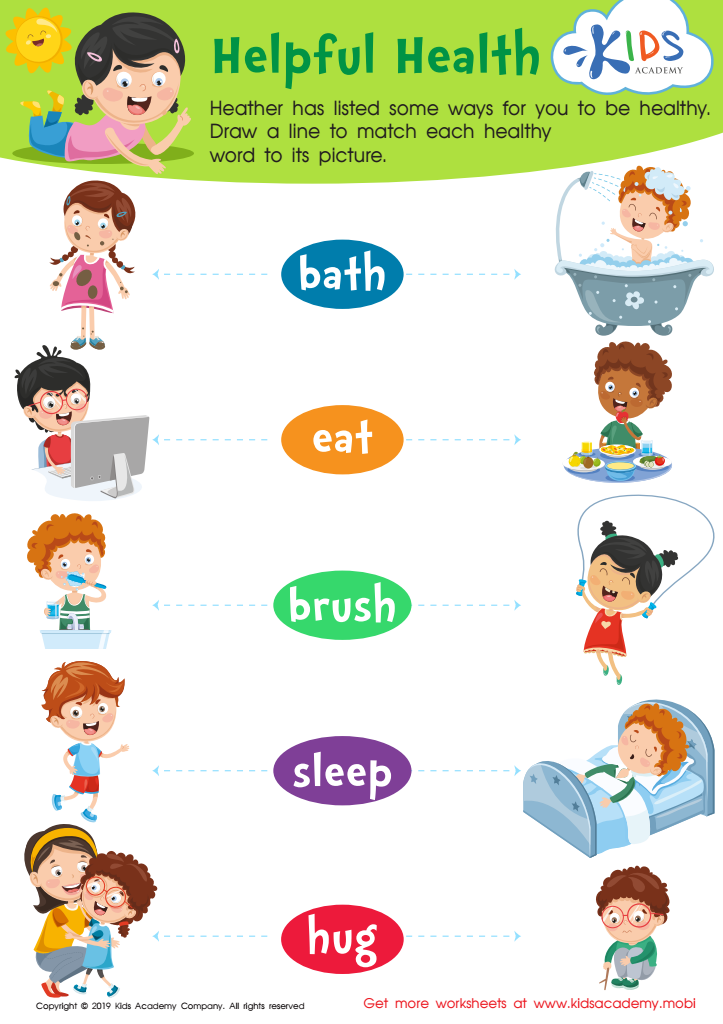
Helpful Health Worksheet
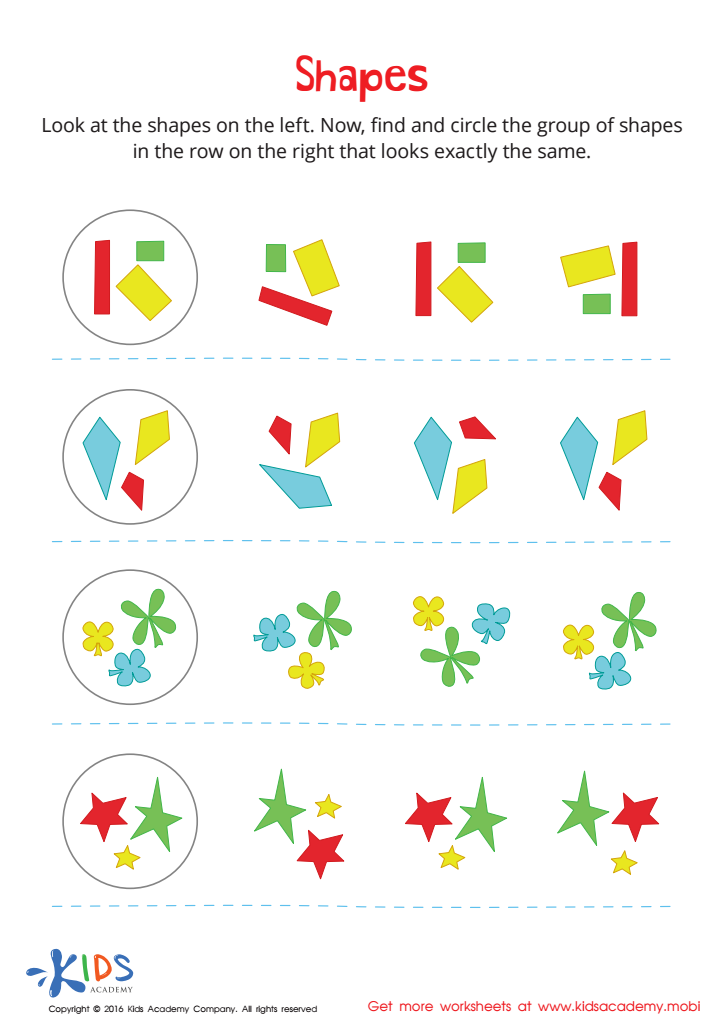
Shapes Worksheet
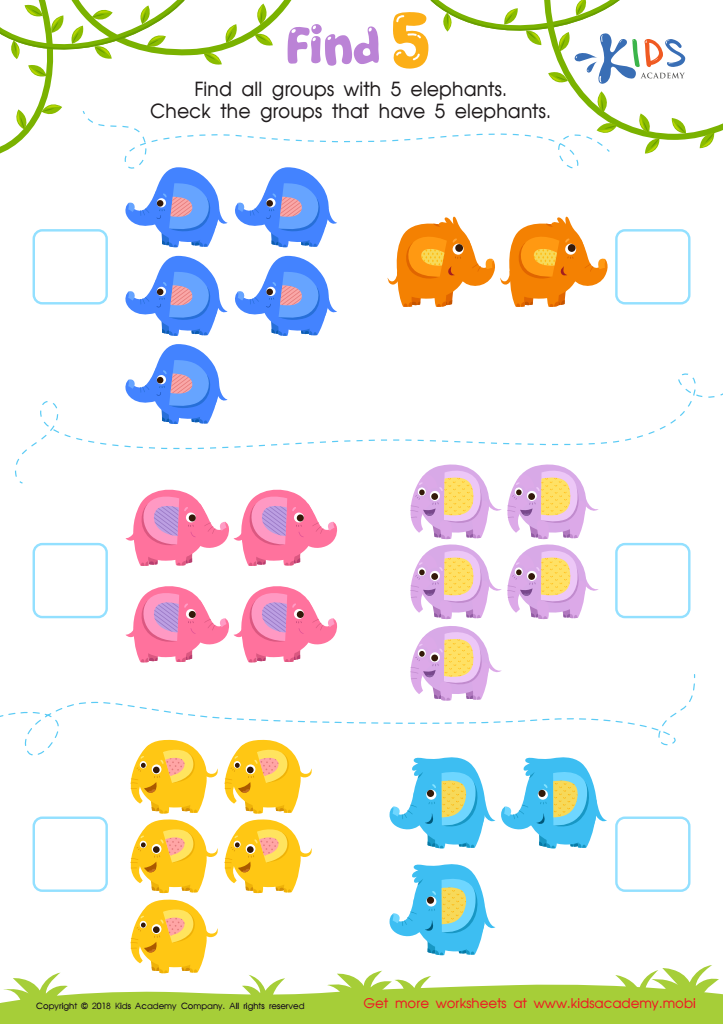
Find 5 Worksheet
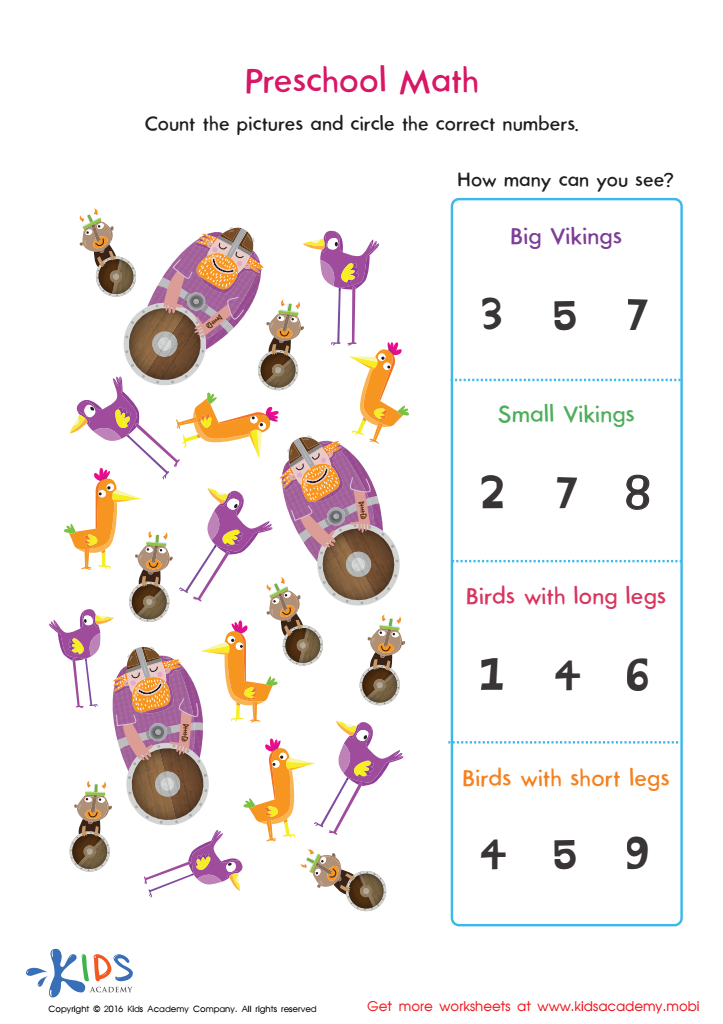
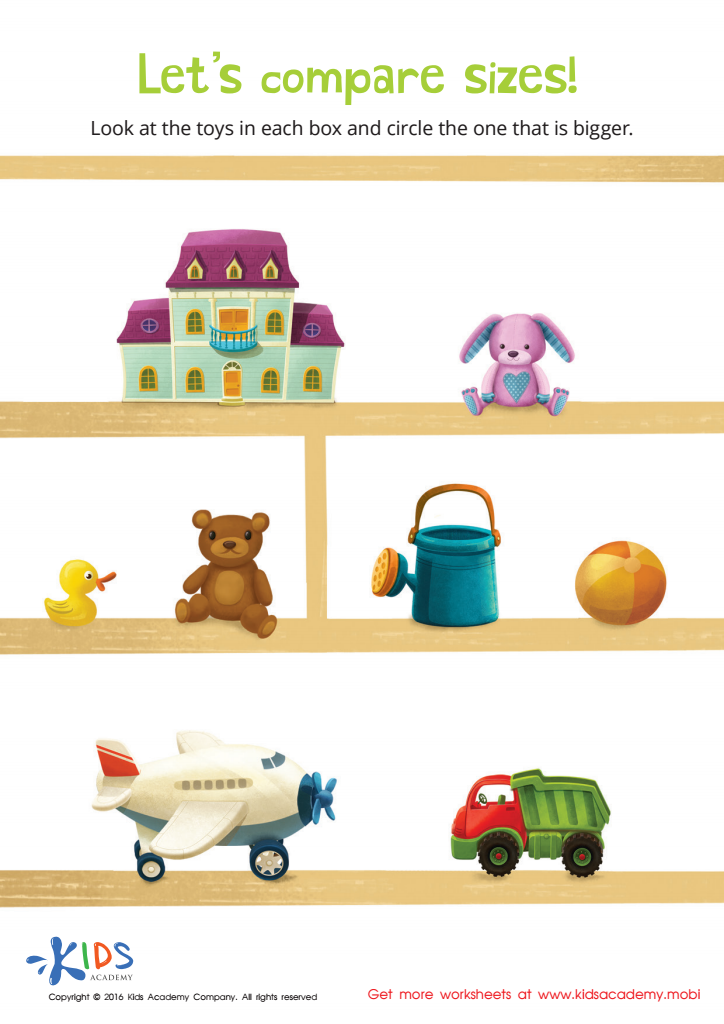
Classifying by Size Sorting Worksheet
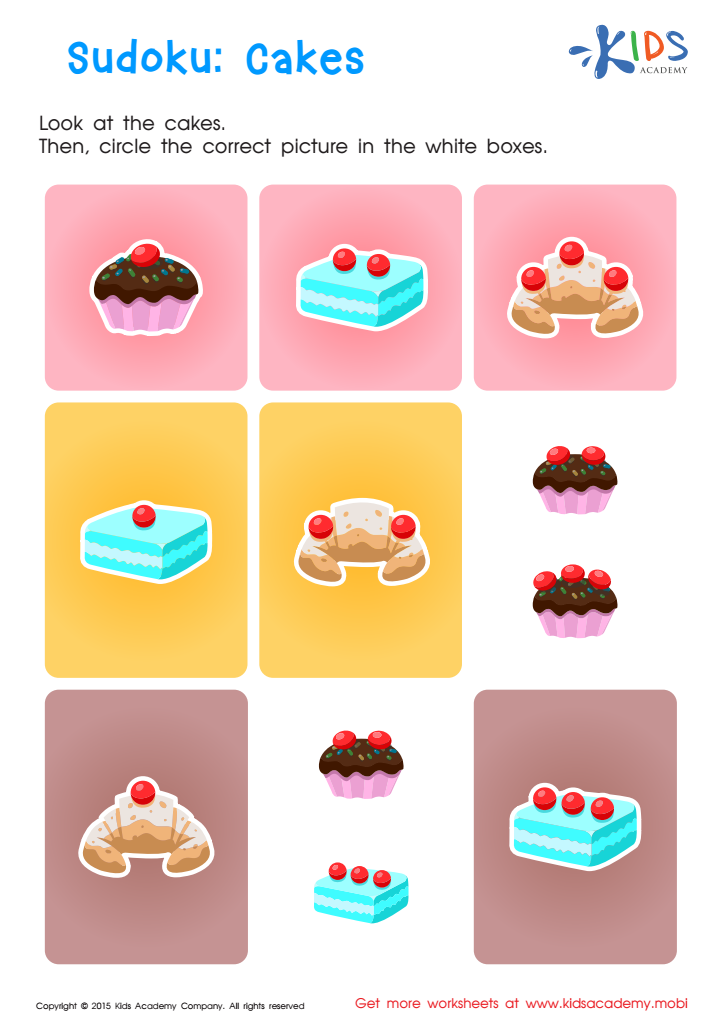
Sudoku Worksheet
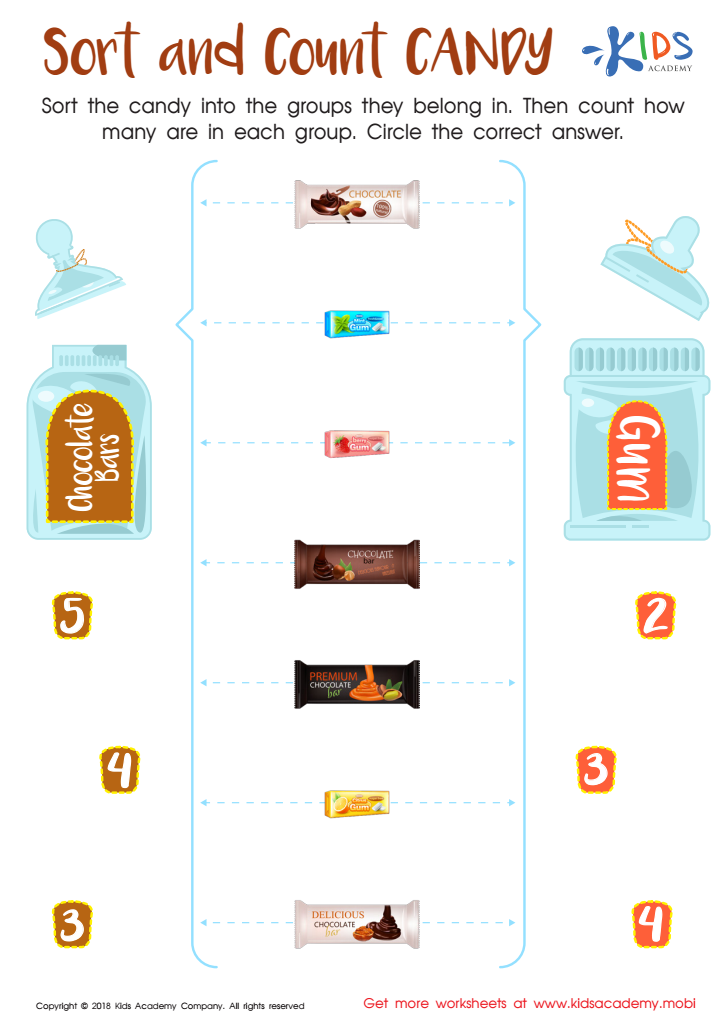
Sort and Count Candy Worksheet
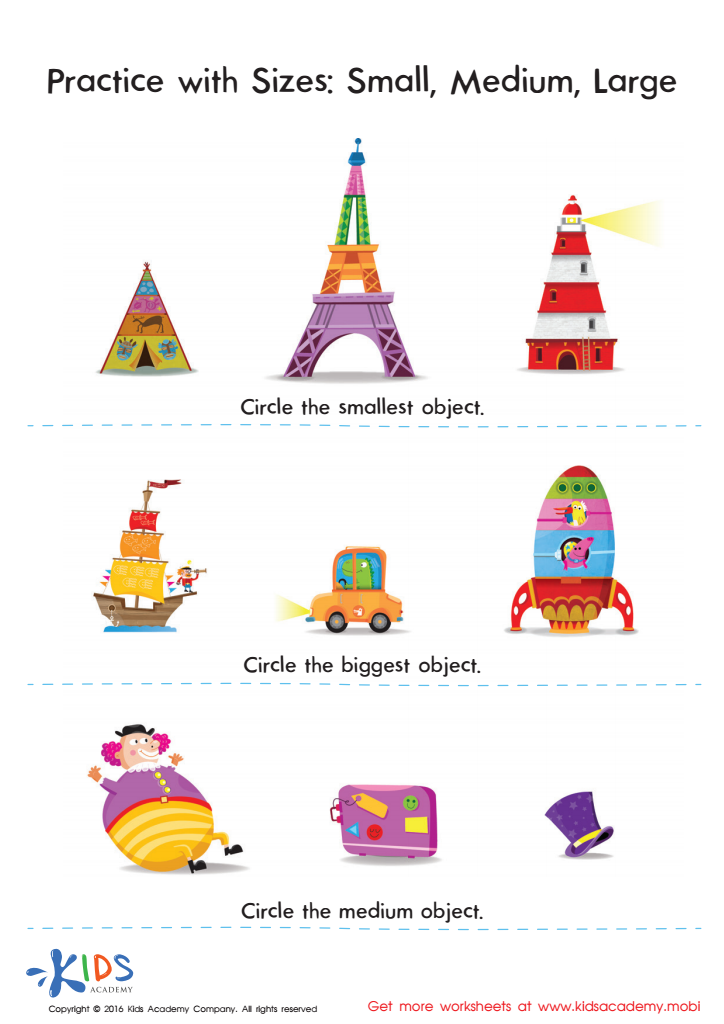






Parents and teachers should prioritize logical thinking activities for children aged 6-8 because these skills are foundational for problem-solving, critical thinking, and decision-making. During this developmental stage, children are naturally curious and eager to explore, making it an ideal time to introduce activities that challenge their reasoning abilities.
Logical thinking activities enhance cognitive skills by encouraging children to analyze situations, recognize patterns, and draw conclusions. These activities, whether puzzles, riddles, or coding exercises, stimulate their brains and promote a love for learning. Moreover, with correct answers provided, children can receive immediate feedback, which helps reinforce concepts and build confidence.
Engaging in logical thinking also fosters social skills, as children often work collaboratively, learning to articulate their thought processes and engage in constructive discussions. It instills perseverance, teaching them that solving complex problems may take time and effort but is ultimately rewarding.
Ultimately, nurturing logical thinking at this age equips children with essential skills they will utilize throughout their educational journey and beyond, preparing them for real-world challenges. Parents and teachers should, therefore, embrace logical thinking activities as a key component of early education to cultivate well-rounded, competent learners.








