Easy Reading Fiction Worksheets Activities With Answers for Ages 4-9
3 filtered results
-
From - To
Discover a treasure trove of Easy Reading Fiction Worksheets designed specifically for children aged 4 to 9! Our engaging and interactive worksheets make reading fun while enhancing comprehension skills. Each activity features age-appropriate stories that captivate young minds and foster a love for literature. With clear, concise answer keys included, educators and parents can easily track progress and ensure understanding. From story sequencing to character exploration, our worksheets provide a comprehensive approach to learning. Visit our site to access a variety of fiction activities that promote reading fluency and critical thinking in a playful and enjoyable manner!
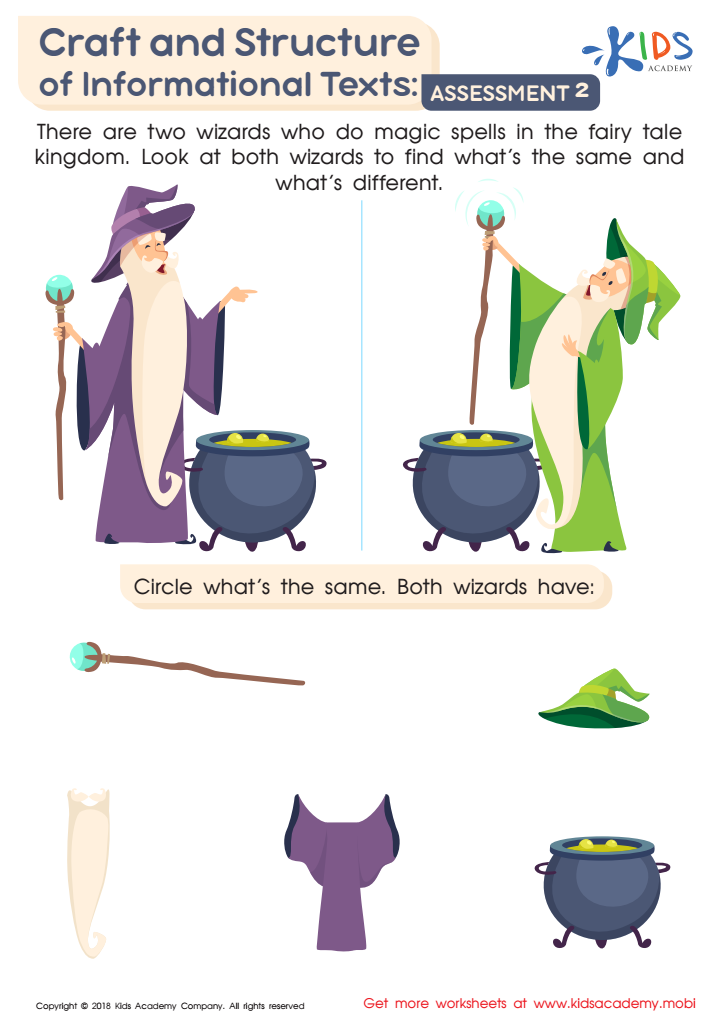
Craft and Structure of Informational Texts: Assessment 2 Worksheet
 Assign to My Students
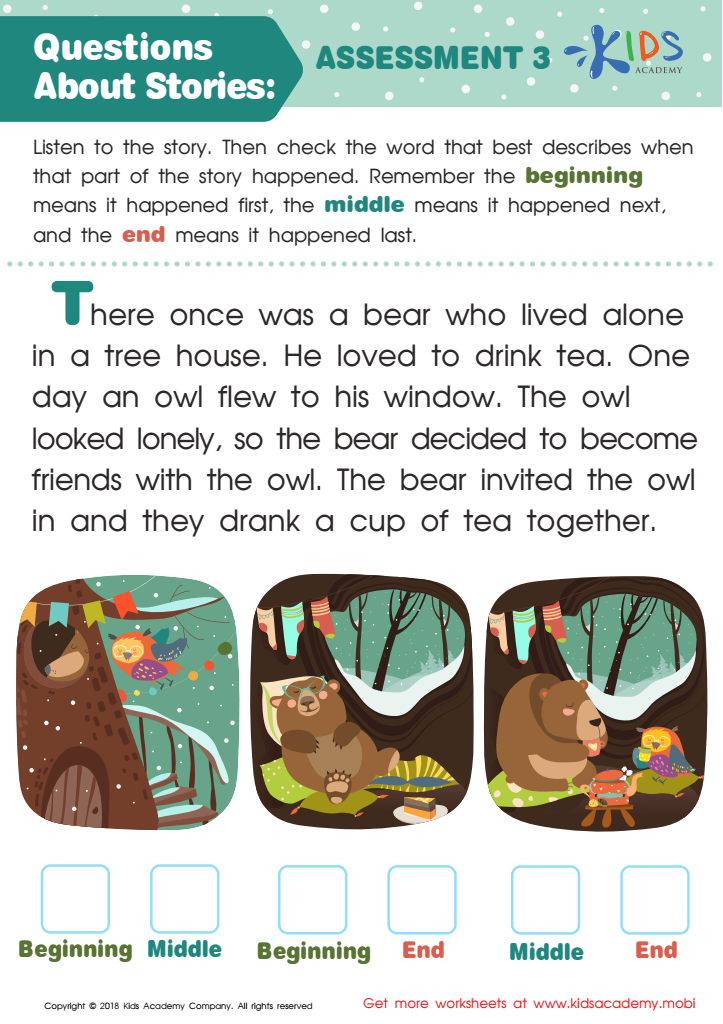
Questions About Stories: Assessment 3 Worksheet
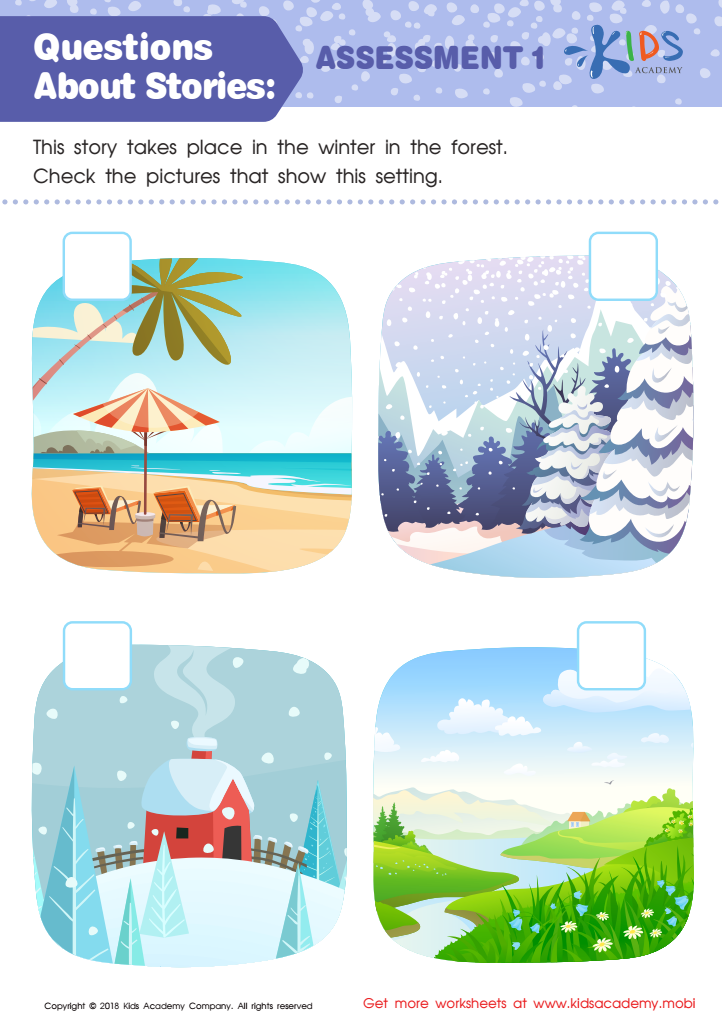
Questions About Stories: Assessment 1 Worksheet







Parents and teachers should prioritize Easy Reading Fiction Activities with Answers for ages 4-9 because these resources play a crucial role in developing early literacy skills. At this age, children are forming foundational skills in reading comprehension, vocabulary, and phonetics, which are essential for their academic success. Engaging in fun and age-appropriate reading activities fosters a love for reading and makes learning enjoyable, leading to increased motivation and a positive attitude towards education.
Moreover, these activities often include questions and answers, encouraging critical thinking and allowing children to actively engage with the text. This interaction helps reinforce their understanding, promotes discussion, and builds confidence in their reading abilities. Additionally, Easy Reading Fiction can cater to diverse learning styles, offering various formats to suit every child's needs. Practicing reading comprehension in a structured yet playful manner helps children make connections between the text and their own experiences.
Ultimately, by incorporating these activities, parents and teachers also create opportunities for bonding through shared reading experiences, enhancing communication skills, and building a supportive learning environment. Investing time in Easy Reading Fiction Activities thus nurtures both literacy development and the overall emotional growth of children aged 4-9.








