Easy Phonics Worksheets Activities With Answers for Ages 5-9
4 filtered results
-
From - To
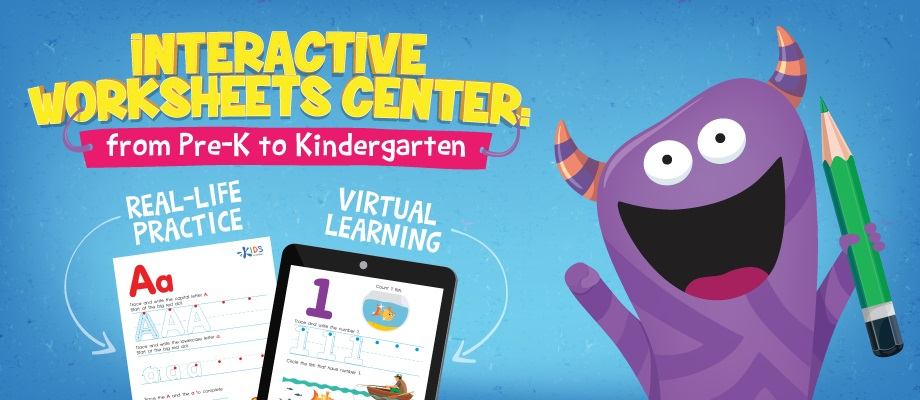
Discover our engaging collection of Easy Phonics Worksheets Activities designed specifically for children aged 5-9. These interactive worksheets provide fun, hands-on learning experiences that enhance phonics skills essential for early literacy development. Each activity is tailored to reinforce sound recognition, blending, and decoding, with clear, straightforward instructions. To ensure comprehension, detailed answer keys accompany each worksheet, making it easy for parents and educators to track progress. Perfect for at-home practice or classroom use, these activities promote confidence and excitement in young learners as they embark on their reading journey. Explore our resources today and foster a love for reading!
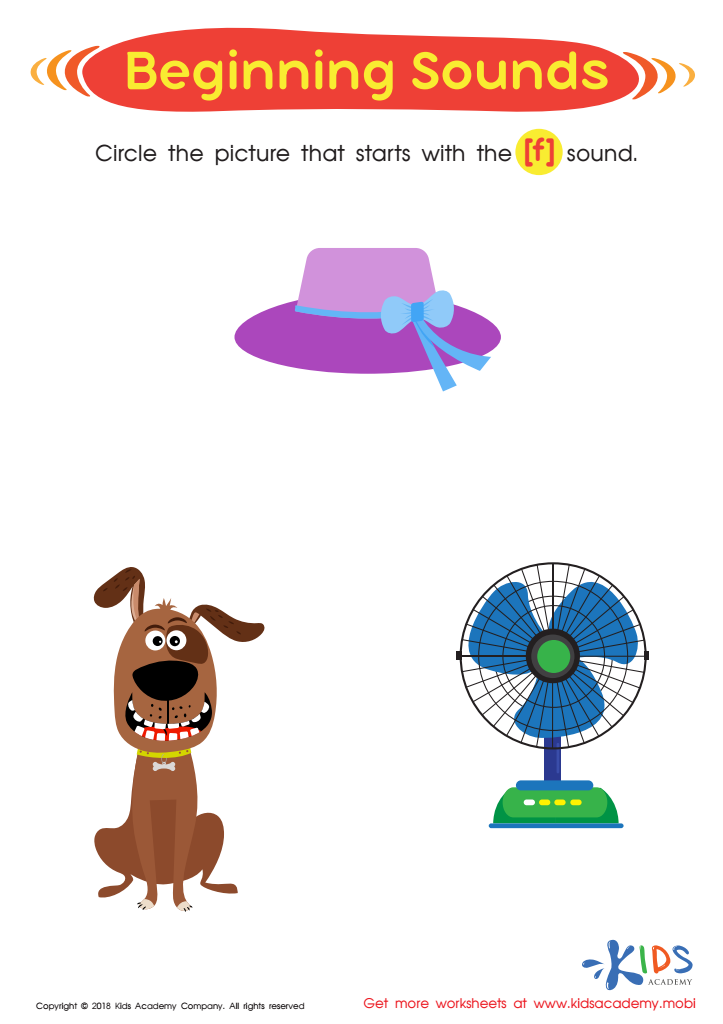
Beginning Sounds Assessment Printable
 Assign to My Students
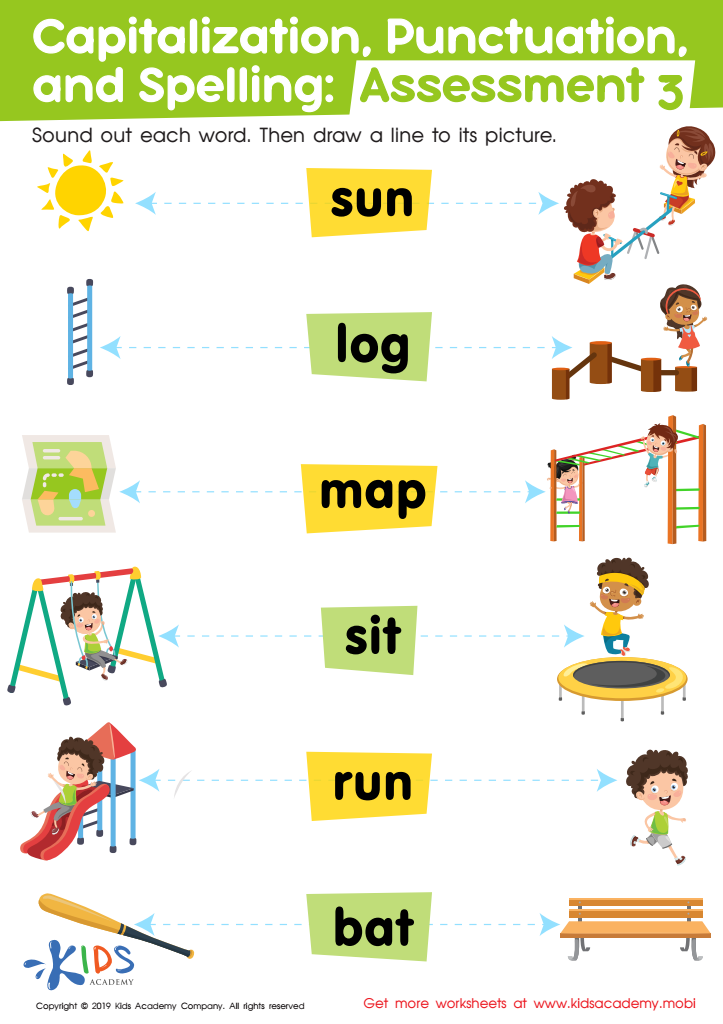
Capitalization. Punctuation. Spelling. Assessment 3 Worksheet
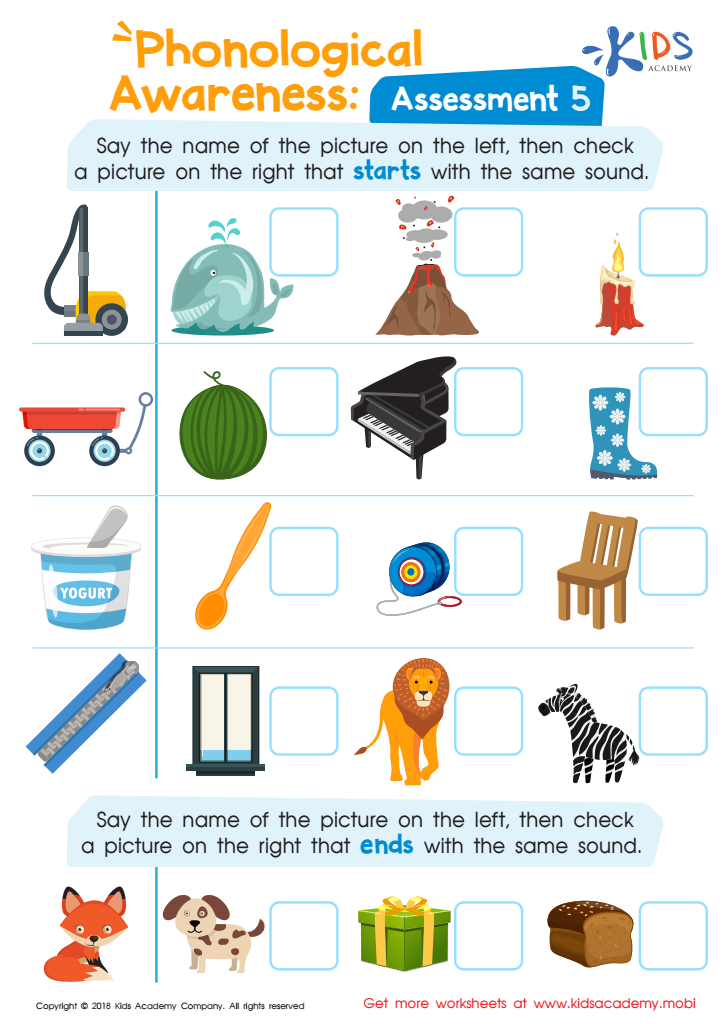
Phonological Awareness: Assessment 5 Worksheet
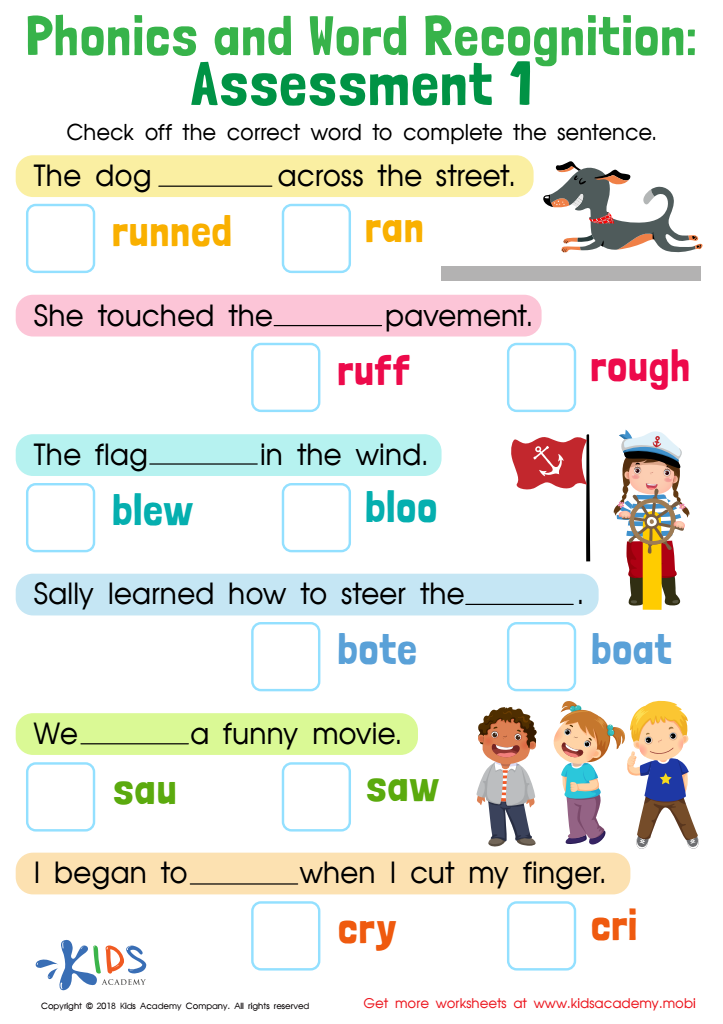
Phonics and Word Recognition: Assessment 1 Worksheet







Parents and teachers should prioritize Easy Phonics Activities with Answers for ages 5-9 because they are crucial for developing foundational literacy skills in young children. Phonics is essential for helping kids understand the relationship between letters and sounds, enabling them to read and write effectively. By engaging in structured phonics activities, children can improve their decoding skills, which are vital for reading fluency and comprehension.
These activities are often engaging and interactive, making learning fun and enjoyable for young learners. They provide opportunities for hands-on practice, allowing children to reinforce their knowledge and build confidence as they progress. Additionally, having answers readily available empowers parents and teachers to monitor progress, identify areas needing improvement, and provide immediate feedback.
In a world where early literacy is closely tied to future academic success, easy phonics activities help set the stage for a lifelong love of reading. Ultimately, prioritizing phonics activities equips children not only with essential skills and tools but also creates a positive and encouraging learning environment. By investing time in these early literacy exercises, adults can foster a strong educational foundation, setting children on a path toward effective communication, critical thinking, and academic achievement.








